Autonomous Vehicle Regulations: Key Updates for Q1 2026 in the United States

Autonomous Vehicle Regulations: Key Updates for Q1 2026 in the United States
The dawn of autonomous vehicles (AVs) promises a future of enhanced safety, efficiency, and accessibility in transportation. However, realizing this vision hinges critically on the development of robust and adaptable autonomous vehicle regulations. As we enter Q1 2026, the United States continues to navigate a complex regulatory landscape, with significant developments shaping the deployment and operation of self-driving technology. This comprehensive overview delves into the pivotal updates, challenges, and opportunities in the realm of autonomous vehicle regulations, providing stakeholders with crucial insights into the evolving legal and policy environment.
The journey towards fully autonomous transportation is not merely a technological race; it is equally a regulatory marathon. Governments, industry players, and consumer advocates are all striving to strike a delicate balance between fostering innovation and ensuring public safety. This article will dissect the key federal and state-level initiatives, proposed rules, and legislative changes that define the current state of autonomous vehicle regulations in the US, offering a forward-looking perspective on what Q1 2026 brings to this dynamic sector.
The Federal Landscape: NHTSA’s Evolving Role in Autonomous Vehicle Regulations
At the federal level, the National Highway Traffic Safety Administration (NHTSA) remains the primary agency responsible for vehicle safety, including the integration of autonomous technologies. NHTSA’s approach to autonomous vehicle regulations has historically been performance-based, focusing on desired outcomes rather than prescriptive design requirements. This philosophy aims to encourage innovation while maintaining a high bar for safety.
For Q1 2026, several key areas within NHTSA’s purview warrant close attention. One significant focus is expected to be the refinement of existing Federal Motor Vehicle Safety Standards (FMVSS) to accommodate vehicles without traditional human controls, such as steering wheels or pedals. While some waivers have been granted for testing purposes, the long-term goal is to establish clear, permanent pathways for the certification and deployment of highly automated vehicles (HAVs) at SAE Level 4 and Level 5.
Another critical area is data reporting and transparency. As AVs become more prevalent, NHTSA is pushing for more standardized and comprehensive data collection from manufacturers regarding crashes, near-misses, and system malfunctions. This data is invaluable for understanding the real-world performance of AV technology, identifying potential risks, and informing future autonomous vehicle regulations. Expect to see continued efforts to formalize these reporting requirements, potentially leading to new mandates for manufacturers to share anonymized operational data.
Furthermore, NHTSA is likely to continue its work on updating its framework for automated driving systems (ADS) safety assessment. This includes developing clear methodologies for evaluating the safety performance of AVs, including their ability to detect and respond to complex road scenarios, interact safely with human drivers and vulnerable road users, and manage system failures. The agency’s guidance documents and proposed rules in Q1 2026 will be instrumental in shaping how manufacturers design, test, and validate their AV technologies before broad public deployment.
The concept of a ‘safety case’ for AV deployment is also gaining traction. Manufacturers may be increasingly required to present a robust, data-driven argument demonstrating the safety of their AV systems before receiving regulatory approval. This moves beyond mere compliance with technical standards towards a more holistic assessment of risk management and operational safety, a crucial element in strengthening autonomous vehicle regulations.
State-Level Divergence: A Patchwork of Autonomous Vehicle Regulations
While federal agencies set overarching safety standards, individual states play a crucial role in regulating the operation of AVs on public roads, including licensing, liability, and traffic laws. This has led to a varied and sometimes inconsistent landscape of autonomous vehicle regulations across the United States. Q1 2026 is expected to see continued efforts by states to either harmonize their laws with federal guidance or carve out their own distinct frameworks.
States like California, Arizona, and Texas have been at the forefront of AV testing and deployment, often developing comprehensive permitting processes and operational rules. Other states are still grappling with how to integrate AVs into their existing legal structures. Key areas of state-level focus include:
- Operator Requirements: What level of human supervision is required for different SAE levels of autonomy? Some states require a safety driver, while others permit fully driverless operations under specific conditions.
- Insurance and Liability: Who is liable in the event of an accident involving an AV? This complex question is being addressed through various legislative proposals, often shifting liability from the human driver to the AV manufacturer or operator.
- Data Privacy and Cybersecurity: AVs collect vast amounts of data, raising concerns about privacy and cybersecurity. States are increasingly looking at regulations to protect this data and ensure the security of AV systems from cyber threats.
- Roadway Infrastructure: Some states are exploring how to adapt their infrastructure to better support AV operations, such as improved signage, lane markings, and vehicle-to-infrastructure (V2I) communication systems.
In Q1 2026, we anticipate several states to introduce new legislation or amend existing laws to address gaps or ambiguities in their autonomous vehicle regulations. This could include stricter permitting requirements, clearer guidelines for commercial AV operations (e.g., robotaxis, autonomous trucking), and updated definitions of ‘driver’ and ‘vehicle’ to reflect the shift towards automation. Businesses operating AVs across state lines must remain vigilant about these evolving state-specific rules to ensure compliance and avoid operational hurdles.
SAE Levels and Their Impact on Autonomous Vehicle Regulations
The Society of Automotive Engineers (SAE) International’s classification system for driving automation (J3016) provides a common taxonomy for understanding different levels of autonomy, from Level 0 (no automation) to Level 5 (full automation). This classification is foundational to autonomous vehicle regulations, as regulatory approaches often differ based on the level of human involvement required.
- Level 2 (Partial Automation): Features like adaptive cruise control and lane-keeping assist require constant human supervision. Regulations here primarily focus on driver assistance system performance and driver engagement monitoring.
- Level 3 (Conditional Automation): The vehicle can handle most driving tasks under specific conditions, but a human driver must be ready to intervene. This level presents unique regulatory challenges regarding the hand-off between the system and the human, and is a major area of focus for Q1 2026 autonomous vehicle regulations.
- Level 4 (High Automation): The vehicle can operate autonomously within a defined operational design domain (ODD) without human intervention. Regulations for Level 4 focus on the safety performance within the ODD, remote assistance capabilities, and fleet management protocols.
- Level 5 (Full Automation): The vehicle can operate autonomously in all driving conditions. While still largely theoretical for widespread deployment, regulations for Level 5 will need to address a complete paradigm shift in vehicle ownership, usage, and responsibility.
In Q1 2026, a significant portion of regulatory discussions will revolve around Level 3 and Level 4 systems. As more Level 3 vehicles become commercially available, regulators are grappling with how to define driver responsibilities during automated operation and during transition demands. For Level 4 deployments, especially in geofenced urban areas, the focus will be on operational permits, safety redundancies, and the interaction with public infrastructure. Understanding these SAE levels is crucial for anyone involved in developing or navigating autonomous vehicle regulations.
Safety Standards and Testing Protocols: A Cornerstone of Autonomous Vehicle Regulations
At the heart of effective autonomous vehicle regulations are robust safety standards and rigorous testing protocols. Ensuring that AVs are safe, reliable, and predictable is paramount for public acceptance and widespread adoption. Q1 2026 will see continued advancements in these critical areas.
Standardization Efforts
Industry groups, in collaboration with regulatory bodies, are working towards developing standardized testing scenarios and performance metrics for AVs. This includes defining how AVs should react to unexpected events, adverse weather conditions, and interactions with human-driven vehicles, pedestrians, and cyclists. The goal is to create a common baseline for evaluating AV safety across different manufacturers and technologies, making autonomous vehicle regulations more consistent and enforceable.
Simulation and Real-World Testing
Both simulation and real-world testing remain indispensable. Simulation allows for the rapid testing of millions of scenarios, including rare and dangerous ones that are difficult to replicate in physical environments. However, real-world testing provides invaluable data on how AVs perform in unpredictable and dynamic public environments. Regulators are keen on establishing clear guidelines for the validation of simulation results against real-world performance, ensuring that AVs are tested comprehensively before deployment.
Over-the-Air (OTA) Updates and Cybersecurity
The ability of AVs to receive over-the-air (OTA) software updates presents both opportunities and challenges for autonomous vehicle regulations. While OTA updates allow for continuous improvement and bug fixes, they also introduce cybersecurity risks. Regulators are focusing on establishing standards for secure OTA update processes, ensuring that updates do not introduce new vulnerabilities and that the integrity of the AV’s software is maintained throughout its lifecycle. Cybersecurity for AVs is not just about protecting data; it’s about preventing malicious actors from gaining control of a vehicle, making it a top priority in Q1 2026 for autonomous vehicle regulations.
Human-Machine Interface (HMI)
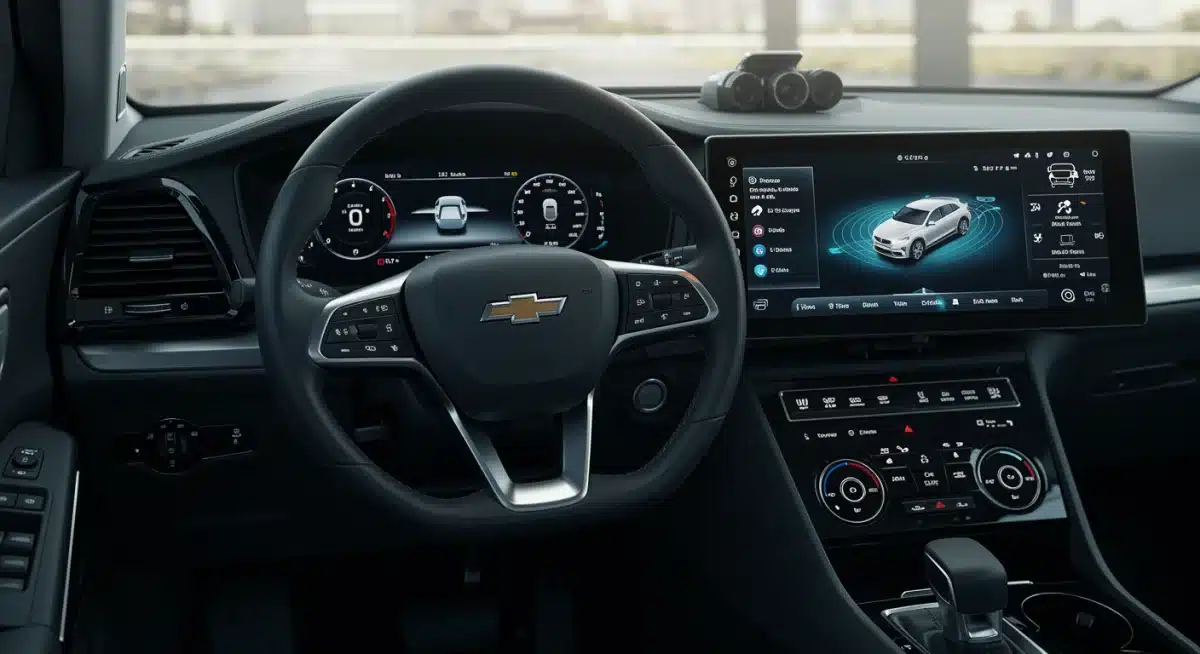
Even in highly automated vehicles, there will be instances where human interaction is necessary. The design of the human-machine interface (HMI) is crucial for ensuring that drivers (or occupants) understand the AV’s operational status, its limitations, and when intervention might be required. Autonomous vehicle regulations are increasingly looking at HMI design to minimize confusion, improve situational awareness, and facilitate safe transitions of control between the human and the automated system.
Economic and Societal Implications of Evolving Autonomous Vehicle Regulations
The evolution of autonomous vehicle regulations has profound economic and societal implications. The clarity and stability of these regulations can significantly impact investment in AV technology, job creation, and the broader transformation of transportation systems. In Q1 2026, these impacts are becoming increasingly evident.
Investment and Innovation
A predictable regulatory environment is essential for fostering innovation and attracting investment in the AV sector. Uncertainty in autonomous vehicle regulations can deter companies from deploying new technologies or expanding their operations. Clear pathways for testing, certification, and deployment, coupled with reasonable liability frameworks, are crucial for the continued growth of the AV industry.
Job Market Changes
The widespread adoption of AVs is expected to lead to significant shifts in the job market, particularly for professional drivers. While some jobs may be displaced, new opportunities will emerge in areas such as AV engineering, data analysis, remote fleet management, and maintenance of complex AV systems. Autonomous vehicle regulations could play a role in facilitating this transition, perhaps through training programs or policies that support workforce development.
Urban Planning and Infrastructure
AVs have the potential to reshape urban planning and infrastructure. Reduced traffic congestion, optimized parking, and more efficient public transportation systems are all possible benefits. However, cities and states need to develop long-term strategies and adapt their infrastructure to accommodate AVs. This includes considerations for dedicated AV lanes, charging infrastructure for electric AVs, and smart city initiatives that integrate AV data into broader urban management systems. The interplay between autonomous vehicle regulations and urban development will be a key theme moving forward.
Accessibility and Equity
Autonomous vehicles offer the promise of enhanced mobility for individuals who cannot drive, such as the elderly, people with disabilities, and those without access to personal vehicles. However, it’s crucial that autonomous vehicle regulations ensure equitable access to these technologies and prevent a digital divide. Policies related to service availability, affordability, and accessibility features will be vital in ensuring that the benefits of AVs are shared broadly across society.

The Path Forward: Challenges and Opportunities for Autonomous Vehicle Regulations
The landscape of autonomous vehicle regulations in the United States is dynamic and constantly evolving. While significant progress has been made, several challenges and opportunities lie ahead as we move deeper into 2026.
Challenges:
- Harmonization: The lack of uniform federal and state regulations creates a complex operating environment for AV developers and deployers. Ongoing efforts to harmonize laws will be critical.
- Public Trust: Building and maintaining public trust in AV technology is paramount. Accidents involving AVs, even rare ones, can significantly erode public confidence. Transparent regulatory processes and clear communication about AV safety are essential.
- Evolving Technology: AV technology is advancing rapidly. Regulations must be flexible enough to accommodate new innovations without stifling progress, yet robust enough to ensure safety.
- Ethical Considerations: Questions surrounding AV ethics, such as how an AV should make decisions in unavoidable accident scenarios, continue to be debated. While primarily a design challenge, these ethical considerations may eventually influence autonomous vehicle regulations.
Opportunities:
- Enhanced Safety: The potential for AVs to significantly reduce traffic accidents caused by human error remains the most compelling opportunity. Well-crafted autonomous vehicle regulations can accelerate this benefit.
- Economic Growth: The AV industry represents a multi-billion-dollar market, with the potential to create new jobs and stimulate economic growth across various sectors.
- Environmental Benefits: Optimized routing and more efficient driving patterns by AVs, especially electric ones, can lead to reduced fuel consumption and lower emissions.
- Improved Mobility: AVs can provide unprecedented levels of mobility for individuals currently underserved by traditional transportation options, fostering greater independence and social inclusion.
As Q1 2026 unfolds, stakeholders must continue to engage in constructive dialogue, share data, and collaborate to refine autonomous vehicle regulations. The goal is to create a regulatory environment that not only ensures safety and public trust but also fosters innovation and unlocks the full potential of autonomous technology for the benefit of society.
Conclusion: Navigating the Future of Autonomous Vehicle Regulations
The journey to widespread autonomous vehicle deployment is an intricate dance between technological advancement, societal acceptance, and regulatory oversight. As we assess the landscape for Q1 2026, it’s clear that the United States is making concerted efforts to establish a comprehensive and adaptable framework for autonomous vehicle regulations. From NHTSA’s federal guidelines focusing on performance and data transparency to the diverse state-level initiatives addressing operational specifics and liability, the regulatory environment is evolving at a rapid pace.
The ongoing refinement of SAE levels, the emphasis on rigorous safety standards, and the critical discussions around cybersecurity and HMI design all underscore the complexity and importance of these regulations. Furthermore, the economic and societal impacts, ranging from job market shifts to urban planning considerations, highlight the far-reaching implications of how AVs are governed. Navigating this future requires a proactive approach from all parties involved – manufacturers, policymakers, and the public.
For businesses operating in the AV space, staying abreast of these quarterly updates in autonomous vehicle regulations is not merely a matter of compliance; it is a strategic imperative. Understanding the nuances of federal and state laws, anticipating future policy shifts, and actively participating in the regulatory dialogue will be key to successful innovation and deployment. As Q1 2026 sets the stage for further developments, the collaborative effort to craft intelligent, forward-thinking autonomous vehicle regulations will ultimately determine the speed and safety with which we embrace the autonomous future.
The promise of autonomous vehicles is immense, offering a paradigm shift in how we move, work, and live. By diligently shaping and adapting autonomous vehicle regulations, the United States can ensure that this transformative technology delivers on its potential, creating safer, more efficient, and more accessible transportation for everyone.