EV Charging Network Expansion: Top 5 U.S. Updates
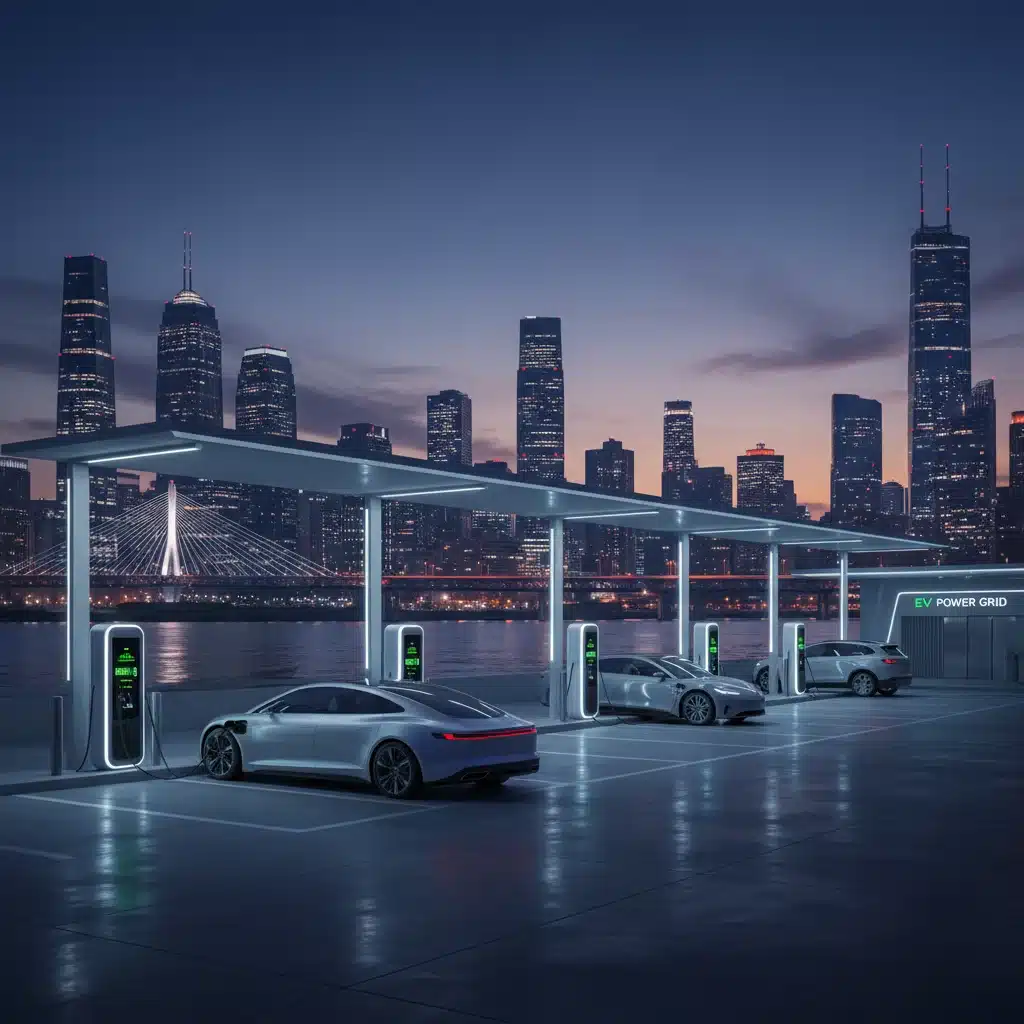
The landscape of electric vehicle (EV) ownership is evolving at an unprecedented pace, and at the heart of this transformation is the rapid development and expansion of EV charging networks. For any current or prospective EV owner, the availability and accessibility of reliable charging infrastructure are paramount. Over the past three months, the United States has witnessed significant strides in this area, with major players and innovative startups alike pushing the boundaries of what’s possible. This article delves into the top five EV charging network expansion initiatives across the U.S. that have made headlines and are set to profoundly impact the EV driving experience. We’ll explore where these expansions are happening, what new technologies are being deployed, and what it all means for you, the EV driver.
The growth in EV sales has created an urgent demand for a robust and widespread charging ecosystem. Governments, private companies, and utilities are all investing heavily to meet this demand, ensuring that ‘range anxiety’ becomes a relic of the past. From coast to coast, new charging hubs are emerging, existing networks are upgrading their technology, and innovative solutions are being piloted to make charging faster, more convenient, and more affordable. Understanding these developments is crucial for anyone navigating the world of electric mobility.
Our focus today is on the most impactful expansions observed in the last 90 days. These aren’t just minor additions; they represent strategic moves designed to fill critical gaps, enhance user experience, and prepare the nation for a future dominated by electric transport. So, buckle up as we take a deep dive into the latest and most significant updates in the EV charging network expansion landscape.
The Accelerating Pace of EV Charging Network Expansion
Before we jump into the specifics of the top five expansions, it’s essential to understand the broader context. The push for EV charging network expansion is driven by several factors: increasing consumer adoption of EVs, government incentives and mandates for emission reductions, and technological advancements in battery and charging technology. The Biden administration’s goal of building out a national network of 500,000 EV chargers by 2030 is a significant catalyst, channeling billions of dollars into charging infrastructure projects across the country. This federal commitment, coupled with substantial private investment, is creating a fertile ground for rapid development.
One of the key trends in EV charging network expansion is the move towards higher-powered DC fast chargers (DCFC). These chargers can provide hundreds of miles of range in a relatively short amount of time, often less than an hour, making long-distance travel in an EV much more feasible. We’re also seeing a greater emphasis on interoperability, allowing drivers to use various networks with a single payment method or app, thereby reducing friction and improving the overall user experience. Furthermore, the integration of renewable energy sources into charging stations and the development of smart charging solutions that optimize energy use are becoming increasingly prevalent.
The last three months have been particularly dynamic, with several major announcements and project completions that are reshaping the charging map. These expansions are not just about adding more plugs; they’re about creating a more reliable, efficient, and user-friendly charging ecosystem. Let’s explore the leading initiatives that are making a real difference.
1. Electrify America’s Aggressive U.S. Highway Corridor Build-Out
Electrify America, a subsidiary of Volkswagen Group of America, has consistently been a frontrunner in EV charging network expansion. In the past quarter, they have continued their aggressive strategy of deploying ultra-fast DCFCs along major highway corridors, particularly focusing on underserved regions and connecting key metropolitan areas. Their expansion efforts have been notable in states across the Midwest and Southeast, where charging options have historically been less abundant than on the coasts.
Specifics of their recent activities include the activation of dozens of new stations in states like Arkansas, Mississippi, and Alabama, significantly improving East-West and North-South travel routes. Each new station typically features multiple charging stalls, ranging from 150 kW to 350 kW, capable of adding up to 20 miles of range per minute for compatible vehicles. This focus on high-power charging is critical for reducing travel times and making long road trips more viable for EV owners. Electrify America’s strategy also includes expanding its presence in retail locations and major travel centers, making charging more convenient for drivers on the go.
The impact of Electrify America’s continued EV charging network expansion is profound. It not only provides more charging options but also builds consumer confidence in the feasibility of owning an EV, especially for those who frequently travel outside urban centers. Their commitment to a seamless user experience, often including amenities like Wi-Fi and covered charging bays, further enhances their appeal.
2. EVgo’s Urban and Commercial Fleet Focus
EVgo has carved out a niche for itself by focusing on metropolitan areas and strategic partnerships with ride-share companies and commercial fleets. Over the last three months, EVgo has significantly expanded its footprint in major U.S. cities, including Los Angeles, New York, and Chicago, by adding numerous fast-charging stations in high-density urban environments. Their stations are frequently located in grocery store parking lots, shopping centers, and other convenient retail locations, making it easy for city dwellers to charge their vehicles while running errands.
A notable aspect of EVgo’s recent EV charging network expansion is their push into fleet charging solutions. They’ve announced new partnerships and expanded existing ones with logistics and ride-sharing companies, providing dedicated charging hubs that cater to the specific needs of commercial electric vehicles. This includes longer operating hours, higher utilization rates, and sometimes, specialized charging equipment tailored for larger vehicles or specific fleet management systems. This dual approach – serving both individual consumers and commercial entities – positions EVgo as a crucial player in the urban EV ecosystem.
Furthermore, EVgo has been at the forefront of implementing Plug&Charge technology, which allows compatible EVs to simply plug in and begin charging without needing to swipe a card or use an app. This seamless experience is being rolled out across their new and existing stations, greatly enhancing user convenience. Their strategic urban placements and focus on commercial fleets are key to enabling widespread EV adoption in densely populated areas.

3. ChargePoint’s Diversified Growth Across Sectors
ChargePoint, one of the oldest and largest EV charging networks, distinguishes itself through its diversified approach, offering charging solutions for homes, workplaces, public spaces, and fleet depots. The past quarter has seen ChargePoint significantly bolster its presence across all these sectors, demonstrating a comprehensive EV charging network expansion strategy that aims to integrate charging into every aspect of daily life.
In public charging, ChargePoint has added thousands of new Level 2 and DC fast charging ports across the country, often through partnerships with local governments, businesses, and property owners. Their focus on Level 2 charging in workplaces and multi-unit dwellings (MUDs) is particularly impactful, as it addresses the crucial need for convenient overnight or workday charging, which accounts for a significant portion of EV charging events. Recent deployments include large-scale installations at corporate campuses and residential complexes in tech hubs and growing suburban areas.
Moreover, ChargePoint has been actively involved in projects funded by federal and state grants aimed at building out charging infrastructure in disadvantaged communities and rural areas. This commitment ensures that the benefits of EV adoption and accessibility to charging are extended beyond affluent urban centers. Their robust software platform, which provides real-time station availability and charging session management, continues to be a key differentiator in their EV charging network expansion efforts, offering reliability and ease of use to a broad customer base.
4. Tesla Supercharger Network Opening to Non-Tesla EVs
Perhaps one of the most significant developments in the EV charging network expansion space in recent months has been the accelerated opening of Tesla’s proprietary Supercharger network to non-Tesla electric vehicles. Historically a closed ecosystem, Tesla has begun deploying Magic Docks – adapters integrated into Supercharger stalls – at an increasing number of locations across the U.S. This move dramatically expands the fast-charging options available to a wider array of EV drivers, particularly those with CCS-compatible vehicles.
Over the last three months, dozens of Supercharger stations in states like California, Texas, New York, and Florida have been upgraded with Magic Docks, with plans for a much broader rollout throughout the year. This initiative is not just about adding more plugs; it’s about unlocking access to what is widely considered one of the most reliable and extensive fast-charging networks in the world. Tesla’s Superchargers are renowned for their consistent uptime, high power output (up to 250 kW), and strategic placements along popular travel routes.
The impact of this EV charging network expansion by Tesla cannot be overstated. It significantly alleviates range anxiety for non-Tesla EV owners and puts pressure on other charging networks to match Tesla’s reliability and user experience. This strategic shift is a game-changer for the entire EV industry, fostering greater interoperability and accelerating the transition to electric transportation by making charging more accessible for everyone.
5. Blink Charging’s Strategic Acquisitions and Public-Private Partnerships
Blink Charging has been executing an aggressive growth strategy, marked by both organic EV charging network expansion and strategic acquisitions. In the last three months, Blink has focused on expanding its public charging footprint through numerous public-private partnerships, installing chargers at municipalities, hospitals, universities, and commercial properties across various states.
Recent highlights include new deployments in states such as Arizona, Georgia, and Pennsylvania, bolstering their presence in key growth markets. Blink’s offerings include a mix of Level 2 and DC fast chargers, catering to different charging needs and locations. Their business model often involves providing charging equipment and network services, allowing property owners to host chargers and generate revenue.
Furthermore, Blink has been active in securing contracts for federally funded projects, leveraging grants and incentives to expand into areas that might otherwise be overlooked. Their focus on a diverse portfolio of charging solutions, from individual units to large-scale deployments, positions them as a flexible partner for various entities looking to integrate EV charging infrastructure. This multi-faceted approach to EV charging network expansion is crucial for building out a truly ubiquitous charging ecosystem that can serve a wide range of users and locations.
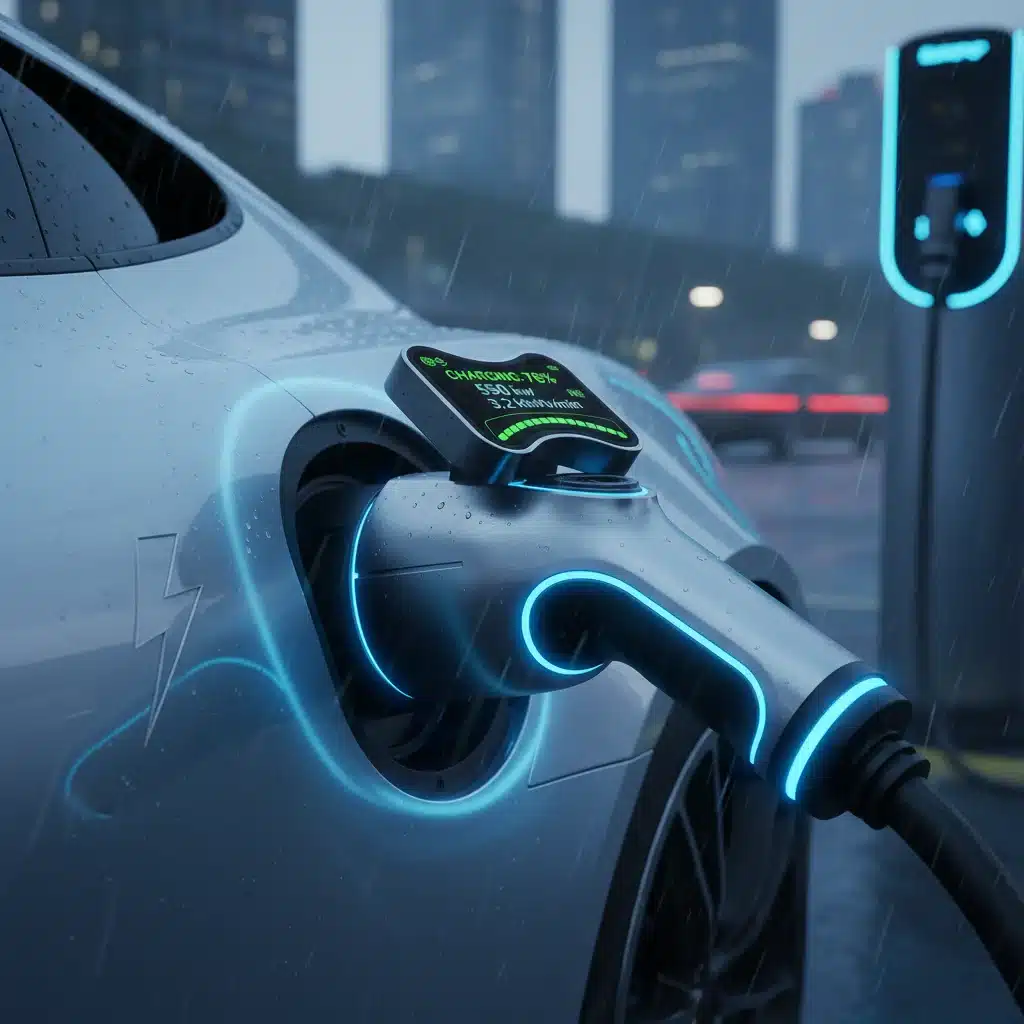
The Broader Impact of EV Charging Network Expansion
The advancements in EV charging network expansion over the past three months paint a clear picture of a rapidly maturing industry. These expansions are not isolated events; they are interconnected pieces of a larger puzzle aimed at making electric vehicles a viable and convenient option for every American. The collective efforts of these companies and many others are leading to several positive outcomes:
- Reduced Range Anxiety: More chargers, especially fast chargers along highways, mean drivers can confidently plan longer trips without fear of running out of power.
- Increased EV Adoption: As charging becomes more accessible and reliable, one of the biggest barriers to EV ownership is removed, encouraging more consumers to make the switch.
- Economic Growth: The construction and maintenance of charging infrastructure create jobs and stimulate local economies.
- Environmental Benefits: A more robust EV ecosystem directly contributes to lower tailpipe emissions and improved air quality.
- Technological Innovation: Competition and demand are driving continuous innovation in charging speeds, payment systems, and grid integration.
The strategic placements of new stations, the increase in charging speeds, and the push for interoperability are all critical components of this evolution. The opening of Tesla’s Supercharger network to other EVs is particularly transformative, signaling a move towards a more unified and accessible charging future for all.
What’s Next for EV Charging?
Looking ahead, the pace of EV charging network expansion is only expected to accelerate. We anticipate several key trends to continue shaping the landscape:
- Standardization: The adoption of the North American Charging Standard (NACS), championed by Tesla and now being adopted by many automakers, promises to simplify the charging experience significantly. This will streamline manufacturing and reduce the need for adapters, making charging more seamless.
- Smart Grid Integration: Chargers will increasingly communicate with the electrical grid to optimize charging times, utilize renewable energy more effectively, and help manage grid load.
- Advanced Battery Technologies: As battery technology improves, EVs will have greater range, and charging infrastructure will adapt to support even faster charging rates.
- More Destination Charging: Beyond highway corridors, expect to see an even greater proliferation of Level 2 chargers at hotels, restaurants, and entertainment venues, making charging an integrated part of daily activities.
- Rural and Remote Area Coverage: Federal and state programs will continue to target underserved areas, ensuring that EV charging is not just an urban luxury but a nationwide utility.
The continuous EV charging network expansion is a testament to the collective commitment to a sustainable transportation future. Each new station, each upgraded charger, and each strategic partnership brings us closer to a world where electric vehicles are the norm, not the exception.
Conclusion: A Brighter, More Charged Future
The last three months have been pivotal for the EV charging landscape in the United States. The top five EV charging network expansion initiatives highlighted – Electrify America’s highway build-out, EVgo’s urban and fleet focus, ChargePoint’s diversified growth, Tesla’s Supercharger opening, and Blink Charging’s strategic partnerships – collectively demonstrate a robust and accelerating commitment to building a comprehensive charging ecosystem. These developments are not just about adding infrastructure; they are about fostering confidence, convenience, and accessibility for every EV driver.
As the EV market continues its exponential growth, the importance of a reliable and extensive charging network cannot be overstated. These recent expansions are critical steps toward ensuring that the transition to electric vehicles is smooth, efficient, and equitable for all. For EV owners, this means more options, faster charging, and less worry. For prospective buyers, it means a compelling reason to embrace the electric revolution. The future of transportation is electric, and the infrastructure to support it is rapidly taking shape, paving the way for a cleaner, more sustainable tomorrow.
Stay tuned for more updates as the EV charging network expansion continues to evolve, bringing new opportunities and greater convenience to drivers across the nation.