EV Battery Recycling Programs US 2026: Key Updates and Future Outlook
The electric vehicle (EV) revolution is accelerating at an unprecedented pace, transforming the automotive industry and promising a cleaner, more sustainable future. As millions of EVs hit the roads, a critical question arises: what happens to their batteries at the end of their life cycle? The answer lies in robust and efficient EV battery recycling programs. With 2026 on the horizon, the United States is poised for significant advancements and updates in this crucial sector. Understanding these changes is not just for industry insiders; it’s essential for consumers, policymakers, and environmental advocates alike. This comprehensive guide delves into the recent updates to EV battery recycling programs in the U.S. for 2026, exploring the regulatory landscape, technological innovations, economic incentives, and the collective impact on our planet.
The Growing Imperative of EV Battery Recycling US
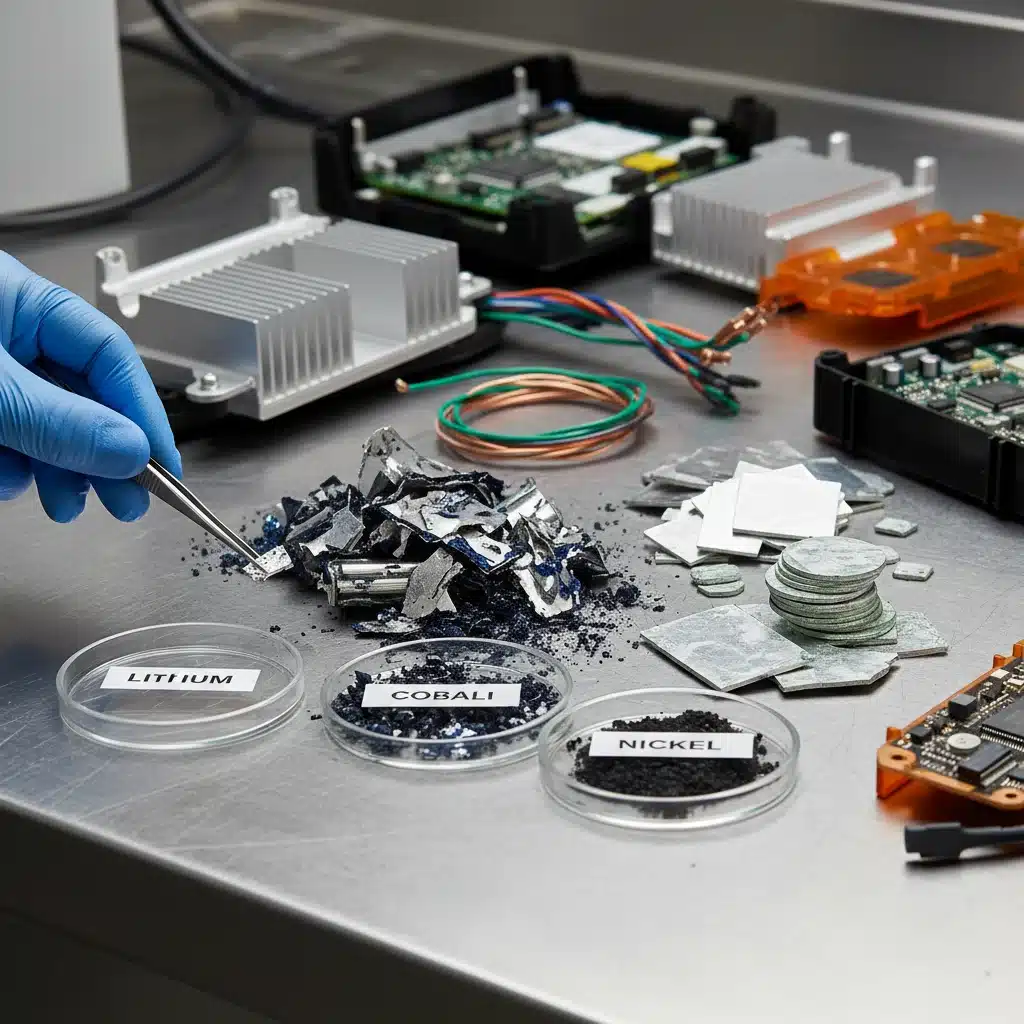
The sheer volume of EV batteries reaching their end-of-life in the coming years presents both a challenge and an enormous opportunity. Lithium-ion batteries, the powerhouse behind most EVs, contain valuable materials such as lithium, cobalt, nickel, and manganese. Recovering these materials through recycling reduces the need for new mining, mitigates environmental impacts, and strengthens domestic supply chains. The U.S. government and various private entities recognize this imperative, leading to intensified efforts and the formulation of new policies and initiatives for EV battery recycling US.
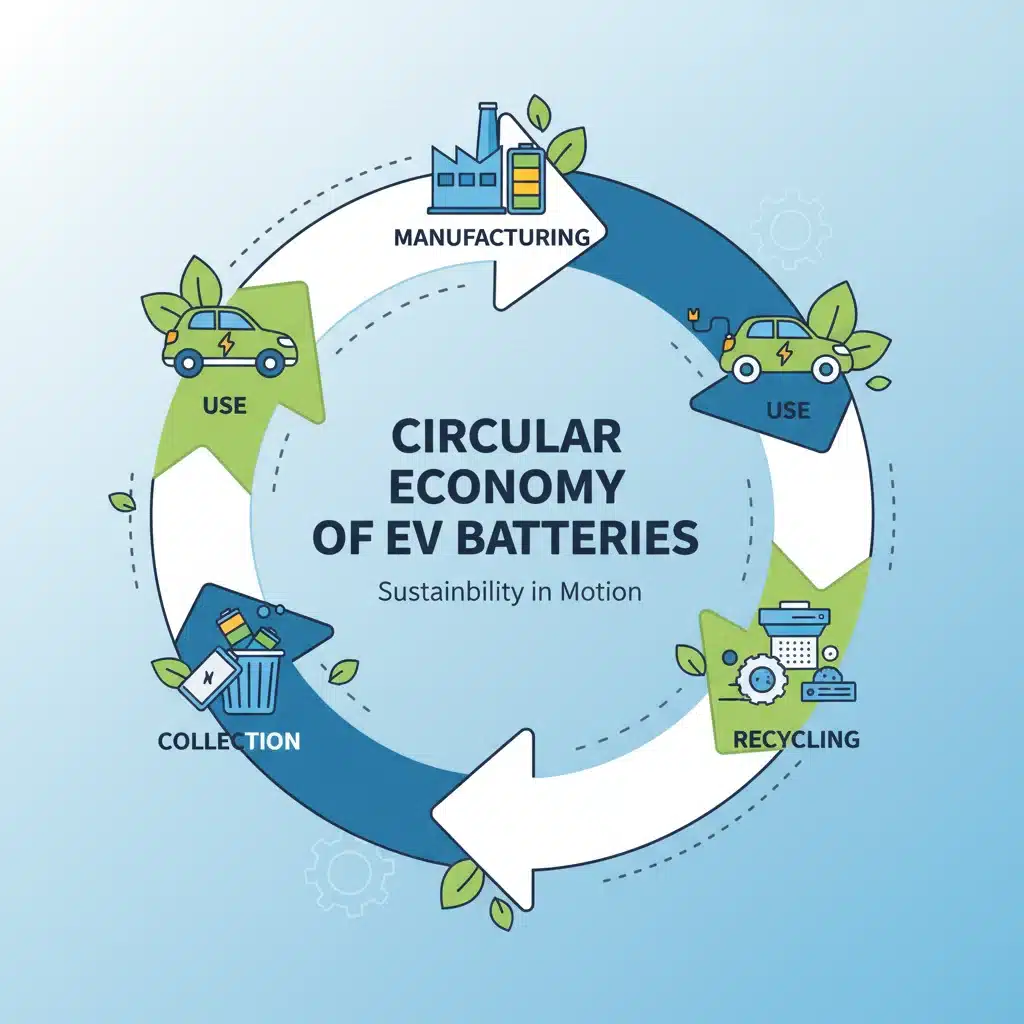
As the adoption of electric vehicles continues its upward trajectory, the urgency to establish and scale effective EV battery recycling programs in the U.S. becomes even more pronounced. Projections indicate a substantial increase in retired EV batteries over the next decade, transforming what was once a niche concern into a mainstream environmental and economic priority. The materials within these batteries are not infinite; they are finite resources that require careful management to ensure long-term sustainability. Without efficient recycling, the environmental footprint of EVs could be significantly larger due to the energy and resources consumed in primary material extraction and the potential for improper disposal. Moreover, the geopolitical implications of relying on foreign sources for these critical minerals underscore the strategic importance of domestic recycling capabilities. By investing in and refining EV battery recycling programs, the U.S. aims to create a more circular economy for electric vehicles, where valuable materials are continuously reused, reducing waste and enhancing resource security. This proactive approach is not just about compliance; it’s about building a resilient, self-sufficient, and environmentally responsible EV ecosystem for the future.
Key Regulatory Developments for 2026
The regulatory framework surrounding EV battery recycling in the U.S. is constantly evolving, with 2026 marking a pivotal year for several anticipated changes. These developments are driven by a dual goal: to promote environmental protection and to foster a robust domestic recycling industry. Understanding these regulations is crucial for manufacturers, recyclers, and consumers.
Federal Initiatives and Mandates
The federal government has been increasingly active in promoting battery recycling. Expected for 2026 are clearer guidelines and potentially new mandates from agencies like the Environmental Protection Agency (EPA) and the Department of Energy (DOE). These might include:
- Extended Producer Responsibility (EPR) Schemes: While not universally adopted, there’s growing momentum for EPR legislation that would hold EV manufacturers responsible for the end-of-life management of their batteries. This could mean manufacturers are required to fund or operate take-back programs, ensuring batteries are properly collected and sent for recycling. Such schemes have proven effective in other countries and could significantly boost EV battery recycling rates in the US.
- Material Recovery Targets: New federal targets for the recovery of critical minerals from spent EV batteries are anticipated. These targets would incentivize recyclers to develop more efficient processes and drive innovation in material separation and purification. Meeting these targets would reduce reliance on virgin materials and enhance the sustainability of the EV supply chain.
- Labeling and Tracking Requirements: To improve accountability and facilitate efficient recycling, new regulations may mandate standardized labeling for EV batteries, including information about their chemical composition, state of health, and unique identifiers. Digital tracking systems could also become more prevalent, allowing for better management of batteries throughout their lifecycle, from manufacturing to recycling.
State-Level Policies and Their Impact
In addition to federal efforts, several states are pioneering their own EV battery recycling initiatives, often acting as incubators for policies that may eventually be adopted nationwide. States like California, New York, and Washington are at the forefront, exploring solutions such as:
- Incentives for Recycling Infrastructure: State governments are offering grants, tax credits, and other financial incentives to encourage the establishment and expansion of EV battery recycling facilities within their borders. This helps localize recycling efforts and reduces transportation costs and emissions associated with moving batteries across long distances.
- Consumer Education Programs: Recognizing that consumer participation is key, some states are investing in public awareness campaigns to educate EV owners about the importance of battery recycling and how to properly dispose of their end-of-life batteries. Clear instructions and accessible collection points are vital for maximizing recycling rates.
- Pilot Programs for Second-Life Applications: Before full recycling, many EV batteries can be repurposed for less demanding applications, such as stationary energy storage. States are supporting pilot programs to explore and scale these ‘second-life’ applications, extending the useful life of batteries and delaying the need for recycling. This approach maximizes the value extracted from each battery and reduces overall environmental impact.
The synergy between federal and state policies will be crucial in building a comprehensive and effective EV battery recycling ecosystem across the U.S. in 2026 and beyond.
Technological Innovations Driving Efficiency
The heart of effective EV battery recycling lies in advanced technology. Significant breakthroughs are making the process more efficient, economically viable, and environmentally friendly. These innovations are critical for scaling EV battery recycling US operations to meet future demand.
Advancements in Recycling Processes
Traditional recycling methods often involved pyrometallurgy (high-temperature smelting), which can be energy-intensive and result in lower recovery rates for certain materials. However, newer technologies are changing the game:
- Hydrometallurgy: This process uses aqueous solutions to leach out valuable metals from battery waste. It’s generally more energy-efficient and allows for higher purity recovery of materials like lithium, cobalt, and nickel. Research continues to refine hydrometallurgical techniques, making them more environmentally benign and cost-effective.
- Direct Recycling: Considered the holy grail by many, direct recycling aims to retain the cathode and anode structures of the battery, rather than breaking them down into their constituent elements. This significantly reduces energy consumption and preserves the embedded value and performance characteristics of the active materials. While still largely in the research and development phase for commercial scale, direct recycling holds immense promise for the future of EV battery recycling US.
- Mechanical Pre-treatment: Before chemical processing, mechanical separation techniques are becoming more sophisticated. These involve shredding, crushing, and sieving to separate different battery components, such as casing, plastics, and active materials. Improved mechanical pre-treatment reduces the volume of material needing further processing and enhances the efficiency of subsequent hydrometallurgical or direct recycling steps.
Role of Artificial Intelligence and Automation
AI and automation are poised to revolutionize EV battery recycling, bringing unprecedented levels of precision and efficiency:
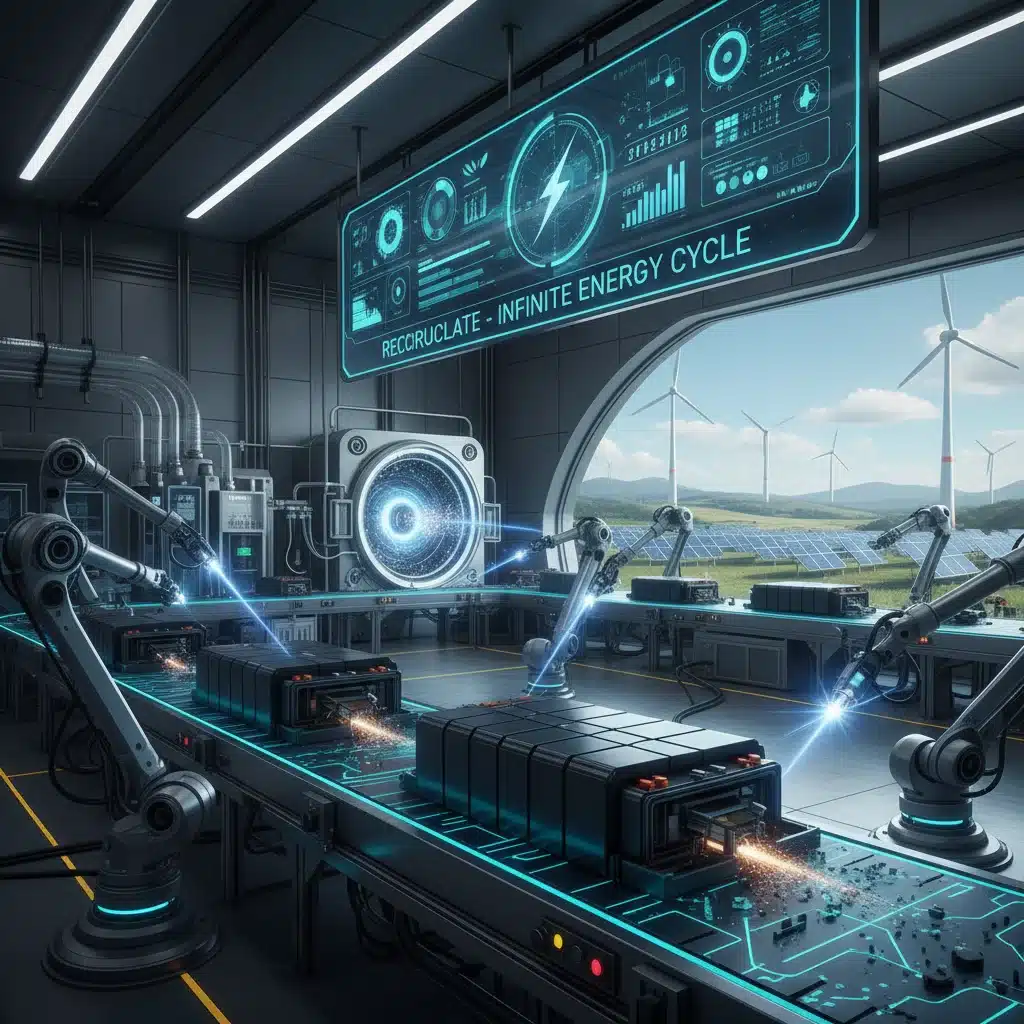
- Automated Disassembly: Disassembling EV battery packs is a complex and potentially hazardous task due to their high voltage and intricate design. Robotic systems equipped with AI vision are being developed to safely and efficiently dismantle battery packs, separating modules and individual cells for further processing. This automation reduces human exposure to risks and speeds up the initial stages of recycling.
- Material Sorting and Identification: AI-powered sensors and spectroscopic analysis can rapidly identify the chemical composition of battery materials, enabling more accurate sorting. This is crucial for maximizing the recovery of specific metals and ensuring that materials are directed to the most appropriate recycling pathways.
- Process Optimization: Machine learning algorithms can analyze vast amounts of data from recycling operations to optimize process parameters, such as chemical concentrations, reaction times, and temperature controls. This leads to higher yields, reduced waste, and lower energy consumption, making EV battery recycling US operations more sustainable and profitable.
Economic Landscape and Investment in 2026
The economic viability of EV battery recycling is rapidly improving, attracting significant investment and fostering a competitive market. The year 2026 is expected to see continued growth in this sector, driven by technological advancements, rising material prices, and supportive policies.
Investment Trends and Market Growth
The global EV battery recycling market is projected to grow substantially, with the U.S. playing a leading role. Key investment trends include:
- Private Sector Funding: Venture capital and private equity firms are increasingly investing in battery recycling startups and established companies, recognizing the long-term potential of this market. These investments are fueling research and development, facility expansion, and the commercialization of new technologies.
- Government Grants and Incentives: Federal programs, such as those under the Bipartisan Infrastructure Law, are providing substantial funding for battery manufacturing and recycling infrastructure. These grants reduce financial risks for companies and accelerate the deployment of advanced recycling facilities across the U.S.
- Strategic Partnerships: EV manufacturers are forming strategic partnerships with recycling companies to secure a closed-loop supply chain for their batteries. These collaborations ensure a steady supply of recycled materials, reduce reliance on volatile raw material markets, and enhance the sustainability credentials of automotive brands.
Cost-Benefit Analysis of Recycling
The economic benefits of EV battery recycling extend beyond simply recovering valuable materials:
- Reduced Raw Material Costs: As the demand for EV batteries surges, so do the prices of critical minerals. Recycling offers a stable and often cheaper alternative to newly mined materials, providing a hedge against market volatility and supply chain disruptions.
- Job Creation: The burgeoning recycling industry creates new jobs in research, engineering, manufacturing, and operations, contributing to economic growth and diversification. These are often high-skilled jobs that support innovation and technological advancement.
- Environmental Externalities: While harder to quantify directly in monetary terms, the environmental benefits of recycling—such as reduced energy consumption, lower greenhouse gas emissions, and decreased land degradation from mining—represent significant societal savings and contribute to a more sustainable economy.
The economic landscape for EV battery recycling in the U.S. in 2026 is one of growth and opportunity, driven by market forces, technological progress, and strategic investments.
Challenges and Solutions in EV Battery Recycling US
Despite significant progress, the EV battery recycling sector in the U.S. faces several challenges that need to be addressed to realize its full potential. However, innovative solutions are emerging to overcome these hurdles.
Logistical Hurdles
Collecting, transporting, and storing end-of-life EV batteries presents unique logistical challenges:
- Battery Heterogeneity: EV batteries come in various chemistries, sizes, and designs, making standardized collection and processing difficult. Solutions involve developing flexible recycling processes that can handle diverse battery types and establishing standardized protocols for identification and sorting.
- Safety Concerns: Fully charged or damaged EV batteries can pose fire and explosion risks during transport and storage. Specialized training for handlers, robust packaging standards, and dedicated transportation networks are essential to mitigate these risks. Research into ‘safe discharge’ technologies that render batteries inert before transport is also ongoing.
- Collection Infrastructure: A widespread and accessible collection infrastructure is still developing. This includes establishing more collection points, partnering with dealerships and repair shops, and potentially implementing consumer take-back programs to ensure a high return rate of spent batteries.
Technological Bottlenecks
While recycling technologies are advancing, some bottlenecks remain:
- Efficiency and Purity: Achieving high recovery rates and purity levels for all valuable materials, especially lithium, remains an area of active research. Continuous innovation in chemical processes and material separation techniques is needed to maximize material value and minimize waste.
- Cost-Effectiveness: The economics of recycling can be challenging, especially when raw material prices are low. Developing more energy-efficient processes and scaling operations to achieve economies of scale are crucial for making recycling consistently more cost-effective than virgin material extraction.
- Recycling of Diverse Chemistries: As new battery chemistries emerge (e.g., solid-state batteries), recycling processes will need to adapt. Research and development must stay ahead of these changes to ensure that future generations of EV batteries can also be effectively recycled.
Policy Gaps and Opportunities
While policies are improving, some gaps still exist:
- Lack of Uniformity: A patchwork of state-level regulations can create complexities for national recycling operations. Harmonizing policies across states and strengthening federal mandates could streamline efforts and reduce regulatory burdens.
- Incentives for Innovation: More targeted incentives for research and development in advanced recycling technologies could accelerate breakthroughs. This includes funding for pilot projects, tax credits for R&D, and support for academic-industry collaborations.
- International Cooperation: EV battery recycling is a global challenge. International collaboration on best practices, technology sharing, and material tracking could enhance the efficiency and reach of recycling efforts worldwide.
Addressing these challenges proactively will be key to building a robust and sustainable EV battery recycling ecosystem in the U.S. by 2026.
The Role of Consumers and Industry in 2026
The success of EV battery recycling in the U.S. for 2026 and beyond hinges on the active participation of both consumers and the industry. Each plays a vital role in closing the loop and ensuring a sustainable future for electric mobility.
Consumer Awareness and Participation
Individual EV owners are the crucial first link in the recycling chain. Their actions directly impact the volume of batteries available for recycling:
- Understanding End-of-Life Options: Consumers need clear, accessible information on how and where to recycle their EV batteries. This includes knowing when a battery is truly at its end-of-life for vehicular use, understanding options for second-life applications, and locating authorized recycling centers.
- Proper Disposal Practices: Educating consumers about the dangers of improper battery disposal and the environmental benefits of recycling is paramount. Public awareness campaigns, clear labeling on batteries, and readily available informational resources from manufacturers and government agencies can significantly boost participation.
- Advocacy for Sustainable Practices: Informed consumers can also advocate for stronger recycling policies and support companies committed to sustainable practices. Their collective voice can drive further innovation and investment in the recycling sector.
Industry Responsibilities and Initiatives
The industry, encompassing EV manufacturers, battery producers, and recycling companies, holds significant responsibility for establishing and maintaining effective recycling programs:
- Design for Recyclability: Manufacturers can play a crucial role by designing batteries with recycling in mind. This includes using standardized components, minimizing the use of hard-to-separate materials, and making disassembly easier. ‘Design for recycling’ principles reduce the complexity and cost of the recycling process.
- Establishing Take-Back Programs: As mentioned earlier, Extended Producer Responsibility (EPR) schemes are gaining traction. Manufacturers can proactively implement voluntary or mandated take-back programs, creating convenient channels for consumers to return their spent batteries. This ensures batteries enter the proper recycling stream rather than being discarded.
- Investing in Recycling Infrastructure: Battery and vehicle manufacturers should continue to invest in and partner with recycling companies to build out robust domestic recycling infrastructure. This includes funding research, establishing joint ventures, and securing off-take agreements for recycled materials.
- Transparency and Reporting: The industry should commit to greater transparency regarding battery materials, supply chains, and recycling rates. Regular reporting on environmental performance and material recovery can build public trust and demonstrate commitment to sustainability.
The Future Outlook for EV Battery Recycling in the U.S. Post-2026
Looking beyond 2026, the trajectory for EV battery recycling in the U.S. is one of continuous evolution and expansion. The groundwork laid in the coming years will shape a truly circular economy for electric vehicles, bringing profound environmental and economic benefits.
Scaling Up and Maturation of the Industry
Post-2026, the EV battery recycling industry is expected to mature significantly. This will involve:
- Increased Capacity: More recycling facilities will come online, equipped with advanced technologies to handle the growing volume of end-of-life batteries. Regional hubs for collection and pre-processing will likely become more common, optimizing logistics.
- Standardization: Greater standardization in battery design for recyclability, as well as in recycling processes and material purity specifications, will streamline operations and reduce costs across the industry.
- Integration with Manufacturing: The integration of recycling operations directly into new battery manufacturing processes will deepen, creating true closed-loop supply chains where recycled materials are fed directly back into the production of new batteries. This minimizes waste and maximizes resource efficiency.
Emergence of New Technologies and Business Models
Innovation will not cease in 2026; rather, it will accelerate:
- Next-Generation Recycling: Research into even more efficient and sustainable recycling methods, potentially including biological processes or novel separation techniques, will continue. These could further reduce energy consumption and environmental impact.
- Advanced Second-Life Applications: The market for second-life EV batteries will expand, with more sophisticated systems for testing, grading, and repurposing batteries for various stationary storage applications. This will extend the useful life of batteries before they require full material recycling.
- Data-Driven Recycling: The use of AI and big data analytics will become even more prevalent, optimizing every stage of the recycling process, from predicting battery end-of-life to managing material flows and identifying market opportunities for recycled products.
Environmental and Economic Impact
The long-term impact of robust EV battery recycling programs in the U.S. will be transformative:
- Enhanced Resource Security: A strong domestic recycling industry will significantly reduce the U.S.’s reliance on foreign sources for critical battery minerals, bolstering national security and economic stability.
- Reduced Environmental Footprint: By minimizing the need for virgin mining and reducing waste, recycling will lower the overall environmental footprint of the EV sector, contributing to cleaner air, water, and soil.
- Circular Economy Leadership: The U.S. has the potential to become a global leader in circular economy practices for EVs, setting a benchmark for other nations and fostering international collaboration on sustainable resource management.
The journey towards a fully sustainable EV ecosystem is complex, but with the advancements expected by 2026 and continued innovation thereafter, the future of EV battery recycling in the U.S. looks promising, ensuring that the electric vehicle revolution delivers on its promise of a greener tomorrow.
Conclusion: A Sustainable Path Forward for EV Battery Recycling US
The landscape of EV battery recycling in the U.S. is undergoing a profound transformation, with 2026 serving as a critical juncture for new regulations, technological breakthroughs, and increased investment. The collective efforts of government, industry, and consumers are paving the way for a more sustainable and circular economy for electric vehicles. From federal mandates and state-level incentives to advanced hydrometallurgical processes and AI-driven automation, every aspect of the recycling ecosystem is evolving rapidly.
While challenges remain, particularly in logistics, technological bottlenecks, and policy harmonization, the commitment to overcoming these hurdles is strong. The economic imperative to recover valuable critical minerals, coupled with the environmental responsibility to minimize waste and reduce the carbon footprint of the EV sector, is driving relentless innovation. Consumers, through their awareness and participation, play an indispensable role in ensuring that end-of-life batteries enter the proper recycling channels.
Looking beyond 2026, the U.S. is poised to build a mature and highly integrated EV battery recycling industry. This will not only secure domestic supply chains for vital materials but also position the nation as a leader in sustainable technology and circular economy principles. The promise of electric vehicles extends beyond zero tailpipe emissions; it encompasses a comprehensive lifecycle approach that prioritizes resource efficiency and environmental stewardship. The updates to EV battery recycling programs in the U.S. by 2026 are not just policy adjustments; they are foundational steps towards realizing that greener, more sustainable future for all.