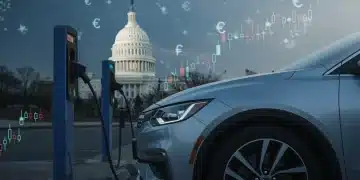
2026 Federal EV Tax Credits: Financial Impact & Updates
The 2026 federal tax credits for new electric vehicle purchases offer significant financial incentives for US consumers, influencing adoption rates and shaping the automotive market by reducing upfront costs.
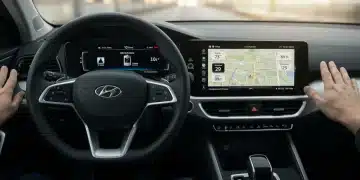
EV Telematics Systems 2026: Top 3 Comparison
This article provides an in-depth comparison of the top three electric vehicle (EV) telematics systems projected for 2026, analyzing their key features, benefits, and how they are set to revolutionize fleet management and individual EV ownership.

EV Availability 2026: Supply Chain Changes & Updates
The **impact of supply chain changes on EV availability in early 2026 (recent updates)** is a critical factor influencing the electric vehicle market, with ongoing adjustments shaping production and consumer access across the United States.
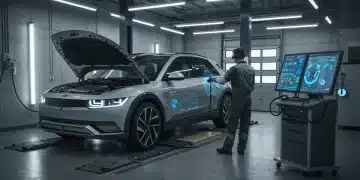
EV Maintenance Landscape 2026: 7 Key Considerations & Solutions
The evolving EV maintenance landscape in 2026 demands strategic approaches to battery health, software updates, and specialized technician training, ensuring vehicle longevity and optimal performance for electric car owners.
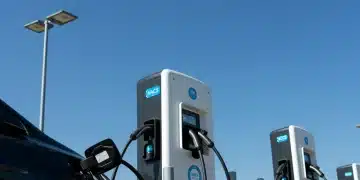
Federal EV Charging Standards: What US Drivers Need to Know
By January 2026, new federal EV charging standards will mandate NACS compatibility and specific uptime requirements for publicly funded chargers, significantly impacting US drivers and the national charging infrastructure.

Electric vehicle incentives for urban drivers: what to know
Electric vehicle incentives for urban drivers can help reduce costs and promote sustainability. Discover how you can benefit today!
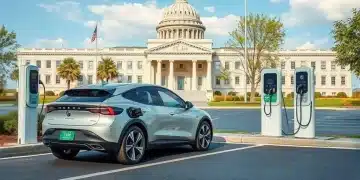
Electric vehicle updates on government incentives: what to know
Electric vehicle updates on government incentives can significantly reduce costs. Explore how these incentives affect your purchase today!
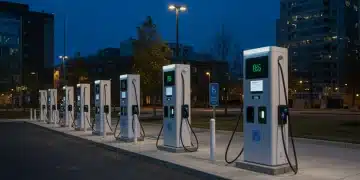
US EV Charging Infrastructure: 3 Key Updates on Public Charger Deployment
Recent advancements in US electric vehicle charging infrastructure, highlighted by three crucial updates in public charger deployment over the past three months, signify a pivotal shift towards widespread EV adoption.
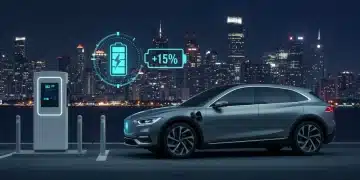
2025 EV Battery Breakthroughs: 15% Range Boost for Next-Gen Models
The 2025 EV battery breakthroughs are set to revolutionize electric vehicles, offering a significant 15% increase in range for next-generation models, directly addressing consumer concerns about charging infrastructure and driving longer distances.

Electric vehicle updates on market growth
Electric vehicle updates on market growth reveal trends shaping the future of automotive industry.