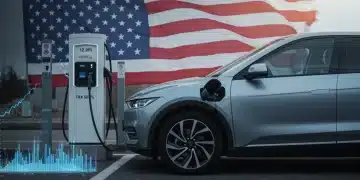
2026 EV Tax Credits: What US Buyers Must Know Before January 1
The landscape of electric vehicle incentives is set to evolve significantly with the 2026 EV tax credits. This comprehensive guide helps US buyers navigate upcoming changes, understand eligibility requirements, and strategically plan their EV purchase to maximize potential savings before January 1.
Smart City Efficiency: AI Integration for Urban Optimization by 2026
Uncover the transformative power of Smart City AI in achieving a 15% urban efficiency increase by 2026. This post delves into integrated AI solutions, their impact, and the future of intelligent urban living.

Autonomous Vehicle Regulations: Key Updates for Q1 2026 in the United States
Explore the critical autonomous vehicle regulations and policy shifts anticipated or implemented in Q1 2026 across the United States. This comprehensive guide covers federal and state developments, safety standards, and the legal implications shaping the integration of autonomous technology into daily life.
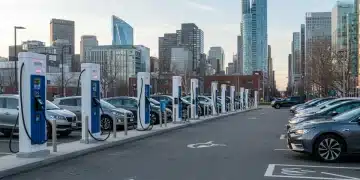
EV Charging Infrastructure: US Expansion & Investment Outlook (3 Months)
This article provides a 3-month outlook on the expansion and investment opportunities within the US electric vehicle charging infrastructure. We delve into policy drivers, technological advancements, and key market trends shaping this rapidly evolving sector.

Urban Air Mobility US 2026: A Comprehensive Guide to Future Flight
Delve into the exciting landscape of Urban Air Mobility in the US, focusing on developments leading up to 2026. Understand the technological advancements, regulatory frameworks, and infrastructure challenges shaping this revolutionary mode of transport.

Future of Public Transit: Connected Vehicles by 2026
By 2026, connected vehicles are set to revolutionize US public transit, promising enhanced operational efficiency, improved safety, and a more seamless passenger experience through advanced data exchange and intelligent infrastructure integration.
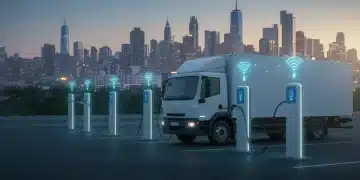
Fleet Electrification US: 20% Cost Reduction by 2026 Tech
Achieving a 20% cost reduction in US fleet electrification by 2026 is a tangible goal, driven by advanced technological integration and strategic operational shifts, promising significant financial and environmental benefits.

Smart Traffic Management: US Cities to Cut Congestion by 10% in 2026
By 2026, US cities aim to reduce traffic congestion by 10% through advanced smart traffic management systems, integrating AI, IoT, and real-time data analytics to optimize urban flow and enhance mobility.
Hydrogen Fuel Cell Vehicles: US Market Readiness & 2026 Adoption
By 2026, hydrogen fuel cell vehicles in the US face critical infrastructure hurdles and cost barriers, yet significant governmental and private investments are poised to accelerate market readiness and adoption rates.

5G’s Impact on US Transportation: Enhancing Mobility by 2026
By 2026, 5G technology is poised to profoundly transform US transportation systems, enabling enhanced connectivity, real-time data exchange, and the widespread adoption of autonomous and intelligent mobility solutions nationwide.