Electric vehicle incentives for urban drivers: what to know

Electric vehicle incentives for urban drivers significantly reduce purchase costs, promote cleaner air, and encourage sustainable transportation solutions within cities.
Electric vehicle incentives for urban drivers are becoming a vital resource as cities promote sustainability. Have you ever wondered how these perks can change your daily commute and save you money? Let’s dive into the details!
Understanding electric vehicle incentives
Understanding electric vehicle incentives is essential for urban drivers looking to save money while contributing to a greener environment. These incentives can take many forms and offer significant financial benefits.
Types of Electric Vehicle Incentives
Understanding the different types available can help you make informed decisions. In general, electric vehicle incentives fall into two main categories:
- Federal Incentives: Tax credits and deductions can help lower the initial purchase cost.
- State and Local Incentives: Many states offer rebates or grants for electric vehicle purchases, as well as reduced registration fees.
- Charging Station Incentives: Some programs include funding for the installation of home charging stations, making it more convenient for you.
These incentives can significantly impact your total investment when purchasing an electric vehicle. Many urban areas are also introducing additional perks for electric vehicle drivers.
Benefits of Electric Vehicle Incentives
Taking advantage of these incentives provides not just financial relief but also environmental benefits. By choosing an electric vehicle, you contribute to reducing greenhouse gas emissions while benefiting from various urban initiatives designed to make electric driving easier.
Furthermore, several cities are making it easier to use electric vehicles with dedicated lanes, charging stations, and parking solutions. This level of support encourages more residents to transition to electric mobility, fostering a sustainable future.
As you explore the options available, it’s crucial to stay updated on any changes to these initiatives. Each year, programs may adjust, and more incentives could become available, expanding the opportunities for cost savings and environmental impact.
Types of incentives available for urban drivers

When considering electric vehicle incentives, it’s important to understand the types of incentives available for urban drivers. These incentives can greatly reduce the cost of owning an electric vehicle, making them a more attractive option.
Federal Incentives
On a federal level, there are several incentives that can help offset the cost of electric vehicle purchases. These include:
- Tax Credits: A significant tax credit can lower your tax bill, potentially saving thousands.
- Grants: Some programs provide grants to reduce the purchase price of eligible electric vehicles.
- Rebates: Instant rebates at the time of purchase can make electric vehicles more affordable right away.
These federal incentives are designed to encourage you to choose electric vehicles and reduce emissions.
State and Local Incentives
Many states offer additional incentives to make electric vehicles more appealing. These can differ widely, but typically include:
- Rebates: Cash back for purchasing a new electric vehicle can help reduce overall costs.
- Reduced Registration Fees: Some states waive or lower registration fees for electric vehicle owners.
- Access to HOV Lanes: Electric vehicles may get access to carpool lanes, saving time in traffic.
Local municipalities may also offer their own unique incentives, such as free public charging stations or discounts on parking fees for electric vehicle drivers. These incentives can enhance the appeal of electric vehicles and support a shift toward greener urban living.
As you explore your options, make sure to check both federal and state programs to maximize your savings. Keeping informed about changes to these incentive programs can help ensure that you take full advantage of available opportunities.
How to apply for electric vehicle incentives
Applying for electric vehicle incentives can seem complex, but it’s straightforward once you know the steps. Understanding how to navigate this process can help you save money when purchasing your electric vehicle.
Research Available Incentives
First, it’s essential to research the incentives that apply to you. Look for both federal and state programs that offer assistance for electric vehicle purchases. You can usually find this information on government websites or local energy offices.
- Federal Programs: Check the IRS website for federal tax credits specific to electric vehicle buyers.
- State Programs: Visit your state’s energy department website for details on state-specific rebates and incentives.
- Local Initiatives: Some cities may have their own incentives, so check with local government websites.
Gathering this information will provide a clear view of the possibilities that can help reduce your purchase price.
Prepare Your Application
Once you have identified the incentives for which you qualify, the next step is preparing your application. Gather all necessary documents, which may include:
- Proof of Purchase: Keep your sales receipt and any other documents related to the purchase.
- Vehicle Information: Have details like the make, model, and year of your electric vehicle ready.
- Personal Information: You may need to provide your tax information for federal incentives.
Having all relevant documents on hand will make applying much smoother.
Submit Your Application
After preparing your application, it’s time to submit it. Each incentive program will have its own submission process, so be sure to follow these instructions carefully. Some applications can be completed online, while others may require mailing in physical paperwork.
After submitting your application, keep track of its status. Most programs provide a timeline for when you can expect to hear back. If you don’t receive a response within the estimated time, it’s okay to follow up.
Lastly, stay informed about updates or changes to the incentive programs. Being proactive can ensure you don’t miss out on new opportunities that may arise in the future.
The impact of incentives on urban transportation
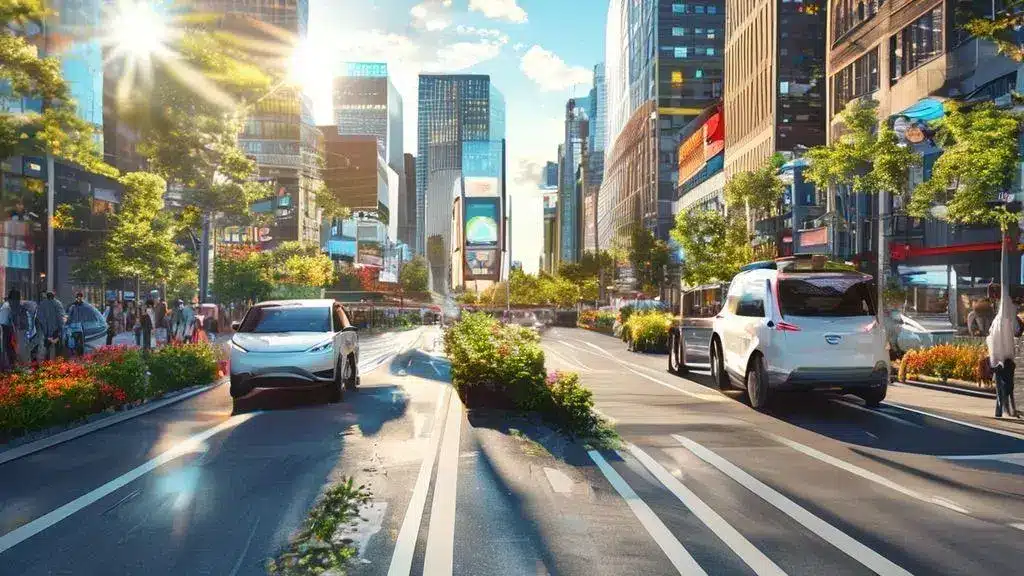
The impact of incentives on urban transportation is significant as they encourage more drivers to switch to electric vehicles. This has positive effects on traffic, air quality, and overall city sustainability.
Reducing Traffic Congestion
One major benefit of electric vehicle incentives is the potential for reducing traffic congestion. As more people adopt electric vehicles, the total number of vehicles needing to be stored or driven decreases. This can lead to smoother traffic flow in cities.
- Carpool Lanes: Many cities allow electric vehicles to use carpool lanes, encouraging more drivers to share rides.
- Reduced Parking Demand: With fewer cars on the road, the need for parking spaces decreases, benefiting urban areas.
- Mobility Solutions: Electric vehicles can be incorporated into shared mobility programs, further reducing the number of cars needed.
This shift towards electric options can create a more efficient transportation system.
Improving Air Quality
Electric vehicles produce zero tailpipe emissions, reducing air pollution in urban areas. When more drivers choose electric options, improving air quality becomes a viable goal. Less pollution contributes to the overall health of city residents. Cities with more electric vehicles often see a significant drop in respiratory issues and other health problems related to air quality.
Incentives also promote the use of renewable energy sources for charging electric vehicles, further enhancing their environmental benefits.
Supporting Sustainable Urban Development
Incentives promote not just electric car usage but also sustainable development within cities. Urban planners can create more bike lanes, green spaces, and pedestrian-friendly areas, knowing that fewer traditional vehicles will be on the road. This can lead to improved living conditions in urban environments.
Additionally, encouraging electric vehicle use aligns city policies with climate action goals. As cities strive to meet sustainability targets, these incentives play a crucial role in shaping the future of urban transit.
In conclusion, electric vehicle incentives significantly impact urban transportation by encouraging drivers to make sustainable choices. These incentives not only help reduce costs for buyers but also promote benefits like improved air quality and decreased traffic congestion. As more people embrace electric vehicles, cities can become cleaner and greener. By understanding and utilizing these incentives, urban drivers can contribute to a brighter, more sustainable future for everyone.
FAQ – Electric Vehicle Incentives for Urban Drivers
What are the main benefits of electric vehicle incentives?
Electric vehicle incentives help reduce purchase costs, improve air quality, and decrease traffic congestion in urban areas.
How can I find available electric vehicle incentives?
You can find available incentives by checking federal and state government websites or local energy offices for updated programs.
What documents do I need to apply for these incentives?
Typically, you will need proof of purchase, vehicle information, and possibly your tax details for federal incentives.
Are there incentives available at the local level?
Yes, many cities offer unique incentives, such as rebates, reduced parking fees, and access to carpool lanes for electric vehicles.