Electric vehicle updates on government incentives: what to know
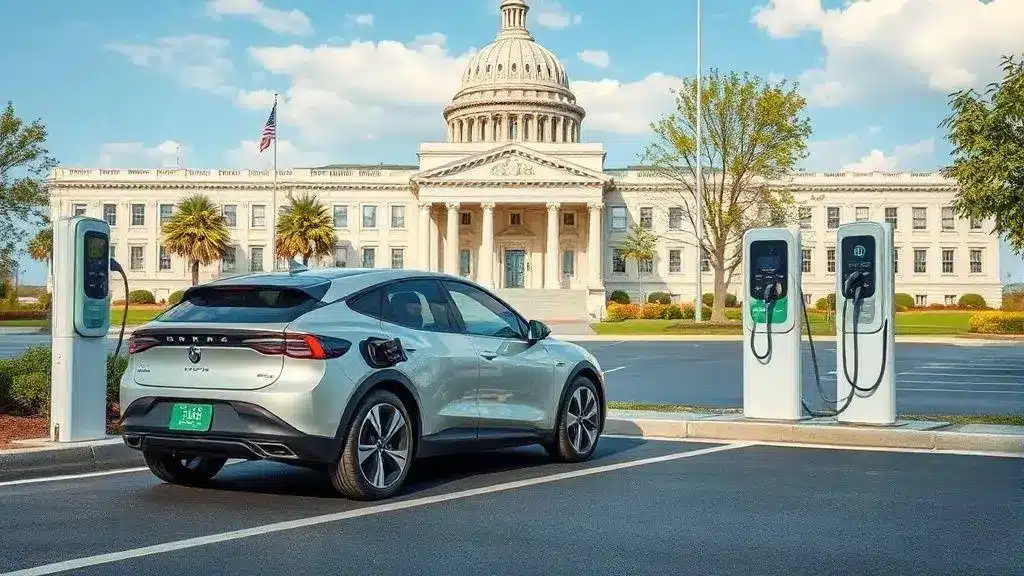
Government incentives for electric vehicles lower costs through rebates and tax credits, significantly boosting adoption and encouraging a shift towards sustainable transportation.
Electric vehicle updates on government incentives are a hot topic as more people consider the switch to eco-friendly transportation. Are you curious about how these incentives can ease your purchase and enhance your driving experience?
Current government incentives for electric vehicles
Understanding the current government incentives for electric vehicles is essential for anyone considering a purchase. These incentives can significantly lower the overall cost of owning an electric vehicle, making it an attractive choice.
Types of Incentives
Different types of incentives are available, depending on where you live. Some common incentives include tax credits, rebates, and grants. These help make electric vehicle ownership more accessible and affordable.
- Federal tax credits: Many countries offer substantial tax credits for electric vehicle purchases.
- State rebates: Individual states often provide additional rebates on top of federal incentives.
- Local benefits: Some local governments may offer special perks, like reduced parking fees or access to carpool lanes.
- Utility incentives: Certain utility companies provide discounts on charging or additional subsidies for electric vehicle owners.
As you explore your options, it’s important to research which incentives apply to your situation. Keep in mind that these incentives can change, influenced by government policies and budget allocations. Staying updated can help you take full advantage of what’s available.
Eligibility Requirements
Each incentive may come with specific eligibility requirements. For instance, some tax credits are only available for certain models or price ranges. To ensure you qualify, it’s beneficial to check the guidelines
- Vehicle qualifications: Confirm that your selected vehicle meets the requirements for the incentive.
- Income limits: Some incentives have limits based on your income, so be sure to review these details.
- Application process: Understand the application process before purchasing; some incentives require you to apply in advance.
In summary, being informed about the current government incentives for electric vehicles can lead to significant savings. With various options available, you can make a more educated decision about your electric vehicle purchase.
Impact of incentives on electric vehicle adoption
The impact of incentives on electric vehicle adoption has been significant over the past few years. Informing potential buyers about these incentives can greatly influence their decision to switch from gasoline to electric.
Boost in Sales
Since the introduction of government incentives, sales of electric vehicles have surged. Lower prices due to rebates encourage more people to invest in electric cars. This surge helps increase the number of electric vehicles on the road.
- Tax credits: Federal tax credits directly reduce the purchase price, making electric vehicles more affordable.
- State and local rebates: Additional incentives at the state and local levels provide even more savings.
- Increased awareness: As more buyers enter the market, general awareness of electric vehicles grows.
The growing presence of electric vehicles in communities positively impacts how consumers perceive these cars. When electric vehicles become common sights on the roads, they often lead to greater acceptance and interest.
Environmental Benefits
Another important aspect of adopting electric vehicles is their environmental impact. Incentives not only make electric vehicles more attractive to buyers but also promote a shift towards cleaner energy. As more people choose electric over traditional vehicles, we see a corresponding decline in carbon emissions.
- Reduced pollution: Electric vehicles produce zero tailpipe emissions, leading to cleaner air.
- Lower carbon footprint: Increased electric vehicle usage contributes to reduced greenhouse gases.
- Advancements in green technology: Demand for electric vehicles leads to more innovations in sustainable tech.
As we see these positive changes, the role of incentives becomes clear. They are vital not just for boosting sales but also for fostering a more sustainable future.
Challenges with the application of incentives
While the application of incentives for electric vehicles has many benefits, it also comes with a range of challenges. Understanding these obstacles is crucial for policymakers and consumers alike.
Complex Eligibility Criteria
Many incentives have specific and sometimes complicated eligibility criteria. These can confuse potential buyers and lead to missed opportunities. For instance, some incentives only apply to certain models or require the vehicle to meet particular specifications.
- Varying state rules: Different states may have different requirements, making it hard to navigate.
- Income limits: Some incentives limit eligibility based on the buyer’s income, potentially excluding many middle-class families.
- Documentation: Applicants often face a challenging documentation process to prove eligibility.
These complexities can discourage buyers from pursuing the incentives that could make electric vehicle ownership more accessible.
Limited Awareness
Many consumers are simply unaware of the available incentives. This lack of knowledge can significantly impact electric vehicle adoption. Without proper marketing and education, potential buyers might overlook or misunderstand the benefits of these programs.
- Low visibility: Incentives may not be well-promoted in local dealerships or online platforms.
- Miscommunication: Confusing messages about the incentives can lead to skepticism.
- Need for education: More educational programs are needed to inform buyers correctly.
Awareness plays a critical role in encouraging more buyers to consider electric vehicles. Overcoming this challenge requires effective communication strategies.
Funding Limitations
Another challenge lies in the funding for these incentive programs. Many programs face budget constraints that limit their effectiveness. As a result, some incentives may not be sustainable over time.
- Annual budget caps: Programs often have a limited budget that can be exhausted quickly.
- Political factors: Changes in government can impact funding and sustainment of these initiatives.
- Potential for reductions: Incentives may be cut or reduced during budgetary constraints.
Addressing these funding issues is crucial to ensure that incentives remain effective in promoting electric vehicle adoption.
Future trends in electric vehicle incentives
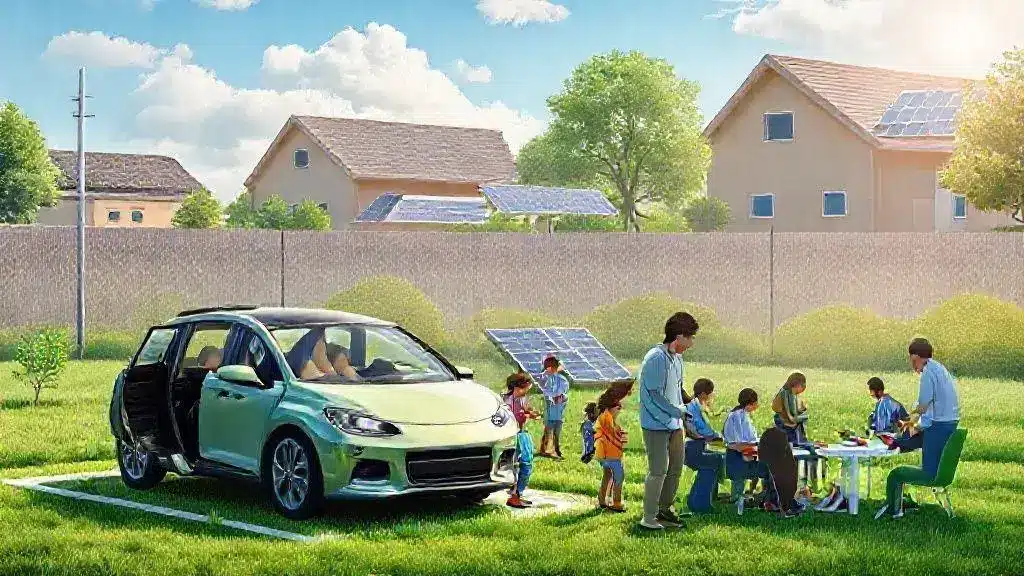
The future trends in electric vehicle incentives are evolving quickly. As governments aim to increase the adoption of electric vehicles, new strategies and initiatives are emerging.
Increased Financial Support
One of the most significant trends is the possibility of enhanced financial support for electric vehicle buyers. Policymakers understand that direct savings can greatly encourage purchases. This support may come in the form of larger rebates, higher tax credits, or even financing options with lower interest rates.
- Cash rebates: More states may introduce cash rebates that offer instant savings at the point of sale.
- Expanded tax credits: Expanding the federal tax credit eligibility to include more models could boost sales.
- Low-interest loans: Innovative financing options will make it easier for consumers to afford electric vehicles.
These financial incentives will likely play a crucial role in making electric vehicles a realistic choice for more buyers.
Sustainable Energy Incentives
As focus on sustainability grows, future incentives may also incorporate support for renewable energy options. This means electric vehicle incentives might be paired with initiatives for solar energy adoption, home battery systems, or energy-efficient appliances. The combination will not only benefit consumers but also support the overall reduction of carbon emissions.
- Home charging rebates: Incentives for installing home charging stations powered by solar energy could become popular.
- Integrated energy solutions: Packages that include both electric vehicle purchase and home energy efficiency improvements might be developed.
- Energy production credits: Incentives for producing renewable energy at home could further promote electric vehicle adoption.
This integration of sustainability will further enhance the appeal of electric vehicles and encourage more consumers to make the switch.
Enhanced Consumer Education
Future trends also point toward a need for improved consumer education on available incentives. As the electric vehicle market grows, so does the complexity of available financial supports. Educational campaigns will be essential in ensuring potential buyers understand their options.
- Workshops and seminars: Local governments might organize events to explain available incentives.
- Online resources: Detailed websites and applications could provide real-time information on incentives.
- Targeted marketing: Outreach strategies that focus on various demographics may help clarify incentive programs.
Increased education can empower consumers, helping them make informed choices about electric vehicle purchases.
FAQ – Frequently Asked Questions about Electric Vehicle Incentives
What are the main benefits of electric vehicle incentives?
Electric vehicle incentives can reduce the purchase price through rebates and tax credits, making it more affordable for consumers.
How do state incentives differ from federal incentives?
State incentives vary by region and may offer additional rebates or benefits on top of federal tax credits, often tailored to local policies.
Are there eligibility requirements for these incentives?
Yes, eligibility requirements can include specific vehicle models, income limits, and documentation processes that buyers must navigate.
How can I stay informed about the latest electric vehicle incentives?
You can stay informed through government websites, dealership resources, and local workshops that provide updates and education on available incentives.