EV Availability 2026: Supply Chain Changes & Updates
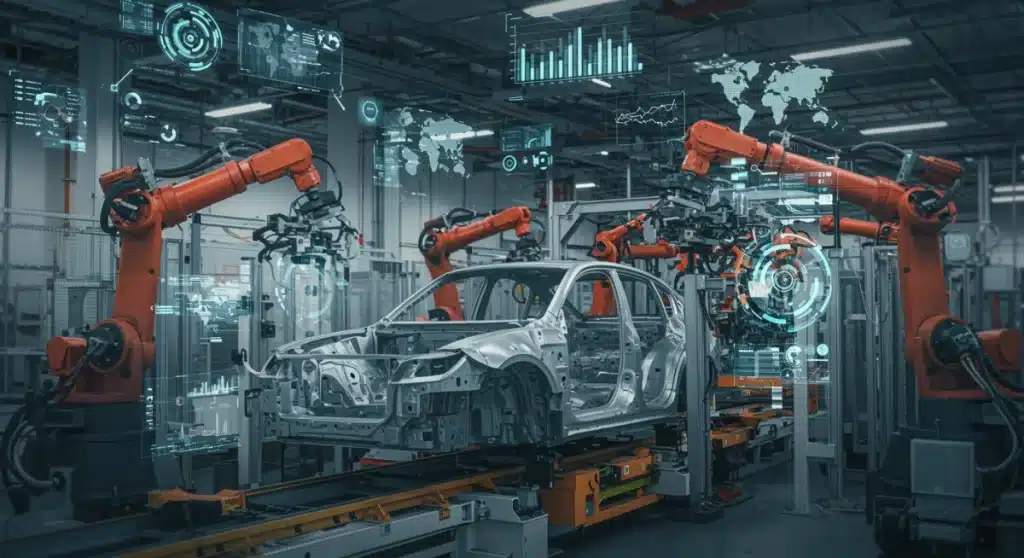
The impact of supply chain changes on EV availability in early 2026 (recent updates) is profoundly shaping the electric vehicle market, necessitating strategic adaptations from manufacturers to meet evolving consumer demand and regulatory pressures.
The landscape of electric vehicles is rapidly evolving, with significant attention now turning to the impact of supply chain changes on EV availability in early 2026 (recent updates). As the automotive industry accelerates its transition to electric, understanding the intricate web of global supply chains becomes paramount. This article delves into the critical factors at play, from raw material sourcing to manufacturing logistics, and how these dynamics are poised to influence the accessibility of EVs for consumers in the United States by early 2026. We will explore recent developments and provide insights into what the future holds for EV enthusiasts and the broader market.
The Current State of EV Supply Chains
The current EV supply chain is a complex ecosystem, characterized by global interdependencies and inherent vulnerabilities. From the extraction of critical minerals to the assembly of sophisticated battery packs and vehicle components, each stage presents unique challenges. The initial surge in EV demand post-pandemic, coupled with geopolitical tensions, exposed fragilities that manufacturers are now actively addressing.
Historically, reliance on single-source suppliers or specific geographic regions for key components, particularly battery materials, has been a major bottleneck. This concentration created significant risks, leading to production delays and increased costs. The industry is now witnessing a concerted effort to diversify sourcing and build more resilient regional supply networks.
Geopolitical Influences on Raw Material Sourcing
Geopolitical factors play an undeniable role in the availability and pricing of essential EV raw materials. Nations rich in lithium, cobalt, and nickel often find themselves at the center of global trade negotiations and sometimes, disputes. This dynamic directly impacts the stability of supply for EV manufacturers worldwide.
- Lithium: Primarily sourced from Australia, Chile, and China, with new projects emerging in North America and Europe.
- Cobalt: A significant portion comes from the Democratic Republic of Congo, raising ethical and supply stability concerns.
- Nickel: Indonesia and the Philippines are major producers, influencing global supply and pricing.
These influences underscore the need for manufacturers to engage in long-term contracts and strategic partnerships to secure future supplies and mitigate risks associated with volatile international relations. The drive for domestic sourcing is also gaining momentum in many regions.
In conclusion, the current state of EV supply chains is one of transition and adaptation. Lessons learned from recent disruptions are driving strategic shifts towards greater resilience and diversification, aiming to stabilize the flow of materials and components essential for EV production.
Battery Technology and Production Capacity in 2026
By early 2026, advancements in battery technology and significant expansions in production capacity are expected to profoundly influence EV availability. The race to develop more energy-dense, cost-effective, and sustainable batteries is intensifying, with various chemistries competing for market dominance. These innovations are not just about performance; they are also about reducing reliance on scarce or ethically problematic materials.
Manufacturers are investing billions into new gigafactories globally, signaling a clear commitment to scaling up battery production. This includes both established automotive players and dedicated battery manufacturers. The goal is to meet the projected exponential growth in EV demand over the next few years.
Innovations Driving Battery Evolution
Several key innovations are shaping the future of EV batteries, promising enhanced performance and reduced environmental impact. These technological leaps are crucial for both cost reduction and wider adoption.
- Solid-State Batteries: Offering higher energy density and improved safety, solid-state batteries are nearing commercialization, potentially revolutionizing EV range and charging times.
- Sodium-Ion Batteries: A more abundant and cheaper alternative to lithium-ion, sodium-ion batteries are gaining traction for entry-level EVs and energy storage solutions.
- Advanced Cathode Chemistries: Development of new cathode materials aims to reduce or eliminate cobalt, further diversifying the material supply chain and improving sustainability.
The expansion of production capacity is equally vital. New facilities are being built with advanced manufacturing techniques to increase output efficiency and reduce lead times. This scale-up is essential to prevent battery shortages from becoming a limiting factor for overall EV production.

Ultimately, the synergy between technological innovation and increased production capacity will be a primary driver of improved EV availability in early 2026. These advancements are set to make electric vehicles more accessible and appealing to a broader consumer base.
Logistical Hurdles and Solutions for EV Distribution
Even with robust production, the journey of an EV from factory to consumer is fraught with logistical hurdles. The sheer size and weight of EV batteries, coupled with global shipping complexities, present unique challenges for distribution networks. Efficient logistics are critical to ensuring the timely EV availability in early 2026 consumers expect.
The automotive industry relies heavily on just-in-time manufacturing, which can be vulnerable to disruptions. Port congestion, labor shortages, and unexpected events like natural disasters can all impact delivery schedules. Manufacturers are now re-evaluating their logistical strategies to build greater resilience and flexibility into their systems.
Optimizing Global Shipping and Local Delivery
To overcome these challenges, companies are implementing various strategies aimed at streamlining the transport of EVs and their components. This includes leveraging technological solutions and forming strategic alliances.
- Digital Logistics Platforms: Utilizing AI and machine learning to optimize shipping routes, track inventory in real-time, and predict potential delays.
- Regional Hubs: Establishing localized assembly and distribution centers to reduce long-distance shipping of complete vehicles and critical components.
- Intermodal Transport: Increasing the use of rail and short-sea shipping alongside traditional road transport to diversify delivery methods and reduce reliance on single modes.
Furthermore, the infrastructure for charging and servicing EVs also needs to keep pace with increased availability. This includes developing robust charging networks and training a skilled workforce for maintenance and repair. Solving these logistical puzzles is crucial for unlocking the full potential of the EV market.
In summary, while production capacity and battery technology are advancing, effective logistical solutions for distribution remain a key factor influencing the ultimate EV availability in early 2026. Strategic investments in infrastructure and technology are vital to ensure a smooth transition from factory to driveway.
Government Policies and Incentives’ Role
Government policies and incentives play a pivotal role in shaping the EV market, directly influencing both consumer demand and manufacturing capabilities. In the United States, a combination of federal and state-level initiatives is designed to accelerate EV adoption and strengthen the domestic supply chain, which will significantly impact EV availability in early 2026.
These policies often aim to reduce the upfront cost of EVs for consumers, encourage the development of charging infrastructure, and incentivize local production of batteries and components. The goal is to create a self-sustaining EV ecosystem that reduces reliance on foreign supply chains and fosters economic growth.
Key Policy Drivers for EV Adoption
Various legislative acts and programs are actively shaping the EV landscape, providing both carrots and sticks to encourage the transition to electric mobility.
- Inflation Reduction Act (IRA): Offers significant tax credits for new and used EVs, with stringent requirements for battery component sourcing and manufacturing in North America.
- Infrastructure Investment and Jobs Act (IIJA): Allocates substantial funding for building a national EV charging network, addressing a major barrier to adoption.
- State-Level Incentives: Many states offer additional rebates, tax credits, and non-monetary benefits like HOV lane access, further sweetening the deal for EV buyers.
These policies not only make EVs more affordable but also drive investment in domestic manufacturing and mineral processing. The IRA, in particular, is a game-changer, pushing automakers to localize their supply chains to ensure their vehicles qualify for the full tax credit, directly impacting where EVs are produced and how quickly they become available.
Therefore, the ongoing evolution of government policies and incentives will continue to be a primary determinant of EV availability in early 2026. Their influence extends from consumer purchasing decisions to the strategic investments made by manufacturers in their supply chains.
Anticipated Market Trends and Consumer Behavior
Understanding anticipated market trends and shifts in consumer behavior is crucial for forecasting EV availability in early 2026. As electric vehicles become more mainstream, consumer expectations are evolving, moving beyond early adopters to a broader segment of the population. This shift demands a wider variety of EV models, more competitive pricing, and a robust charging infrastructure.
The market is expected to diversify significantly, offering everything from affordable compact EVs to electric trucks and SUVs. This expansion in choice is critical for attracting new buyers who might have previously found the options too limited or expensive. The perception of EVs is also changing, moving from niche technology to a viable and often superior alternative to gasoline cars.
Evolving Consumer Demands and Preferences
Consumer behavior is being influenced by several factors, leading to specific demands from the EV market. Manufacturers are keenly observing these trends to tailor their offerings effectively.
- Affordability: A growing demand for more budget-friendly EV options to make electric mobility accessible to a wider demographic.
- Range Anxiety Mitigation: Continued improvements in battery range and the expansion of charging networks are alleviating concerns about running out of power.
- Charging Infrastructure: The availability and reliability of public and home charging solutions remain a top priority for potential EV buyers.
- Vehicle Type Diversity: Increased interest in electric versions of popular vehicle segments, such as SUVs, pickup trucks, and minivans.
Furthermore, sustainability and environmental impact are increasingly influencing purchasing decisions, with many consumers seeking greener transportation options. The ease of maintenance and lower running costs compared to internal combustion engine vehicles also contribute to their appeal. These trends collectively indicate a maturing market that will drive both demand and, consequently, the EV availability in early 2026.
Ultimately, the interplay of market trends and evolving consumer behavior will dictate the success of EV adoption and the types of vehicles that dominate the market. Manufacturers must remain agile to meet these changing preferences and capitalize on growth opportunities.
Regional Manufacturing and Supply Chain Reshaping
The reshaping of global supply chains towards more regional manufacturing is a significant development that will heavily influence EV availability in early 2026. The COVID-19 pandemic and subsequent geopolitical tensions highlighted the vulnerabilities of highly globalized supply networks, prompting a strategic shift towards localization and regionalization. This trend is particularly pronounced in the EV sector, given the strategic importance of battery production and critical mineral processing.
Governments and automakers are investing heavily in establishing domestic or regional supply chains for EV components, especially batteries. This not only reduces reliance on distant suppliers but also shortens lead times, improves quality control, and creates local jobs. The United States, for example, is actively promoting the establishment of gigafactories and mineral processing facilities within its borders or with close allies.
Advantages of Localized Production
Shifting towards regional manufacturing offers several compelling benefits that contribute to a more stable and efficient EV supply chain.
- Reduced Lead Times: Shorter distances for component transport mean quicker delivery to assembly lines, speeding up overall production.
- Enhanced Resilience: Less exposure to international shipping disruptions, trade disputes, and geopolitical instability.
- Economic Benefits: Creation of local jobs, fostering technological expertise, and boosting regional economies.
- Improved Sustainability: Reduced carbon footprint from transportation of materials and finished goods.
This strategic realignment is not without its challenges, including the high upfront investment required for new facilities and the need to develop a skilled workforce. However, the long-term benefits of a more secure and efficient supply chain for EVs are driving these significant investments.
In essence, the move towards regional manufacturing is a transformative force, aiming to create more robust and responsive supply chains. This strategic pivot is expected to play a crucial role in ensuring and improving EV availability in early 2026 for consumers.
Forecasting EV Availability in Early 2026
Based on the current trajectory of supply chain adjustments, technological advancements, and policy support, forecasting EV availability in early 2026 suggests a significantly improved, though still dynamic, market. While challenges persist, the concerted efforts across the industry and government are expected to yield tangible results, making electric vehicles more accessible to the average consumer.
The early part of 2026 is likely to see a greater diversity of EV models, including more affordable options, as battery costs continue to decline and production scales up. Supply chain resilience will be enhanced by regionalization efforts, reducing the impact of unforeseen global disruptions. However, specific models or new technologies might still experience initial wait times as demand continues to outpace immediate supply.
Key Factors Influencing Future Availability
Several critical elements will continue to shape the landscape of EV availability as we approach early 2026 and beyond.
- Raw Material Security: Ongoing efforts to diversify sourcing and increase domestic processing of critical minerals.
- Battery Production Scale: The successful ramp-up of new gigafactories and the efficiency of battery manufacturing processes.
- Logistical Efficiency: The ability of distribution networks to handle increased volumes and navigate global complexities.
- Policy Stability: Consistent government support and incentives to drive both demand and supply.
The market will likely shift from a seller’s market, characterized by long waitlists and limited choices, to one with more competitive offerings and readily available vehicles. This positive outlook is contingent upon the continued successful implementation of current strategies and the industry’s ability to adapt to emerging challenges.
In conclusion, while the path to widespread EV availability in early 2026 is not without its complexities, the significant investments and strategic shifts underway point towards a more robust and responsive market. Consumers can anticipate a broader selection and improved accessibility for electric vehicles.
| Key Point | Brief Description |
|---|---|
| Supply Chain Diversification | Manufacturers are expanding sourcing beyond single regions to enhance resilience and stability. |
| Battery Technology & Capacity | Innovations and massive gigafactory investments are boosting battery production and efficiency. |
| Government Incentives | Policies like the IRA are driving domestic production and consumer adoption through tax credits. |
| Regional Manufacturing | Shift towards localized production reduces lead times and enhances supply chain resilience. |
Frequently Asked Questions About EV Availability in 2026
Primary factors include the global supply of critical raw materials for batteries, ongoing geopolitical influences on trade, the expansion of battery manufacturing capacity, and the efficiency of global and regional logistics networks. Government policies and consumer demand also play significant roles in shaping the market.
Advancements in battery technology, such as solid-state and sodium-ion batteries, are expected to reduce production costs, improve energy density, and diversify material sourcing. This will lead to more affordable EVs with better range, ultimately increasing overall EV availability in early 2026.
Yes, government incentives like federal tax credits and state-level rebates are anticipated to remain highly relevant. These policies encourage consumer adoption by making EVs more affordable, and also drive manufacturers to localize supply chains to meet eligibility requirements, thus boosting domestic EV availability in early 2026.
Regional manufacturing significantly enhances supply chain resilience by reducing reliance on distant suppliers and minimizing exposure to global disruptions. Localized production shortens lead times, improves quality control, and supports domestic economies, contributing to more stable and predictable EV availability in early 2026.
Significant investments from both public and private sectors are being made to expand EV charging infrastructure. While challenges remain in certain areas, the overall trend points towards a more robust and accessible charging network by early 2026, supporting the anticipated increase in EV availability in early 2026.
Conclusion
The impact of supply chain changes on EV availability in early 2026 (recent updates) paints a picture of a dynamic and rapidly maturing market. While complexities in raw material sourcing, geopolitical tensions, and logistical challenges persist, the collective efforts of automakers, battery manufacturers, and governments are driving significant improvements. Strategic shifts towards diversification, regional manufacturing, and technological advancements in battery chemistry are all contributing to a more resilient and efficient supply chain. Consumers in the United States can look forward to a broader selection of electric vehicles, more competitive pricing, and improved accessibility as these changes take hold. The journey to a fully electric future is well underway, with early 2026 poised to be a pivotal period for EV accessibility and market growth.