Integrated Data Platforms Boost US Public Transit Efficiency
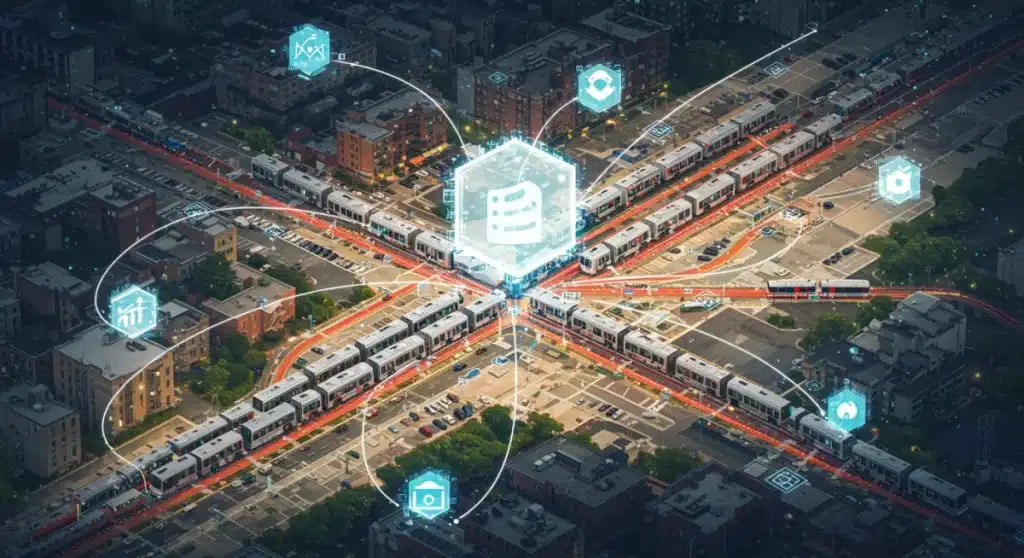
Integrated data platforms are poised to revolutionize urban mobility across the U.S., with projections indicating a significant 12% improvement in public transit efficiency by 2025 through enhanced operational insights and coordinated services.
Imagine a public transit system that anticipates your needs, minimizes delays, and adapts seamlessly to changing urban dynamics. This isn’t a futuristic dream but a tangible goal, as The Future of Urban Mobility: How Integrated Data Platforms Can Improve Public Transit Efficiency by 12% Across U.S. Systems by 2025 becomes an increasingly vital conversation.
The promise of integrated data platforms in urban transit
Integrated data platforms are emerging as a cornerstone for modernizing public transit. These sophisticated systems consolidate vast amounts of information from various sources, ranging from vehicle telemetry and passenger counts to traffic patterns and weather conditions. By bringing all this data together, transit authorities gain an unprecedented level of insight into their operations.
The core idea behind these platforms is to move beyond siloed data, where information resides in separate, incompatible systems. This integration allows for a holistic view of the transit ecosystem, enabling more informed decision-making and proactive problem-solving. This shift is not merely about collecting more data; it’s about making that data actionable and accessible to improve every facet of public transportation.
Understanding data integration challenges
While the benefits are clear, integrating diverse data sources presents significant technical and organizational hurdles. Legacy systems, varying data formats, and the sheer volume of information can be daunting. However, overcoming these challenges is crucial for unlocking the full potential of data-driven transit.
- Data standardization: Ensuring all data speaks the same language, regardless of its origin.
- Interoperability: Allowing different systems to communicate and exchange data seamlessly.
- Security and privacy: Protecting sensitive passenger and operational data from breaches.
- Scalability: Designing systems that can grow and adapt as data volumes increase and technologies evolve.
Ultimately, the promise of integrated data platforms lies in their capacity to transform reactive transit management into a predictive and adaptive model. This evolution is essential for meeting the growing demands of urban populations and fostering sustainable mobility solutions.
Enhancing operational efficiency through real-time insights
Real-time data is the lifeblood of an efficient public transit system. Integrated data platforms provide this critical component, offering operators and planners immediate access to information that can significantly impact daily operations. This capability transforms how transit agencies respond to disruptions, optimize routes, and manage their fleet.
Consider a scenario where a bus breaks down or traffic suddenly grinds to a halt on a key route. Without real-time data, responding effectively can be a slow, manual process. With an integrated platform, dispatchers instantly see the problem, identify alternative routes, and reroute other vehicles to minimize passenger inconvenience. This proactive approach not only improves service reliability but also enhances passenger satisfaction.
Predictive analytics for proactive management
Beyond real-time monitoring, these platforms leverage predictive analytics to anticipate future events. By analyzing historical data and current trends, systems can forecast potential delays, predict peak passenger loads, and even anticipate maintenance needs for vehicles. This foresight allows transit agencies to implement preventative measures rather than simply reacting to problems.
- Route optimization: Adjusting routes in real-time based on traffic and demand patterns.
- Fleet management: Scheduling maintenance based on predictive models to prevent breakdowns.
- Staffing adjustments: Allocating personnel more effectively during high-demand periods or unexpected events.
The ability to predict and prepare for operational challenges is a game-changer for public transit. It leads to fewer delays, better resource utilization, and ultimately, a more reliable and cost-effective service for millions of daily commuters. This level of efficiency is what drives the projected 12% improvement by 2025 across U.S. systems.
Improving passenger experience and accessibility
While operational efficiency is crucial, the ultimate goal of public transit is to serve passengers effectively. Integrated data platforms play a pivotal role in enhancing the passenger experience, making public transportation more attractive, accessible, and user-friendly. This focus on the rider is essential for encouraging greater adoption of public transit.
Imagine knowing exactly when your bus or train will arrive, even if there’s an unexpected delay. Integrated platforms feed real-time arrival information to mobile apps, digital signs, and websites, empowering passengers with accurate, up-to-the-minute updates. This transparency reduces anxiety and allows riders to plan their journeys with confidence, transforming their perception of public transit.

Personalized journey planning and feedback
These platforms can also offer more personalized services. By understanding travel patterns and preferences, transit apps can suggest optimal routes, alternative modes of transport, and even provide alerts about potential disruptions affecting a user’s regular commute. This level of personalization makes public transit feel more tailored and responsive to individual needs.
- Real-time information: Accurate arrival times, service alerts, and disruption notifications.
- Seamless ticketing: Integrated payment systems, including mobile ticketing and contactless options.
- Multimodal integration: Connecting public transit with ride-sharing, bike-sharing, and walking paths.
- Feedback mechanisms: Allowing passengers to report issues and provide suggestions directly through digital channels.
By prioritizing the passenger experience, integrated data platforms contribute to a more inclusive and attractive public transit system. This improved service quality is a key factor in increasing ridership and achieving the ambitious efficiency targets set for U.S. urban mobility.
Data-driven decision making for urban planners
Integrated data platforms extend their benefits far beyond daily operations, providing invaluable insights for long-term urban planning and policy development. City planners and policymakers can leverage this wealth of information to make more informed decisions about infrastructure investments, route expansions, and service adjustments. This strategic use of data is fundamental to creating truly smart cities.
For instance, detailed ridership data, combined with demographic information and urban development plans, can reveal underserved areas or predict future demand hotspots. This allows planners to strategically allocate resources, ensuring that public transit grows in alignment with the city’s evolving needs. Instead of relying on assumptions, decisions are backed by hard data.
Forecasting future mobility needs
The analytical capabilities of these platforms enable sophisticated forecasting. Urban planners can simulate the impact of new housing developments, major events, or changes in employment centers on transit demand. This predictive power helps cities proactively design resilient and efficient transportation networks that can adapt to future growth and challenges.
- Infrastructure planning: Identifying optimal locations for new routes, stations, and depots.
- Policy evaluation: Assessing the effectiveness of transportation policies and making data-backed adjustments.
- Environmental impact: Analyzing how transit changes affect emissions and urban congestion.
- Equity considerations: Ensuring transit services are accessible and equitable across all communities.
By providing a comprehensive data landscape, integrated platforms empower urban planners to build a more sustainable, efficient, and equitable future for urban mobility. This long-term strategic advantage is a critical component of achieving significant improvements in public transit efficiency.
The road ahead: Overcoming challenges and ensuring adoption
While the potential of integrated data platforms is immense, their successful implementation and widespread adoption across U.S. public transit systems depend on addressing several key challenges. These include technological hurdles, funding constraints, and the need for strong collaboration among various stakeholders. The path to a 12% efficiency improvement by 2025 is clear, but not without its bumps.
One major challenge is the initial investment required for developing and deploying these advanced platforms. Many public transit agencies operate on tight budgets, making it difficult to allocate significant funds for new technology. However, the long-term cost savings and efficiency gains often outweigh the upfront expenses, necessitating a shift in financial planning and prioritization.
Fostering collaboration and standardization
Effective data integration also requires unprecedented levels of collaboration. Transit agencies, city governments, technology providers, and even private mobility companies must work together to establish common data standards and ensure seamless interoperability. Without this collaborative spirit, data silos will persist, limiting the true potential of integrated platforms.
- Funding mechanisms: Exploring federal grants, public-private partnerships, and innovative financing models.
- Cybersecurity protocols: Developing robust defenses against data breaches and cyber threats.
- Workforce training: Equipping transit staff with the skills to manage and utilize new data systems.
- Public engagement: Communicating the benefits of data-driven transit to gain public support and trust.
Overcoming these challenges will require a concerted effort from all levels of government and industry. However, the projected benefits—a significant boost in efficiency, improved passenger experience, and more sustainable urban environments—make the investment worthwhile and necessary for the future of urban mobility.
Case studies and future outlook for U.S. transit
Across the United States, several cities are already demonstrating the transformative power of integrated data platforms, offering compelling case studies for others to follow. These early adopters are paving the way, showcasing how data-driven approaches can lead to tangible improvements in public transit efficiency and urban living.
For example, cities like Los Angeles and Seattle have begun implementing sophisticated data analytics to optimize bus routes and real-time scheduling, resulting in reduced wait times and more reliable service. Their experiences highlight that while implementation can be complex, the benefits are clear and measurable. These successes provide a blueprint for other U.S. cities aiming for similar improvements.
Projected impact and widespread adoption
Looking towards 2025, the widespread adoption of integrated data platforms is expected to accelerate. As technology matures and best practices become more established, even smaller transit agencies will find it easier to implement these solutions. The goal of a 12% improvement in efficiency across U.S. systems is ambitious but achievable, driven by continuous innovation and a commitment to smart urban solutions.
- Atlanta MARTA: Utilizing data to predict maintenance needs and optimize train schedules.
- Chicago CTA: Implementing real-time passenger information systems and predictive service adjustments.
- Boston MBTA: Enhancing fare collection and rider analytics for better service planning.
The future of urban mobility in the U.S. is intrinsically linked to the intelligent use of data. By learning from successful case studies and embracing technological advancements, public transit can become more efficient, resilient, and responsive to the needs of a growing urban population, ultimately contributing to more livable and sustainable cities.
| Key Aspect | Brief Description |
|---|---|
| Data Integration | Consolidates diverse transit data for holistic operational insights. |
| Operational Efficiency | Enables real-time adjustments and predictive maintenance, reducing delays. |
| Passenger Experience | Provides accurate real-time information and personalized journey planning. |
| Urban Planning | Offers data-driven insights for strategic infrastructure and service development. |
Frequently asked questions about integrated data platforms
Integrated data platforms are centralized systems that collect, process, and analyze diverse data from various public transit sources like GPS, ticketing, and traffic sensors. They provide a unified view of operations, enabling real-time decision-making and strategic planning to enhance efficiency and passenger experience.
The 12% efficiency improvement stems from better resource allocation, reduced delays through predictive maintenance and real-time route adjustments, and optimized scheduling. Integrated data allows agencies to identify inefficiencies and implement data-backed solutions, leading to more reliable and faster services across U.S. systems.
Key challenges include standardizing data from disparate legacy systems, ensuring robust cybersecurity, securing adequate funding for development and maintenance, and fostering collaboration among multiple stakeholders. Overcoming these requires significant investment in technology, training, and inter-agency cooperation.
Passengers benefit from real-time arrival information, reduced wait times, and more reliable service. These platforms also enable personalized journey planning, seamless mobile ticketing, and easier access to multimodal transport options, making public transit a more convenient and pleasant experience for commuters.
Yes, several U.S. cities are pioneers in this area. Los Angeles, Seattle, Atlanta, Chicago, and Boston are among those leveraging integrated data platforms to optimize routes, predict maintenance needs, and enhance real-time passenger information, demonstrating tangible improvements in their public transit systems.
Conclusion
The journey towards a more efficient and responsive public transit system in the U.S. is undeniably being paved by integrated data platforms. These sophisticated technological solutions are not just about collecting numbers; they are about transforming raw data into actionable intelligence that drives operational excellence, enhances passenger satisfaction, and informs strategic urban planning. The ambitious goal of improving public transit efficiency by 12% across U.S. systems by 2025 is within reach, provided that cities and transit agencies continue to invest in these platforms, foster collaboration, and prioritize data-driven decision-making. As urban populations grow and mobility demands evolve, smart city solutions centered on integrated data will be crucial in shaping a future where public transportation is not just a necessity, but a seamless and desirable choice for all.