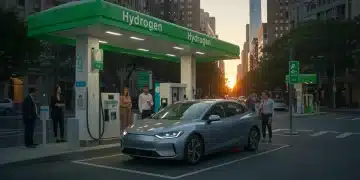
Hydrogen Fuel Cell Vehicles: 2026 US Adoption Surge?
The year 2026 is anticipated to mark a significant turning point for hydrogen fuel cell vehicles in the US, driven by evolving infrastructure, supportive policies, and technological maturation, propelling them towards broader public adoption.
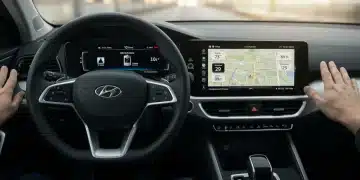
EV Telematics Systems 2026: Top 3 Comparison
This article provides an in-depth comparison of the top three electric vehicle (EV) telematics systems projected for 2026, analyzing their key features, benefits, and how they are set to revolutionize fleet management and individual EV ownership.
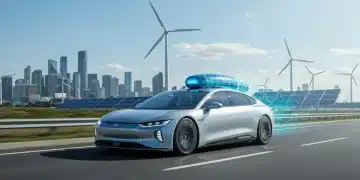
Hydrogen Fuel Cell Vehicles: US Market Readiness & 2026 Adoption
By 2026, hydrogen fuel cell vehicles in the US face critical infrastructure hurdles and cost barriers, yet significant governmental and private investments are poised to accelerate market readiness and adoption rates.

Smart City Renewable Energy: 40% Carbon Cut by 2026
Integrating renewable energy into smart city designs is pivotal for achieving a significant 40% carbon emission reduction by 2026, driving sustainable urban development and enhancing environmental resilience across the United States.
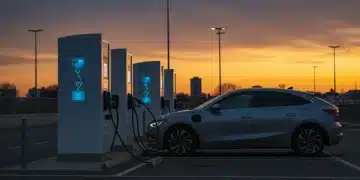
EV Charging Infrastructure: 95% Reliable Stations in the US
Mastering EV charging in the US requires understanding infrastructure nuances. This guide provides expert tips to locate and utilize 95% reliable charging stations, enhancing your electric vehicle experience and ensuring smooth journeys across the country.

EV Availability 2026: Supply Chain Changes & Updates
The **impact of supply chain changes on EV availability in early 2026 (recent updates)** is a critical factor influencing the electric vehicle market, with ongoing adjustments shaping production and consumer access across the United States.
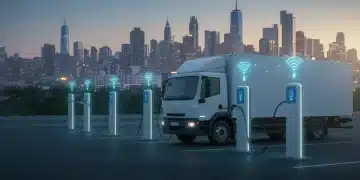
Fleet Electrification US: 20% Cost Reduction by 2026 Tech
Achieving a 20% cost reduction in US fleet electrification by 2026 is a tangible goal, driven by advanced technological integration and strategic operational shifts, promising significant financial and environmental benefits.

Data-Driven Urban Planning: Boosting City Services by 22%
Data-driven urban planning, leveraging predictive analytics, is projected to enhance city services by 22% in the coming year, optimizing resource allocation and improving overall urban efficiency for US cities.

US Smart Highways: 12% Traffic Flow Improvement by 2026
By 2026, connected infrastructure and smart highways in the US are projected to enhance traffic flow by 12%, leveraging advanced technologies for improved efficiency, safety, and reduced congestion.
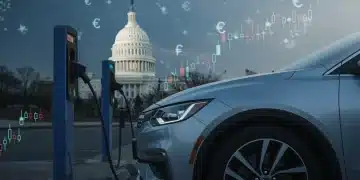
2026 Federal EV Tax Credits: Financial Impact & Updates
The 2026 federal tax credits for new electric vehicle purchases offer significant financial incentives for US consumers, influencing adoption rates and shaping the automotive market by reducing upfront costs.

Smart Traffic Management: US Cities to Cut Congestion by 10% in 2026
By 2026, US cities aim to reduce traffic congestion by 10% through advanced smart traffic management systems, integrating AI, IoT, and real-time data analytics to optimize urban flow and enhance mobility.
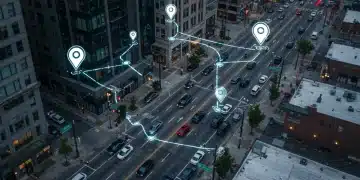
Smart Parking Solutions: Boost Revenue, Cut Search Times in US Downtowns
Smart parking solutions are poised to revolutionize urban areas, projected to boost revenue by 10% and significantly reduce average parking search times by 15 minutes in US downtowns by 2026, enhancing urban efficiency and driver experience.