
5G’s Impact on US Transportation: Enhancing Mobility by 2026
By 2026, 5G technology is poised to profoundly transform US transportation systems, enabling enhanced connectivity, real-time data exchange, and the widespread adoption of autonomous and intelligent mobility solutions nationwide.

Smart Water Management: 20% Water Savings in US Cities
Advanced sensor networks are transforming smart water management in US urban areas, targeting a significant 20% increase in water conservation this year by optimizing distribution and detecting leaks efficiently.
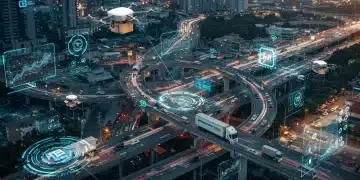
AI’s Impact on Transportation: Optimizing US Logistics by 2027
AI and machine learning are transforming US logistics, promising significant advancements in efficiency, safety, and sustainability across transportation networks by 2027, driven by recent technological updates.
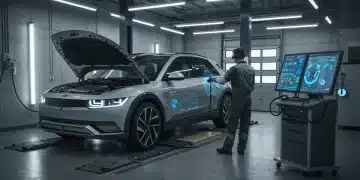
EV Maintenance Landscape 2026: 7 Key Considerations & Solutions
The evolving EV maintenance landscape in 2026 demands strategic approaches to battery health, software updates, and specialized technician training, ensuring vehicle longevity and optimal performance for electric car owners.
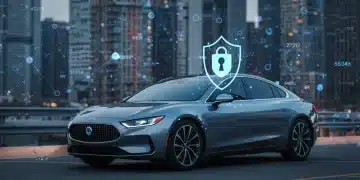
Automotive Cybersecurity: Protecting US Vehicles in 2026
The landscape of automotive cybersecurity in the US is rapidly evolving, demanding robust protection strategies for vehicles against sophisticated emerging threats by 2026. This article delves into the critical challenges and innovative solutions ensuring secure transportation.

Public-Private Partnerships: Accelerating Smart City Projects by 30%
Public-private partnerships (PPPs) are crucial for accelerating smart city development, with a strategic focus on boosting project implementation by 30% within the next three months, transforming urban landscapes through collaborative innovation.
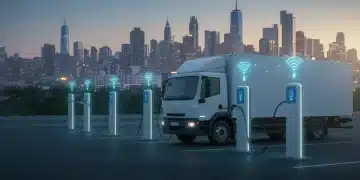
Fleet Electrification US: 20% Cost Reduction by 2026 Tech
Achieving a 20% cost reduction in US fleet electrification by 2026 is a tangible goal, driven by advanced technological integration and strategic operational shifts, promising significant financial and environmental benefits.
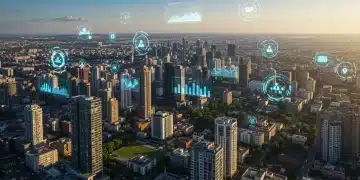
Data-Driven Urban Planning: Boosting City Services by 22%
Data-driven urban planning, leveraging predictive analytics, is projected to enhance city services by 22% in the coming year, optimizing resource allocation and improving overall urban efficiency for US cities.
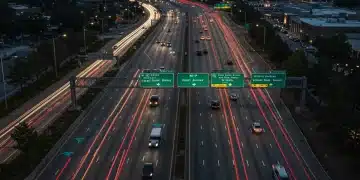
US Smart Highways: 12% Traffic Flow Improvement by 2026
By 2026, connected infrastructure and smart highways in the US are projected to enhance traffic flow by 12%, leveraging advanced technologies for improved efficiency, safety, and reduced congestion.
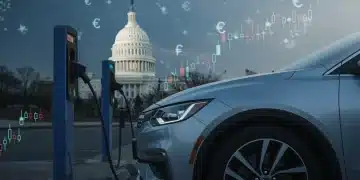
2026 Federal EV Tax Credits: Financial Impact & Updates
The 2026 federal tax credits for new electric vehicle purchases offer significant financial incentives for US consumers, influencing adoption rates and shaping the automotive market by reducing upfront costs.

Smart Traffic Management: US Cities to Cut Congestion by 10% in 2026
By 2026, US cities aim to reduce traffic congestion by 10% through advanced smart traffic management systems, integrating AI, IoT, and real-time data analytics to optimize urban flow and enhance mobility.
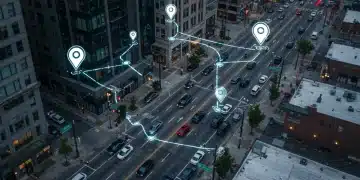
Smart Parking Solutions: Boost Revenue, Cut Search Times in US Downtowns
Smart parking solutions are poised to revolutionize urban areas, projected to boost revenue by 10% and significantly reduce average parking search times by 15 minutes in US downtowns by 2026, enhancing urban efficiency and driver experience.