
Smart city solutions for digital connectivity
Smart city solutions for digital connectivity enhance urban life, driving innovation and engagement for citizens. Explore these transformative ideas now!

Mobility trends in green logistics: reshaping our future
Mobility trends in green logistics are changing how we think about transportation and sustainability. Discover innovative solutions inside!
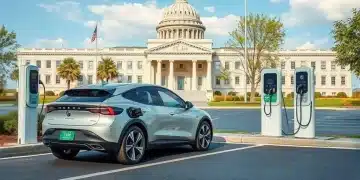
Electric vehicle updates on government incentives: what to know
Electric vehicle updates on government incentives can significantly reduce costs. Explore how these incentives affect your purchase today!

Smart City AI Traffic Management: 20% Congestion Reduction by 2025
Smart city solutions, specifically advanced AI-powered traffic management systems, are poised to significantly reduce urban congestion in US metropolitan areas by 20% by 2025, optimizing traffic flow and improving commuter experiences.

Integrated Data Platforms Boost US Public Transit Efficiency
Integrated data platforms are poised to transform public transit across the U.S., projecting a 12% efficiency improvement by 2025. This advancement is crucial for smart city solutions and the future of urban mobility.
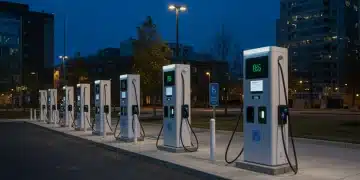
US EV Charging Infrastructure: 3 Key Updates on Public Charger Deployment
Recent advancements in US electric vehicle charging infrastructure, highlighted by three crucial updates in public charger deployment over the past three months, signify a pivotal shift towards widespread EV adoption.
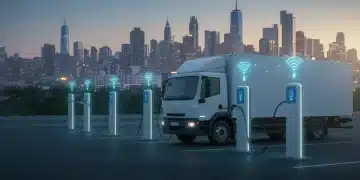
Fleet Electrification US: 20% Cost Reduction by 2026 Tech
Achieving a 20% cost reduction in US fleet electrification by 2026 is a tangible goal, driven by advanced technological integration and strategic operational shifts, promising significant financial and environmental benefits.

Data-Driven Urban Planning: Boosting City Services by 22%
Data-driven urban planning, leveraging predictive analytics, is projected to enhance city services by 22% in the coming year, optimizing resource allocation and improving overall urban efficiency for US cities.

US Smart Highways: 12% Traffic Flow Improvement by 2026
By 2026, connected infrastructure and smart highways in the US are projected to enhance traffic flow by 12%, leveraging advanced technologies for improved efficiency, safety, and reduced congestion.
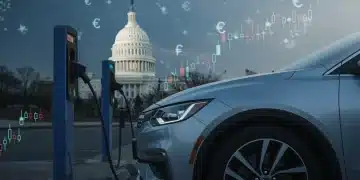
2026 Federal EV Tax Credits: Financial Impact & Updates
The 2026 federal tax credits for new electric vehicle purchases offer significant financial incentives for US consumers, influencing adoption rates and shaping the automotive market by reducing upfront costs.

Smart Traffic Management: US Cities to Cut Congestion by 10% in 2026
By 2026, US cities aim to reduce traffic congestion by 10% through advanced smart traffic management systems, integrating AI, IoT, and real-time data analytics to optimize urban flow and enhance mobility.
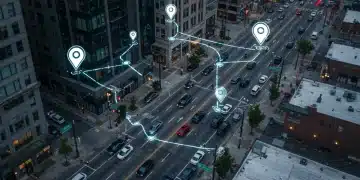
Smart Parking Solutions: Boost Revenue, Cut Search Times in US Downtowns
Smart parking solutions are poised to revolutionize urban areas, projected to boost revenue by 10% and significantly reduce average parking search times by 15 minutes in US downtowns by 2026, enhancing urban efficiency and driver experience.