Smart City Grids: 15% Energy Reduction in US Urban Centers by 2026
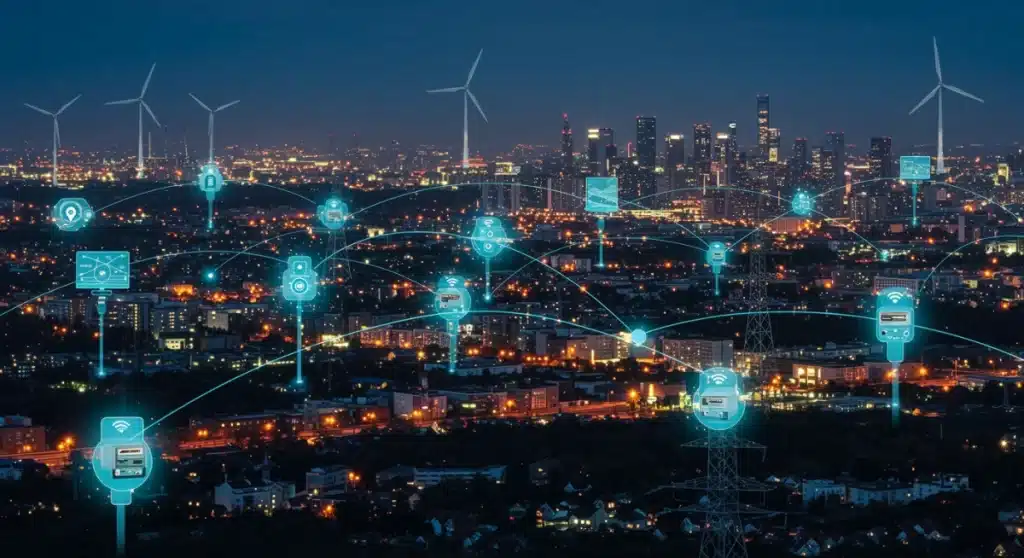
Smart city grids offer a transformative pathway to achieve a 15% reduction in energy consumption across US urban centers by 2026, by integrating advanced technologies for optimized energy distribution and demand management.
Imagine your city operating with unparalleled energy efficiency, where every watt is accounted for and optimized. This aspiration is rapidly becoming a reality for US urban centers, with the potential for a significant 15% reduction in energy consumption by 2026. The key lies in embracing smart city grids, a sophisticated approach to urban energy management that promises not only environmental benefits but also substantial economic advantages for municipalities.
Understanding the Smart City Grid Concept
The concept of a smart city grid extends far beyond traditional electrical infrastructure. It represents a fundamental shift in how urban areas manage and consume energy, leveraging digital technology to create a more resilient, efficient, and sustainable system. This integrated network uses sensors, smart meters, digital controls, and analytic tools to monitor, protect, and automatically optimize the operation of its interconnected elements. For municipalities, understanding this foundational concept is the first step toward realizing significant energy savings and fostering a greener urban environment.
Defining Smart Grid Components
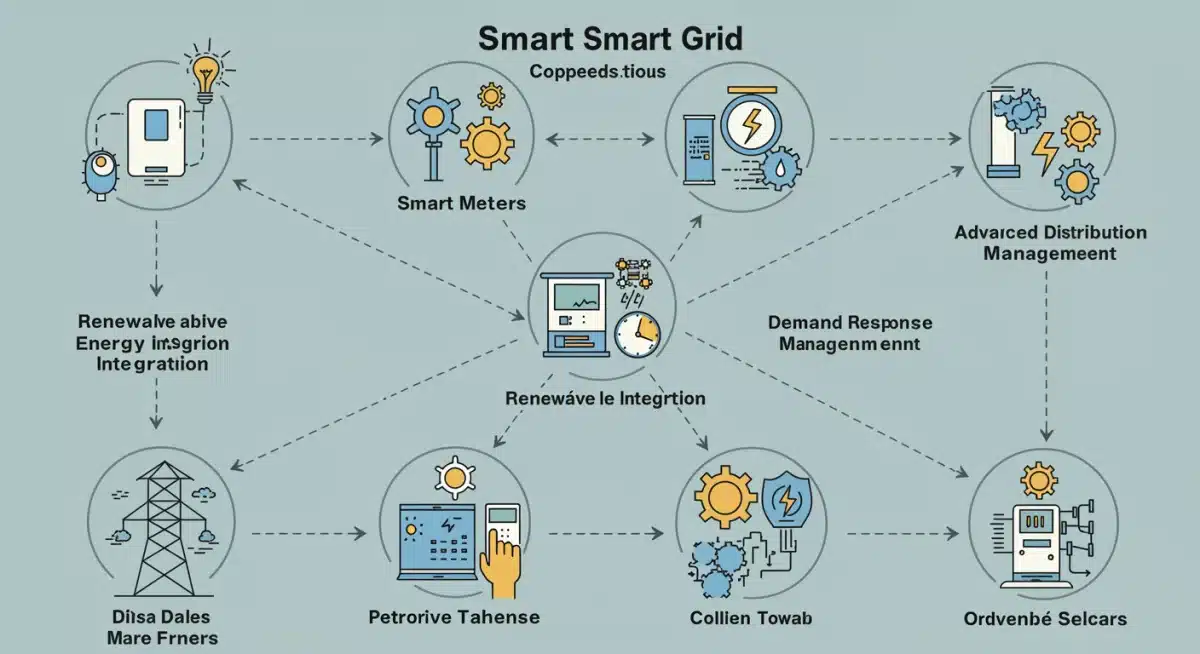
At its core, a smart grid is characterized by several key components that work in concert to achieve its objectives. These elements ensure real-time data collection, analysis, and responsive action, which are critical for optimizing energy flow and consumption.
- Advanced Metering Infrastructure (AMI): These are smart meters that record consumption of electric energy in intervals of an hour or less and send that information to the utility for monitoring and billing.
- Sensor Networks: Distributed sensors throughout the grid collect data on voltage, current, temperature, and other critical parameters, providing a comprehensive real-time picture of grid health.
- Communication Infrastructure: A robust, two-way communication network allows for seamless data exchange between all grid components, from power generation to end-users.
- Demand Response Systems: Technologies that enable consumers to reduce or shift their energy usage during peak times in response to pricing signals or other incentives.
By integrating these components, smart grids move beyond a one-way energy flow to a dynamic, interactive system. This allows for proactive management of energy demand and supply, reducing waste and increasing reliability. The comprehensive nature of these systems ensures that every aspect of energy usage, from generation to consumption, is optimized.
Leveraging Data Analytics for Energy Optimization
One of the most powerful aspects of smart city grids is their ability to generate and process vast amounts of data. This data, when properly analyzed, provides invaluable insights into energy consumption patterns, potential inefficiencies, and opportunities for optimization. Municipalities can harness these insights to make informed decisions that drive substantial energy reductions.
Predictive Analytics and Demand Forecasting
Smart grids utilize predictive analytics to forecast energy demand based on historical data, weather patterns, and even social events. This allows utilities and municipalities to anticipate peak demand periods and adjust supply accordingly, preventing over-generation and reducing the need for costly, less efficient peaker plants.
For instance, by predicting a heatwave, a smart grid can pre-emptively initiate demand response programs, encouraging consumers to reduce non-essential energy use. This proactive approach minimizes strain on the grid and prevents potential blackouts, while also lowering overall energy consumption. The ability to look ahead and prepare is a game-changer for urban energy management.
The continuous flow of data also enables real-time adjustments. If an unexpected spike in demand occurs, the system can automatically reroute power, activate distributed energy resources, or signal for temporary load shedding in non-critical areas. This dynamic responsiveness is what truly differentiates a smart grid from its traditional counterpart, leading directly to a more efficient and less wasteful energy ecosystem. Understanding and implementing robust data analytics platforms are therefore paramount for any municipality aiming to achieve significant energy savings.
Integrating Renewable Energy Sources
Smart city grids are inherently designed to integrate a diverse array of energy sources, particularly renewables like solar and wind. This integration is crucial for reducing reliance on fossil fuels and lowering the carbon footprint of urban centers, directly contributing to energy consumption reduction targets. The intermittent nature of many renewable sources necessitates a smart grid’s advanced management capabilities to maintain grid stability.
Optimizing Renewable Energy Distribution
Unlike traditional grids that struggle with the variability of renewables, smart grids can seamlessly incorporate these sources through sophisticated control systems. They can balance fluctuating generation with demand, storing excess energy in battery storage systems or directing it to areas of immediate need. This optimization maximizes the utility of renewable energy, ensuring that clean power is used efficiently whenever it is available.
For example, a municipal solar farm’s output can be precisely managed by the smart grid, supplementing conventional power during peak daylight hours and reducing the load on other generation facilities. This not only cuts down on overall energy consumption from non-renewable sources but also decreases operational costs for the utility. The integration process requires careful planning and investment in the necessary infrastructure to handle bidirectional power flow and advanced power electronics.
The ability to integrate and manage distributed energy resources (DERs), such as rooftop solar panels on individual homes and businesses, further enhances the grid’s resilience and efficiency. By treating these smaller generation units as valuable contributors rather than mere consumers, smart grids create a more localized and responsive energy ecosystem. This distributed approach reduces transmission losses and empowers communities to become more energy independent, driving down overall consumption from centralized plants.
Implementing Demand Response Programs
Demand response (DR) programs are a cornerstone of smart city grids, empowering consumers to actively participate in energy management. By offering incentives for reducing or shifting energy use during critical periods, municipalities can significantly lower peak demand, which is often the most expensive and energy-intensive time for grid operation. These programs are essential for achieving the ambitious 15% energy reduction target.
Types of Demand Response Initiatives
Various types of DR programs can be implemented, each tailored to different consumer needs and grid requirements. These initiatives encourage behavioral changes and the adoption of smart technologies.
- Time-of-Use (TOU) Pricing: Energy prices vary by time of day, encouraging consumers to use electricity during off-peak hours when it is cheaper.
- Critical Peak Pricing (CPP): Higher prices are charged during a few critical peak events, signaling the need for significant demand reduction.
- Direct Load Control (DLC): Utilities can remotely cycle off certain appliances (e.g., air conditioners) for short periods during peak demand, with prior customer consent and compensation.
- Automated Demand Response (ADR): Smart devices automatically respond to price signals or grid conditions, adjusting energy consumption without direct human intervention.
Successful DR programs require clear communication, attractive incentives, and easy-to-understand participation mechanisms. Municipalities can partner with utilities to educate residents and businesses on the benefits of these programs, highlighting both cost savings and environmental impact. The collective action of many participants can lead to substantial reductions in overall energy consumption and grid stress, making the urban energy system more robust and sustainable.
Beyond the immediate benefits of peak demand reduction, DR programs foster a culture of energy awareness within the community. As residents become more conscious of their energy usage and its impact, they are more likely to adopt energy-efficient behaviors and invest in smart home technologies. This long-term shift in consumer habits is vital for sustained energy savings and achieving the broader goals of a smart city. Municipalities should view DR as a continuous journey of engagement and innovation.
Modernizing Infrastructure: Grid Resiliency and Efficiency
Achieving a 15% reduction in energy consumption by 2026 demands not only smart technologies but also a modernized physical infrastructure. Older grid components are often inefficient and prone to failures, leading to energy losses and service disruptions. Smart grid upgrades focus on enhancing both the resiliency and efficiency of the entire energy delivery system.
Key Infrastructure Upgrades
Modernizing infrastructure involves several critical improvements, from transmission lines to distribution networks. These upgrades are designed to minimize energy waste and improve the reliability of power delivery.
- Advanced Transmission and Distribution Lines: Replacing outdated lines with high-efficiency conductors reduces energy loss during transmission.
- Fault Location, Isolation, and Service Restoration (FLISR) Systems: These automated systems can quickly detect and isolate faults, restoring power to unaffected areas much faster than manual methods, minimizing downtime and energy waste.
- Substation Automation: Modernizing substations with digital controls and sensors allows for remote monitoring and control, improving operational efficiency and reducing the need for on-site personnel.
- Energy Storage Solutions: Implementing large-scale battery storage systems helps to balance supply and demand, storing excess renewable energy for later use and reducing reliance on traditional power plants during peak times.
These infrastructure investments are crucial for creating a grid that can handle the complexities of modern energy demands. They not only reduce energy consumption directly by minimizing losses but also enable the more effective integration of renewables and demand response programs. Municipalities must prioritize these upgrades as foundational elements of their smart city initiatives.
Furthermore, an upgraded infrastructure is more resilient to extreme weather events and cyber threats, ensuring a stable and secure energy supply. This enhanced reliability translates into fewer outages, which means less reliance on backup generators and less economic disruption. The long-term benefits of a modernized grid extend far beyond immediate energy savings, contributing to the overall economic vitality and environmental health of urban centers.
Funding and Policy for Smart Grid Implementation
The successful implementation of smart city grids requires significant investment and supportive policy frameworks. Municipalities need to navigate various funding avenues and advocate for policies that facilitate grid modernization and energy reduction initiatives. Strategic financial planning and strong governmental backing are paramount for achieving the 2026 target.
Securing Funding and Incentives
Several financial mechanisms can help municipalities fund smart grid projects. These include federal grants, state incentives, and private partnerships.
- Federal Grants: Programs from the Department of Energy (DOE) and other federal agencies often provide funding for smart grid pilot projects and infrastructure upgrades.
- State and Local Incentives: Many states offer tax credits, rebates, or low-interest loans for energy efficiency and renewable energy projects.
- Public-Private Partnerships (PPPs): Collaborating with private utilities and technology providers can leverage private capital and expertise, sharing the financial burden and accelerating implementation.
- Green Bonds: Issuing municipal green bonds can attract investors interested in sustainable projects, providing a dedicated source of funding for smart grid initiatives.
Beyond direct funding, policies that encourage innovation and market development for smart grid technologies are essential. This includes streamlined permitting processes for smart meter installations, regulations that support grid modernization, and incentives for utilities to invest in smart infrastructure. Municipalities should actively engage with state and federal lawmakers to shape policies that align with their energy reduction goals.
Effective policy also encompasses clear regulatory frameworks that define roles and responsibilities for all stakeholders, from utilities to consumers. This clarity helps to build trust and encourage participation in demand response programs and other energy-saving initiatives. By combining robust funding strategies with proactive policy advocacy, municipalities can create an enabling environment for smart grid deployment, paving the way for a more energy-efficient and sustainable urban future.
| Key Point | Brief Description |
|---|---|
| Smart Grid Definition | Integrated digital network for efficient energy management, monitoring, and optimization. |
| Data Analytics Role | Uses real-time data and predictive analytics to forecast demand and optimize energy flow. |
| Demand Response | Programs incentivizing consumers to reduce energy use during peak periods for grid stability. |
| Funding & Policy | Essential for securing investments and creating supportive regulatory environments for adoption. |
Frequently Asked Questions About Smart City Grids
The primary goal is to enhance energy efficiency, reliability, and sustainability in urban areas. By integrating digital technology, smart grids aim to optimize energy distribution, reduce waste, and incorporate renewable sources more effectively, leading to significant consumption reductions.
Smart meters provide real-time data on energy consumption, empowering consumers and utilities to monitor usage patterns. This transparency enables informed decisions about energy conservation, supports demand response programs, and helps identify inefficiencies that can be addressed to reduce overall consumption.
Yes, smart grids are designed to seamlessly integrate intermittent renewable energy sources like solar and wind power. They use advanced control systems and energy storage to balance supply and demand, maximizing the use of clean energy and reducing reliance on traditional, often less efficient, fossil fuel power plants.
Municipalities are crucial in driving smart grid adoption through policy advocacy, securing funding, and developing local initiatives. They can lead by example, implement demand response programs, and foster public-private partnerships to accelerate the transition to a more energy-efficient urban infrastructure.
Long-term benefits include enhanced grid resilience, reduced operational costs for utilities, lower carbon emissions, and increased energy independence. These investments also stimulate economic growth through technological innovation and create a more sustainable and livable urban environment for residents.
Conclusion
The journey towards a 15% reduction in energy consumption in US urban centers by 2026 through the implementation of smart city grids is ambitious yet entirely achievable. It requires a concerted effort from municipalities, utilities, and citizens, underpinned by strategic investments in technology, infrastructure, and policy. By embracing data analytics, integrating renewable energy, fostering demand response, and modernizing our grids, cities can pave the way for a more sustainable, resilient, and economically vibrant future. The practical steps outlined here offer a robust framework for municipalities ready to lead this transformative change, proving that a smarter energy future is within our grasp.