Urban IoT Sensors: Boosting Public Safety & Efficiency in Smart Cities by 2026
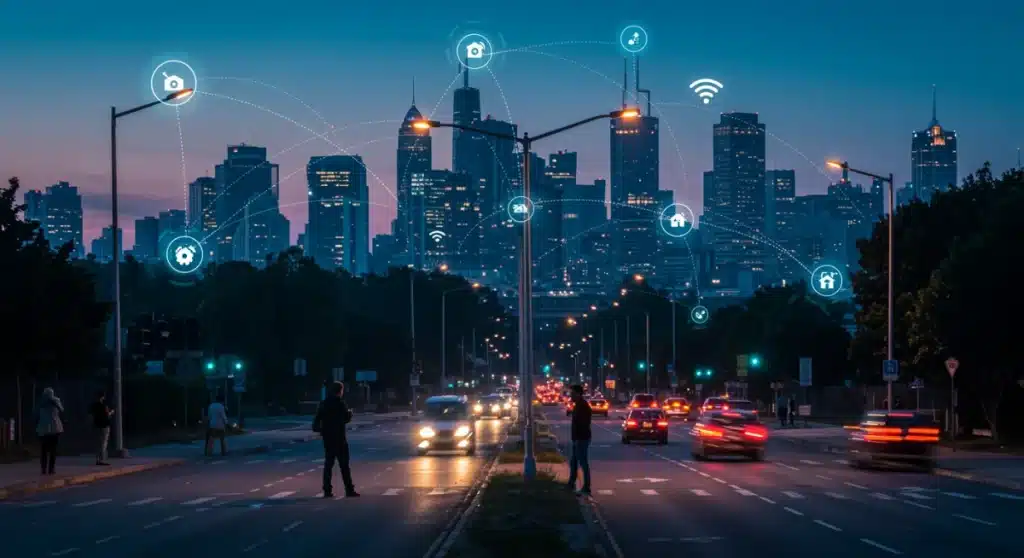
The urban landscape of the United States is undergoing a profound transformation, driven by an accelerating adoption of advanced technologies. At the heart of this revolution are Urban IoT Sensors, tiny yet powerful devices that are redefining how cities operate, enhance public safety, and improve the quality of life for their residents. As we look towards 2026, projections indicate a remarkable 20% increase in public safety and efficiency across US smart cities, primarily fueled by the strategic deployment and intelligent utilization of these sensors. This comprehensive guide will explore the multifaceted impact of urban IoT sensors, delving into their current applications, future potential, and the challenges and opportunities they present for building truly intelligent urban environments.
The concept of a ‘smart city’ is no longer a distant dream but a rapidly evolving reality. It envisions urban areas where interconnected systems and data-driven insights optimize resource management, enhance services, and foster sustainable growth. Urban IoT Sensors are the eyes and ears of this vision, collecting vast amounts of data on everything from traffic patterns and air quality to public infrastructure integrity and emergency response times. This data, when analyzed effectively, empowers city officials to make informed decisions, anticipate problems, and respond with unprecedented agility.
The Foundation of Smart Cities: Understanding Urban IoT Sensors
What exactly are Urban IoT Sensors? In essence, they are physical devices embedded with sensors, software, and other technologies for the purpose of connecting and exchanging data with other devices and systems over the internet. In an urban context, these sensors are strategically placed throughout a city to monitor and collect specific types of environmental or operational data. This could range from simple temperature sensors to complex multi-functional units capable of detecting movement, sound, chemical compounds, and more.
The sheer variety of Urban IoT Sensors is staggering. They can be found in smart streetlights, waste bins, parking spaces, public transportation, water pipes, air quality monitoring stations, and even within the infrastructure of buildings. Each sensor plays a crucial role in painting a real-time picture of the city’s pulse, enabling a proactive approach to urban management rather than a reactive one.
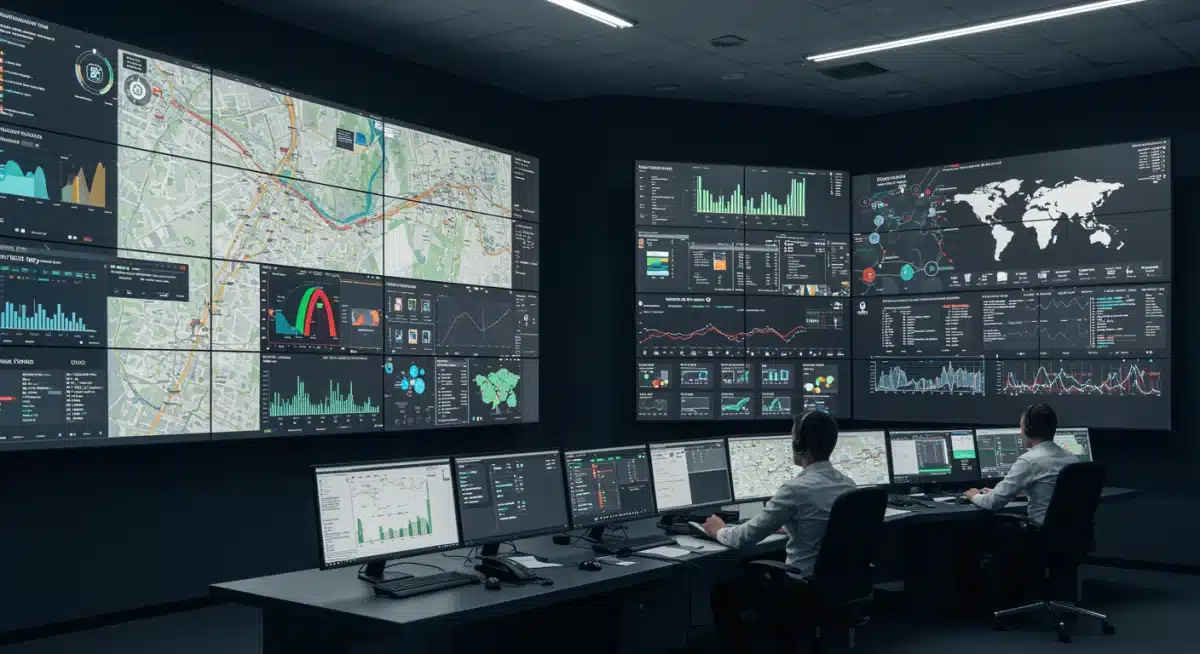
The data collected by these sensors is then transmitted, often wirelessly, to centralized platforms where it is aggregated, processed, and analyzed. Advanced analytics, including artificial intelligence (AI) and machine learning (ML), are frequently employed to extract meaningful insights from this data, identifying patterns, predicting future trends, and triggering automated responses or alerts.
Enhancing Public Safety with Urban IoT Sensors
One of the most compelling applications of Urban IoT Sensors is in significantly enhancing public safety. The ability to monitor urban environments in real-time provides unprecedented opportunities for preventing crime, improving emergency response, and ensuring the well-being of citizens. By 2026, cities are expected to see a substantial improvement in these areas.
Real-Time Crime Prevention and Response
- Smart Surveillance Systems: High-resolution cameras equipped with AI-powered analytics can detect unusual activities, identify suspicious behavior, and alert authorities in real-time. This includes facial recognition (where legally and ethically permissible), object detection, and crowd monitoring.
- Gunshot Detection: Acoustic sensors deployed in high-crime areas can instantly detect gunshots, pinpoint their location, and relay this critical information to law enforcement, drastically reducing response times.
- Emergency Call Box Integration: IoT-enabled emergency call boxes can provide not just voice communication but also live video feeds and location data, offering a more comprehensive understanding of an emergency situation.
Improved Emergency Services and Disaster Management
- Traffic Management for Emergency Vehicles: Sensors monitoring traffic flow can dynamically adjust traffic signals to create clear paths for ambulances, fire trucks, and police cars, cutting down response times in critical situations.
- Environmental Monitoring: Air quality sensors can detect hazardous chemical spills or pollution events, alerting residents and emergency services. Flood sensors can provide early warnings for rising water levels, allowing for timely evacuations.
- Structural Health Monitoring: Sensors embedded in bridges, buildings, and other critical infrastructure can detect early signs of structural fatigue or damage, preventing potential collapses and ensuring public safety.
Personal Safety and Citizen Well-being
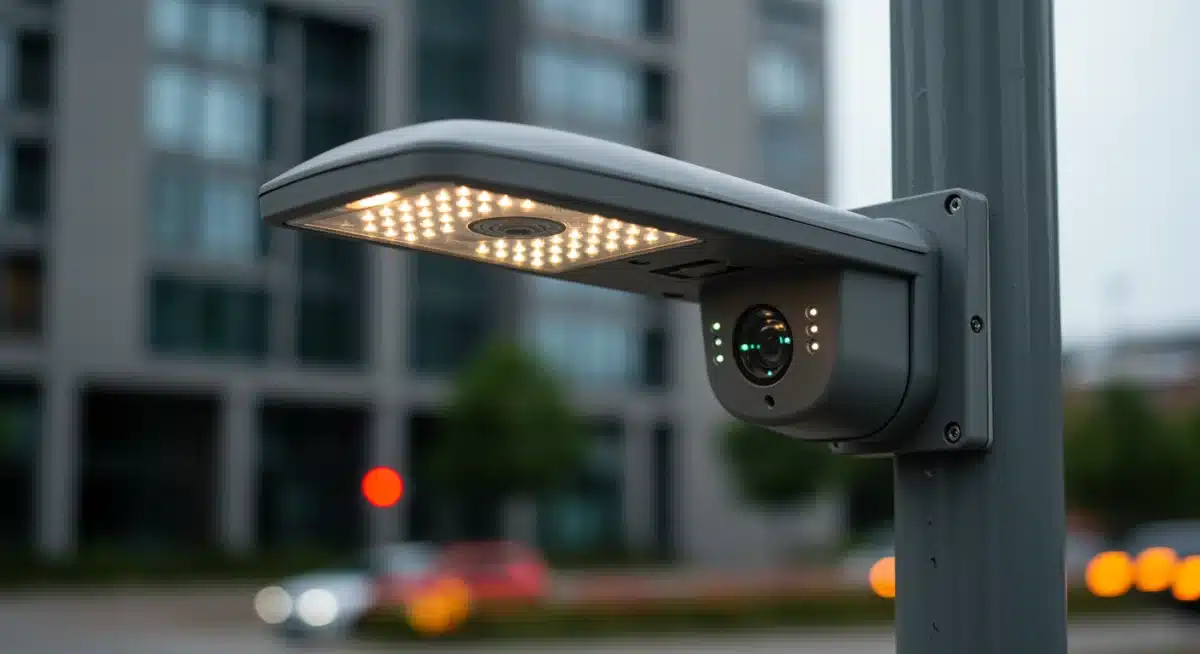
- Smart Street Lighting: Adaptive lighting systems can brighten automatically in response to pedestrian presence or detected incidents, deterring crime and improving visibility.
- Personal Safety Apps: Integrated with city-wide sensor networks, these apps can allow citizens to report incidents, request assistance, and even share their location with trusted contacts or emergency services during a crisis.
Driving Urban Efficiency with Urban IoT Sensors
Beyond safety, Urban IoT Sensors are pivotal in optimizing urban operations, leading to significant improvements in efficiency, sustainability, and resource management. The projected 20% increase in efficiency by 2026 highlights the immense potential for cost savings and improved service delivery.
Optimized Traffic and Transportation Systems
- Intelligent Traffic Management: Sensors embedded in roads and traffic lights monitor vehicle flow, congestion, and accident hotspots. This data allows for dynamic signal timing, rerouting suggestions, and intelligent navigation apps that reduce travel times and fuel consumption.
- Smart Parking Solutions: Sensors in parking spaces inform drivers of available spots via mobile apps or digital signs, reducing cruising time, congestion, and frustration. This also optimizes parking revenue for cities.
- Public Transportation Optimization: IoT sensors on buses, trains, and other public transit vehicles provide real-time location data, passenger counts, and operational status. This allows for more accurate scheduling, efficient route planning, and better passenger information.
Sustainable Resource Management
- Smart Waste Management: Sensors in waste bins monitor fill levels, allowing collection routes to be optimized. This reduces fuel consumption, labor costs, and improves urban sanitation.
- Smart Water Management: Sensors can detect leaks in water pipes, monitor water quality, and optimize irrigation systems in public parks, leading to significant water conservation and reduced infrastructure damage.
- Energy Efficiency in Public Buildings: IoT sensors control lighting, heating, and cooling systems in public buildings based on occupancy and ambient conditions, leading to substantial energy savings.
Enhanced Infrastructure Management
- Predictive Maintenance: Sensors on critical infrastructure like bridges, roads, and utility networks continuously monitor their condition. This allows city maintenance teams to move from reactive repairs to proactive, predictive maintenance, extending asset lifespans and preventing costly failures.
- Air Quality Monitoring: Networks of air quality sensors provide real-time data on pollutants, allowing cities to implement targeted interventions, inform residents, and develop healthier urban environments.
Key Technologies Powering Urban IoT Sensors
The efficacy of Urban IoT Sensors relies on a sophisticated interplay of various technologies. Understanding these components is crucial to appreciating the full scope of their capabilities.
Sensor Hardware and Design
The physical sensors themselves are becoming increasingly sophisticated, smaller, more energy-efficient, and capable of detecting a wider range of parameters. Miniaturization allows for discreet integration into existing urban furniture, while advanced materials ensure durability in harsh outdoor environments. Multi-sensor nodes, combining several detection capabilities into one unit, are also becoming more common, reducing deployment costs and complexity.
Connectivity and Communication Protocols
For sensors to be effective, they need to communicate reliably. Various wireless communication technologies are employed, each suited for different applications:
- Low-Power Wide-Area Networks (LPWANs): Technologies like LoRaWAN and NB-IoT are ideal for sensors that transmit small amounts of data over long distances with minimal power consumption, perfect for remote monitoring.
- 5G and Wi-Fi 6: These provide high-bandwidth, low-latency connectivity, crucial for applications requiring real-time video streaming, high-volume data transfer, and instant command-and-control operations.
- Mesh Networks: Some sensor deployments leverage mesh networking where devices communicate with each other to extend range and improve reliability, particularly in dense urban environments.
Data Analytics, AI, and Machine Learning
The raw data collected by Urban IoT Sensors is only as valuable as the insights derived from it. AI and machine learning algorithms play a critical role in:
- Pattern Recognition: Identifying recurring behaviors or anomalies in data streams.
- Predictive Modeling: Forecasting future events, such as traffic congestion, equipment failures, or pollution spikes.
- Automated Decision Making: Triggering automatic actions, like adjusting traffic lights or sending maintenance alerts, based on real-time data.
Cloud Computing and Edge Computing
Processing the vast amounts of data generated by urban IoT sensors requires robust computing infrastructure. Cloud computing offers scalable storage and processing power, while edge computing allows for immediate processing of data closer to the source, reducing latency and bandwidth requirements for critical real-time applications.
Challenges and Considerations in Deploying Urban IoT Sensors
While the benefits of Urban IoT Sensors are clear, their widespread deployment comes with several challenges that cities must address for successful implementation.
Data Privacy and Security
The collection of vast amounts of data, especially that which could potentially identify individuals (e.g., through video surveillance or location tracking), raises significant privacy concerns. Cities must implement robust data anonymization, encryption, and strict access control measures. Transparent policies and clear communication with citizens about how data is collected, used, and protected are paramount to building trust.
Interoperability and Standardization
A smart city comprises numerous disparate systems and sensors from different vendors. Ensuring that these systems can communicate and share data seamlessly is a major challenge. The lack of universal standards can lead to vendor lock-in and fragmented data silos. Efforts are underway to develop common protocols and open platforms to facilitate interoperability.
Funding and Return on Investment (ROI)
The initial investment in urban IoT sensor infrastructure can be substantial. Cities need to carefully evaluate the long-term ROI, demonstrating clear benefits in terms of cost savings, improved services, and enhanced quality of life to justify these expenditures. Public-private partnerships often play a crucial role in funding these initiatives.
Digital Divide and Equity
Ensuring that the benefits of smart city technologies, including those powered by Urban IoT Sensors, are equitably distributed across all neighborhoods and demographic groups is critical. There’s a risk that advanced smart city solutions could exacerbate existing inequalities if not implemented thoughtfully, creating a ‘digital divide’ within the city.
Cybersecurity Threats
An interconnected network of sensors and systems presents a larger attack surface for cybercriminals. Protecting these networks from hacking, data breaches, and denial-of-service attacks is essential to maintain the integrity and reliability of smart city operations.
The Future of Urban IoT Sensors: Beyond 2026
Looking beyond the immediate horizon of 2026, the evolution of Urban IoT Sensors promises even more transformative changes for smart cities. The trajectory is towards greater intelligence, autonomy, and integration.
Hyper-Personalization of Urban Services
As sensor networks become denser and more sophisticated, cities will be able to offer increasingly personalized services. Imagine adaptive public transport that responds to real-time demand, personalized waste collection schedules, or even dynamic urban spaces that reconfigure based on citizen activities.
Autonomous Urban Systems
The integration of IoT sensors with AI and robotics will pave the way for more autonomous urban systems. This includes self-driving public transport, autonomous waste collection vehicles, and even robotic systems for infrastructure inspection and maintenance, all guided by data from a vast sensor network.
Digital Twins of Cities
The ultimate vision for smart cities involves creating comprehensive ‘digital twins’ – virtual replicas of the physical urban environment. These digital twins, fed by real-time data from millions of Urban IoT Sensors, will allow city planners and managers to simulate various scenarios, test policies, and predict outcomes with unparalleled accuracy before implementing them in the real world.
Increased Citizen Participation
Future urban IoT deployments will likely incorporate more mechanisms for citizen participation, allowing residents to contribute data, report issues, and provide feedback through user-friendly interfaces, further enriching the urban data ecosystem.
Conclusion: A Smarter, Safer, and More Efficient Urban Future
The journey towards truly smart cities is an ongoing one, and Urban IoT Sensors are undoubtedly at the forefront of this evolution. Their capacity to collect, transmit, and enable the analysis of vast amounts of urban data is fundamentally changing how cities manage resources, deliver services, and protect their residents. The projection of a 20% increase in public safety and efficiency across US smart cities by 2026 is not merely an optimistic forecast but a tangible goal being driven by concrete advancements and strategic deployments.
As technology continues to advance, and as cities become more adept at integrating these sophisticated systems, the potential for urban IoT sensors to create healthier, more sustainable, and more responsive urban environments will only grow. Addressing the challenges of data privacy, interoperability, and equitable access will be crucial to realizing this potential fully. The future of urban life is undeniably intelligent, interconnected, and empowered by the silent, tireless work of urban IoT sensors, paving the way for a brighter, safer, and more efficient tomorrow for all city dwellers.