Mobility trends in green logistics: reshaping our future
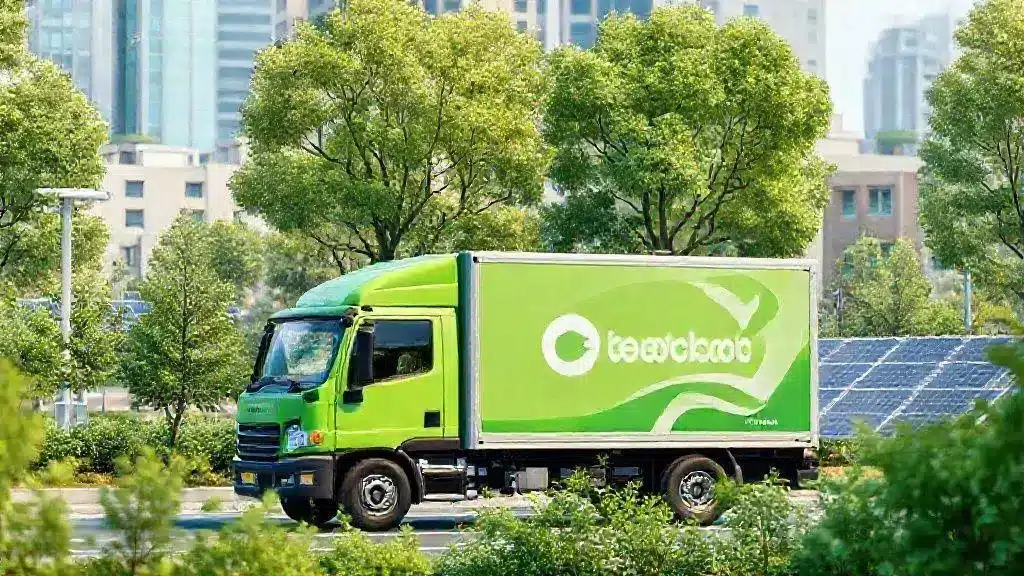
Green logistics focuses on reducing environmental impact through sustainable practices, leveraging innovative technologies, and fostering collaboration among businesses to enhance efficiency and minimize waste in the supply chain.
Mobility trends in green logistics are more than just a buzzword; they represent a vital shift in how we view supply chains. Have you noticed how companies are rethinking transportation to reduce their carbon footprint? This article dives into this exciting topic.
The impact of green logistics on mobility trends
The impact of green logistics on mobility trends is profound and multifaceted. As businesses aim to reduce their environmental footprint, they are increasingly adopting sustainable practices that reshape transportation.
One significant effect is the rise of eco-friendly transportation options. Companies are exploring electric vehicles, which produce fewer emissions than traditional gas-powered cars. The shift not only benefits the environment but also enhances operational efficiency. As a result, logistics firms can lower costs while improving their corporate social responsibility.
Key benefits of green logistics
- Reduced carbon emissions
- Cost savings through energy efficiency
- Enhanced brand image and customer loyalty
- Compliance with regulations and standards
Moreover, green logistics encourages better resource management. Companies are investigating their supply chains for ways to minimize waste. By optimizing routes and implementing better inventory practices, organizations can significantly cut down on unnecessary fuel consumption.
Additionally, investing in sustainable packaging plays a critical role in this transition. Businesses are choosing biodegradable and recyclable materials to reduce plastic waste. Such initiatives not only contribute to a circular economy but also meet growing consumer demand for environmentally friendly products.
As technology progresses, innovations such as smart logistics, powered by big data and the Internet of Things (IoT), emerge to enhance efficiency and mitigate environmental impacts. These technologies enable real-time tracking and improved decision-making, all while reducing the carbon footprint.
Challenges of implementing green logistics
- Higher initial investment costs
- Limited infrastructure for electric vehicles
- Need for employee training
- Resistance to change within organizations
Ultimately, the impact of green logistics on mobility trends fosters a positive change in the logistics industry, paving the way for a more sustainable future. It is evident that these practices will shape the logistics landscape, not just for the benefit of businesses, but also for the planet.
Innovative technologies driving green logistics

Innovative technologies are reshaping the landscape of green logistics. As the demand for sustainable practices grows, various technologies emerge, streamlining operations while minimizing environmental impact.
One of the most significant advancements is the use of electric vehicles. These vehicles produce little to no emissions, making them a key component in reducing the logistics industry’s carbon footprint. Companies are increasingly investing in fleets powered by electricity to help achieve their sustainability goals.
Smart logistics and IoT
The integration of the Internet of Things (IoT) in logistics plays a crucial role in enhancing efficiency. By using IoT devices, companies can track goods in real time, allowing for better inventory management and optimized routes. This technology not only reduces waste but also enhances customer satisfaction by ensuring timely deliveries.
- Real-time data tracking
- Improved route planning
- Monitoring of vehicle health
- Enhanced supply chain visibility
Another innovative solution is the implementation of warehouse automation. Automation technologies such as robotics and artificial intelligence can streamline warehouse operations, reducing labor costs and minimizing errors. Automated systems can quickly sort, store, and retrieve products, improving order fulfillment speed.
Sustainable packaging techniques
Sustainable packaging innovations also drive green logistics. Companies are now opting for biodegradable materials that lower environmental impact while meeting consumer demands for eco-friendly products. This shift not only helps reduce waste but also enhances brand reputation.
Blockchain technology is another game-changer. It provides transparency in the supply chain, ensuring all parties have access to accurate and secure information. This transparency helps trace the origin of products, verifying their sustainability claims.
As businesses embrace these technologies, the prospects for green logistics look promising. Innovations help companies operate more effectively while contributing to a more sustainable future.
Case studies of successful green logistics practices
Case studies of successful green logistics practices reveal how companies are effectively implementing sustainable techniques. These examples provide insights into the methods and technologies that lead to reduced emissions and enhanced efficiency.
One notable example is a multinational corporation that revamped its supply chain using electric delivery vehicles. By transitioning to an all-electric fleet, the company cut its carbon emissions by 30% within the first year. This change not only helped the environment but also reduced fuel costs significantly.
Innovative packaging solutions
Another success story comes from a company that adopted sustainable packaging made from recyclable materials. This initiative saved over 400 tons of plastic waste annually. The company also found that consumers responded positively, increasing sales as more buyers sought eco-friendly products.
- Reduced waste and landfill usage
- Enhanced brand loyalty among eco-conscious customers
- Lower costs from packaging materials
A third example highlights a small logistics startup that utilized smart technologies to enhance delivery efficiency. By employing IoT devices for route optimization, they successfully decreased delivery times while reducing fuel consumption by 15%. This innovative approach earned the startup recognition awards for their contributions to green practices.
Next, a major retailer adopted a comprehensive sustainability plan that integrated energy-efficient technologies in distribution centers. By installing solar panels and using LED lighting, the retailer reduced energy consumption by 25%. This not only conserved resources but also led to significant cost savings over time.
Collaboration for greener supply chains
Finally, a successful collaboration between logistics companies and local governments resulted in a carpooling initiative for delivery vehicles. By sharing resources, multiple companies reduced traffic congestion and lowered emissions in urban areas. These partnerships exemplify how collaboration can drive substantial improvements in green logistics.
These case studies showcase the potential for businesses to embrace green practices, leading to a more sustainable future while still achieving their operational goals.
Challenges and future prospects in green logistics
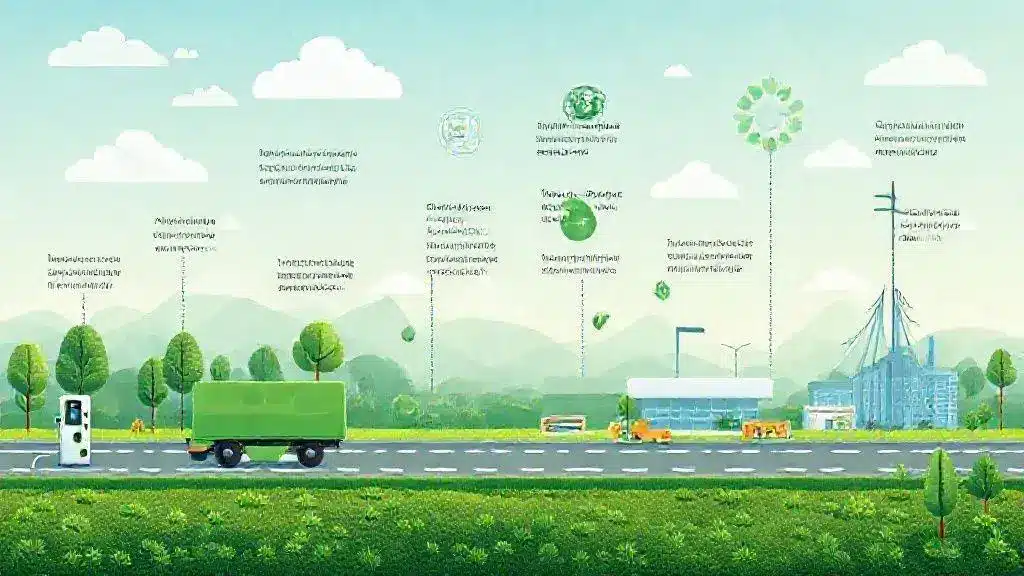
Challenges and future prospects in green logistics provide insights into the hurdles businesses face while implementing sustainable practices and the potential growth opportunities ahead. As companies strive for environmentally friendly solutions, they encounter various obstacles that can hinder progress.
One major challenge is the high initial costs associated with adopting new technologies. Businesses often hesitate to invest in electric vehicles or advanced tracking systems due to the upfront expenses. However, many companies find that these investments eventually lead to long-term savings through reduced fuel and maintenance costs.
Infrastructure limitations
Another obstacle is the lack of adequate infrastructure for supporting sustainable logistics. In many regions, there are few charging stations for electric vehicles or limited recycling facilities for sustainable packaging. This issue can make it difficult for companies to fully implement green initiatives.
- Need for more electric vehicle charging stations
- Insufficient waste management systems
- Lack of incentives for sustainable practices
Regulatory challenges can also pose difficulties. Different regions have varying laws regarding sustainability, which can lead to confusion and increased compliance costs for logistics companies. Keeping up with regulations requires continuous effort and resources.
Looking to the future, the prospects for green logistics remain promising. As consumer demand for sustainable practices continues to rise, companies are motivated to embrace innovative solutions. Major advancements in technology, such as artificial intelligence and blockchain, show great potential for improving efficiency and transparency in logistics.
Collaboration and partnerships
Collaboration between businesses, governments, and communities is vital for navigating these challenges. By working together, stakeholders can develop shared resources and infrastructure while promoting sustainable practices across the entire supply chain. Public-private partnerships can enhance overall effectiveness in reducing emissions.
Moreover, the growing awareness of climate change will likely drive more companies to invest in green logistics. As regulations become stricter and consumers prioritize environmentally friendly products, businesses will need to adapt or risk falling behind.
FAQ – Frequently Asked Questions about Green Logistics
What are the main challenges in implementing green logistics?
The main challenges include high initial costs, infrastructure limitations, and navigating varying regulatory requirements.
How does green logistics benefit the environment?
Green logistics reduces carbon emissions and minimizes waste by promoting sustainable practices in supply chains.
What role does technology play in green logistics?
Technology, such as IoT and automation, enhances efficiency and transparency, helping companies optimize their logistics operations sustainably.
Why is collaboration important in green logistics?
Collaboration fosters resource sharing, improves infrastructure development, and encourages businesses to adopt sustainable practices more effectively.