US Smart Cities: Reducing Carbon Emissions by 12% by 2026

The imperative to combat climate change has never been more urgent, and cities, as major contributors to global carbon emissions, are at the forefront of this battle. In the United States, a confluence of technological advancements, policy shifts, and public awareness has spurred the growth of ‘smart city’ initiatives. These initiatives are not just about deploying cutting-edge technology; they are fundamentally about reimagining urban living to be more efficient, resilient, and, crucially, sustainable. The ambitious target of reducing carbon emissions by 12% by 2026 across US smart cities is a testament to this commitment, requiring a concerted effort across various sectors and stakeholders. This article will delve into the multifaceted strategies and programs that are propelling US smart cities towards this significant environmental milestone, highlighting the innovative approaches and the tangible impacts being made.
Understanding the scope of the challenge is the first step. Urban areas consume a vast amount of energy for transportation, buildings, and industrial activities, leading to substantial greenhouse gas emissions. The concept of a smart city aims to address these challenges by integrating advanced technologies like the Internet of Things (IoT), artificial intelligence (AI), and data analytics to optimize city operations and improve the quality of life for its residents. When sustainability is woven into the fabric of these smart city developments, the potential for carbon reduction becomes immense. From intelligent transportation systems that reduce congestion and promote electric vehicles to smart grids that optimize energy distribution and integrate renewable sources, the pathways to a greener urban future are diverse and interconnected.
The 12% reduction target by 2026 is not merely an arbitrary figure; it represents a significant leap towards decarbonization. Achieving this goal requires a strategic blend of top-down policy mandates and bottom-up community engagement. Federal and state governments are playing a crucial role by providing funding, incentives, and regulatory frameworks that encourage sustainable development. Local municipalities, in turn, are translating these broader objectives into actionable plans tailored to their unique urban landscapes. This collaborative ecosystem is essential for fostering the innovation and widespread adoption of green technologies necessary to meet such an ambitious target. The success stories emerging from various US cities offer valuable insights and blueprints for others looking to embark on a similar journey.
The Foundation of US Smart Cities Carbon Reduction Efforts
At the heart of the national drive to reduce carbon emissions in US smart cities is a robust framework built on innovation, policy, and collaboration. The ‘US Smart Cities Carbon’ reduction efforts are not isolated incidents but rather part of a broader, coordinated movement. This foundation includes significant investments in research and development, the establishment of public-private partnerships, and the creation of supportive regulatory environments. For instance, federal programs like the Smart Cities Challenge have catalyzed numerous projects, encouraging cities to propose and implement innovative solutions to urban problems, with a strong emphasis on sustainability and energy efficiency.
One of the primary pillars of this foundation is the widespread adoption of smart grid technologies. These advanced energy networks utilize digital communication technology to detect and react to local changes in electricity usage. By doing so, they can more efficiently deliver electricity, integrate renewable energy sources like solar and wind power, and empower consumers to manage their energy consumption more effectively. This not only reduces reliance on fossil fuels but also enhances the resilience of the energy infrastructure against disruptions. Cities like Chattanooga, Tennessee, have been lauded for their pioneering work in smart grid deployment, demonstrating how such infrastructure can lead to tangible reductions in energy waste and carbon footprint.
Another critical component is the focus on sustainable transportation. Transportation is a major source of urban carbon emissions, and smart cities are tackling this head-on through various initiatives. This includes expanding public transit networks, promoting electric vehicles (EVs) through charging infrastructure development and incentives, and implementing intelligent traffic management systems. These systems use real-time data to optimize traffic flow, reduce congestion, and consequently, lower vehicle emissions. Cities like Los Angeles, despite their reputation for car-centric culture, are making significant strides in electrifying their public transit fleets and expanding bike-sharing programs, showcasing a commitment to reducing their ‘US Smart Cities Carbon’ impact.
Building efficiency also forms a cornerstone of these efforts. Buildings, both residential and commercial, account for a substantial portion of urban energy consumption. Smart building technologies, such as automated lighting, heating, and cooling systems that adjust based on occupancy and external conditions, can dramatically reduce energy waste. Furthermore, policies promoting green building standards and retrofitting existing structures with energy-efficient technologies are crucial. Programs like the Department of Energy’s Better Buildings Challenge have encouraged thousands of organizations to improve their energy efficiency, contributing directly to the carbon reduction goals of smart cities across the nation. The integration of renewable energy generation directly onto buildings, such as rooftop solar panels, further amplifies these efforts.
Beyond technology, policy and planning play an indispensable role. Urban planning strategies that promote mixed-use developments, walkable neighborhoods, and accessible public spaces reduce the need for long commutes and encourage more sustainable modes of transport. Zoning laws can be updated to incentivize green building practices and the inclusion of green infrastructure, such as urban forests and permeable surfaces, which help manage stormwater and reduce urban heat island effects. These holistic approaches ensure that carbon reduction is not just an add-on but an intrinsic part of urban development and management.
Key Technologies Driving Carbon Emission Reductions
The success of the ‘US Smart Cities Carbon’ reduction target hinges heavily on the innovative application of technology. Several key technological advancements are proving instrumental in transforming urban environments into more sustainable ecosystems. These technologies enable cities to monitor, manage, and optimize resource consumption in ways previously unimaginable, directly contributing to lower carbon footprints.
1. Internet of Things (IoT) and Sensor Networks: IoT devices are the eyes and ears of a smart city. Thousands of sensors deployed across urban environments collect real-time data on everything from air quality and traffic patterns to waste levels and energy consumption. This data provides invaluable insights that city planners and operators can use to make informed decisions. For example, smart waste management systems use sensors to detect when bins are full, optimizing collection routes and reducing fuel consumption and emissions from waste vehicles. Similarly, environmental sensors monitor air pollution, allowing cities to identify hotspots and implement targeted interventions.
2. Smart Energy Grids and Renewable Integration: As mentioned earlier, smart grids are central to optimizing energy use. They facilitate the seamless integration of intermittent renewable energy sources like solar and wind power into the main grid. Advanced metering infrastructure (AMI) provides granular data on energy consumption, enabling both utilities and consumers to identify inefficiencies. Demand-response programs, powered by smart grid technology, incentivize consumers to reduce energy use during peak demand times, thereby lowering the need for carbon-intensive peaker plants. This direct impact on the energy supply chain is crucial for achieving carbon reduction goals.
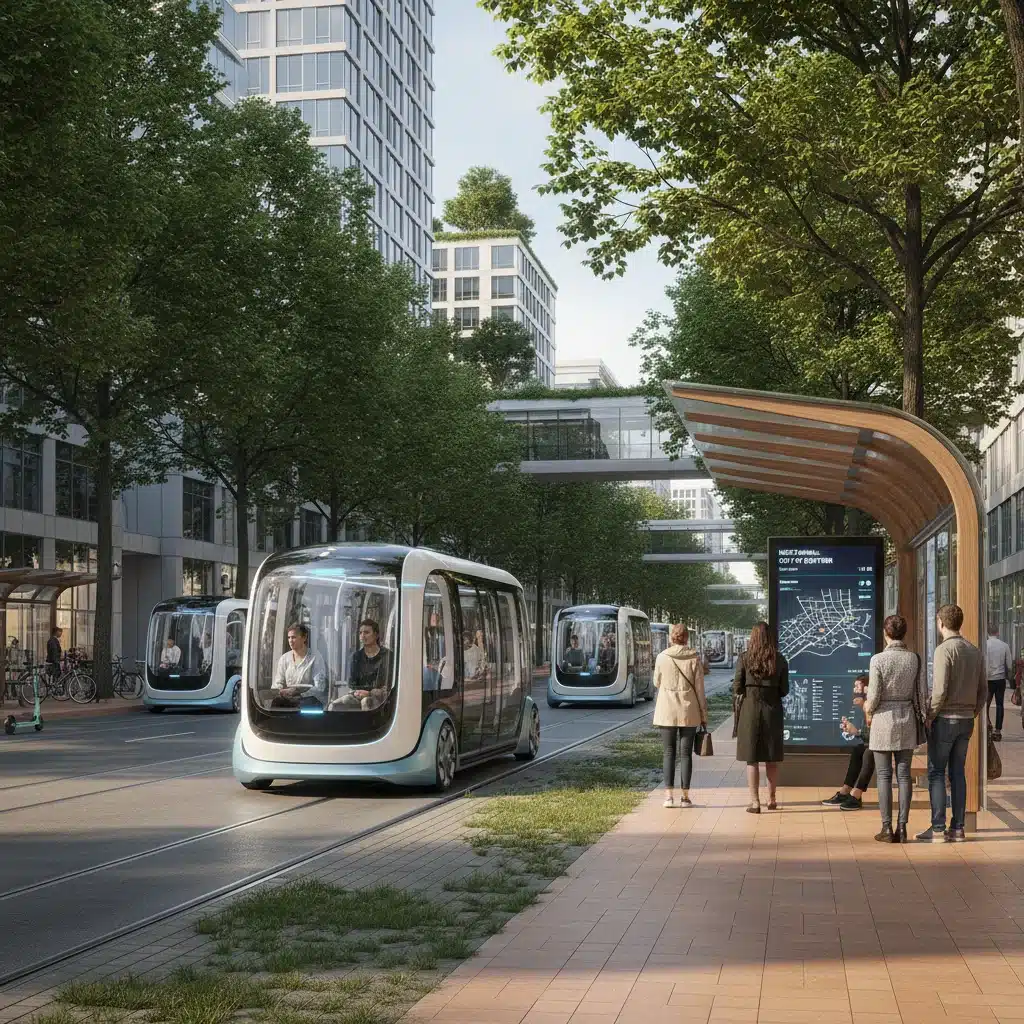
3. Electric Vehicle (EV) Infrastructure and Autonomous Transport: The transition to electric vehicles is a cornerstone of sustainable urban transportation. Smart cities are investing heavily in EV charging infrastructure, making it easier and more convenient for residents to adopt electric cars. Furthermore, the development of autonomous public transportation systems, often electric, promises to revolutionize urban mobility. These systems can optimize routes, reduce human error, and operate with greater energy efficiency, further diminishing emissions from the transport sector. The integration of ride-sharing platforms with smart city infrastructure can also reduce the number of private vehicles on the road.
4. Artificial Intelligence (AI) and Machine Learning (ML): AI and ML algorithms are used to process the vast amounts of data collected by smart city sensors. These technologies can predict traffic congestion, optimize public transport schedules, manage energy demand, and even identify patterns in waste generation. Predictive analytics can help cities anticipate problems before they occur, allowing for proactive solutions that improve efficiency and reduce resource consumption. For instance, AI-powered traffic lights can adapt to real-time traffic conditions, minimizing idling time and fuel waste.
5. Green Building Technologies and Retrofits: Beyond smart controls, the materials and design of buildings themselves are critical. Innovations in green building technologies include advanced insulation, energy-efficient windows, and building-integrated photovoltaics (BIPV). Smart cities are also focusing on retrofitting older buildings with these technologies, which often offer significant returns on investment in terms of energy savings and carbon reductions. The use of sustainable construction materials, such as recycled content and low-carbon concrete, also plays a role in reducing the embodied carbon of urban infrastructure.
6. Urban Green Infrastructure: While not always strictly ‘technology’ in the digital sense, urban green infrastructure like green roofs, vertical gardens, and urban forests are technologically integrated solutions. They use natural processes to manage stormwater, reduce urban heat island effects, improve air quality, and sequester carbon. Smart irrigation systems, for example, use weather data and soil moisture sensors to optimize water use for these green spaces, ensuring their effectiveness and sustainability. These natural solutions are critical for creating resilient and breathable urban environments.
Successful US Smart City Programs and Their Impact
Numerous US cities have already embarked on ambitious smart city initiatives, demonstrating tangible progress towards carbon emission reductions. Their experiences offer valuable lessons and inspire further innovation in the pursuit of the 12% reduction target by 2026. These examples showcase the diversity of approaches and the significant impact that coordinated efforts can have.
Boston, Massachusetts: Boston has been a leader in smart city sustainability, particularly through its ‘Greenovate Boston’ initiative. The city has focused on improving building energy efficiency through retrofits and stringent building codes, promoting renewable energy adoption, and expanding its public transportation network. Boston’s commitment to reducing emissions from its municipal operations, including electrifying its fleet and optimizing energy use in public buildings, serves as a model. Their efforts have led to notable reductions in energy consumption and greenhouse gas emissions across various sectors, contributing significantly to the overall ‘US Smart Cities Carbon’ goals.
Denver, Colorado: Denver is making significant strides towards becoming a sustainable smart city, with a particular emphasis on renewable energy and sustainable transportation. The city has set aggressive goals for transitioning to 100% renewable electricity and has invested heavily in smart grid technologies. Denver’s approach also includes promoting electric vehicle adoption through charging infrastructure expansion and incentivizing alternative modes of transport like cycling and walking. The city’s ‘Smart City Program’ integrates data from various urban systems to optimize resource allocation and improve environmental outcomes, showcasing a holistic approach to carbon reduction.
Portland, Oregon: Often cited as a pioneer in urban sustainability, Portland continues to innovate with its smart city initiatives. The city’s focus on sustainable land use planning, robust public transit, and a strong culture of cycling has long contributed to lower per capita emissions. More recently, Portland has integrated smart technologies to further enhance its environmental performance, including smart street lighting that reduces energy consumption and smart stormwater management systems that mitigate urban runoff and improve water quality. Their long-term commitment to green infrastructure and community engagement reinforces their position as a leader in ‘US Smart Cities Carbon’ reduction.
Austin, Texas: Austin’s smart city efforts are characterized by a strong focus on energy innovation and resilience. The city’s utility, Austin Energy, has been at the forefront of integrating renewable energy sources and developing a sophisticated smart grid. Austin’s ‘Smart City Challenge’ focused on improving mobility for underserved communities while reducing emissions through electric autonomous vehicles and smart traffic management. The city’s commitment to data-driven decision-making helps optimize resource use and accelerate its journey towards carbon neutrality, demonstrating how technology can be a powerful enabler for environmental goals.
San Francisco, California: San Francisco’s comprehensive approach to sustainability includes ambitious goals for zero waste, renewable energy, and sustainable transportation. The city utilizes smart technologies to manage its complex urban environment, from intelligent traffic systems to smart waste collection. San Francisco has also been a leader in green building policies, requiring new constructions to meet high sustainability standards. Their efforts to electrify transportation, including public transit and ride-sharing fleets, coupled with significant investment in renewable energy, are pivotal to their ‘US Smart Cities Carbon’ reduction strategy.

These examples illustrate that while the specific initiatives may vary, a common thread runs through successful smart city programs: a commitment to leveraging technology, fostering collaboration, and implementing forward-thinking policies. The accumulated impact of these individual city efforts is what will ultimately drive the national 12% carbon emission reduction target by 2026.
Challenges and Opportunities on the Path to 2026
Achieving a 12% reduction in carbon emissions across US smart cities by 2026 is an ambitious goal that comes with its own set of challenges, alongside numerous opportunities for innovation and growth. Navigating these complexities will be crucial for the continued success of ‘US Smart Cities Carbon’ reduction efforts.
Challenges:
1. Funding and Investment: Implementing smart city technologies and sustainable infrastructure requires substantial capital investment. Securing adequate funding, especially for smaller municipalities, can be a significant hurdle. While federal grants and private sector partnerships help, the long-term financial sustainability of these projects remains a concern.
2. Data Privacy and Security: Smart cities rely heavily on collecting and analyzing vast amounts of data. Ensuring the privacy and security of this data is paramount. Concerns about surveillance and potential data breaches can hinder public acceptance and trust, complicating the deployment of new technologies.
3. Interoperability and Standardization: Different smart city technologies and platforms often operate in silos, making integration and data sharing challenging. A lack of standardized protocols can impede the holistic optimization of city services and limit the potential for comprehensive carbon reduction strategies.
4. Public Engagement and Equity: For smart city initiatives to be truly effective and equitable, they must have the support and involvement of all community members. Bridging the digital divide and ensuring that technologies benefit all segments of the population, including underserved communities, is a significant challenge. Without broad public buy-in, even the most innovative solutions may struggle to achieve their full potential.
5. Regulatory and Policy Barriers: Existing regulations and bureaucratic processes may not always be conducive to the rapid deployment of new smart city technologies. Outdated zoning laws, permitting processes, and procurement policies can slow down progress and increase implementation costs.
Opportunities:
1. Economic Development and Job Creation: Investment in smart city infrastructure and green technologies creates new jobs in sectors ranging from technology development and manufacturing to installation and maintenance. This can stimulate local economies and provide new opportunities for a skilled workforce, reinforcing the economic benefits of ‘US Smart Cities Carbon’ reduction.
2. Enhanced Urban Resilience: Smart city technologies can significantly improve a city’s resilience to climate change impacts, such as extreme weather events. Smart grids, for example, are more robust and can recover faster from outages. Green infrastructure helps manage stormwater and mitigate urban heat, making cities more livable and adaptable.
3. Improved Quality of Life: Beyond environmental benefits, smart city initiatives lead to a higher quality of life for residents. Reduced traffic congestion, cleaner air, more efficient public services, and better access to green spaces all contribute to healthier and more enjoyable urban environments. The focus on sustainability often aligns directly with improvements in public health and well-being.
4. Innovation and Technological Advancement: The drive for carbon reduction fosters continuous innovation in sustainable technologies and urban planning. This creates a fertile ground for startups, research institutions, and established companies to develop and test new solutions, positioning US cities at the forefront of global smart city development.
5. Global Leadership and Knowledge Sharing: By successfully implementing carbon reduction strategies, US smart cities can serve as models for other cities worldwide. Sharing best practices, data, and technological solutions can accelerate global efforts to combat climate change and build more sustainable urban futures. This leadership role can also open doors for international collaborations and partnerships.
Addressing these challenges while capitalizing on the opportunities will require adaptive governance, continuous innovation, and strong community partnerships. The journey to 2026 is not just about meeting a numerical target; it’s about building a more sustainable, equitable, and resilient future for urban populations across the United States.
The Future Outlook: Beyond 2026 for US Smart Cities
While the 12% carbon emission reduction target by 2026 is a crucial near-term milestone, the vision for ‘US Smart Cities Carbon’ sustainability extends far beyond this date. The initiatives currently underway are laying the groundwork for a more profound and sustained transformation towards carbon-neutral or even carbon-negative urban environments. The momentum generated by these programs is expected to accelerate, driven by ongoing technological advancements, evolving policy landscapes, and increasing public demand for greener cities.
One of the key trends for the post-2026 era will be the deeper integration of artificial intelligence and machine learning into every facet of urban management. AI will move beyond optimization to predictive and prescriptive analytics, enabling cities to anticipate environmental challenges and implement solutions before they escalate. For example, AI could predict energy demand fluctuations with even greater accuracy, allowing for more precise management of renewable energy sources and storage, thereby further minimizing reliance on fossil fuels.
The electrification of transportation is also set to expand dramatically. Beyond private EVs and public transit, we can anticipate a significant shift towards electric freight and logistics, with autonomous electric delivery vehicles becoming commonplace. Urban air mobility, using electric vertical take-off and landing (eVTOL) aircraft, could also emerge as a new, low-carbon mode of transport, further diversifying sustainable mobility options and reducing ground-level emissions. This will require massive investments in charging infrastructure and smart grid enhancements to handle the increased electrical load.
Furthermore, the concept of the ‘circular economy’ will likely become more central to smart city planning. This involves designing out waste and pollution, keeping products and materials in use, and regenerating natural systems. Smart cities will leverage IoT and AI to track material flows, facilitate recycling and reuse, and optimize resource recovery from waste streams, moving towards a zero-waste future. This not only reduces emissions from waste management but also conserves natural resources.
The role of citizens will also evolve. With more sophisticated smart home technologies and community-level energy management systems, residents will become more active participants in the energy ecosystem. Gamification and incentive programs could encourage greater energy conservation and participation in demand-response initiatives. Citizen science initiatives, where residents contribute data on environmental conditions, will also empower communities and foster a shared sense of responsibility for urban sustainability.
Policy frameworks will need to adapt to support these advancements. This includes developing new regulatory standards for emerging technologies, fostering cross-sector collaboration, and ensuring that sustainable development is equitable and inclusive. Federal and state governments will continue to play a vital role in providing funding, setting ambitious targets, and creating an enabling environment for innovation. The emphasis will shift from achieving specific targets to embedding sustainability as a core principle of urban governance and development.
Ultimately, the journey of ‘US Smart Cities Carbon’ reduction is a continuous one. The 12% target by 2026 is a significant milestone that demonstrates the feasibility and impact of smart city initiatives. As cities learn, adapt, and innovate, they will continue to push the boundaries of what is possible, paving the way for a future where urban living is synonymous with environmental stewardship and a thriving, resilient planet.