Transportation technology for smart highways: the future ahead
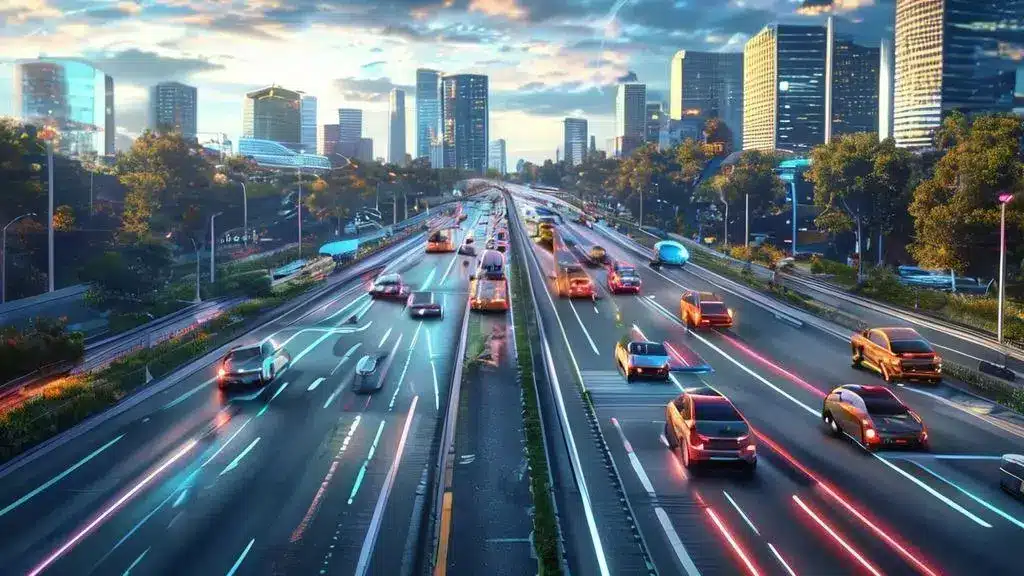
Transportation technology for smart highways enhances traffic management, safety, and environmental efficiency through advanced systems, although it faces challenges like implementation costs and public acceptance.
Transportation technology for smart highways is changing the way we think about road travel. You may wonder how these innovations could affect your daily commute and overall travel efficiency. Let’s delve into the exciting developments in this field.
Overview of transportation technology for smart highways
The overview of transportation technology for smart highways discusses how modern innovations are revolutionizing our road systems. With the rise of technology, the way we navigate and travel is changing rapidly.
Innovative sensors and smart traffic management systems are making our highways more efficient. These technologies help control traffic flow, minimize congestion, and enhance safety for all drivers. Imagine less time stuck in traffic and more time reaching your destination smoothly.
Key Components of Smart Highways
Several essential elements contribute to the success of smart highways. These include:
- Real-time data collection: Smart highways use sensors to gather data on traffic patterns and weather conditions.
- Adaptive traffic signals: Signals that adjust based on traffic flow, reducing wait times.
- Vehicle-to-infrastructure communication: Enables vehicles to communicate with road systems for enhanced safety and efficiency.
As technology advances, we are likely to see even more improvements. For instance, autonomous vehicles rely heavily on smart highway systems to operate effectively. These cars need accurate data from the roads to navigate safely.
Furthermore, incorporating renewable energy sources in smart highways can significantly reduce their environmental impact. Imagine highways that are not only efficient but also sustainable. Such integration can help support a greener future and promote cleaner transportation options.
Benefits of Smart Highway Technology
Implementing transportation technology also comes with various benefits, such as:
- Improved safety for drivers and pedestrians.
- Reduced travel time and fuel consumption.
- Enhanced road maintenance through predictive analytics.
With these advancements, we can expect a shift in transportation patterns and the way we interact with our travel environment. Smart highways aim to create a connected system that adapts to the needs of the users. By investing in transportation technology, we lay the groundwork for the future of travel.
Key innovations shaping smart highways
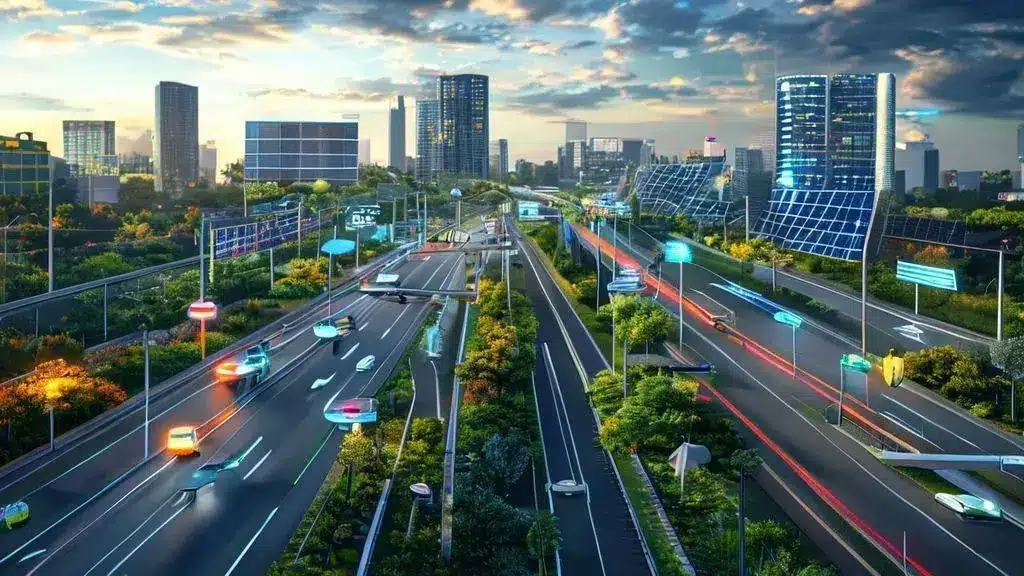
The key innovations shaping smart highways are revolutionizing the way we travel and interact with our road systems. These advancements are not just about convenience; they aim to enhance safety, increase efficiency, and reduce environmental impact.
One of the most significant innovations is the use of wireless communication systems. These systems connect vehicles to infrastructure, allowing for real-time data exchange. This communication helps in managing traffic flow and reducing congestion on busy routes.
Advanced Traffic Management Systems
Traffic management systems are evolving to incorporate smart technologies. These systems can adjust traffic signals based on real-time data. For example, if a road is congested, the traffic lights can change to allow more cars to pass through.
- Dynamic lane management: Lanes can be opened or closed based on traffic conditions.
- Incident detection systems: These systems quickly identify accidents and alert drivers.
- Travel time estimation: Provides accurate information about expected travel times, allowing drivers to make informed decisions.
Another innovation is the integration of smart sensors embedded in the road surface. These sensors collect data on traffic volumes, vehicle speeds, and the condition of the roads. This information helps maintain highways and enhance safety by detecting issues before they become serious problems.
Autonomous vehicle technology is also shaping the future of smart highways. As more self-driving cars are developed, roads must be designed to accommodate them. This involves creating dedicated lanes and systems that allow these vehicles to communicate with one another and the infrastructure around them.
Renewable Energy Integration
Innovations extend to energy sources as well. Incorporating renewable energy into highway design is becoming a priority. Solar panels and wind turbines can power lights and charging stations along the roads. This not only reduces reliance on fossil fuels but also helps reduce the carbon footprint of transportation.
These innovations highlight how technology is transforming our roadways into smart highways. As we continue to embrace these advancements, we can expect safer, more efficient, and sustainable travel for all.
Benefits of smart highways for commuters
The benefits of smart highways for commuters are numerous and impactful. These advancements in transportation technology aim to improve the overall travel experience. With smart highways, commuters can expect safer, more efficient, and more enjoyable journeys.
One of the primary advantages is the reduction of traffic congestion. Smart highways use real-time data to optimize traffic flow. This means fewer delays for drivers, leading to less time spent on the road. Imagine getting to your destination faster and with less stress.
Enhanced Safety Features
Safety is another crucial benefit of smart highways. These roads are equipped with advanced technologies that help detect issues before they escalate. For instance, sensors can monitor road conditions and alert drivers about hazards like ice or debris.
- Automatic traffic alerts: Drivers receive notifications about accidents or road closures ahead.
- Adaptive traffic signals: Signals can change based on real-time traffic conditions, reducing the likelihood of collisions.
- Emergency response integration: Faster response times for accidents due to real-time data sharing with emergency services.
Moreover, smart highways promote environmental sustainability. By reducing idle times and optimizing traffic flow, emissions from vehicles decrease significantly. This benefits not just commuters but the entire community.
Another noteworthy aspect is the convenience offered by smart highways. Features like dynamic carpool lanes allow drivers to utilize lanes based on traffic patterns. These lanes can change depending on the time of day or traffic conditions.
Improved Travel Experience
Additionally, smart highways incorporate user-friendly technologies, such as apps that provide real-time updates about traffic and travel times. Commuters can plan their routes better, making informed choices that save time.
In the long run, these innovations lead to a higher quality of life for commuters. Faster travels, fewer accidents, and a cleaner environment create a more pleasant commuting experience. Embracing smart highways is a step toward a smarter, more connected future.
Challenges in implementing smart highway technology
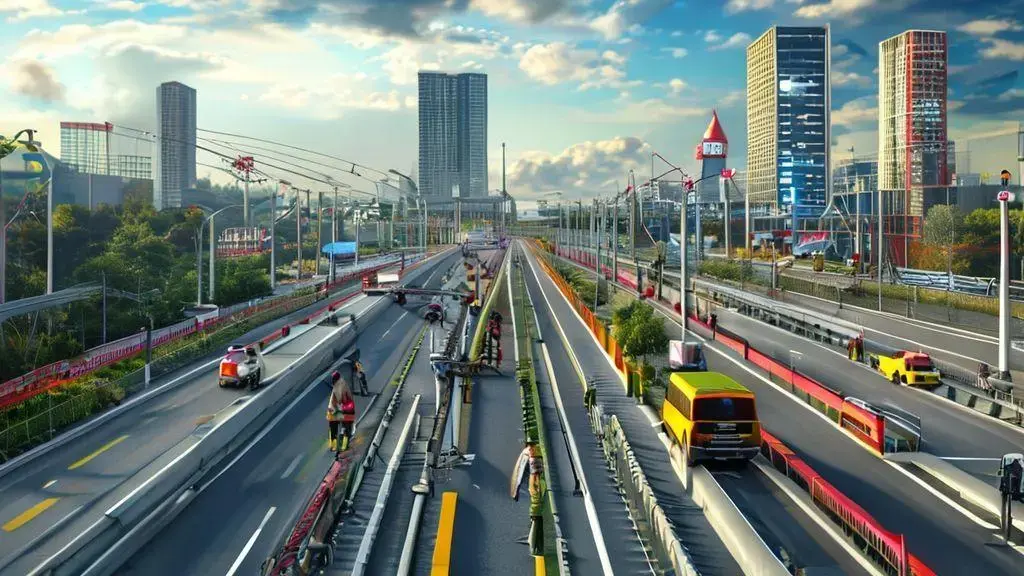
The challenges in implementing smart highway technology are significant and varied. Despite the many benefits, there are obstacles that must be addressed to fully realize the potential of these advancements. Understanding these challenges is crucial for developers and policymakers alike.
One major challenge is the high cost of implementation. Building smart highways requires substantial investment in technology, infrastructure, and maintenance. Governments and private entities must allocate budgets that can be quite large. This can deter some from pursuing smart technologies.
Integration with Existing Infrastructure
Another hurdle is the integration with existing infrastructure. Many roads and highways were not designed with smart technology in mind. Retrofitting these systems can be complicated and expensive. It often involves extensive planning and construction, which can disrupt current traffic patterns.
- Updating old systems: Older traffic signals and signs may need replacement.
- Ensuring compatibility: New technologies must work seamlessly with current systems to be effective.
- Training personnel: Workers need proper training to manage and maintain new technologies.
Public acceptance is another challenge. Many people may be hesitant to embrace new technologies. Concerns about privacy, data security, and the reliability of smart systems can lead to skepticism. Educating the public on the benefits and safety of smart highways is essential to gain their trust.
Data Management Issues
Data management also presents significant challenges. Smart highways will generate massive amounts of data that must be collected, analyzed, and secured. This raises questions about who owns the data and how it will be used. Clear regulations are needed to ensure privacy while still utilizing the data to improve highway efficiency.
Finally, the rapid pace of technology change adds another layer of difficulty. Technologies evolve quickly, and what is cutting-edge today may become outdated tomorrow. Developing systems that can adapt to these changes is vital, but it requires foresight and flexibility.
FAQ – Frequently Asked Questions about Smart Highways
What are smart highways?
Smart highways are road systems enhanced with advanced technologies that improve traffic flow, safety, and efficiency for commuters.
How do smart highways improve safety?
They utilize sensors and real-time data to detect hazards and notify drivers, reducing the risk of accidents.
What are the environmental benefits of smart highways?
Smart highways help decrease emissions by optimizing traffic flow, leading to less time spent in traffic and lower fuel consumption.
What challenges are faced in implementing smart highway technology?
Key challenges include high implementation costs, integration with existing infrastructure, and public acceptance of new technologies.