Smart City Mobility Solutions: Cutting US Commute Times by 15% by Q2 2026
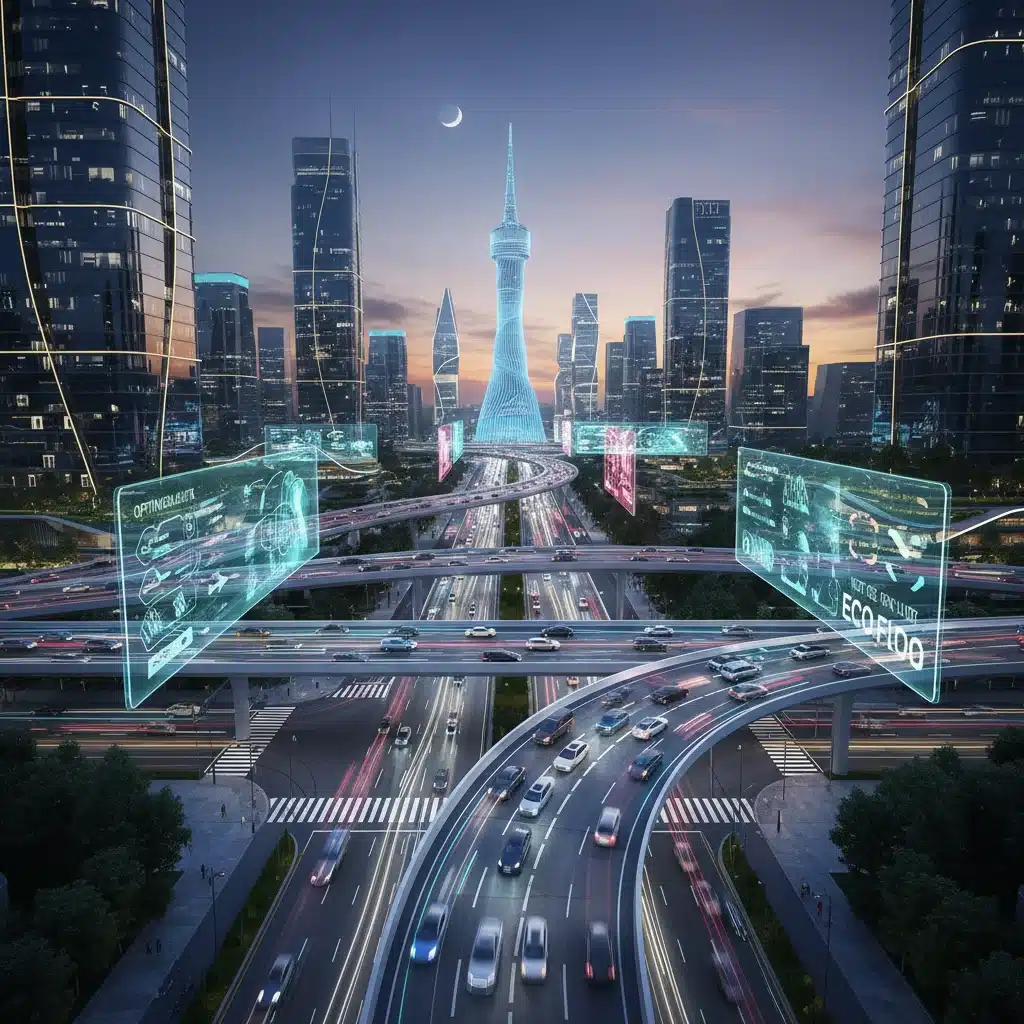
The relentless march of urbanization has brought with it a host of challenges, not least among them the ever-growing burden of daily commutes. Across the United States, millions of hours are lost each day to traffic congestion, impacting productivity, environmental quality, and overall quality of life. However, a new paradigm is emerging, one where technology and data converge to redefine urban transportation: Smart City Mobility. This comprehensive analysis delves into how advanced data-driven solutions are poised to reduce US commute times by a significant 15% by Q2 2026, transforming our cities into more efficient, sustainable, and livable spaces. The ambition is not merely to alleviate traffic but to fundamentally rethink how people and goods move within urban environments.
The concept of Smart City Mobility transcends simple traffic management; it encompasses a holistic approach to urban transportation that leverages interconnected systems, real-time data, and predictive analytics. From intelligent traffic signals to integrated public transit networks and autonomous vehicle infrastructure, the components of a smart mobility ecosystem are designed to work in concert, optimizing flow and minimizing delays. This article will explore the technological underpinnings, strategic implementations, and policy frameworks necessary to achieve this ambitious 15% reduction, examining case studies, future trends, and the socio-economic impact of such a transformation.
The promise of a 15% reduction in commute times is not a utopian dream but a tangible goal, achievable through concerted efforts and smart investments. It requires a shift from reactive problem-solving to proactive, data-informed planning. By understanding the intricate dynamics of urban movement, cities can anticipate bottlenecks, reroute traffic, and encourage more efficient modes of transport. This means a future where your daily journey is not just faster, but also more predictable, less stressful, and more environmentally friendly. The journey towards this future has already begun, with cities across the nation experimenting with cutting-edge solutions, laying the groundwork for a truly integrated and intelligent transportation landscape.
The Foundation of Smart City Mobility: Data-Driven Insights
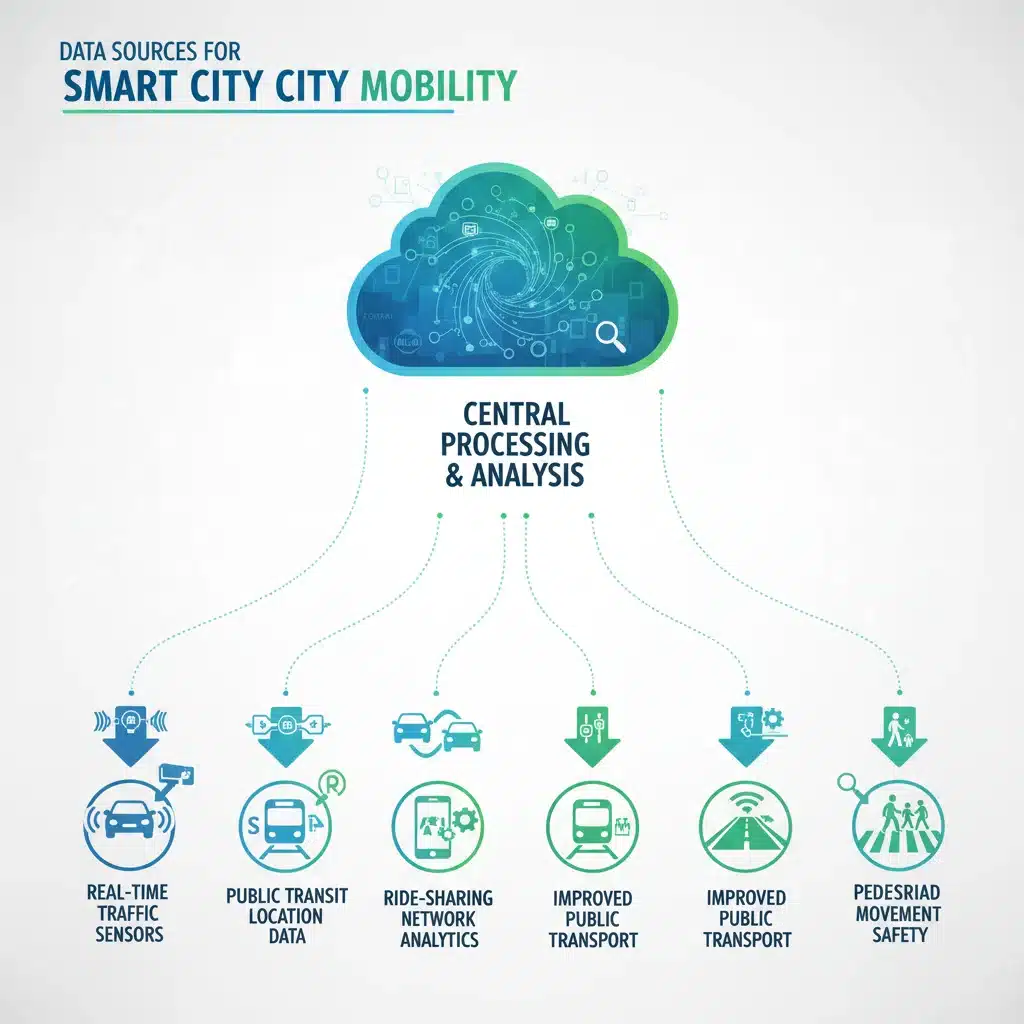
At the heart of any effective Smart City Mobility strategy lies data. Tremendous volumes of information are generated constantly from various sources: traffic sensors embedded in roadways, GPS devices in vehicles, public transit tracking systems, mobile phone location data, and even pedestrian movement sensors. The challenge and the opportunity lie in collecting, processing, and analyzing this data to extract actionable insights. This data forms the bedrock upon which intelligent transportation systems are built, enabling real-time decision-making and long-term strategic planning.
Real-time data feeds are crucial for dynamic traffic management. Imagine a system that can detect an impending traffic jam on a major arterial road, then automatically adjust traffic light timings on feeder roads to divert vehicles, or send alerts to commuters suggesting alternative routes or public transport options. This is not science fiction; it’s the present and future of Smart City Mobility. Predictive analytics takes this a step further, using historical data and machine learning algorithms to forecast traffic patterns based on variables like weather, special events, and time of day. This allows city planners and traffic managers to anticipate congestion before it occurs, implementing preventive measures rather than merely reacting to problems.
The integration of data from disparate sources is also key. A truly smart mobility system doesn’t just look at car traffic; it considers the movement of buses, trains, bicycles, and pedestrians. By understanding the multimodal nature of urban travel, cities can optimize the entire transportation network. For instance, if a subway line experiences a delay, the system could automatically increase bus frequency on parallel routes and inform commuters of these changes. This interconnectedness ensures that the entire system works as a cohesive unit, maximizing efficiency across all modes of transport.
Furthermore, data insights extend beyond operational efficiency. They are vital for urban planning and infrastructure development. By analyzing long-term traffic trends and commuter behavior, cities can make informed decisions about where to build new roads, expand public transit, or create dedicated bike lanes. This data-driven approach ensures that investments in transportation infrastructure are strategic and impactful, addressing real needs and anticipating future growth. The goal is to create a resilient and adaptable transportation system that can evolve with the city’s demands.
The collection and analysis of data also raise important questions about privacy and data security. Implementing robust anonymization techniques and adhering to strict data governance policies are paramount to building public trust and ensuring ethical use of this powerful resource. Transparency in how data is used and the benefits it provides to citizens will be critical for widespread adoption and acceptance of Smart City Mobility initiatives. A balance must be struck between leveraging data for public good and protecting individual privacy.
Technological Pillars of Reduced Commute Times
Achieving a 15% reduction in US commute times by Q2 2026 hinges on the successful deployment and integration of several key technologies. These technologies form the backbone of modern Smart City Mobility, working in concert to create a more efficient and responsive transportation ecosystem.
Intelligent Traffic Systems (ITS)
ITS are perhaps the most direct contributors to reducing commute times. These systems leverage sensors, cameras, and communication networks to monitor traffic flow in real-time. Adaptive traffic signals, a core component of ITS, dynamically adjust their timing based on current road conditions, rather than operating on fixed schedules. This means longer green lights for congested directions and shorter waits for less busy ones, significantly improving throughput at intersections. Advanced ITS can also manage highway ramps, control variable speed limits, and provide real-time incident detection and response, all aimed at keeping traffic moving smoothly.
Integrated Public Transportation Networks
A robust and efficient public transportation system is fundamental to reducing reliance on private vehicles and, consequently, commute times. Smart City Mobility integrates various public transport modes – buses, trains, subways, light rail, and even ferries – into a single, cohesive network. This integration includes unified ticketing systems, real-time arrival and departure information accessible via mobile apps, and demand-responsive transit services that can adapt routes and schedules based on rider demand. By making public transport more convenient, predictable, and attractive, cities can encourage a modal shift away from single-occupancy vehicles, freeing up road space and reducing congestion.
Autonomous Vehicles (AVs) and Connected Vehicle Technology (CVT)
While fully autonomous vehicles are still some years away from widespread deployment, their integration into Smart City Mobility strategies is crucial for long-term commute reduction. AVs have the potential to optimize traffic flow through more consistent speeds, closer following distances, and reduced human error. Connected Vehicle Technology (CVT), which allows vehicles to communicate with each other (V2V) and with infrastructure (V2I), is an immediate precursor and enabler for AVs. CVT can provide drivers with real-time information about road conditions, hazards, and traffic signals, leading to smoother traffic flow, fewer accidents, and less time wasted in stop-and-go traffic. This communication network is a vital component for future traffic optimization.
Micro-mobility and Shared Mobility Solutions
The rise of micro-mobility (e-scooters, e-bikes) and shared mobility services (ride-sharing, car-sharing) offers flexible and sustainable alternatives for short-distance travel and the ‘last mile’ problem. Cities are integrating these options into their Smart City Mobility frameworks by providing dedicated infrastructure (bike lanes, charging stations), regulatory frameworks for their operation, and integrating them into multimodal transportation apps. By offering convenient alternatives to driving, especially for shorter trips, these solutions can significantly reduce the number of vehicles on the road, thereby easing congestion and reducing overall commute times.
Smart Parking Systems
A significant portion of urban congestion is caused by drivers circling to find parking. Smart parking systems utilize sensors and real-time data to guide drivers to available parking spaces, either on-street or in garages. This not only reduces cruising time but also alleviates traffic caused by slow-moving vehicles searching for parking. Dynamic pricing models for parking can also be implemented to encourage parking in less congested areas or to incentivize public transport use during peak hours. This seemingly small intervention can have a surprisingly large impact on overall traffic flow and commute efficiency within urban cores.
Strategic Implementation and Policy Frameworks
Technology alone is insufficient to achieve the ambitious goal of a 15% reduction in US commute times. Effective implementation requires robust strategic planning, supportive policy frameworks, and strong collaboration between various stakeholders. Cities must adopt a holistic approach that considers urban planning, public engagement, and sustainable funding models.
Integrated Urban Planning
Smart City Mobility cannot exist in a vacuum; it must be deeply integrated with broader urban planning initiatives. This means designing cities that are inherently more walkable and bikeable, promoting mixed-use developments that reduce the need for long commutes, and strategically locating public transit hubs. Transit-Oriented Development (TOD) is a prime example, where residential, commercial, and leisure spaces are built around public transport nodes, encouraging residents to rely less on private vehicles. By reducing trip distances and increasing the viability of alternative transport modes, urban planning plays a foundational role in commute time reduction.
Public-Private Partnerships (PPPs)
The development and deployment of advanced Smart City Mobility solutions often require significant investment and specialized expertise. Public-Private Partnerships (PPPs) are essential for leveraging the innovation and capital of the private sector while ensuring that projects align with public good objectives. Collaborations with technology companies, transportation service providers, and research institutions can accelerate the adoption of new technologies and best practices. These partnerships can also facilitate data sharing agreements, leading to more comprehensive and effective mobility solutions.
Policy and Regulatory Innovation
Governments at local, state, and federal levels have a critical role to play in creating an enabling environment for Smart City Mobility. This includes updating zoning laws to support TOD, developing regulations for autonomous vehicles and micro-mobility services, and implementing congestion pricing schemes or low-emission zones to manage traffic demand. Policies that incentivize public transport use, cycling, and walking, such as tax breaks for transit passes or subsidies for electric bikes, can also drive behavioral change. Furthermore, establishing common data standards and interoperability protocols is vital for ensuring seamless integration across different systems and jurisdictions.
Citizen Engagement and Behavioral Change
Ultimately, the success of Smart City Mobility depends on citizen adoption and behavioral change. People need to be informed about new transportation options, understand their benefits, and be encouraged to switch from single-occupancy vehicles to more sustainable and efficient modes. Public awareness campaigns, incentive programs, and user-friendly mobile applications that provide real-time multimodal travel information are crucial for fostering this shift. Cities can also use data to understand commuter preferences and pain points, tailoring solutions that are genuinely attractive and convenient for their residents. Education and encouragement are as important as infrastructure and technology.
Case Studies and Success Stories
While the goal of a 15% reduction by Q2 2026 is ambitious, several cities are already demonstrating the tangible benefits of Smart City Mobility initiatives, providing valuable blueprints for others to follow. These examples highlight the diverse approaches and the significant impact that data-driven solutions can have on urban congestion.
Los Angeles: AI-Powered Traffic Management
Los Angeles, a city synonymous with traffic, has invested heavily in an intelligent traffic system that uses AI to synchronize over 4,500 traffic lights across the city. This system, known as the Automated Traffic Surveillance and Control (ATSAC) system, constantly monitors traffic flow and adjusts signal timings in real-time. While a precise city-wide commute reduction figure is challenging to pinpoint due to the city’s vastness and dynamic growth, studies have shown significant improvements in travel times on monitored corridors. For instance, downtown LA has reported up to a 16% reduction in travel times during peak hours and a 50% reduction in delays at intersections where ATSAC is fully implemented. This demonstrates the power of smart traffic signals in a large, complex urban environment.
Singapore: Integrated Urban Mobility Platform
Often cited as a leader in smart city initiatives, Singapore has developed a highly integrated urban mobility platform. It combines real-time data from various sources, including public transport, taxis, and private vehicles, to provide commuters with comprehensive travel information and optimized route suggestions. The Land Transport Authority (LTA) uses predictive analytics to manage congestion, deploy demand-responsive shuttle services, and dynamically adjust public transport schedules. While not a US city, Singapore’s success in reducing reliance on private cars and maintaining efficient traffic flow, even with high population density, offers a compelling model for what fully integrated Smart City Mobility can achieve.
Pittsburgh: Smart Traffic Signals and Public Transit Integration
Pittsburgh has implemented a smart traffic signal system called Surtrac, developed by Carnegie Mellon University. This system uses AI to optimize traffic flow in real-time at individual intersections and across corridors. Initial deployments showed a 25% reduction in travel time and a 40% reduction in waiting time at intersections. Pittsburgh is also actively working on integrating its public transit system with ride-sharing and micro-mobility options, aiming to create a seamless multimodal travel experience. These efforts, though on a smaller scale than LA, demonstrate how targeted Smart City Mobility interventions can yield substantial local improvements.
Denver: Multimodal Transportation Planning
Denver has been focusing on multimodal transportation planning, expanding its light rail system, improving bike infrastructure, and integrating ride-sharing and bike-sharing services into its urban fabric. Through its ‘Smart City Program,’ Denver is deploying connected vehicle technology and intelligent infrastructure to improve safety and efficiency. While a 15% reduction is an ongoing goal, Denver’s strategic investments in diverse transportation options and smart infrastructure are steadily leading to more efficient commutes and a higher quality of urban life. Their focus on providing viable alternatives to driving is a key component of their Smart City Mobility strategy.
The Economic and Environmental Dividends of Reduced Commute Times
The benefits of a 15% reduction in US commute times extend far beyond individual convenience. Such a transformation would yield significant economic and environmental dividends, bolstering urban prosperity and sustainability.
Economic Impact
Time spent commuting is time not spent working, studying, or engaging in leisure activities. Reduced commute times translate directly into increased productivity for businesses and individuals. A 15% reduction could unlock billions of dollars in economic value annually through more efficient labor utilization. Businesses benefit from a more punctual workforce and reduced transportation costs for goods. Moreover, cities with efficient transportation networks are more attractive to businesses and skilled labor, fostering economic growth and competitiveness. Reduced fuel consumption due to less idling and smoother traffic flow also leads to savings for commuters and reduced operational costs for commercial fleets.
Environmental Benefits
Traffic congestion is a major contributor to air pollution and greenhouse gas emissions. Less time spent in traffic means less fuel burned, leading to a significant reduction in harmful pollutants and carbon footprint. Smoother traffic flow, facilitated by Smart City Mobility systems, optimizes engine performance, further decreasing emissions. Furthermore, by encouraging a shift towards public transport, cycling, and walking, smart mobility solutions actively promote sustainable modes of transport, contributing to cleaner air and healthier urban environments. This aligns with broader climate change mitigation goals and improves public health outcomes, particularly in densely populated areas.
Improved Quality of Life
Perhaps the most profound impact of reduced commute times is on the quality of life for urban residents. Less time stuck in traffic means more time for family, hobbies, rest, and personal development. Reduced stress levels associated with commuting can lead to better mental and physical health. Cities become more livable, vibrant, and equitable when transportation is efficient and accessible to all. This improved quality of life can lead to higher resident satisfaction, stronger community ties, and a more positive urban experience overall. The intangible benefits of a less stressful daily journey are immense and contribute significantly to overall societal well-being.
Challenges and the Path Forward to Q2 2026
While the vision for Smart City Mobility is compelling, achieving a 15% reduction in US commute times by Q2 2026 presents several challenges that must be addressed proactively. These include technological hurdles, funding constraints, regulatory complexities, and the need for sustained public and political will.
Data Integration and Interoperability
A major challenge lies in integrating diverse data sources and ensuring interoperability between different systems and platforms. Cities often have legacy infrastructure and disparate data silos, making it difficult to create a unified view of urban mobility. Developing common data standards, open APIs, and robust data governance frameworks will be crucial for seamless information exchange and system integration. This requires collaboration between municipal departments, public transport agencies, private technology providers, and even neighboring jurisdictions.
Funding and Investment
The upfront investment required for deploying advanced Smart City Mobility infrastructure and technologies can be substantial. Securing adequate funding from federal, state, and local governments, coupled with private sector investment, is critical. Innovative financing models, such as value capture financing, public-private partnerships, and green bonds, will be necessary to fund these ambitious projects. Demonstrating the clear return on investment (ROI) in terms of economic growth, environmental benefits, and improved quality of life will be key to attracting necessary capital.
Cybersecurity and Privacy Concerns
As Smart City Mobility systems become more interconnected and data-dependent, cybersecurity risks and privacy concerns escalate. Protecting sensitive data from breaches and ensuring the ethical use of personal information are paramount. Robust cybersecurity protocols, data anonymization techniques, and clear regulatory frameworks for data privacy must be embedded into every aspect of smart mobility initiatives. Building public trust through transparency and accountability will be essential for the long-term success and adoption of these technologies.
Policy and Regulatory Adaptation
Existing transportation policies and regulations may not be adequate for the rapid pace of technological change in Smart City Mobility. Governments need to be agile in adapting legal and regulatory frameworks to accommodate new technologies like autonomous vehicles, drone delivery, and dynamic ride-sharing. This includes establishing clear guidelines for liability, safety standards, and operational rules for emerging mobility services. Proactive policy development, rather than reactive measures, will be crucial for fostering innovation while ensuring public safety and equity.
Public Acceptance and Equity
Any large-scale transformation of urban transportation must consider public acceptance and ensure equitable access to new mobility solutions. There’s a risk that advanced technologies could exacerbate existing inequalities if not implemented thoughtfully. Ensuring that Smart City Mobility benefits all segments of the population, including low-income communities and those with disabilities, is vital. This means investing in public transport improvements, offering affordable options for micro-mobility, and engaging diverse communities in the planning and implementation process. Bridging the digital divide and ensuring universal access to information and services will be key.
The path to a 15% reduction in US commute times by Q2 2026 is challenging but achievable. It demands a concerted, multi-pronged approach that combines technological innovation with strategic planning, supportive policies, and strong community engagement. By addressing these challenges head-on and learning from successful implementations both domestically and internationally, cities can pave the way for a future where urban mobility is not a source of frustration, but a driver of prosperity and enhanced quality of life.
Conclusion: A Smarter, Faster Future for Urban Commutes
The aspiration of reducing US commute times by 15% by Q2 2026 through advanced Smart City Mobility solutions is a bold yet attainable vision. It represents a paradigm shift in how we conceive, plan, and manage urban transportation, moving from a reactive, car-centric model to a proactive, data-driven, and multimodal ecosystem. The convergence of intelligent traffic systems, integrated public transport, emerging autonomous and connected vehicle technologies, and diverse micro-mobility options offers an unprecedented opportunity to redefine urban living.
Achieving this ambitious goal will not be without its complexities. It demands sustained investment, innovative public-private partnerships, agile policy adaptation, and a commitment to addressing challenges related to data integration, cybersecurity, and equitable access. However, the dividends – economic prosperity, environmental sustainability, and a profoundly improved quality of life for millions of urban dwellers – make the effort unequivocally worthwhile. Cities that embrace these transformations will not only alleviate congestion but will also position themselves as leaders in the 21st century, fostering vibrant, resilient, and human-centric urban environments.
The journey towards a smarter, faster future for urban commutes has already begun. With continued collaboration, technological advancement, and a clear strategic vision, the 15% reduction in US commute times by Q2 2026 is not merely a target but a forthcoming reality that will reshape the American urban landscape for the better. The future of Smart City Mobility is here, and its impact on our daily lives promises to be transformative.