Prepare Your Home for EV Charger: 6-Step Guide 2026
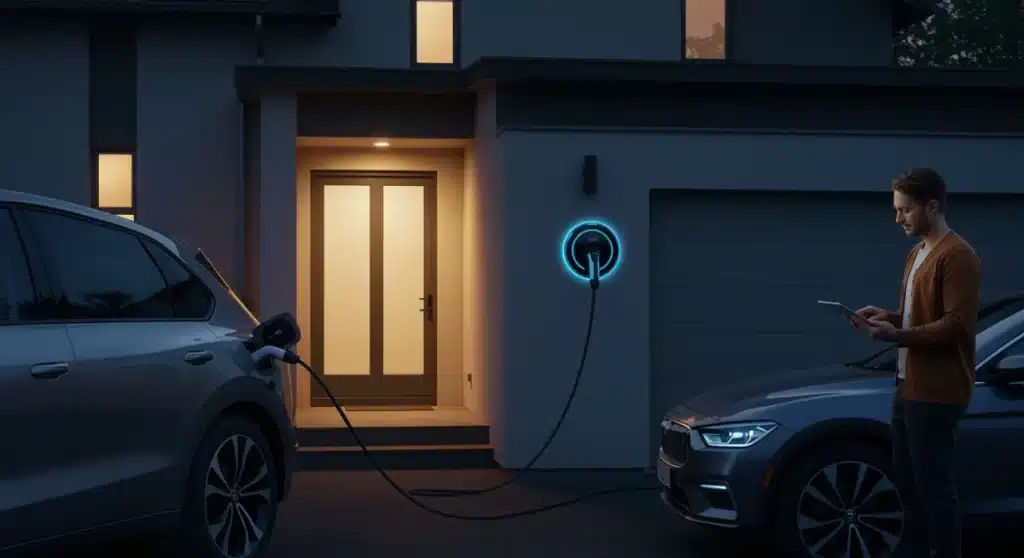
Preparing your home for a new EV charger by 2026 requires a strategic six-step process, encompassing electrical infrastructure upgrades, local permitting, and smart technology integration to ensure optimal performance and safety.
As electric vehicles continue their rapid ascent in popularity, many homeowners are shifting their focus towards convenient and efficient charging solutions. Understanding How to Prepare Your Home for a New EV Charger: A 6-Step Guide for 2026 (PRACTICAL SOLUTIONS) is not just about installing a device; it’s about integrating future-forward technology into your existing infrastructure. This guide will walk you through the essential steps, ensuring your home is ready for the next generation of electric mobility.
Assessing Your Home’s Electrical Capacity
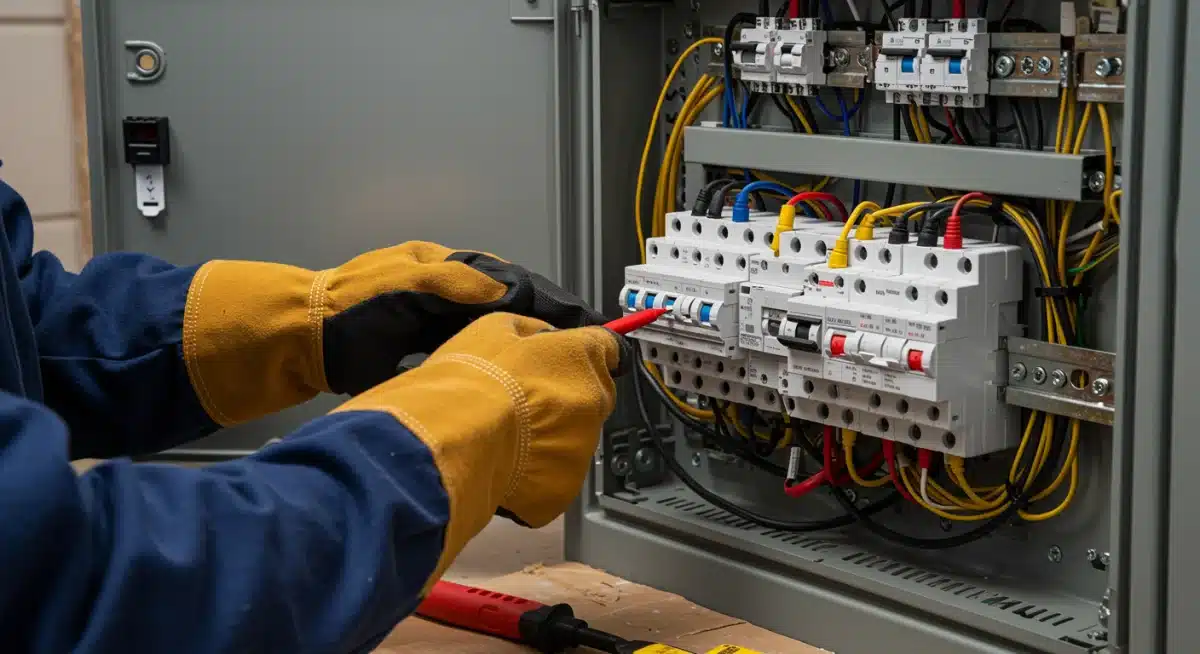
Before any EV charger installation, evaluating your home’s current electrical system is paramount. This initial assessment determines if your existing service panel can handle the additional load of a Level 2 charger, which is the most common and recommended type for residential use due to its faster charging speeds. Overlooking this critical step can lead to tripped breakers, damaged appliances, or even electrical fires, making a professional evaluation indispensable.
A qualified electrician will inspect your main service panel, assessing its amperage rating and available circuit breaker space. Most modern homes have a 200-amp service, which typically suffices for an EV charger alongside other household demands. Older homes, however, might have 100-amp or 150-amp panels, potentially requiring an upgrade to safely accommodate a Level 2 charger.
Understanding Electrical Requirements
Level 2 chargers often require a dedicated 240-volt circuit, similar to what an electric oven or clothes dryer uses. This circuit typically needs a 40-amp or 50-amp breaker, depending on the charger’s power output. Your electrician will confirm if your panel has the capacity and the necessary physical space for such a breaker.
- Panel Amperage: Verify your main electrical panel’s total amperage rating.
- Available Breaker Slots: Ensure there’s an open double-pole slot for the new circuit breaker.
- Wire Gauge: Confirm the existing wiring can safely support the required amperage.
The goal of this assessment is to prevent overloading your electrical system. A comprehensive evaluation by a licensed professional will provide a clear roadmap, identifying any necessary upgrades or modifications before proceeding with the charger purchase and installation. This proactive approach saves time, money, and ensures the safety and reliability of your home charging setup.
Choosing the Right EV Charger for Your Needs
With an understanding of your home’s electrical capacity, the next step involves selecting an EV charger that aligns with your vehicle’s specifications, charging habits, and budget. The market offers a diverse range of chargers, each with distinct features and capabilities. Making an informed decision here impacts your daily charging experience and long-term satisfaction.
Most homeowners opt for Level 2 chargers, which provide significantly faster charging than standard Level 1 (120-volt) outlets. Level 2 chargers can replenish an EV battery in 4 to 8 hours, making them ideal for overnight charging. Key factors to consider include the charger’s power output (measured in kilowatts, kW), cable length, and smart features.
Charger power output directly relates to charging speed. A 32-amp charger typically delivers around 7.7 kW, while a 48-amp charger can provide up to 11.5 kW. Your EV’s onboard charger capacity will dictate how much power it can actually accept, so it’s wise not to overspend on a charger that exceeds your vehicle’s maximum intake.
Smart Charger Features and Benefits
Modern EV chargers often come equipped with smart features that enhance convenience and efficiency. These can include Wi-Fi connectivity, app control, scheduling capabilities, and energy usage tracking. Smart chargers allow you to schedule charging during off-peak hours when electricity rates are lower, potentially saving you money.
- Wi-Fi Connectivity: Enables remote monitoring and control via a smartphone app.
- Charging Schedules: Program charging sessions to optimize for off-peak electricity rates.
- Energy Monitoring: Track electricity consumption for better budgeting.
- Integration with Smart Home Systems: Some chargers can integrate with broader home automation platforms.
Carefully comparing different models and their features will ensure you select a charger that not only meets your current needs but also offers flexibility for future EV upgrades. Consider charger reliability, warranty, and brand reputation to make a choice that provides peace of mind.
Permitting and Local Regulations Compliance
Installing an EV charger is not merely a plug-and-play operation; it often involves navigating local building codes and obtaining necessary permits. Ignoring these regulatory requirements can lead to fines, installation delays, or even the need to redo work, making compliance a crucial step in the preparation process. Local authorities enforce these regulations to ensure safety and adherence to electrical standards.
The specific permitting requirements vary significantly by state, county, and even municipality. Typically, any electrical work that involves modifying your home’s main service panel or installing a new dedicated circuit will require an electrical permit. This process usually involves submitting plans to your local building department, followed by inspections once the work is completed.
Working with Licensed Professionals
A licensed electrician or EV charger installer will be familiar with the local permitting process and can often handle it on your behalf. They can ensure that the installation adheres to the National Electrical Code (NEC) and any local amendments, which are designed to prevent electrical hazards. Attempting to undertake significant electrical work without proper permits and professional expertise can void homeowner’s insurance policies if an incident occurs.
- Consult Local Building Department: Inquire about specific EV charger installation requirements in your area.
- Hire Licensed Electrician: Ensure your installer is licensed and insured, capable of handling permits.
- Understand NEC Standards: Be aware that installations must comply with the National Electrical Code.
Staying informed about these regulations and working with reputable professionals will streamline the installation process, ensuring your EV charger is installed safely, legally, and in accordance with all applicable standards. This due diligence protects your investment and provides long-term peace of mind.
Strategic Placement and Wiring Considerations
Once you’ve assessed your electrical system, chosen a charger, and understood permitting, the next critical step is planning the physical placement of the charger and the associated wiring. Optimal placement not only enhances convenience but also minimizes installation costs and ensures accessibility. Thoughtful planning at this stage can prevent future headaches.
The most common and practical location for an EV charger is in your garage or carport, or on an exterior wall near your primary parking spot. Consider the length of the charging cable and the location of your EV’s charging port. You want the charger to be close enough to easily reach the port without stretching the cable or needing to reposition your vehicle.
Wiring Path and Installation Challenges
The path the electrical wiring takes from your main service panel to the charger location is a significant consideration. Shorter, more direct wiring runs generally translate to lower installation costs. However, obstacles such as finished walls, concrete slabs, or long distances can increase complexity and expense. Your electrician will determine the most efficient and safest wiring route.
- Proximity to Panel: Choose a location as close as possible to your electrical panel to reduce wiring costs.
- Accessibility: Ensure the charger is easily accessible and the cable can comfortably reach your EV’s port.
- Protection from Elements: If outdoors, ensure the charger is rated for outdoor use and ideally sheltered from direct weather.
Discuss these placement and wiring considerations with your electrician during the initial consultation. They can offer insights into the most practical and cost-effective solutions for your specific home layout. Proper planning for charger placement and wiring is key to a seamless and aesthetically pleasing installation.
Understanding Incentives and Rebates for EV Chargers
As part of preparing your home for an EV charger, it’s highly beneficial to explore the various financial incentives and rebates available. Governments, utility companies, and even some manufacturers offer programs designed to reduce the cost of purchasing and installing EV charging equipment. Taking advantage of these can significantly lower your out-of-pocket expenses and make the transition to electric mobility more affordable.
In the United States, federal tax credits, such as the Alternative Fuel Vehicle Refueling Property Credit, have historically offered a percentage of the cost of qualified charging equipment and installation. These credits can change, so it’s essential to check the latest IRS guidelines for the current tax year. State and local governments also frequently provide their own incentives, ranging from direct rebates to grants.
Utility Company Programs and Smart Charging Rewards
Many electric utility companies are actively promoting EV adoption by offering rebates on EV chargers, special time-of-use (TOU) electricity rates for EV owners, and even smart charging programs. TOU rates encourage charging during off-peak hours, which helps balance the grid and can result in lower electricity bills for you.
- Federal Tax Credits: Research current federal incentives for EV charging equipment.
- State and Local Rebates: Check for programs offered by your state, county, or city.
- Utility Company Incentives: Inquire about rebates, special rates, or smart charging programs from your electricity provider.
It’s crucial to research these opportunities thoroughly before making a purchase. Eligibility requirements can vary, and some programs might have specific deadlines or require pre-approval. Consulting with your EV dealership or a qualified installer can also provide valuable information on available incentives, helping you maximize your savings.
Ensuring Safety and Future-Proofing Your Setup
The final, yet continuous, step in preparing your home for an EV charger involves prioritizing safety and considering future technological advancements. A safe installation protects your home and vehicle, while future-proofing ensures your charging setup remains relevant and efficient for years to come. This forward-thinking approach is vital for long-term satisfaction.
Professional installation by a licensed electrician is the cornerstone of a safe EV charging setup. They will ensure all wiring adheres to code, circuit breakers are correctly sized, and proper grounding is in place. Additionally, regular maintenance checks of the charger and electrical connections are recommended, especially if you notice any unusual smells, sounds, or performance issues.
Considering Future EV Technology
While current EV chargers are highly efficient, the technology continues to evolve. When selecting your charger, consider models that offer software update capabilities, which can provide new features or improve performance over time. Also, think about bidirectional charging (Vehicle-to-Grid or Vehicle-to-Home) capabilities, which might become more prevalent by 2026 and beyond.
- Professional Installation: Always use a licensed electrician for installation and major repairs.
- Regular Inspections: Periodically check the charger and wiring for any signs of wear or damage.
- Software Updates: Opt for chargers that support over-the-air software updates.
- Bidirectional Charging Readiness: Consider chargers with potential for future V2G/V2H capabilities.
By investing in a high-quality, professionally installed charger and staying abreast of technological trends, you ensure your home charging solution remains safe, reliable, and adaptable. This commitment to safety and innovation safeguards your investment and provides a seamless EV ownership experience well into the future.
| Key Preparation Step | Brief Description |
|---|---|
| Electrical Assessment | Evaluate your home’s electrical panel and capacity for a Level 2 EV charger. |
| Charger Selection | Choose a charger based on EV compatibility, power output, and smart features. |
| Permitting & Compliance | Obtain necessary local permits and ensure installation meets electrical codes. |
| Incentives Research | Identify and apply for federal, state, and utility rebates to reduce costs. |
Frequently Asked Questions About EV Charger Preparation
Yes, professional installation by a licensed electrician is highly recommended and often required. EV chargers, especially Level 2 units, involve high voltage and dedicated circuits. An electrician ensures safety, compliance with electrical codes, and proper functionality, preventing potential hazards like electrical fires or system overloads. They also handle necessary permits.
Level 1 charging uses a standard 120-volt outlet, offering very slow charging (2-5 miles of range per hour). Level 2 charging utilizes a 240-volt outlet, significantly faster (20-60 miles of range per hour), making it ideal for daily home use. Most homeowners opt for Level 2 for its convenience and efficiency in recharging an EV overnight.
The cost varies widely, typically ranging from $800 to $2,000 or more. Factors influencing this include the type of charger, your home’s existing electrical capacity, the distance from the electrical panel to the charger, and local labor rates. Electrical panel upgrades, if needed, can add significantly to the overall cost, but incentives can help.
Yes, you can charge your EV outdoors, but you must use a charger specifically rated for outdoor use (NEMA 3R or 4X enclosure). Considerations include protection from direct weather, security against theft or tampering, and ensuring the electrical conduit and wiring are appropriately weatherproofed. Proper installation is crucial for safety and charger longevity in outdoor environments.
Besides the initial installation, ongoing costs primarily involve the electricity consumed. These costs depend on your utility’s electricity rates and your driving habits. Some smart chargers or utility programs might have small subscription fees for advanced features. Regular maintenance is minimal, mainly consisting of visual inspections and occasional software updates, if applicable.
Conclusion
Preparing your home for a new EV charger is a significant step towards embracing sustainable transportation and enjoying the convenience of at-home charging. By systematically addressing your home’s electrical capacity, selecting the appropriate charger, navigating permitting, planning strategic placement, and capitalizing on available incentives, you can ensure a seamless and efficient transition. Prioritizing safety and future-proofing your installation guarantees a reliable charging experience that supports your electric vehicle for years to come. This comprehensive approach not only enhances your daily routine but also adds significant value to your property, aligning with the evolving landscape of electric mobility.