Smart City Efficiency: AI Integration for Urban Optimization by 2026
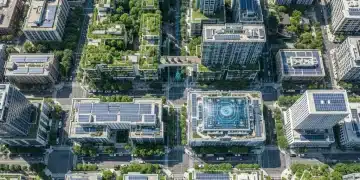
The concept of a Smart City AI is rapidly evolving from a futuristic vision into a tangible reality. As urban populations continue to swell, cities worldwide face unprecedented challenges related to resource management, infrastructure, sustainability, and quality of life. The answer lies in leveraging cutting-edge technologies, primarily Artificial Intelligence, to create more efficient, resilient, and livable urban environments. This comprehensive article delves into how integrated AI solutions are poised to boost urban efficiency by a remarkable 15% by 2026, exploring the mechanisms, benefits, challenges, and future outlook of this transformative trend.
The Dawn of Intelligent Urbanism: What is Smart City AI?
A Smart City AI refers to an urban area that uses various types of electronic methods, voice activation methods, and sensors to collect data. Information gained from that data is used to manage assets, resources, and services efficiently; in return, that data is used to improve the operations across the city. Artificial Intelligence, in this context, acts as the brain behind the city’s nervous system, processing vast amounts of data from interconnected devices (the Internet of Things – IoT) to make informed decisions and automate processes.
The integration of AI isn’t merely about adding new gadgets; it’s about creating a holistic, interconnected ecosystem where every component communicates and cooperates to achieve optimal performance. Imagine a city where traffic flows seamlessly because AI predicts congestion and adjusts signal timings in real-time. Picture a metropolis where energy consumption is minimized through predictive analytics, and waste collection is optimized based on actual fill levels. These aren’t far-fetched dreams but achievable goals with the strategic implementation of Smart City AI.
The ambition to boost urban efficiency by 15% by 2026 is not arbitrary. It reflects the growing maturity of AI technologies and the increasing urgency for cities to address environmental concerns, economic pressures, and social equity. This target signifies a significant leap in operational effectiveness, translating into substantial benefits for both city administrations and their residents.
Key Pillars of Smart City AI Integration
The successful integration of Smart City AI hinges on several fundamental pillars:
- Data Collection and Analysis: At its core, AI thrives on data. Smart cities deploy a myriad of sensors, cameras, and IoT devices to gather real-time information on everything from air quality and noise levels to traffic patterns and utility usage. AI algorithms then process this raw data, identifying patterns, anomalies, and opportunities for optimization.
- Connectivity: A robust and pervasive communication network (5G, fiber optics, Wi-Fi 6) is essential for transmitting the enormous volumes of data generated by smart city infrastructure to central AI systems for processing.
- Intelligent Automation: AI enables the automation of various urban services. This could range from automated waste management systems and smart street lighting that adjusts to pedestrian presence to AI-driven public safety surveillance and predictive maintenance for infrastructure.
- Citizen Engagement: While often overlooked, citizen participation is crucial. Smart city platforms can leverage AI to gather feedback, disseminate information, and provide personalized services, fostering a more engaged and empowered populace.
- Cybersecurity: With massive data collection comes the responsibility of safeguarding it. Advanced AI-driven cybersecurity measures are vital to protect critical infrastructure and citizen privacy from cyber threats.
Revolutionizing Urban Sectors: Where AI Makes the Biggest Impact
The application of Smart City AI is incredibly diverse, touching almost every facet of urban life. Here’s a closer look at the sectors poised for the most significant improvements:
Smart Transportation and Mobility
Traffic congestion is a perennial problem in urban areas, leading to lost productivity, increased pollution, and frustration. AI can fundamentally transform urban mobility:
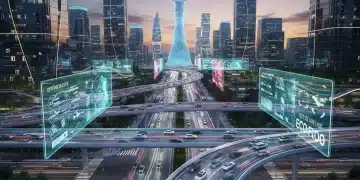
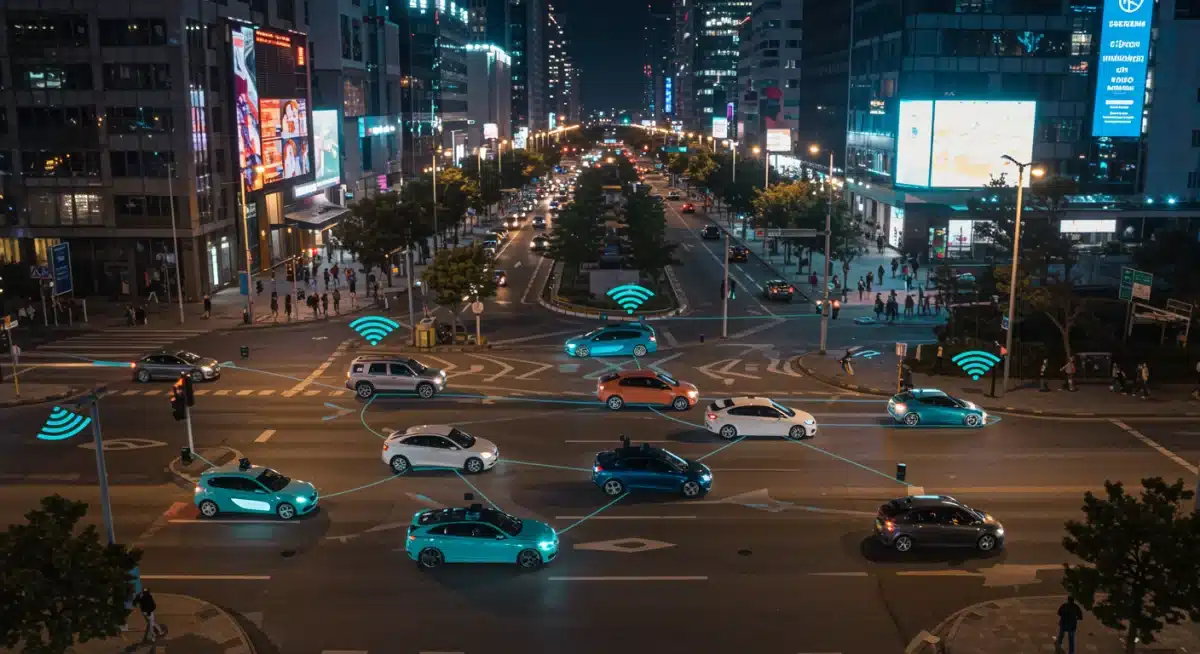
- Intelligent Traffic Management: AI algorithms analyze real-time traffic data from sensors, cameras, and even GPS data from vehicles to dynamically adjust traffic lights, re-route traffic, and manage parking. This can significantly reduce travel times and emissions.
- Autonomous Vehicles: While still in development, autonomous vehicles, powered by AI, promise to revolutionize public and private transportation, leading to safer roads, optimized routes, and reduced need for parking spaces.
- Public Transit Optimization: AI can optimize bus and train schedules, predict demand, and even personalize routes for on-demand public transport services, making public transit more attractive and efficient.
- Predictive Maintenance for Infrastructure: AI can analyze data from road sensors and bridge monitors to predict when maintenance is needed, preventing costly failures and ensuring safety.
Energy Management and Sustainability
Reducing energy consumption and promoting sustainable practices are critical goals for any smart city. AI plays a pivotal role:
- Smart Grids: AI optimizes energy distribution, predicts demand fluctuations, and integrates renewable energy sources more effectively into the grid, reducing waste and improving reliability.
- Building Management Systems: AI-powered systems in smart buildings can control lighting, heating, ventilation, and air conditioning (HVAC) based on occupancy, weather forecasts, and user preferences, leading to significant energy savings.
- Waste Management: AI can optimize waste collection routes based on bin fill levels, identify recycling opportunities, and even detect hazardous waste, making waste management more efficient and environmentally friendly.
- Environmental Monitoring: AI analyzes data from air quality sensors, water quality monitors, and noise detectors to identify pollution hotspots and inform targeted interventions.
Public Safety and Security
Ensuring the safety and security of citizens is a paramount responsibility of city administrations. AI offers powerful tools for this:
- Predictive Policing: AI can analyze crime data to predict potential crime hotspots, allowing law enforcement to deploy resources more effectively and proactively prevent incidents.
- Smart Surveillance: AI-powered cameras can identify suspicious activities, recognize faces (within legal and ethical boundaries), and alert authorities, enhancing situational awareness.
- Emergency Response: AI can optimize emergency vehicle routing, predict the spread of fires, and manage resources during natural disasters, improving response times and saving lives.

Urban Planning and Infrastructure
From initial design to ongoing maintenance, AI can optimize urban planning processes:
- Simulations and Modeling: AI can simulate the impact of new developments on traffic, resource consumption, and environmental factors, allowing planners to make data-driven decisions.
- Resource Allocation: AI can help cities allocate resources more efficiently, whether it’s for public services, infrastructure projects, or disaster relief.
- Digital Twins: Creating a digital replica of the city, powered by AI, allows for real-time monitoring and predictive analysis of urban systems, enabling proactive management and optimization.
The Path to 15% Urban Efficiency by 2026: A Roadmap
Achieving a 15% increase in urban efficiency by 2026 with Smart City AI is an ambitious yet attainable goal. It requires a concerted effort from governments, technology providers, businesses, and citizens. Here’s a possible roadmap:
Phase 1: Foundation and Pilot Programs (Current – 2023)
- Data Infrastructure Development: Investing in robust IoT sensor networks, 5G connectivity, and secure cloud infrastructure for data storage and processing.
- Policy and Regulatory Frameworks: Establishing clear guidelines for data privacy, cybersecurity, and ethical AI use.
- Pilot Projects: Launching small-scale AI initiatives in specific sectors (e.g., smart parking, intelligent street lighting) to demonstrate value and gather lessons learned.
- Public-Private Partnerships: Fostering collaboration between city governments and technology companies to leverage expertise and resources.
Phase 2: Scaled Implementation and Integration (2024 – 2025)
- Cross-Sectoral Integration: Connecting various AI systems to create a more holistic smart city ecosystem, allowing for data sharing and synergistic operations. For example, integrating smart traffic data with public transit scheduling.
- Advanced Analytics and Predictive Models: Moving beyond descriptive analytics to predictive and prescriptive AI, enabling cities to anticipate problems and proactively implement solutions.
- Citizen Engagement Platforms: Deploying AI-powered platforms for residents to report issues, access services, and provide feedback, fostering a sense of ownership and participation.
- Workforce Training: Educating city employees and the public about AI technologies and their benefits to ensure smooth adoption and effective utilization.
Phase 3: Optimization and Continuous Improvement (2026 Onwards)
- Performance Monitoring and Evaluation: Continuously tracking key performance indicators (KPIs) to measure the impact of AI initiatives on urban efficiency and adjust strategies as needed.
- AI as a Service (AIaaS): Leveraging cloud-based AI services to scale solutions and reduce infrastructure costs.
- Ethical AI Governance: Regularly reviewing and updating ethical guidelines for AI use to ensure fairness, transparency, and accountability.
- Innovation Hubs: Establishing urban innovation labs to research and develop next-generation Smart City AI solutions.
Challenges and Considerations in Deploying Smart City AI
While the potential of Smart City AI is immense, its implementation is not without challenges. Addressing these proactively is crucial for success:
Data Privacy and Security
The collection of vast amounts of personal and urban data raises significant concerns about privacy and security. Cities must implement robust encryption, anonymization techniques, and strict data governance policies to protect sensitive information and build public trust.
Ethical AI and Bias
AI algorithms can inherit biases present in the data they are trained on, leading to discriminatory outcomes. Ensuring fairness, transparency, and accountability in AI decision-making is paramount. Regular audits and ethical guidelines are essential to mitigate these risks.
Interoperability and Standardization
Different vendors and systems often use proprietary technologies, leading to interoperability challenges. Cities need to advocate for open standards and platforms to ensure seamless integration and data exchange across various smart city components.
Funding and Investment
The initial investment in smart city infrastructure and AI technologies can be substantial. Cities need to explore various funding models, including public-private partnerships, grants, and innovative financing mechanisms, to make these projects viable.
Citizen Acceptance and Digital Divide
For smart city initiatives to succeed, citizens must understand and accept them. Addressing concerns, providing clear communication, and ensuring equitable access to technology across all demographics are crucial to bridging the digital divide and fostering widespread adoption.
Talent Gap
Implementing and managing complex Smart City AI systems requires specialized skills in AI, data science, cybersecurity, and urban planning. Cities need to invest in workforce development and attract top talent to fill these roles.
Real-World Examples of Smart City AI in Action
Numerous cities globally are already demonstrating the power of Smart City AI:
- Singapore: Often cited as a leading smart city, Singapore uses AI for predictive maintenance of public transport, intelligent traffic management, and even to optimize energy consumption in public housing. Its ‘Virtual Singapore’ project creates a dynamic 3D model of the city for planning and simulation.
- Barcelona: Known for its innovative approach, Barcelona uses IoT sensors and AI to manage parking, optimize waste collection routes, and control smart streetlights, significantly reducing operational costs and environmental impact.
- Songdo, South Korea: Designed from the ground up as a smart city, Songdo integrates AI into nearly every aspect, from waste disposal systems that automatically suck trash from buildings to smart grids and ubiquitous sensor networks.
- Dubai: Embracing AI across various sectors, Dubai is developing AI-powered services for government transactions, smart mobility solutions, and even AI-driven drone services for inspections and deliveries.
The Future of Smart City AI: Beyond 2026
The journey towards a truly intelligent city doesn’t end in 2026. The advancements in Smart City AI will continue to accelerate, leading to even more sophisticated and integrated urban environments:
- Hyper-Personalized Urban Services: AI will enable cities to offer highly personalized services to residents, from customized public transport routes based on individual preferences to proactive health alerts and localized environmental information.
- Cognitive Cities: Future smart cities will not just be ‘smart’ but ‘cognitive’ – capable of learning, adapting, and even anticipating the needs of their inhabitants and infrastructure without explicit programming.
- Decentralized AI and Edge Computing: Processing data closer to its source (edge computing) and using decentralized AI models will enhance real-time decision-making, reduce latency, and improve data privacy.
- AI in Urban Resilience: AI will play an increasingly critical role in making cities more resilient to climate change impacts, natural disasters, and pandemics, through predictive modeling, early warning systems, and optimized resource allocation during crises.
- Seamless Human-AI Interaction: The interface between citizens and city services will become more intuitive, leveraging natural language processing, augmented reality, and virtual reality to create immersive and accessible experiences.
The vision of a city where technology seamlessly enhances every aspect of urban living, making it more efficient, sustainable, and equitable, is within reach. The 15% efficiency boost by 2026 is merely a stepping stone towards a future where AI empowers cities to thrive in an ever-changing world.
Conclusion: Embracing the Intelligent Urban Future
The integration of Smart City AI is not just an technological upgrade; it’s a paradigm shift in how we conceive, build, and manage our urban spaces. The goal of achieving a 15% increase in urban efficiency by 2026 through AI is a testament to the transformative power of this technology. From optimizing traffic flow and managing energy consumption to enhancing public safety and fostering sustainable growth, AI offers unprecedented opportunities to create more livable, resilient, and responsive cities.
However, realizing this potential requires a collaborative effort, strategic planning, and a commitment to addressing the ethical, privacy, and technical challenges that come with such widespread technological adoption. As cities worldwide continue to grow, embracing Smart City AI is no longer an option but a necessity for building a sustainable and prosperous future for all urban dwellers. The intelligent urban future is here, and it’s powered by AI.