Data-Driven Urban Planning: Boosting Public Service Efficiency in US Smart Cities
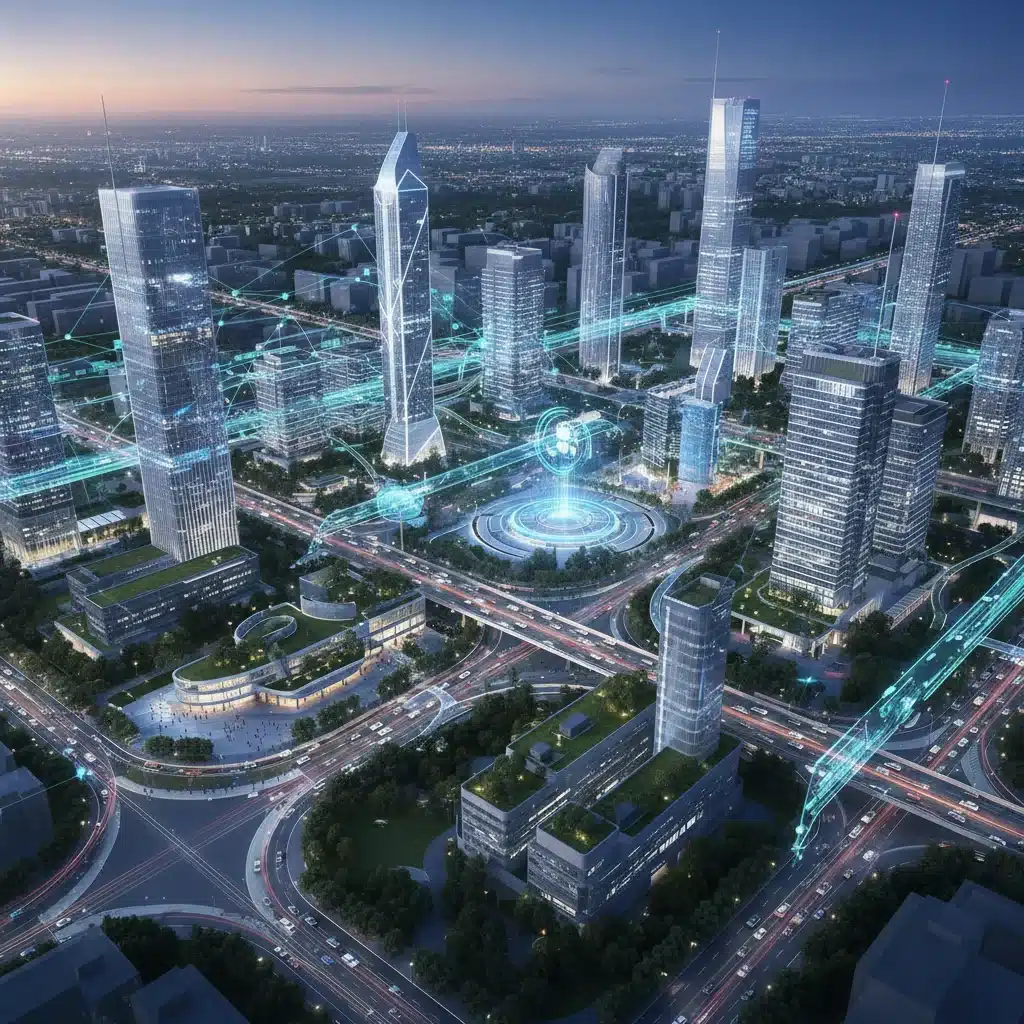
In an increasingly urbanized world, cities face unprecedented challenges, from managing growing populations and traffic congestion to ensuring sustainable resource allocation and delivering high-quality public services. The concept of the ‘smart city’ has emerged as a beacon of hope, promising to address these complexities through technological innovation and, crucially, data-driven urban planning. This article delves into how data-driven urban planning is not just a buzzword, but a transformative force capable of unlocking significant improvements in public service efficiency across US smart cities, with some experts projecting gains of up to 20% or more.
The journey towards a truly smart city is paved with data. Every sensor, camera, and connected device generates a stream of information that, when properly collected, analyzed, and acted upon, can provide unparalleled insights into urban dynamics. This wealth of data empowers city planners and administrators to make informed decisions, optimize resource allocation, predict future needs, and ultimately enhance the quality of life for their residents. The core idea is simple yet profound: leverage data to make cities work smarter, not just harder.
The Foundation of Smart City Efficiency: What is Data-Driven Urban Planning?
Data-driven urban planning is an approach to city management and development that relies heavily on the collection, analysis, and interpretation of vast amounts of data to inform decision-making. Unlike traditional planning methods that often depend on historical trends, anecdotal evidence, or static surveys, data-driven planning offers a dynamic, real-time understanding of urban environments. This approach is fundamental to achieving Smart City Efficiency.
At its heart, data-driven urban planning encompasses several key components:
- Data Collection: Utilizing a myriad of sources, including IoT sensors, surveillance cameras, mobile devices, social media, government databases, and public feedback platforms. This data can range from traffic patterns, air quality, energy consumption, and waste generation to public transport usage and emergency response times.
- Data Integration and Analysis: Bringing disparate datasets together and applying advanced analytical techniques, including machine learning and artificial intelligence, to identify patterns, correlations, and anomalies. This step transforms raw data into actionable intelligence.
- Predictive Modeling: Using historical and real-time data to forecast future trends and potential challenges, allowing cities to proactively address issues before they escalate.
- Decision Support Systems: Developing tools and platforms that provide city officials with clear, concise, and evidence-based recommendations for policy formulation, resource allocation, and infrastructure development.
- Continuous Feedback Loop: Establishing mechanisms to monitor the impact of implemented policies and adjustments, allowing for ongoing optimization and adaptation.
The promise of this methodology is immense. By understanding precisely where resources are needed, how services are being utilized, and what challenges residents face, cities can move away from one-size-fits-all solutions to targeted, effective interventions that genuinely improve public service delivery and contribute to Smart City Efficiency.
Key Technologies Powering Data-Driven Urban Planning
The realization of data-driven urban planning and the subsequent boost in Smart City Efficiency would be impossible without a robust technological backbone. Several cutting-edge technologies form the pillars of this transformation:
Internet of Things (IoT)
IoT devices are the eyes and ears of the smart city, collecting real-time data from every corner. Smart sensors embedded in infrastructure can monitor everything from traffic congestion and parking availability to air pollution levels and structural integrity of bridges. Smart streetlights can adjust brightness based on ambient light and pedestrian activity, saving energy. Waste bins can signal when they are full, optimizing collection routes. This ubiquitous data collection is foundational for informed decision-making.
Big Data Analytics and AI/Machine Learning
The sheer volume and velocity of data generated by IoT devices necessitate advanced analytical capabilities. Big Data platforms are designed to store, process, and analyze massive datasets. AI and machine learning algorithms then sift through this data to uncover hidden patterns, predict outcomes, and automate decision-making processes. For example, AI can predict traffic bottlenecks before they occur, allowing for proactive signal adjustments, or identify areas prone to crime based on various environmental and social factors, guiding police patrols more effectively. This directly contributes to Smart City Efficiency.
Cloud Computing
Cloud infrastructure provides the scalable and flexible computing resources required to store and process vast amounts of urban data. It enables cities to deploy smart applications and services without significant upfront hardware investments, making data-driven initiatives more accessible and cost-effective.
Geographic Information Systems (GIS)
GIS technology is crucial for visualizing and analyzing spatial data. By mapping urban data onto geographical contexts, city planners can gain a clearer understanding of how different factors interact across the urban landscape. This helps in identifying optimal locations for new infrastructure, understanding demographic distributions, and planning emergency responses.
Digital Twins
A digital twin is a virtual replica of a physical city or a specific urban system (e.g., a transportation network). It integrates real-time data from various sources, allowing planners to simulate different scenarios, test the impact of proposed changes, and monitor the performance of urban systems in a virtual environment before implementing them in the real world. This minimizes risks and optimizes outcomes, significantly enhancing Smart City Efficiency.
Unlocking 20% Greater Efficiency in Public Services: Real-World Applications
The theoretical benefits of data-driven urban planning translate into tangible improvements across various public services. The projected 20% greater efficiency is not an arbitrary number; it reflects the transformative power of these strategies in action.
Traffic Management and Transportation
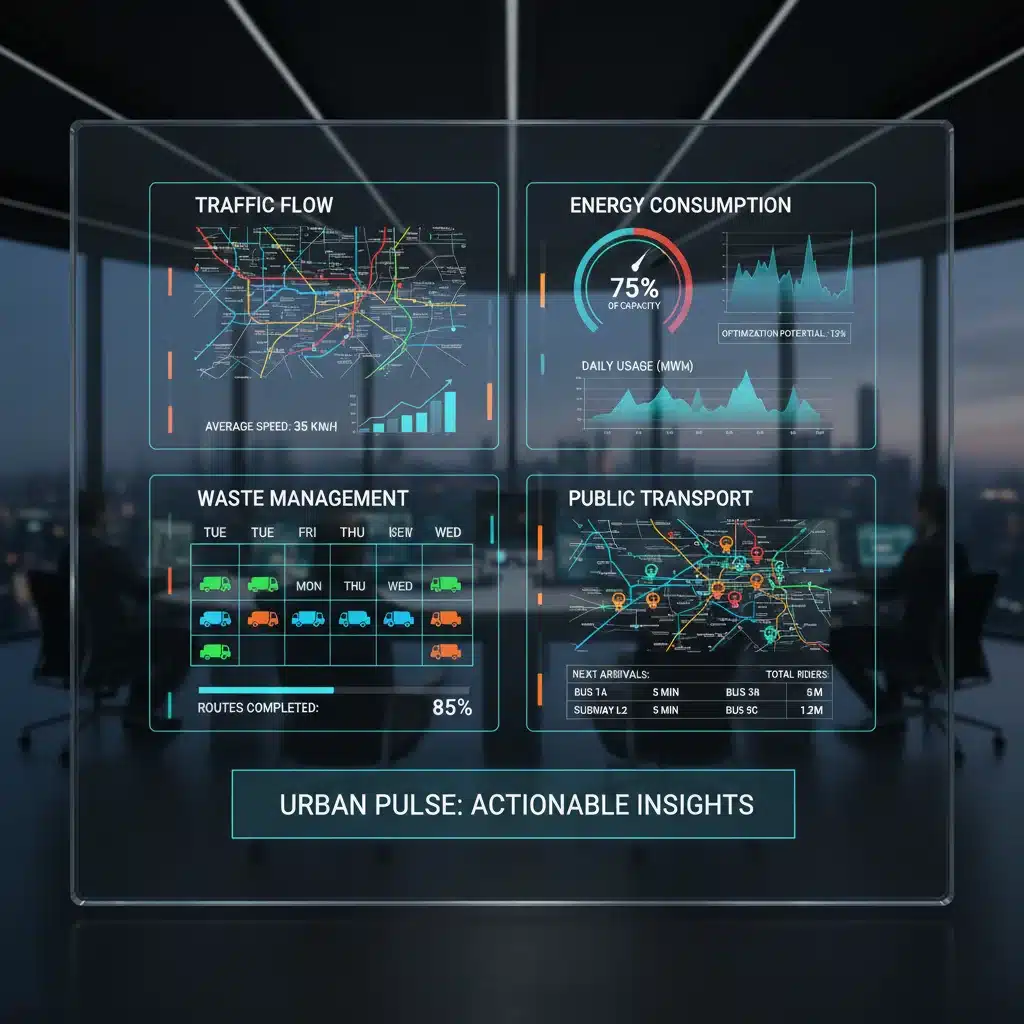
One of the most immediate and visible impacts of data-driven planning is in traffic management. Cities like Los Angeles, with its Adaptive Traffic Control System, use real-time sensor data to adjust traffic signals dynamically, reducing congestion and travel times. Predictive analytics can anticipate peak hours and reroute traffic, while smart parking solutions guide drivers to available spots, cutting down on cruising time and emissions. This optimization directly leads to enhanced Smart City Efficiency.
Waste Management
Smart waste management systems use sensors in bins to monitor fill levels, optimizing collection routes and schedules. This not only reduces fuel consumption and operational costs but also prevents overflowing bins, improving urban hygiene and aesthetics. Barcelona’s smart waste system, for example, has shown significant cost savings and efficiency gains.
Energy Consumption and Utilities
Smart grids, powered by data from smart meters and sensors, enable more efficient distribution and consumption of electricity. Cities can monitor energy usage in public buildings, identify inefficiencies, and implement energy-saving measures. Demand-response programs can incentivize citizens to reduce consumption during peak hours, balancing the grid and reducing the need for costly infrastructure upgrades. This directly contributes to Smart City Efficiency.
Public Safety and Emergency Response
Data analytics can help identify crime hotspots, predict potential incidents, and optimize police patrol routes. For emergency services, real-time traffic data can guide ambulances and fire trucks to incidents via the fastest routes, significantly reducing response times. Predictive models can also help allocate resources more effectively during natural disasters or major public events, enhancing overall Smart City Efficiency.
Urban Planning and Development
When planning new developments or redeveloping existing areas, data-driven insights are invaluable. Analyzing demographic data, transportation needs, environmental impacts, and economic trends allows planners to create more sustainable, equitable, and functional urban spaces. This includes optimizing the placement of public facilities, parks, and housing projects to best serve the community.
Challenges and Considerations in Implementing Data-Driven Urban Planning
While the benefits are clear, the path to achieving optimal Smart City Efficiency through data-driven urban planning is not without its hurdles. Cities must navigate a complex landscape of technological, ethical, and governance challenges.
Data Privacy and Security
The collection of vast amounts of data, often including personal information, raises significant privacy concerns. Cities must implement robust data governance frameworks, ensure transparency in data usage, and deploy strong cybersecurity measures to protect sensitive information from breaches and misuse. Building public trust is paramount for the success of any smart city initiative.
Interoperability and Data Silos
Many city departments operate with their own legacy systems and data formats, leading to data silos that hinder comprehensive analysis. Achieving interoperability between different systems and creating a unified data platform is a major technical and organizational challenge.
Cost and Funding
Implementing smart city technologies and data analytics platforms requires substantial investment. Cities need to secure funding, often through public-private partnerships, grants, or innovative financing models, and demonstrate a clear return on investment to justify these expenditures.
Talent and Expertise
Operating and maintaining sophisticated data analytics systems requires a skilled workforce, including data scientists, urban planners with technological acumen, and cybersecurity experts. Cities often face a talent gap in these areas, necessitating investment in training and recruitment.
Public Engagement and Acceptance
For smart city initiatives to succeed, they must have the support and trust of the residents. Engaging the public in the planning process, communicating the benefits clearly, and addressing concerns about technology and privacy are crucial for widespread acceptance and to truly enhance Smart City Efficiency.
Case Studies: US Smart Cities Leading the Way
Several US cities are at the forefront of leveraging data to enhance public services and achieve Smart City Efficiency. Their experiences offer valuable lessons and demonstrate the practical application of data-driven urban planning.
New York City: LinkNYC and Urban Data Analytics
New York City’s LinkNYC project transformed old payphone kiosks into Wi-Fi hotspots, providing free internet, phone calls, and device charging. Beyond connectivity, these kiosks collect anonymous data on usage patterns, pedestrian flow, and environmental conditions. This data informs various city services, from optimizing public transport routes to improving sanitation schedules. NYC also utilizes its open data portal, NYC Open Data, to make vast datasets available to the public and researchers, fostering innovation and transparency.
Boston: Street Bump and Citizen Engagement
Boston’s ‘Street Bump’ app, while simple in concept, was a pioneering example of citizen-sourced data. Residents could use their smartphones to detect potholes and other road imperfections, with the data automatically sent to the city’s public works department. This allowed for more efficient and proactive road maintenance, reducing response times and improving infrastructure quality. This approach highlights how citizen participation can contribute to Smart City Efficiency.
Kansas City, MO: Smart City Corridor
Kansas City has implemented a comprehensive smart city initiative along its downtown streetcar route. This ‘Smart City Corridor’ features smart streetlights, public Wi-Fi, sensor-enabled kiosks, and a network of cameras. The collected data helps manage traffic, monitor public safety, and inform urban development decisions. The project aims to improve city services, attract businesses, and enhance the overall quality of life for residents, signifying a concerted effort towards Smart City Efficiency.
Los Angeles: Predictive Policing and Traffic Management
As mentioned earlier, Los Angeles has made significant strides in using data for traffic management. Additionally, the city has experimented with predictive policing models, using historical crime data to identify areas where crimes are most likely to occur, allowing for more strategic deployment of police resources. While such initiatives raise privacy debates, they underscore the potential for data to enhance public safety and contribute to Smart City Efficiency.

The Future of Smart City Efficiency: Trends and Outlook
The evolution of data-driven urban planning is continuous, with several emerging trends poised to further enhance Smart City Efficiency in US cities:
Hyper-Personalized Services
As data collection becomes more granular and analytical capabilities more sophisticated, cities will be able to offer increasingly personalized public services. This could range from customized public transport suggestions based on individual travel patterns to tailored alerts about local events or services relevant to specific neighborhoods.
AI-Powered Governance
Beyond predictive analytics, AI will play an increasingly prominent role in automating aspects of urban governance. This could involve AI assistants helping citizens navigate bureaucratic processes, or AI systems optimizing resource allocation for public works projects with minimal human intervention.
Edge Computing and 5G
The proliferation of IoT devices demands faster data processing closer to the source. Edge computing, combined with the ultra-low latency and high bandwidth of 5G networks, will enable real-time data analysis and decision-making, crucial for applications like autonomous vehicles and instantaneous emergency responses.
Citizen-Centric Co-Creation
Future smart cities will increasingly involve citizens not just as data sources but as active co-creators of urban solutions. Platforms for participatory budgeting, crowdsourced problem-solving, and direct feedback will empower residents to shape their urban environment, ensuring that smart city initiatives truly meet community needs.
Sustainability and Resilience
Data-driven planning will be critical in addressing climate change and building more resilient cities. This includes optimizing energy and water usage, developing smart infrastructure capable of withstanding extreme weather events, and using data to manage and mitigate environmental risks. The focus on sustainability will be a major driver for improved Smart City Efficiency.
Conclusion: The Imperative of Data for Smart City Efficiency
The vision of US smart cities achieving 20% or even greater efficiency in public services through data-driven urban planning is not a distant dream but a rapidly unfolding reality. From optimizing traffic flow and waste collection to enhancing public safety and planning sustainable growth, data is the indispensable fuel powering this urban transformation. While challenges related to privacy, cost, and interoperability remain, the pioneering efforts of cities across the nation demonstrate that these hurdles can be overcome with strategic planning, technological investment, and strong public engagement.
As we move further into the 21st century, the ability of cities to harness the power of data will define their success in providing a high quality of life for their residents, fostering economic growth, and building resilient, sustainable communities. Embracing data-driven urban planning is no longer an option but an imperative for any city aspiring to be truly smart and efficient. The future of urban living is intelligent, interconnected, and, above all, data-driven, promising a new era of Smart City Efficiency that benefits everyone.