Predictive Maintenance Public Transit: Reduce Downtime 10% by 2026
Predictive Maintenance Public Transit: A Practical Solution Reducing Downtime by 10% Across U.S. Systems by 2026
In the bustling arteries of urban life, public transit acts as the lifeblood, moving millions of people daily. From subways and buses to commuter trains and light rail, these systems are the backbone of modern cities. However, the efficiency and reliability of public transit are constantly challenged by unexpected breakdowns, costly repairs, and the subsequent disruptions to service. The promise of a smoother, more dependable urban commute hinges on innovation, and at the forefront of this revolution is predictive maintenance public transit.
Imagine a world where mechanical failures are anticipated long before they occur, where maintenance can be scheduled precisely when needed, and where service disruptions become a rarity. This isn’t a futuristic dream; it’s the tangible reality that predictive maintenance public transit is bringing to the forefront. Our ambitious goal? To reduce downtime by a remarkable 10% across U.S. public transit systems by 2026. This article will delve into the mechanisms, benefits, challenges, and the roadmap to achieving this vital objective.
The Imperative for Predictive Maintenance in Public Transit
Traditional maintenance approaches in public transit typically fall into two categories: reactive and preventive. Reactive maintenance, as its name suggests, involves addressing issues only after they’ve manifested – a breakdown occurs, and then repairs are made. This approach is inherently inefficient, leading to unexpected service interruptions, frustrated passengers, and often higher repair costs due to emergency interventions. Preventive maintenance, on the other hand, involves scheduled inspections and repairs based on fixed intervals or usage metrics. While an improvement over reactive methods, it can still lead to unnecessary maintenance (if components are still in good condition) or, conversely, failures occurring before the scheduled maintenance.
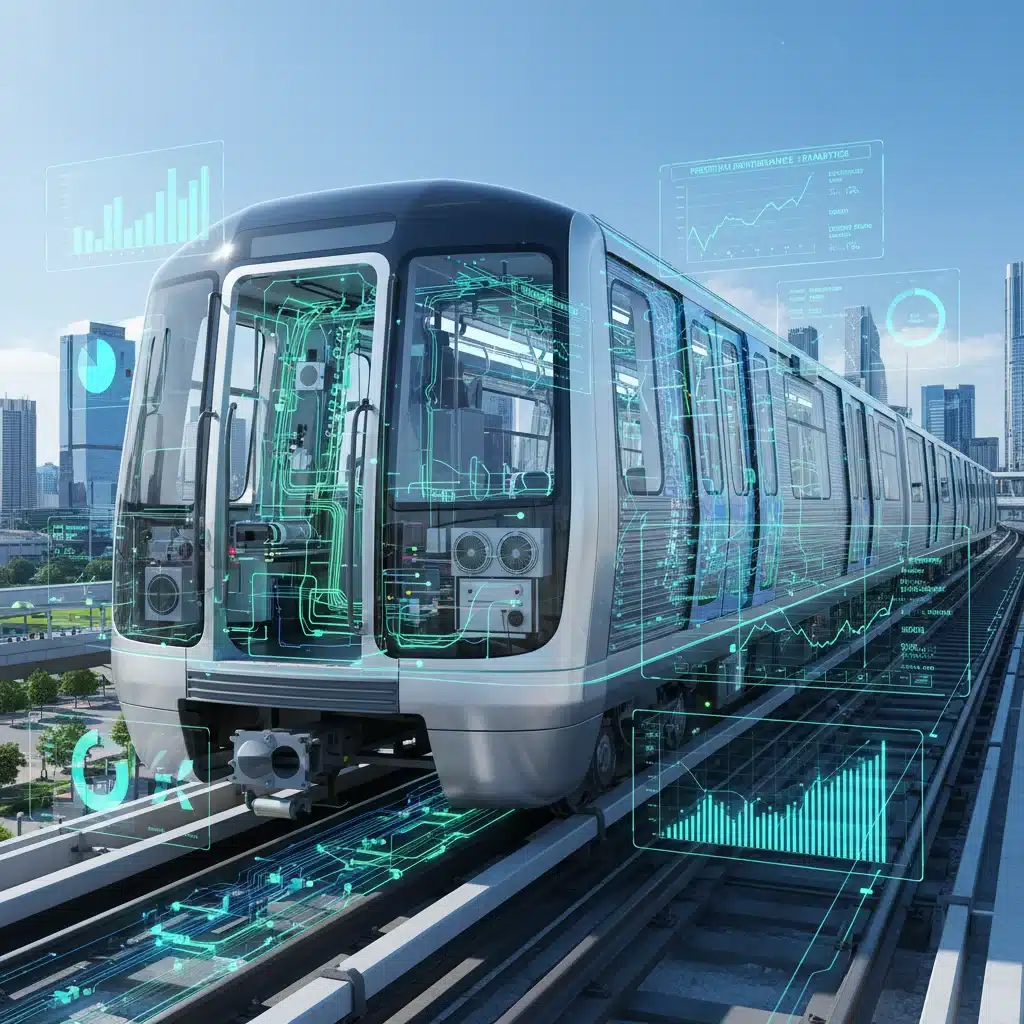
Enter predictive maintenance public transit. This advanced strategy leverages data analytics, sensor technology, and machine learning to monitor the condition of equipment in real-time. By continuously analyzing data points such as vibration, temperature, pressure, fluid levels, and electrical currents, predictive maintenance algorithms can identify subtle changes that signal impending failures. This allows transit agencies to schedule maintenance activities precisely when they are needed, optimizing resource allocation, minimizing disruptions, and extending the lifespan of critical assets.
The stakes are incredibly high. Public transit systems are critical infrastructure. A single breakdown can ripple through an entire city, causing delays, overcrowding, and significant economic impact. The financial burden is also substantial. Unplanned maintenance can cost significantly more than planned interventions, not to mention the revenue lost from disrupted services. By embracing predictive maintenance public transit, agencies can move from a reactive or time-based approach to a condition-based one, fundamentally transforming their operational efficiency and passenger experience.
Understanding Predictive Maintenance: The Core Principles
At its heart, predictive maintenance transit is about foresight. It’s about shifting from ‘fix-it-when-it-breaks’ or ‘fix-it-every-X-months’ to ‘fix-it-before-it-breaks, exactly when it needs fixing.’ This principle is enabled by several key technological pillars:
- Sensors and Data Collection: Modern transit vehicles and infrastructure are increasingly equipped with an array of sensors. These sensors collect vast amounts of data on various operational parameters. For instance, accelerometers can detect unusual vibrations in a train’s wheels, temperature sensors can monitor overheating in engine components, and acoustic sensors can pick up abnormal noises in braking systems.
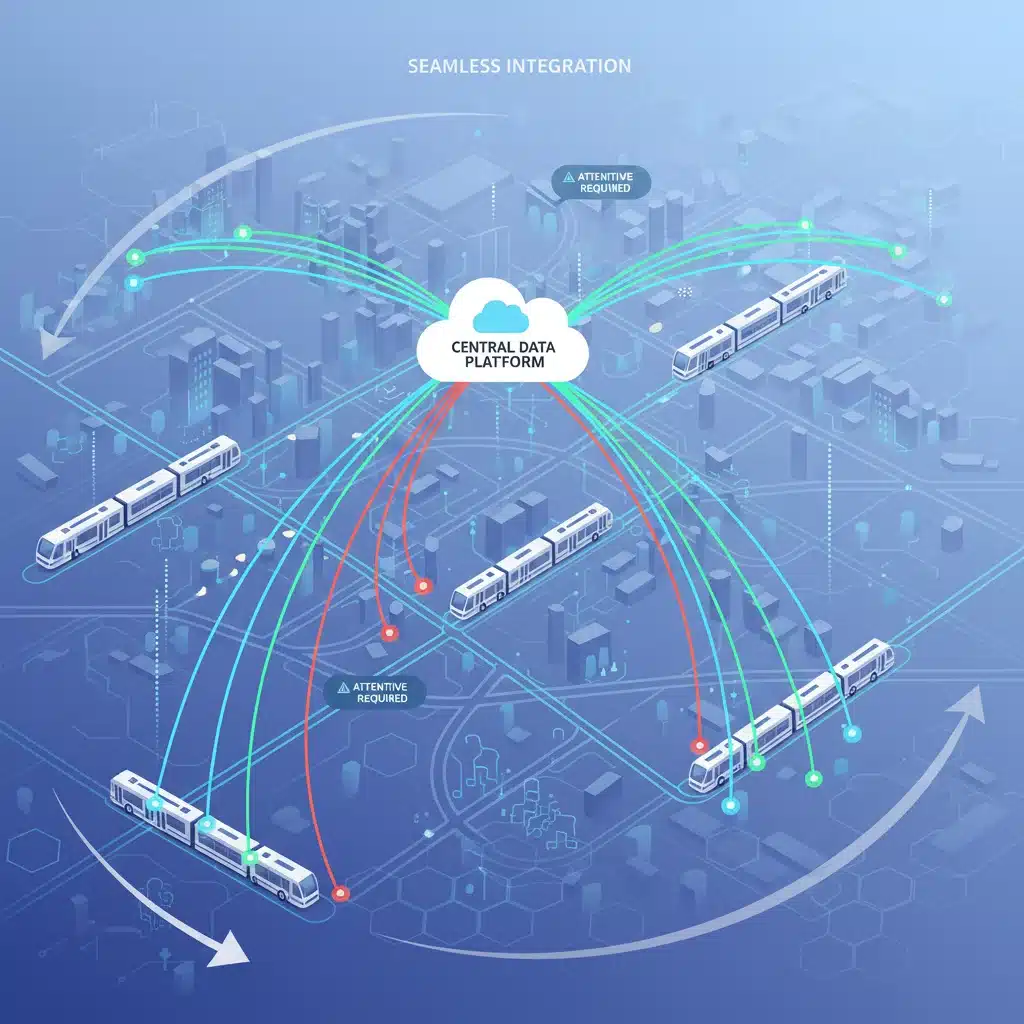
- Internet of Things (IoT): The collected sensor data is transmitted wirelessly (often via IoT networks) to a central processing system. This connectivity is crucial for real-time monitoring and data aggregation from a distributed fleet of vehicles and infrastructure components.
- Data Analytics and Machine Learning: This is where the ‘predictive’ magic happens. Sophisticated algorithms analyze the incoming data, looking for patterns, anomalies, and deviations from normal operating conditions. Machine learning models are trained on historical data, including past failures and maintenance records, to learn what precedes a breakdown. As new data comes in, these models can predict the probability of a component failure and estimate its remaining useful life (RUL).
- Diagnostic and Prognostic Tools: Once a potential issue is identified, diagnostic tools help pinpoint the exact nature and location of the problem. Prognostic tools then forecast when the failure is likely to occur, providing a crucial window for scheduled maintenance.
- Integration with Enterprise Systems: For predictive maintenance public transit to be truly effective, it must integrate seamlessly with existing enterprise asset management (EAM) systems, computerized maintenance management systems (CMMS), and operational planning tools. This ensures that maintenance alerts trigger appropriate workflows, parts are ordered, and staff are scheduled efficiently.
By bringing these elements together, transit agencies can gain unprecedented insights into the health and performance of their assets, moving towards a truly proactive maintenance strategy. This systematic approach is what makes the goal of reducing downtime by 10% not just aspirational, but achievable.
The Tangible Benefits of Predictive Maintenance Public Transit
The adoption of predictive maintenance public transit offers a multitude of benefits that extend far beyond simply avoiding breakdowns. These advantages contribute to a more efficient, reliable, and sustainable public transportation system:
- Reduced Downtime and Service Disruptions: This is the most direct and significant benefit. By identifying potential failures in advance, maintenance can be performed during off-peak hours or scheduled downtime, preventing unexpected service interruptions that frustrate passengers and lead to costly recovery efforts. A 10% reduction in downtime means millions of fewer minutes of delays for commuters and a substantial increase in system availability.
- Lower Maintenance Costs: Predictive maintenance optimizes maintenance schedules, reducing unnecessary inspections and repairs. It also allows for the timely replacement of components before they cause cascading damage, which can lead to more expensive and extensive repairs. Furthermore, emergency repairs, which often incur premium costs for parts and labor, are significantly reduced.
- Extended Asset Lifespan: By ensuring that equipment is maintained optimally and issues are addressed proactively, components and entire vehicles can operate reliably for longer periods. This maximizes the return on investment for expensive transit assets and defers capital expenditures on new equipment.
- Enhanced Safety: Malfunctioning equipment poses significant safety risks to both passengers and transit employees. Predictive maintenance helps identify and rectify safety-critical issues before they escalate into dangerous situations, thereby improving the overall safety record of the transit system.
- Improved Operational Efficiency: With fewer unexpected breakdowns, transit agencies can better adhere to their schedules, leading to more reliable service. This also frees up maintenance staff from reactive firefighting, allowing them to focus on strategic improvements and planned work.
- Better Resource Allocation: Predictive insights enable more accurate forecasting of parts and labor requirements. This leads to optimized inventory management, reducing the need for large stockpiles of spare parts and ensuring that the right technicians with the right skills are available when needed.
- Environmental Benefits: Well-maintained vehicles operate more efficiently, consuming less fuel or electricity and producing fewer emissions. This contributes to the environmental sustainability goals of cities and transit agencies.
- Increased Passenger Satisfaction: Punctual, reliable service is a key driver of passenger satisfaction. Fewer delays and breakdowns mean happier commuters, which can lead to increased ridership and public trust in the transit system.
These combined benefits paint a compelling picture for the widespread adoption of predictive maintenance public transit. The 10% downtime reduction target is not just an arbitrary number; it represents a significant leap forward in service quality and operational excellence.
Key Technologies Driving Predictive Maintenance in Public Transit
The successful implementation of predictive maintenance transit relies on a sophisticated stack of technologies working in concert. Understanding these components is crucial for transit agencies planning their digital transformation journey:
1. Advanced Sensor Technology
- Vibration Sensors (Accelerometers): Essential for detecting imbalances, misalignments, and bearing wear in rotating machinery like motors, wheels, and axles.
- Temperature Sensors (Thermocouples, RTDs, Infrared): Monitor heat levels in engines, brakes, electrical components, and bearings, identifying overheating issues before they cause failures.
- Acoustic Sensors: Detect unusual noises, clicks, grinding, or squeals that can indicate mechanical problems in engines, gearboxes, or braking systems.
- Pressure Sensors: Monitor hydraulic and pneumatic systems, detecting leaks or abnormal pressure fluctuations.
- Fluid Analysis Sensors: Analyze the condition of oils, lubricants, and coolants for contaminants, wear particles, or degradation, providing insights into engine and gearbox health.
- GPS and Location Data: Provides context for operational conditions, routes, speeds, and environmental factors that might impact component wear.
- Current and Voltage Sensors: Monitor electrical systems for anomalies, surges, or drops that could indicate impending electrical component failure.
2. Internet of Things (IoT) Connectivity
IoT platforms facilitate the seamless collection and transmission of data from thousands of sensors across a transit network. This involves:
- Edge Computing: Processing data closer to the source (e.g., on the vehicle) to reduce latency and bandwidth requirements, allowing for immediate alerts for critical issues.
- Secure Wireless Networks: Reliable and secure communication channels (5G, Wi-Fi, cellular) are vital for transmitting sensitive operational data to central systems.
- Cloud Platforms: Scalable cloud infrastructure is used for storing, processing, and analyzing the massive volumes of data generated by transit assets.
3. Data Analytics and Machine Learning
This is the brain of predictive maintenance public transit:
- Big Data Storage and Processing: Handling the velocity, volume, and variety of data from transit systems requires robust big data architectures.
- Feature Engineering: Transforming raw sensor data into meaningful features that machine learning models can understand.
- Supervised Learning Models: Algorithms like Random Forests, Support Vector Machines, and Neural Networks are trained on historical data (e.g., sensor readings preceding a known failure) to predict future failures.
- Unsupervised Learning Models: Used for anomaly detection, identifying unusual patterns in data that might indicate a novel or previously unseen issue.
- Time-Series Analysis: Essential for understanding trends and patterns in sensor data over time, crucial for predicting degradation.
- Digital Twins: Virtual models of physical assets that simulate their behavior in real-time, allowing for ‘what-if’ scenarios and more accurate predictions.
4. Visualization and Reporting Tools
User-friendly dashboards and reporting interfaces are critical for maintenance teams and management to interpret the insights generated by the analytics engines:
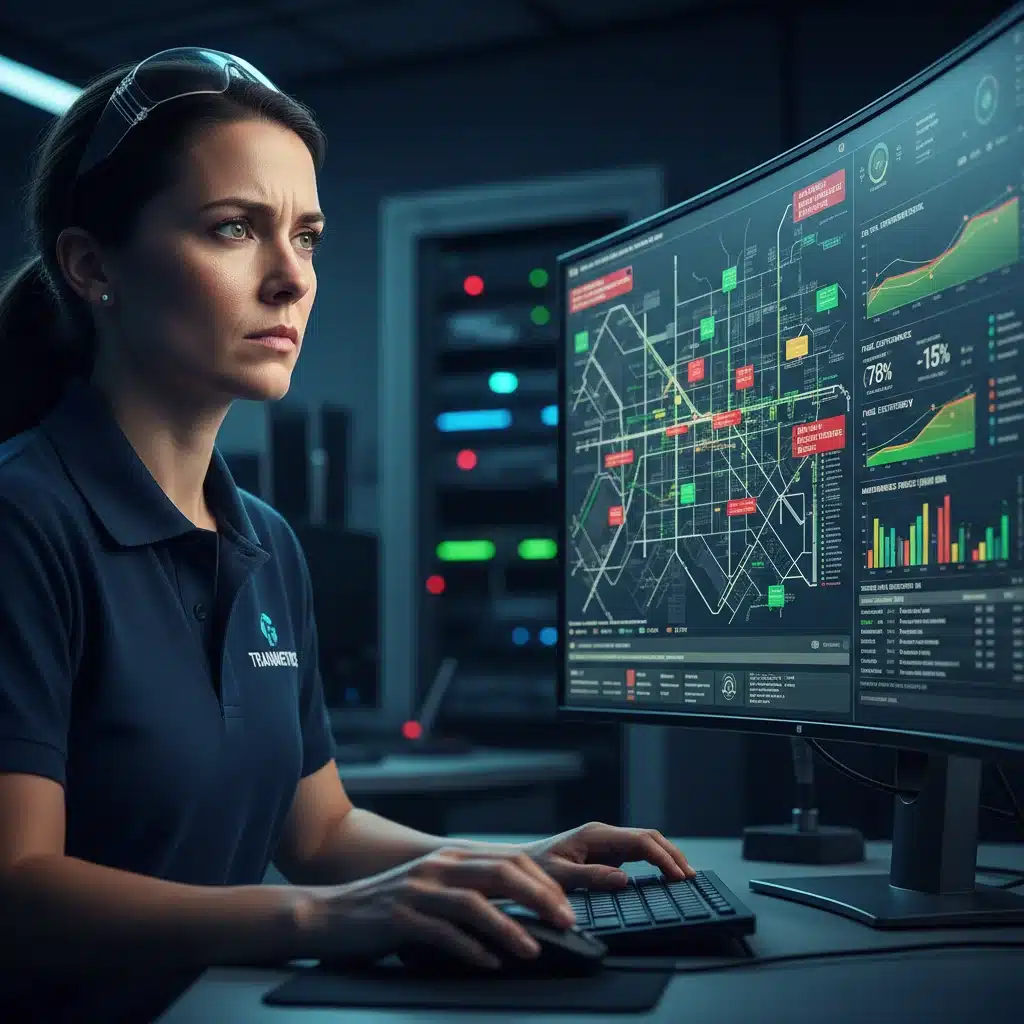
- Real-time Dashboards: Provide an immediate overview of asset health, highlighting critical alerts and performance metrics.
- Predictive Alerts: Automated notifications triggered when a potential failure is predicted, specifying the asset, component, and estimated time to failure.
- Customizable Reports: Allow for in-depth analysis of maintenance trends, cost savings, and operational improvements.
The synergy of these technologies creates a powerful ecosystem that enables transit agencies to harness the full potential of predictive maintenance public transit, driving towards the 10% downtime reduction goal.
Implementing Predictive Maintenance: A Strategic Roadmap
Adopting predictive maintenance public transit is a journey that requires careful planning, strategic investment, and a phased approach. Here’s a roadmap for successful implementation:
Phase 1: Assessment and Planning
- Identify Critical Assets: Begin by pinpointing the most critical assets whose failure would have the greatest impact on service, safety, and cost. These are often the best candidates for initial predictive maintenance pilots (e.g., specific train types, bus fleets, or track sections).
- Define Objectives and KPIs: Clearly articulate what success looks like. Beyond the 10% downtime reduction, set specific Key Performance Indicators (KPIs) such as mean time to repair (MTTR), mean time between failures (MTBF), maintenance costs, and asset utilization.
- Data Readiness Assessment: Evaluate existing data infrastructure, data quality, and the availability of historical maintenance records. This will determine the starting point for data collection and analytics capabilities.
- Stakeholder Buy-in: Secure commitment from leadership, IT, operations, and maintenance teams. Education and communication are vital to ensure everyone understands the benefits and their role in the transformation.
Phase 2: Pilot Program and Technology Selection
- Select Pilot Assets: Choose a small, manageable subset of critical assets for an initial pilot. This allows for learning and refinement without disrupting the entire system.
- Technology Procurement: Select appropriate sensors, IoT platforms, data analytics software, and integration tools. This often involves working with specialized vendors.
- Data Collection and Integration: Install sensors, establish data transmission protocols, and integrate the new data streams with existing EAM/CMMS systems.
- Model Development and Training: Begin collecting data and training machine learning models using historical and real-time data. This is an iterative process that improves over time.
Phase 3: Deployment and Scaling
- Initial Deployment: Roll out the predictive maintenance solution to the pilot assets. Monitor performance, validate predictions against actual events, and fine-tune algorithms.
- Training and Change Management: Train maintenance technicians and operational staff on the new tools and processes. Emphasize the shift from reactive to proactive work. Address any resistance to change through clear communication and demonstrating tangible benefits.
- Scaling Up: Based on the success and lessons learned from the pilot, gradually expand the predictive maintenance program to cover a wider range of assets across the entire transit system.
- Continuous Improvement: Predictive maintenance is not a one-time project. Continuously monitor model performance, update algorithms with new data, and explore emerging technologies to further enhance capabilities.
Challenges and Considerations for Public Transit Agencies
While the benefits of predictive maintenance transit are clear, implementation is not without its hurdles. Transit agencies must address several key challenges:
- Data Silos and Integration: Many transit agencies operate with fragmented legacy systems. Integrating data from various sources (sensors, EAM, CMMS, ERP) can be complex and require significant IT investment.
- Data Quality and Volume: The accuracy of predictions hinges on the quality and volume of data. Ensuring clean, consistent, and comprehensive data collection is paramount. Managing and storing vast quantities of data also presents a challenge.
- Skilled Workforce: Implementing and managing predictive maintenance requires new skill sets in data science, machine learning, and advanced analytics, which may not be readily available within existing teams. Training and upskilling are crucial.
- Cybersecurity Concerns: Connecting operational technology (OT) with information technology (IT) systems creates new cybersecurity vulnerabilities. Robust security measures are essential to protect sensitive operational data from threats.
- Cost of Initial Investment: The upfront costs for sensors, software, infrastructure, and training can be substantial. Demonstrating a clear return on investment (ROI) is key to securing funding.
- Change Management: Shifting from established maintenance practices to a predictive approach requires a significant cultural change. Resistance from employees accustomed to traditional methods needs to be carefully managed through education and involvement.
- Regulatory Compliance: Transit agencies operate under strict regulatory frameworks. Ensuring that predictive maintenance solutions comply with all safety and operational regulations is critical.
Addressing these challenges proactively through strategic planning, phased implementation, and strong partnerships with technology providers will be essential for U.S. public transit systems to successfully adopt predictive maintenance public transit and achieve the ambitious downtime reduction target.
Success Stories and Future Outlook
Across the globe, pioneering transit agencies are already demonstrating the transformative power of predictive maintenance public transit. For instance, some European metro systems have reported significant reductions in unplanned downtime and maintenance costs by implementing advanced sensor networks and AI-driven analytics for their rolling stock. In the U.S., several major cities are piloting predictive maintenance solutions for their bus fleets, leading to more efficient operations and improved passenger experiences.
These early successes provide a strong foundation for the broader adoption needed to achieve a 10% reduction in downtime across all U.S. public transit systems by 2026. The future of public transit is undeniably smart and connected. As sensor technology becomes more affordable and powerful, and as machine learning algorithms grow more sophisticated, the capabilities of predictive maintenance will only expand.
Looking ahead, we can anticipate:
- Greater Integration: Even deeper integration between predictive maintenance systems and other smart city initiatives, such as smart traffic management and energy grids.
- Autonomous Maintenance: The eventual emergence of semi-autonomous or even fully autonomous maintenance tasks, where robots or drones perform inspections and minor repairs based on predictive insights.
- Personalized Transit Experience: More reliable service stemming from predictive maintenance will directly contribute to a more predictable and enjoyable experience for individual passengers.
- Enhanced Resilience: Transit systems will become more resilient to unforeseen events, with the ability to quickly adapt and recover from potential disruptions.
The journey towards a fully optimized, predictive maintenance-driven public transit system is ongoing, but the trajectory is clear. The commitment to innovation, coupled with strategic investment, will pave the way for a new era of reliability and efficiency in urban transportation.
Conclusion: Paving the Way for a Reliable Transit Future
The goal of reducing downtime by 10% across U.S. public transit systems by 2026 through predictive maintenance public transit is not just an operational metric; it’s a vision for a more reliable, sustainable, and passenger-centric urban future. By embracing real-time data, advanced analytics, and strategic implementation, transit agencies can move beyond traditional maintenance paradigms to unlock unparalleled efficiencies and service quality.
The path forward requires collaboration among technology providers, transit authorities, and policymakers. It demands investment in infrastructure, talent, and a culture of continuous improvement. The challenges are real, but the rewards – in terms of economic benefits, environmental sustainability, and vastly improved commuter experiences – are even greater.
As cities continue to grow and demand for efficient public transportation intensifies, predictive maintenance transit stands out as a critical solution. It’s not just about fixing things before they break; it’s about building a future where public transit is a seamless, predictable, and indispensable part of urban life. The time to invest in this transformative technology is now, safeguarding the mobility and prosperity of our communities for generations to come.