US Sustainable Transit Innovations Q2 2026: A Deep Dive
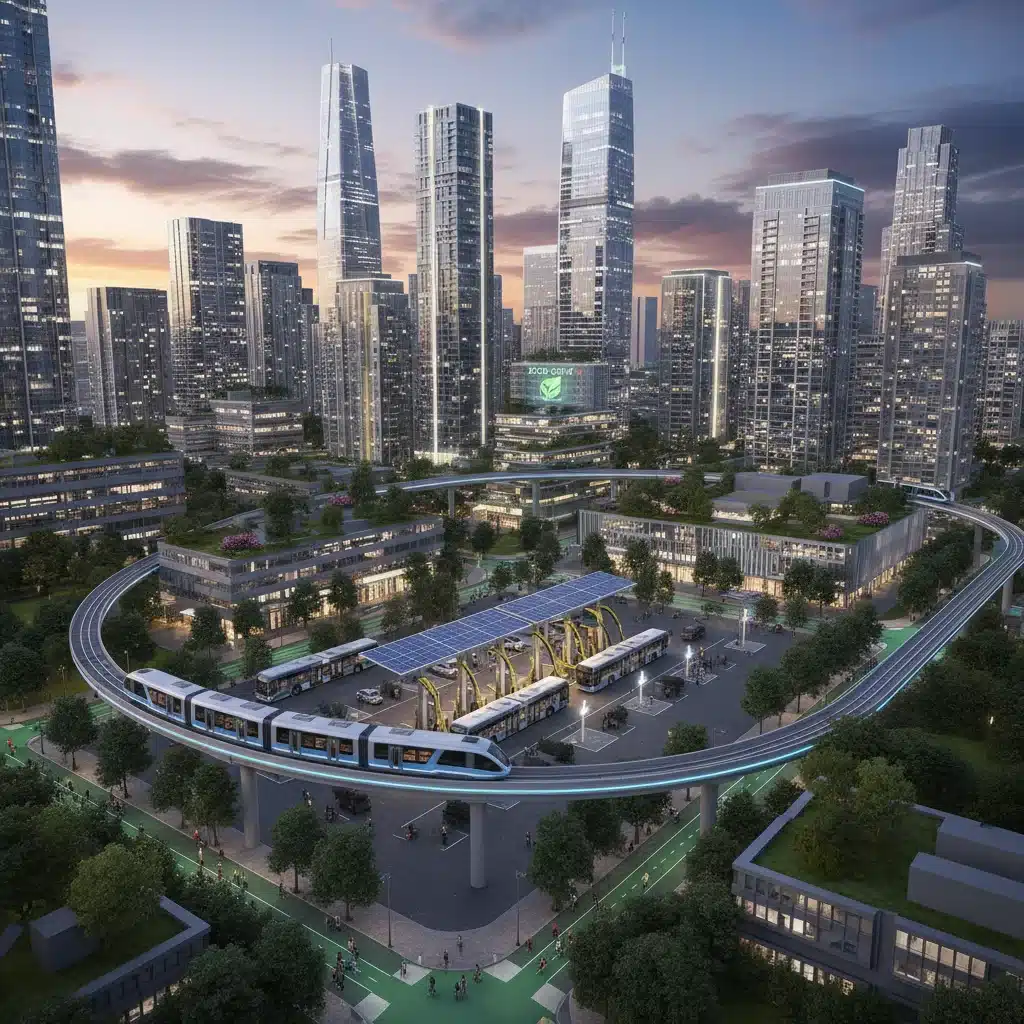
The landscape of urban mobility is undergoing a profound transformation, driven by a global imperative for sustainability and a relentless pursuit of efficiency. As we delve into Q2 2026, the United States stands at the forefront of this evolution, witnessing an unprecedented surge in sustainable transit US innovations. Cities across the nation are not merely adopting new technologies; they are reimagining the very fabric of public transportation, integrating eco-friendly solutions that promise cleaner air, reduced congestion, and more equitable access to mobility for all residents. This comprehensive review aims to shed light on the most impactful developments, cutting-edge technologies, and policy shifts that are defining the future of sustainable transit US in this pivotal quarter.
The push for sustainable public transport is multifaceted, stemming from environmental concerns, the economic benefits of reduced fuel consumption, and the social advantages of improved connectivity. From electric bus fleets and advanced light rail systems to innovative micro-mobility solutions and integrated digital platforms, the strategies being deployed are diverse and tailored to the unique challenges and opportunities presented by different urban environments. Our analysis will explore these various facets, highlighting success stories, emerging trends, and the potential hurdles that remain on the path to a fully sustainable transportation ecosystem.
The Electric Revolution: Charging Forward in Sustainable Transit US
One of the most significant pillars of sustainable transit US is the widespread adoption of electric vehicles (EVs) in public fleets. Q2 2026 has seen an acceleration in the transition from fossil fuel-powered buses to their electric counterparts, with numerous cities making substantial commitments. This shift is not just about replacing engines; it involves a complete overhaul of infrastructure, including the deployment of extensive charging networks and the integration of renewable energy sources to power these new fleets.
Electric Buses: A Quieter, Cleaner Commute
Electric buses are no longer a novelty but a mainstream component of urban transit. Cities like Los Angeles, New York, and Seattle have significantly expanded their electric bus operations. For instance, the Los Angeles County Metropolitan Transportation Authority (Metro) reported that over 30% of its bus fleet is now electric, with plans to reach 100% by 2030. This transition has led to a noticeable reduction in urban noise pollution and a significant decrease in tailpipe emissions, directly contributing to improved air quality in densely populated areas. The operational costs, once a barrier, are proving to be increasingly competitive with diesel buses, especially when factoring in fuel savings and reduced maintenance.
Beyond the sheer number of electric buses, the technology driving them is also evolving rapidly. Q2 2026 has seen the rollout of next-generation electric buses with extended range capabilities, faster charging times, and enhanced passenger amenities. Battery technology has made leaps and bounds, allowing for more efficient energy storage and longer operational hours between charges. Furthermore, vehicle-to-grid (V2G) technology is being piloted in several cities, allowing electric buses to feed stored energy back into the grid during peak demand, effectively transforming them into mobile power units when not in service.
Electric Light Rail and Streetcars: Expanding Networks
While electric buses tackle the arterial routes, electric light rail and modern streetcar systems are fortifying urban cores and connecting neighborhoods with high-capacity, zero-emission transport. Portland’s MAX Light Rail system, for example, continues to expand, with new extensions opening in Q2 2026 that connect previously underserved areas. These systems offer not only sustainable transport but also serve as catalysts for economic development along their corridors.
The appeal of light rail lies in its ability to move a large number of people efficiently and reliably, independent of road congestion. The latest iterations feature regenerative braking, which captures energy during deceleration and feeds it back into the system, further enhancing their sustainability credentials. The trend in Q2 2026 is towards greater integration of these systems with other modes of transport, creating seamless journeys for commuters.
Micro-mobility and First/Last Mile Solutions: Bridging the Gaps
The challenge of the ‘first and last mile’ – the distance between a commuter’s origin/destination and the nearest public transit stop – has long been a bottleneck in achieving truly comprehensive public transportation. Q2 2026 has witnessed a proliferation of innovative micro-mobility solutions designed to address this, making sustainable transit US more accessible and convenient.
E-scooters and E-bikes: Smarter Integration
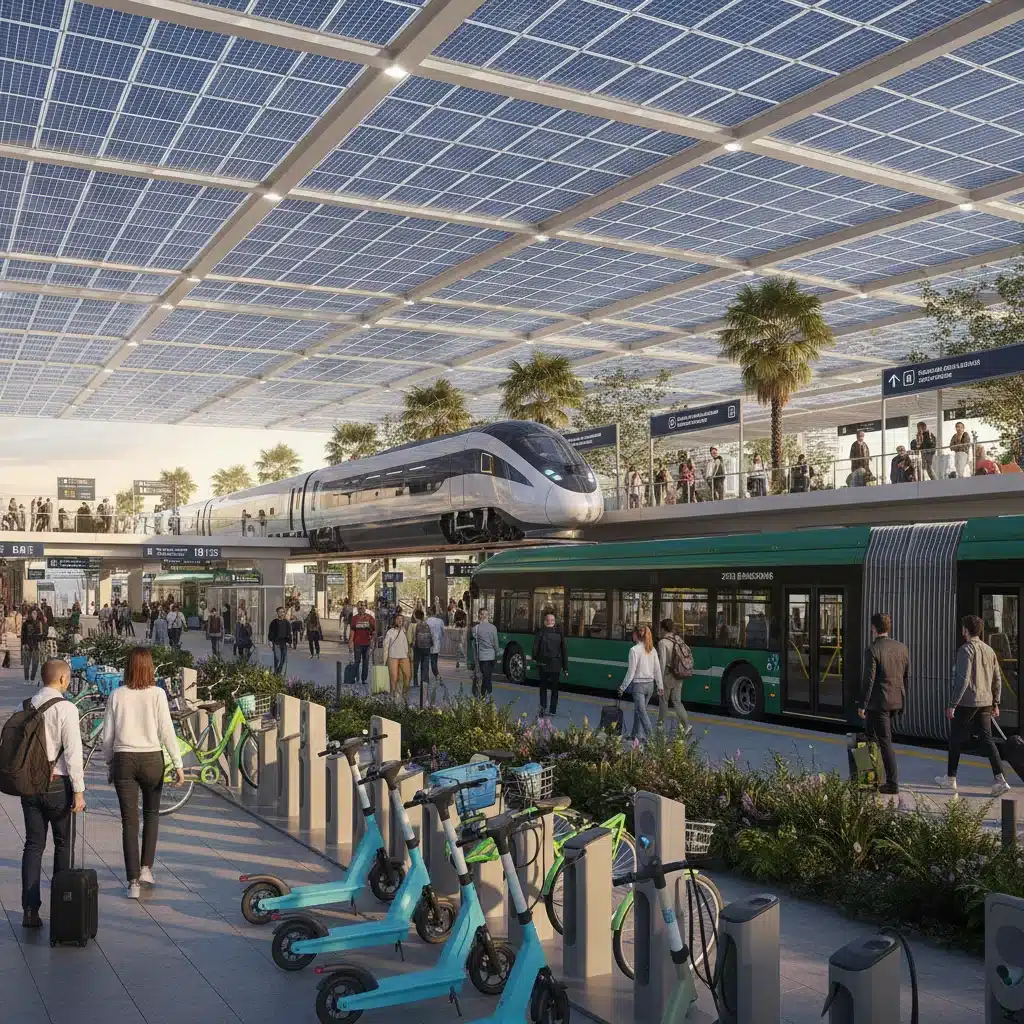
Electric scooters and e-bikes have become ubiquitous in many US cities, offering a flexible and fun way to cover short distances. What’s new in Q2 2026 is the increased focus on better integration of these services with existing public transit networks. Many cities are now implementing dedicated parking zones at transit hubs, offering incentive programs for combining micro-mobility with bus or train travel, and even integrating rental services directly into public transit apps.
For instance, cities like Denver and Austin have launched pilot programs where users can unlock e-scooters or e-bikes directly through their public transit fare cards or apps, streamlining the payment process and encouraging multimodal journeys. This integration is crucial for reducing reliance on private vehicles for short trips, thereby reducing emissions and congestion. The data collected from these integrated systems also provides valuable insights for urban planners to optimize infrastructure and service placement.
Autonomous Shuttles: On-Demand Sustainable Transit US
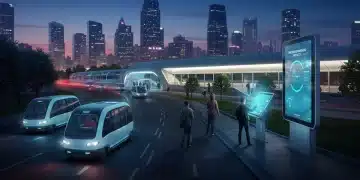
Autonomous electric shuttles are emerging as a promising solution for fixed-route, low-speed connections, particularly in university campuses, corporate parks, and urban districts. Q2 2026 has seen several new deployments and expanded pilot programs for these vehicles. San Francisco’s Presidio Trust, for example, has expanded its autonomous shuttle service, providing free, eco-friendly transport within the park and connecting to external transit lines.
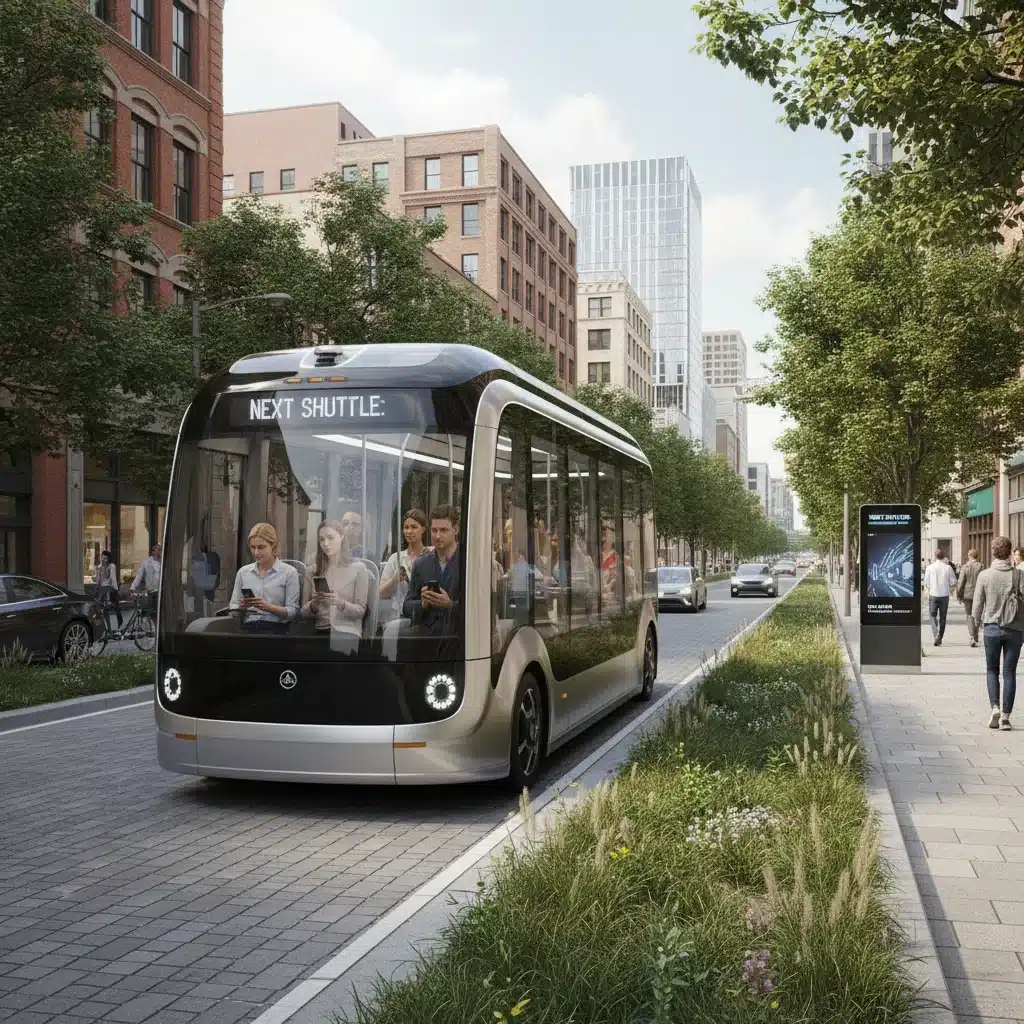
These shuttles are typically smaller than traditional buses, making them agile in dense urban environments. Their electric propulsion ensures zero emissions, and their autonomous nature promises enhanced safety and optimized routing. As the technology matures and regulatory frameworks evolve, autonomous shuttles are poised to play an even larger role in providing efficient and sustainable transit US solutions for specific zones.
Smart Transit and Digital Integration: The Brains Behind Sustainable Transit US
Beyond the vehicles themselves, the intelligence that powers and connects these systems is equally vital. Q2 2026 has seen significant advancements in smart transit technologies and digital integration, making public transportation more responsive, efficient, and user-friendly.
Integrated Mobility Platforms (MaaS)
Mobility as a Service (MaaS) platforms are gaining traction, aiming to integrate various forms of transportation – public transit, ride-sharing, bike-sharing, and even car-sharing – into a single, seamless digital experience. Users can plan, book, and pay for multi-modal journeys through a single app. Helsinki’s Whim app is a well-known example, and US cities are rapidly developing their own versions.
In Q2 2026, several major US cities, including Chicago and Boston, have launched enhanced MaaS platforms that offer personalized route suggestions, real-time updates across all modes, and consolidated payment options. These platforms are crucial for encouraging commuters to ditch private cars by demonstrating the convenience and efficiency of integrated public and shared transport options. They also provide invaluable data for urban planners to identify travel patterns and optimize service delivery.
AI and Data Analytics for Optimization
Artificial intelligence and big data analytics are being leveraged to optimize every aspect of public transportation. From predictive maintenance of electric fleets to dynamic route optimization based on real-time demand and traffic conditions, AI is making transit systems smarter and more resilient. Q2 2026 has seen an increase in cities using AI-powered systems to manage traffic signals, prioritize public transit vehicles, and even predict potential disruptions before they occur.
For example, Pittsburgh’s Port Authority has implemented an AI-driven system that analyzes rider data, weather patterns, and special events to adjust bus schedules and routes in real-time, significantly improving punctuality and rider satisfaction. This data-driven approach is fundamental to ensuring that sustainable transit US solutions are not only green but also highly effective and responsive to the needs of the community.
Innovative Funding and Policy Frameworks: Paving the Way for Sustainable Transit US
The transition to sustainable transit US requires not just technological innovation but also robust financial backing and supportive policy environments. Q2 2026 has brought forth several creative funding mechanisms and progressive policy shifts that are accelerating this transformation.
Federal and State Initiatives
Federal funding programs, such as those under the Bipartisan Infrastructure Law, continue to be a major catalyst for sustainable transit projects. Q2 2026 has seen new rounds of grants allocated for electric bus procurements, charging infrastructure development, and expansion of rail networks. States are also stepping up, with many offering their own incentive programs and tax credits for municipalities investing in green transit.
California, for instance, has continued its aggressive investment in zero-emission transit, providing significant state funds to help smaller transit agencies transition their fleets. These state-level commitments are critical in complementing federal efforts and ensuring that the benefits of sustainable transit US reach communities of all sizes.
Public-Private Partnerships (PPPs)
Public-private partnerships are playing an increasingly vital role in financing and implementing large-scale sustainable transit projects. Private companies bring capital, expertise, and innovation, while public agencies provide regulatory oversight and ensure alignment with public good. Q2 2026 has seen successful PPPs in the development of high-speed rail corridors and the deployment of advanced charging infrastructure for electric vehicles.
One notable example is a partnership in Texas between a private rail developer and local governments to construct a high-speed rail line connecting major metropolitan areas. Such collaborations are essential for mobilizing the vast resources needed to build the sustainable transit networks of the future.
Congestion Pricing and Carbon Taxes
Beyond direct funding, policy tools like congestion pricing and carbon taxes are gaining renewed consideration. While often controversial, these mechanisms aim to reduce vehicle miles traveled (VMT) by private cars and generate revenue that can be reinvested into public transportation. New York City’s long-debated congestion pricing scheme, set to be implemented in late 2026, has already influenced other cities to explore similar models.
The idea is to create a disincentive for driving in congested urban areas, thereby encouraging the use of more sustainable transit US options. The revenue generated can then be used to subsidize fares, improve service frequency, or invest in new infrastructure, creating a virtuous cycle for sustainable urban mobility.
Challenges and the Road Ahead for Sustainable Transit US
Despite the remarkable progress, the journey towards a fully sustainable transit system in the US is not without its challenges. Addressing these hurdles will be crucial for maintaining the momentum seen in Q2 2026.
Infrastructure Development and Grid Capacity
The rapid expansion of electric vehicle fleets, particularly buses and trains, places significant demands on electrical grids. Ensuring sufficient grid capacity and developing robust charging infrastructure, especially in areas with older electrical systems, remains a significant challenge. Investment in smart grid technologies and renewable energy integration is paramount to avoid overwhelming existing infrastructure.
Affordability and Equity
While sustainable transit offers numerous benefits, it’s critical to ensure that these innovations are accessible and affordable for all segments of the population. Fare structures, route planning, and service frequency must be designed with equity in mind, preventing the creation of a two-tiered system where only certain demographics can fully benefit from new technologies. Initiatives like fare capping and subsidized passes for low-income residents are important steps in this direction.
Public Acceptance and Behavioral Change
Perhaps the most enduring challenge is shifting public perception and encouraging widespread adoption of public and shared transit options over private car ownership. This requires not only convenient and reliable services but also effective public awareness campaigns that highlight the benefits of sustainable transit US for individual health, community well-being, and environmental protection.
Cities are experimenting with various strategies, from gamification of transit apps to community engagement programs, to foster a culture of sustainable mobility. The success of these efforts will ultimately determine the long-term impact of the innovations we are witnessing.
Conclusion: A Greener Future on the Horizon
Q2 2026 marks a period of significant advancement and enthusiastic adoption in sustainable transit US solutions. From the widespread embrace of electric fleets and the integration of micro-mobility options to the sophisticated intelligence of smart transit platforms and innovative funding models, the momentum is undeniable.
The commitment to decarbonizing transportation and creating more livable, connected cities is evident across the nation. While challenges remain, the ingenuity and collaborative spirit demonstrated by urban planners, technology developers, and policymakers offer a strong indication that the United States is firmly on track towards a greener, more efficient, and more equitable public transportation future. The innovations gaining traction now are not just temporary fixes but foundational elements of a truly sustainable transit US system that will benefit generations to come.