AI-Driven Traffic Management: 3-Month Blueprint for US Cities
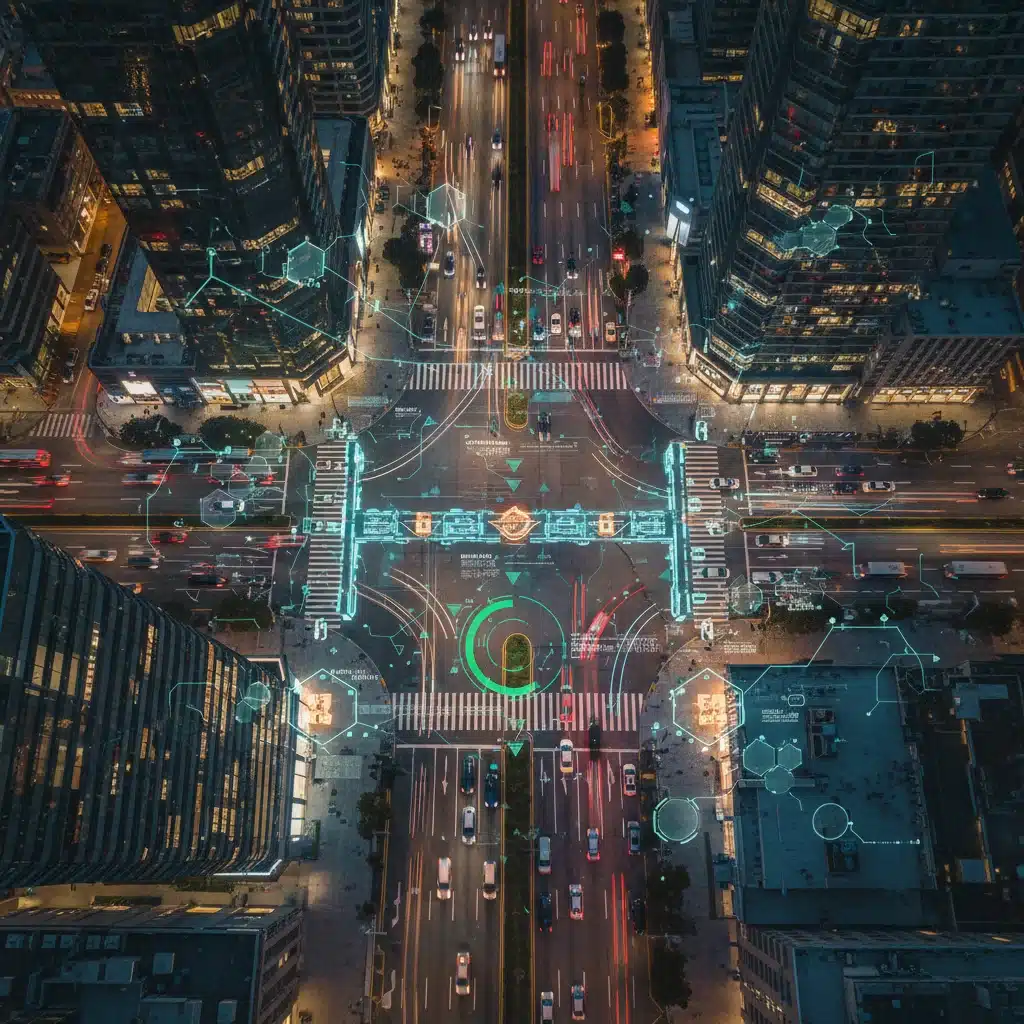
AI-Driven Traffic Management: A 3-Month Blueprint for US Cities to Improve Flow by 15%
In an increasingly urbanized world, the challenge of managing traffic congestion has become a critical concern for cities across the United States. From lost productivity to increased pollution and heightened stress levels, the ramifications of inefficient traffic flow are far-reaching. Traditional traffic management systems, often reliant on fixed timings or rudimentary sensor data, are struggling to keep pace with the dynamic nature of modern urban mobility. This is where AI traffic management emerges as a game-changer, offering unprecedented capabilities to analyze, predict, and optimize traffic flow in real-time. The promise is not just marginal improvement, but a transformative shift towards smarter, more sustainable urban environments.
This comprehensive blueprint outlines a pragmatic, 3-month strategy for US cities to implement robust AI traffic management solutions, with the ambitious yet achievable goal of improving traffic flow by a significant 15%. This isn’t merely about adopting new technology; it’s about fostering a paradigm shift in how urban transportation networks are conceived and operated. By leveraging the power of artificial intelligence, cities can move beyond reactive measures to proactive, predictive strategies that anticipate congestion before it occurs and dynamically adjust to optimize vehicle movement, reduce delays, and enhance overall road safety. The following sections will detail each phase of this blueprint, providing actionable steps, essential considerations, and key performance indicators to ensure a successful and impactful deployment of AI-driven traffic solutions.
The Urgent Need for AI Traffic Management in US Cities
The statistics paint a stark picture: American commuters spend an average of 54 hours per year stuck in traffic, costing the economy billions of dollars annually in lost productivity and wasted fuel. Beyond the economic impact, persistent congestion contributes significantly to air pollution, exacerbates public health issues, and diminishes the quality of life for urban residents. Existing infrastructure, often designed decades ago, is ill-equipped to handle the exponential growth in vehicle numbers and the evolving patterns of urban travel. This gap between demand and capacity underscores the urgent need for innovative solutions.
Traditional traffic signal systems, while foundational, often operate on pre-set schedules or react slowly to changing conditions. They lack the ability to adapt to sudden incidents, special events, or even day-to-day fluctuations in traffic volume. This rigidity leads to inefficiencies, bottlenecks, and frustrated drivers. The advent of AI traffic management offers a powerful antidote. AI algorithms can process vast amounts of data from various sources – including sensors, cameras, GPS devices, and even social media – to gain a holistic understanding of traffic patterns. This data-driven insight allows for predictive modeling, enabling systems to anticipate congestion and make real-time adjustments to signal timings, lane assignments, and route guidance. The potential for a 15% improvement in traffic flow is not an arbitrary number; it’s a conservative estimate based on successful pilot programs and the inherent adaptability of AI-driven systems. Such an improvement would translate directly into reduced commute times, lower fuel consumption, decreased emissions, and a more predictable, enjoyable urban travel experience for millions.
Phase 1: Assessment and Planning (Month 1)
The initial month is crucial for laying a solid foundation for your AI traffic management initiative. This phase involves a thorough assessment of current traffic conditions, existing infrastructure, and the identification of specific pain points. Without a clear understanding of the challenges, any proposed solution, no matter how advanced, risks being misaligned with actual needs. This involves a multi-faceted approach, combining data collection, stakeholder engagement, and strategic planning.
Week 1-2: Data Collection and Baseline Establishment
The first step is to establish a robust baseline of current traffic performance. This requires collecting comprehensive data from all available sources. Cities should aggregate data from:
- Existing Traffic Sensors: Loop detectors, radar sensors, and acoustic sensors that provide volume, speed, and occupancy data.
- Traffic Cameras: Analyzing video feeds for vehicle counts, queue lengths, and incident detection.
- Public Transit Data: Bus and train schedules, real-time location data, and ridership figures to understand multimodal impacts.
- GPS and Mobile Data: Anonymized data from navigation apps and mobile carriers can offer insights into travel times, origin-destination patterns, and congestion hotspots.
- Incident Reports: Data from police, emergency services, and road maintenance on accidents, breakdowns, and road closures.
- Weather Data: Understanding how adverse weather conditions impact traffic flow.
Key metrics to establish a baseline include average travel times on critical corridors, intersection delay times, queue lengths, and incident response times. This data will serve as the benchmark against which the 15% improvement goal will be measured. It’s also vital to identify areas of persistent congestion, frequent accidents, and significant bottlenecks.
Week 3-4: Stakeholder Engagement and Technology Assessment
Successful implementation of AI traffic management requires broad buy-in and collaboration. Engage key stakeholders, including:
- City Transportation Departments: Essential for operational insights and infrastructure knowledge.
- Emergency Services: To understand their needs for rapid response and optimal routing.
- Public Transit Agencies: For integrated multimodal planning.
- Local Businesses and Community Groups: To gather feedback on specific traffic issues and concerns.
- Technology Vendors: Begin researching potential AI solutions providers. Assess their track record, scalability, integration capabilities, and adherence to data privacy standards. Look for solutions that offer predictive analytics, real-time optimization, and user-friendly interfaces. Consider open-source options where appropriate.
During this period, conduct a thorough assessment of your existing IT infrastructure. Can it support the increased data load and processing power required for AI? What network upgrades or cloud computing resources might be necessary? Evaluate the feasibility of integrating new AI systems with legacy traffic control hardware. This assessment will inform the technology selection process and help in budgeting for necessary upgrades.
Phase 2: Implementation and Integration (Month 2)
With a solid plan in place, Month 2 focuses on the practical aspects of deploying your chosen AI traffic management system. This phase involves technology procurement, initial setup, and the critical integration of new AI capabilities with existing urban infrastructure.
Week 5-6: System Procurement and Initial Deployment
Based on the technology assessment, proceed with the procurement of the selected AI traffic management solution. This might involve issuing RFPs (Requests for Proposals) or engaging directly with preferred vendors. Once procured, begin the initial deployment. This typically involves:
- Sensor Installation/Upgrade: Deploying new smart sensors (e.g., radar, lidar, computer vision cameras) in identified high-priority areas. Ensure these sensors can feed real-time data to the AI platform.
- Connectivity Establishment: Setting up robust communication networks (fiber optic, 5G, dedicated wireless) to ensure seamless data flow between sensors, traffic signals, and the central AI platform.
- Software Installation: Deploying the core AI platform software, either on-premise or in a cloud environment.
- Pilot Zone Selection: Identify a specific, manageable pilot zone (e.g., a critical corridor or a cluster of interconnected intersections) for initial deployment. This allows for controlled testing and minimizes disruption.
During this stage, close collaboration with the chosen vendor is paramount to ensure proper installation and configuration. Data security and privacy protocols must be rigorously implemented from the outset.

Week 7-8: Data Integration and AI Model Training
This is where the intelligence of your AI traffic management system truly begins to take shape. Integrate all collected data streams into the AI platform. This includes:
- Real-time Sensor Data: Continuously feeding live data on vehicle presence, speed, and type.
- Historical Traffic Data: Using the baseline data collected in Month 1 to train the AI models on typical traffic patterns, recurring congestion, and historical incident responses.
- Traffic Signal Control Systems: Establishing a two-way communication channel between the AI platform and existing traffic signal controllers to allow for dynamic adjustments.
- Public Transit Feeds: Integrating real-time bus and train locations to prioritize public transport and optimize multimodal flow.
The AI models will then begin their learning process. This involves:
- Pattern Recognition: Identifying recurring traffic patterns and anomalies.
- Predictive Modeling: Forecasting future traffic conditions based on current data, historical trends, and external factors like weather or events.
- Optimization Algorithms: Developing and refining algorithms to dynamically adjust signal timings, ramp metering, and variable message signs to achieve optimal traffic flow within the pilot zone.
Initial training might involve running simulations using historical data before applying real-time control. This iterative process allows the AI to learn and improve its decision-making capabilities.
Phase 3: Optimization and Expansion (Month 3)
The final month of the blueprint focuses on fine-tuning the AI traffic management system, validating its performance, and planning for broader deployment across the city. This phase is critical for achieving and sustaining the target 15% improvement in traffic flow.
Week 9-10: Pilot Zone Activation and Performance Monitoring
With the AI models trained and integrated, it’s time to activate the system in the designated pilot zone. Begin with a cautious, phased approach:
- Shadow Mode: Initially, the AI system might operate in ‘shadow mode,’ generating recommendations without directly controlling signals. This allows operators to observe its suggestions and build trust.
- Gradual Control: Once confidence is established, gradually transition to AI-driven control, starting with less critical intersections and expanding.
- Real-time Monitoring: Continuously monitor the performance of the AI system using the baseline metrics established in Month 1. Track travel times, delays, queue lengths, and incident response. Utilize dashboards and visualization tools provided by the AI platform.
- Human Oversight: Maintain human oversight during this phase. Traffic operators should be ready to intervene if the AI system makes suboptimal decisions or encounters unforeseen circumstances.
Crucially, collect feedback from emergency services, transit operators, and even the public (if a feedback mechanism is in place) to identify any unforeseen impacts or areas for improvement. This feedback loop is essential for iterative refinement.

Week 11-12: Refinement, Reporting, and Scalability Planning
The final weeks are dedicated to refining the AI traffic management system based on the performance data and feedback gathered during the pilot phase. This involves:
- Algorithm Tuning: Working with the vendor to fine-tune AI algorithms, update parameters, and adjust optimization goals (e.g., prioritizing emergency vehicles, public transit, or overall flow).
- Performance Reporting: Generate a comprehensive report detailing the achieved improvements in the pilot zone. Quantify the reduction in travel times, delays, and congestion. Compare these results against the initial baseline to demonstrate the 15% improvement target. Highlight any unexpected benefits, such as reduced fuel consumption or emissions.
- Scalability Planning: Based on the successful pilot, develop a detailed plan for expanding the AI traffic management system to other parts of the city. This plan should include a phased rollout schedule, budget projections for additional sensors and infrastructure, and a strategy for training more personnel.
- Documentation and Training: Document all processes, configurations, and best practices. Provide ongoing training for traffic operators and technical staff to ensure they are proficient in managing and troubleshooting the AI system.
- Future Enhancements: Outline a roadmap for future enhancements, such as integrating with smart parking systems, autonomous vehicles, or ride-sharing platforms to further optimize urban mobility.
Key Technologies and Components for AI Traffic Management
Successful AI traffic management relies on a sophisticated interplay of various technologies. Understanding these components is essential for effective implementation:
Advanced Sensors and Data Collection
- Computer Vision Cameras: Equipped with AI, these cameras can accurately detect vehicle types, count traffic, measure speed, identify queue lengths, and even recognize pedestrian and cyclist movements. They can also detect incidents like accidents or stalled vehicles.
- Radar and Lidar: These technologies provide precise speed and distance measurements, crucial for dynamic traffic flow analysis and incident detection, especially in adverse weather conditions.
- Inductive Loop Detectors: While traditional, modern loops can provide valuable presence and volume data, which when combined with AI, inform overall traffic patterns.
- Connected Vehicle Data (CV2X): As more vehicles become connected, their real-time data (speed, location, braking) can be anonymously aggregated and fed into AI systems for highly granular traffic insights.
- Mobile and GPS Data: Anonymized data from smartphones and navigation apps offer insights into travel times, origin-destination patterns, and congestion points across a wider network.
AI and Machine Learning Platforms
- Predictive Analytics: AI models can forecast traffic conditions minutes or hours in advance, based on historical data, real-time feeds, weather forecasts, and event schedules. This allows for proactive adjustments rather than reactive responses.
- Reinforcement Learning: Algorithms learn optimal traffic signal timings through trial and error in simulated environments, continuously improving their performance based on traffic flow outcomes.
- Deep Learning for Image/Video Analysis: Neural networks are used to process vast amounts of video data from cameras, enabling accurate object detection, classification, and behavioral analysis.
- Optimization Algorithms: These algorithms are at the heart of AI traffic management, dynamically adjusting signal phases, durations, and coordination plans to minimize delays, reduce stops, and improve overall throughput.
Communication Infrastructure
- High-Speed Networks: Reliable and low-latency communication (e.g., fiber optics, 5G, dedicated wireless) is critical for transmitting massive amounts of real-time sensor data to the central AI platform and sending control commands back to traffic signals.
- Edge Computing: Processing data closer to the source (e.g., at the intersection controller) can reduce latency and bandwidth requirements, enabling faster decision-making by AI.
Centralized Traffic Management Systems (CTMS)
- Integrated Dashboards: Provide a unified view of the entire traffic network, displaying real-time conditions, AI recommendations, and performance metrics.
- Decision Support Systems: AI-powered tools that assist human operators in making informed decisions, especially during complex incidents.
- Simulation and Modeling Tools: Allow for ‘what-if’ scenarios to test the impact of different AI strategies before deployment.
Overcoming Challenges in AI Traffic Management Implementation
While the benefits of AI traffic management are substantial, cities must be prepared to address several challenges during implementation:
Data Privacy and Security
Collecting vast amounts of data raises concerns about privacy. Cities must implement robust anonymization techniques, adhere to strict data protection regulations, and ensure secure data storage and transmission to prevent breaches. Transparency with the public about data usage is also crucial.
Integration with Legacy Systems
Many cities have existing traffic infrastructure that may be decades old. Integrating new AI systems with these legacy components can be complex and costly. A phased approach, starting with critical corridors, and investing in modern, open-standard controllers can mitigate this challenge.
Funding and Resources
Implementing AI traffic management requires significant initial investment. Cities should explore various funding avenues, including federal grants (e.g., DOT smart city initiatives), public-private partnerships, and innovative financing models. Demonstrating a clear ROI through pilot programs can help secure future funding.
Public Acceptance and Education
Changes to traffic patterns can initially confuse or frustrate drivers. Effective public communication campaigns are essential to explain the benefits of the new system, how it works, and what drivers can expect. Engaging community leaders and addressing concerns proactively can foster acceptance.
Talent Gap
Operating and maintaining advanced AI systems requires specialized skills in data science, AI engineering, and network management. Cities may need to invest in training existing staff or recruit new talent to fill these roles. Collaboration with universities and research institutions can also help bridge this gap.
Measuring Success and Future Outlook
Achieving a 15% improvement in traffic flow within three months is an ambitious but attainable goal with a well-executed AI traffic management blueprint. Success will be measured through continuous monitoring of key performance indicators (KPIs) such as:
- Reduced Average Travel Times: On key arterial roads and corridors.
- Decreased Intersection Delay: Shorter wait times at traffic lights.
- Lower Fuel Consumption and Emissions: Quantified through modeling based on smoother traffic flow.
- Improved Incident Response Times: Faster detection and clearance of accidents.
- Enhanced Public Transit Reliability: More on-time arrivals for buses and trains.
- Reduced Congestion Hotspots: Fewer areas experiencing severe traffic backups.
Beyond the initial 3-month period, the journey of AI traffic management is one of continuous improvement. As AI models gather more data and learn from diverse traffic scenarios, their optimization capabilities will only grow. Future advancements will likely see deeper integration with autonomous vehicles, smart infrastructure, and personalized mobility services, paving the way for truly intelligent urban transportation networks. US cities that embrace this technology today will not only alleviate current traffic woes but also position themselves as leaders in building smart, resilient, and livable cities for tomorrow.
Conclusion: Paving the Way for Smarter Urban Mobility with AI
The implementation of AI traffic management represents a pivotal moment for US cities grappling with the complexities of urban mobility. This 3-month blueprint provides a structured, actionable pathway to transition from conventional, often reactive, traffic control methods to a proactive, intelligent system capable of dynamically optimizing traffic flow. By meticulously executing the assessment, implementation, and optimization phases, cities can realistically aim for and achieve a significant 15% improvement in traffic flow, leading to tangible benefits for residents, businesses, and the environment.
The journey towards smarter cities is underpinned by innovative technologies like AI. Embracing AI traffic management is not merely an upgrade; it’s an investment in the future livability and economic vitality of urban centers. It promises shorter commutes, cleaner air, safer roads, and a more predictable transportation experience for everyone. As cities across the nation look to enhance their infrastructure and improve urban life, this blueprint offers a compelling vision and a practical roadmap for harnessing the power of artificial intelligence to build truly smart and sustainable transportation networks.