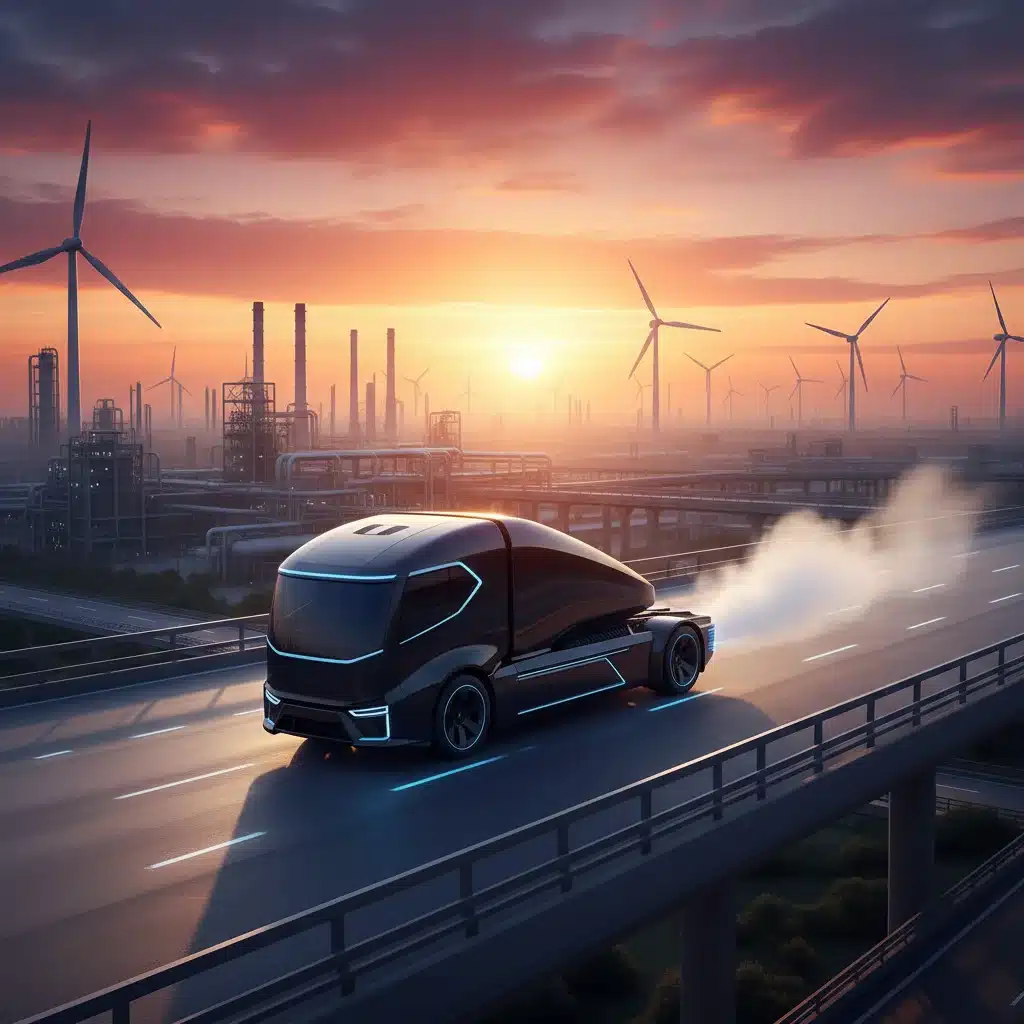
The global push towards decarbonization has placed an unprecedented spotlight on sustainable transportation solutions. While electric vehicles (EVs) have dominated the passenger car market, the heavy-duty transport sector presents a unique set of challenges and opportunities. For this segment, hydrogen fuel cell vehicles (HFCVs) are increasingly being recognized as a viable and perhaps even superior alternative to traditional diesel and battery-electric trucks. As we approach the mid-2020s, all signs point to 2026 as a potentially transformative year for hydrogen heavy-duty transport in the United States.
The Imperative for Decarbonizing Heavy-Duty Transport
Heavy-duty trucks, including semi-trucks, buses, and other large commercial vehicles, are the backbone of the U.S. economy, responsible for moving vast quantities of goods across the nation. However, they are also significant contributors to greenhouse gas emissions and air pollution. The environmental impact, coupled with increasingly stringent emission regulations, has created an urgent need for cleaner alternatives.
Battery-electric heavy-duty trucks (BEV-HDTs) offer a zero-emission solution, but they face inherent limitations, particularly for long-haul applications. The sheer weight of batteries required for extended ranges can severely reduce payload capacity, and the charging times can disrupt tight logistics schedules. This is where hydrogen fuel cell technology steps in, offering a compelling proposition for hydrogen heavy-duty transport.
Why Hydrogen? The Advantages for Long-Haul Logistics
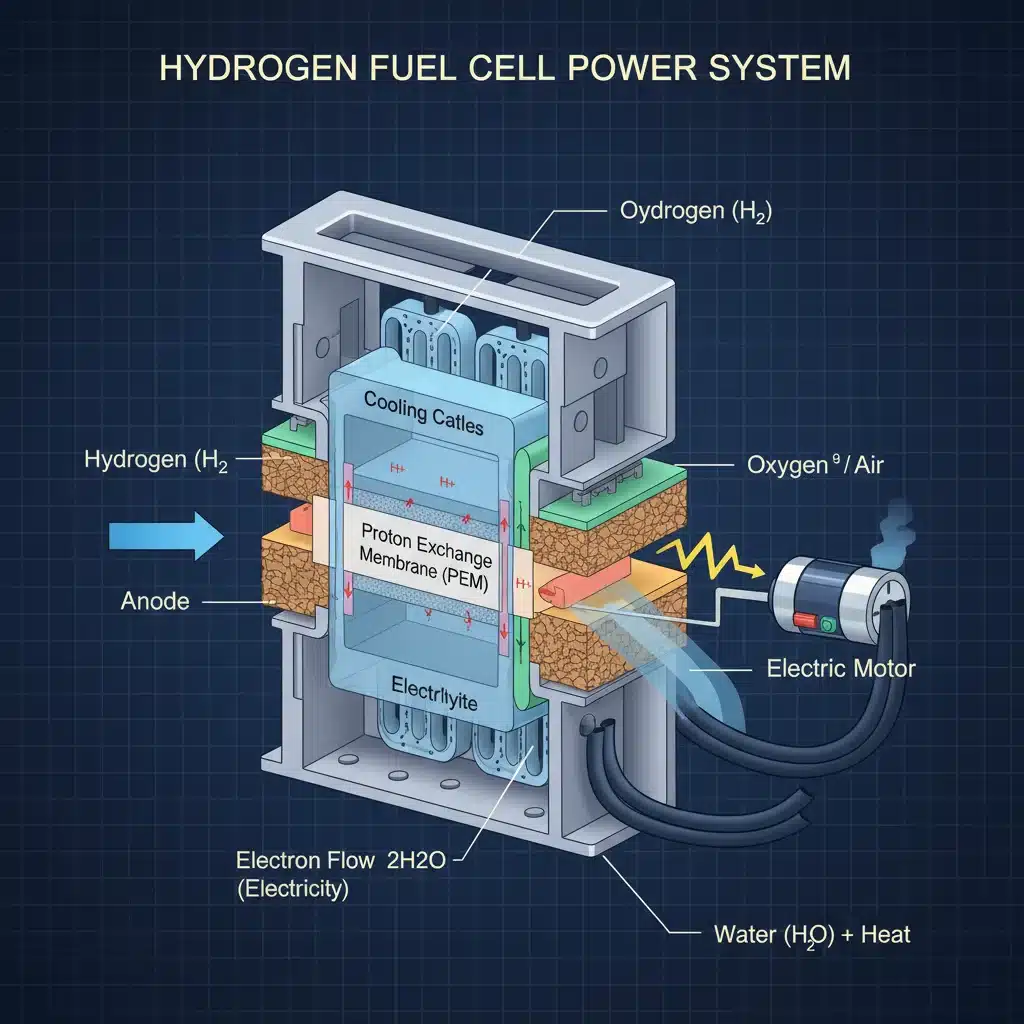
Hydrogen fuel cell vehicles convert hydrogen gas into electricity to power an electric motor, with water vapor as the only byproduct. This process offers several key advantages for heavy-duty applications:
- Extended Range: HFCVs can achieve ranges comparable to diesel trucks, far exceeding the practical range of current BEV-HDTs without significant payload compromises.
- Rapid Refueling: Refueling a hydrogen fuel cell truck takes a similar amount of time to refueling a diesel truck – typically 10-20 minutes. This is a crucial factor for maintaining efficient logistics operations, minimizing downtime, and maximizing vehicle utilization.
- Payload Capacity: Hydrogen storage systems are significantly lighter than large battery packs, allowing HFCVs to carry heavier payloads, which is critical for profitability in the heavy-duty sector.
- Cold Weather Performance: Fuel cells are less susceptible to range degradation in cold weather compared to batteries, making them a more robust solution for diverse climates found across the U.S.
- Scalability: The underlying technology is scalable, meaning larger vehicles or those requiring more power can be accommodated by increasing the size or number of fuel cell stacks.
Key Drivers for Hydrogen Heavy-Duty Transport in 2026
Several converging factors are positioning 2026 as a pivotal year for the widespread adoption of hydrogen heavy-duty transport in the U.S. These drivers encompass technological maturation, infrastructure development, regulatory support, and economic incentives.
1. Technological Advancements and Commercial Readiness
The technology behind hydrogen fuel cells has been steadily advancing, moving beyond experimental phases into commercial viability. Fuel cell stacks are becoming more efficient, durable, and cost-effective. Key areas of improvement include:
- Increased Efficiency: Modern fuel cells boast higher energy conversion efficiencies, directly translating to better range and lower operational costs.
- Enhanced Durability: Research and development have significantly improved the lifespan and reliability of fuel cell components, making them suitable for the demanding duty cycles of heavy-duty trucks.
- Reduced Cost: Manufacturing processes are becoming more streamlined, and the cost of materials, particularly platinum group metals used in catalysts, is being driven down through innovation and material substitution.
- System Integration: Vehicle manufacturers are gaining expertise in integrating fuel cell systems with electric drivetrains, optimizing performance and packaging.
By 2026, many of the leading automotive and heavy-duty truck manufacturers are expected to have production-ready HFCV models available for commercial fleets. This maturation of technology is a prerequisite for large-scale adoption and will significantly de-risk investments for fleet operators considering hydrogen heavy-duty transport.
2. Expanding Hydrogen Infrastructure
The classic “chicken or egg” dilemma between vehicle availability and refueling infrastructure has long plagued the hydrogen economy. However, significant progress is being made on the infrastructure front, with a clear trajectory towards a more robust network by 2026.
- Hydrogen Hubs: The U.S. Department of Energy (DOE) has launched initiatives to establish regional hydrogen hubs across the country. These hubs will focus on hydrogen production, processing, delivery, and end-use, creating localized ecosystems for hydrogen supply. The funding allocated for these hubs is substantial and aims to accelerate the development of a nationwide hydrogen backbone.
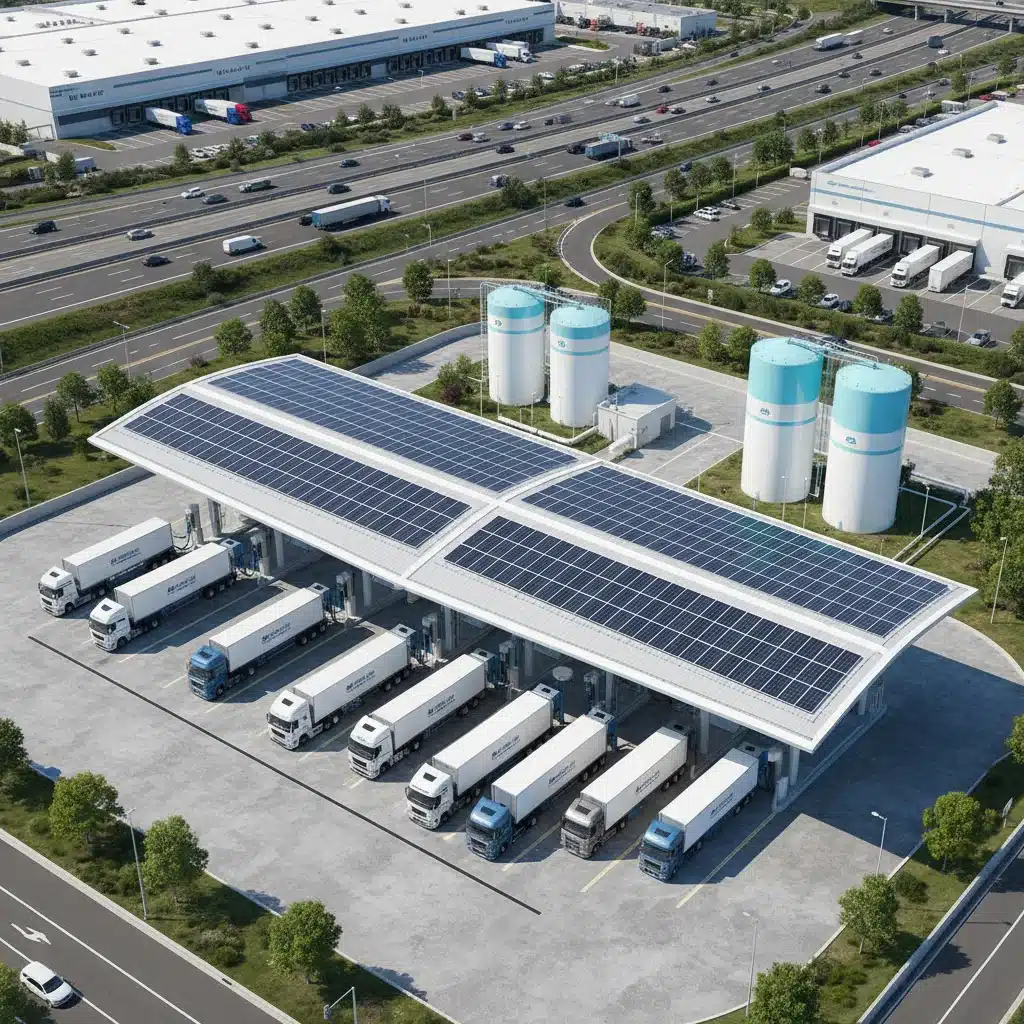
- Refueling Station Development: Private companies and consortia are actively investing in the construction of high-capacity hydrogen refueling stations specifically designed for heavy-duty vehicles. These stations will be strategically located along major trucking corridors and at key logistics centers.
- Production Capacity: Investments in both green hydrogen (produced from renewable energy via electrolysis) and blue hydrogen (produced from natural gas with carbon capture) are scaling up. This increased production capacity is essential to meet the anticipated demand from hydrogen heavy-duty transport fleets.
- Distribution Networks: Innovations in hydrogen storage and distribution, including pipelines, liquid hydrogen tankers, and compressed hydrogen tube trailers, are improving the efficiency and cost-effectiveness of delivering hydrogen to refueling stations.
The timeline for many of these infrastructure projects suggests that a critical mass of refueling capabilities will be online or well under construction by 2026, alleviating a major barrier to adoption for fleet operators.
3. Supportive Regulatory Environment and Incentives
Government policies and incentives play a crucial role in accelerating the transition to cleaner transportation. The U.S. federal and state governments are increasingly recognizing the potential of hydrogen in decarbonizing the heavy-duty sector.
- Federal Initiatives: The Bipartisan Infrastructure Law (BIL) includes significant funding for hydrogen research, development, and deployment, including the aforementioned hydrogen hubs. Tax credits and grants are also being made available for clean hydrogen production and fuel cell vehicle purchases.
- State-Level Mandates: States like California are leading the way with ambitious regulations such as the Advanced Clean Trucks (ACT) rule, which mandates a certain percentage of new truck sales to be zero-emission vehicles. While this rule includes battery-electric trucks, it also creates a strong pull for hydrogen heavy-duty transport as a viable compliance option, especially for longer routes.
- Emissions Standards: Ever-tightening emissions standards for internal combustion engines are making diesel trucks more expensive to operate and maintain, further incentivizing the shift to zero-emission alternatives like HFCVs.
- Public-Private Partnerships: Collaboration between government agencies, research institutions, and private industry is fostering innovation and accelerating the deployment of hydrogen technologies.
By 2026, the cumulative effect of these policies is expected to create a highly favorable environment for the adoption of hydrogen heavy-duty transport, making it an economically attractive choice for fleet owners.
Challenges and How They Are Being Addressed
Despite the promising outlook, the path to widespread hydrogen heavy-duty transport is not without its challenges. However, significant efforts are underway to mitigate these hurdles.
Cost of Hydrogen and Fuel Cell Vehicles
Currently, the upfront cost of HFCVs can be higher than comparable diesel trucks, and the cost of hydrogen fuel can fluctuate. However, several factors are working to bring these costs down:
- Economies of Scale: As production volumes increase for both fuel cells and hydrogen, manufacturing costs will naturally decrease.
- Technological Advancements: Ongoing R&D is focused on reducing the need for expensive materials and improving manufacturing efficiency.
- Government Incentives: Tax credits, subsidies, and grants are helping to offset the initial purchase price of HFCVs and the cost of hydrogen fuel, making them more competitive.
- Total Cost of Ownership (TCO): When considering the lower maintenance costs of electric powertrains, potential carbon credits, and fuel efficiency gains, the TCO for HFCVs is projected to become competitive with diesel trucks by 2026, or even earlier for certain use cases.
Hydrogen Production and Supply Chain
Ensuring a reliable and affordable supply of hydrogen is critical. The focus on “green hydrogen” produced from renewable energy is paramount for truly sustainable hydrogen heavy-duty transport.
- Renewable Energy Integration: Investments in renewable energy sources like solar and wind power are directly supporting the growth of green hydrogen production.
- Electrolyzer Technology: Advancements in electrolyzer efficiency and cost reduction are making green hydrogen production more economically viable.
- Carbon Capture: For blue hydrogen, improvements in carbon capture, utilization, and storage (CCUS) technologies are making it a lower-carbon option in the interim.
- Supply Chain Optimization: Efforts are being made to optimize the entire hydrogen supply chain, from production to delivery, to reduce costs and improve efficiency.
Safety Perceptions
Public perception of hydrogen safety is often a concern due to its flammability. However, hydrogen has been safely used in industrial applications for decades, and modern HFCVs are designed with multiple safety features.
- Robust Safety Standards: Vehicles and refueling stations adhere to stringent international and national safety codes and standards.
- Advanced Sensors: HFCVs are equipped with sophisticated leak detection systems and automatic shut-off valves.
- Rapid Dispersion: Hydrogen is much lighter than air and dissipates quickly into the atmosphere in the event of a leak, reducing the risk of accumulation and ignition compared to heavier fuels like gasoline or diesel.
- Education and Training: Ongoing efforts are focused on educating first responders, fleet operators, and the public about hydrogen safety protocols and the inherent safety features of HFCVs.
The Role of Fleet Operators in Driving Adoption
Ultimately, the success of hydrogen heavy-duty transport hinges on adoption by fleet operators. Forward-thinking logistics companies are already conducting pilot programs and expressing strong interest in HFCVs.
- Pilot Programs: Major logistics companies are partnering with manufacturers and energy providers to test HFCVs in real-world scenarios, gathering valuable data on performance, reliability, and operational costs.
- Sustainability Goals: Many corporations have aggressive sustainability targets, and the adoption of zero-emission heavy-duty trucks is a key strategy to meet these goals and enhance their environmental, social, and governance (ESG) profiles.
- Competitive Advantage: Early adopters may gain a competitive advantage by demonstrating leadership in sustainable practices and potentially benefiting from lower operational costs in the long run.
- Driver Acceptance: The rapid refueling and comparable range of HFCVs make them an attractive option for drivers who are accustomed to diesel trucks, easing the transition.
As more successful pilot programs conclude and commercial models become readily available, the confidence among fleet operators to invest in hydrogen heavy-duty transport will grow exponentially by 2026.
Looking Beyond 2026: The Future of Hydrogen Heavy-Duty Transport
While 2026 is anticipated to be a breakthrough year, it represents just the beginning of a larger transformation. The momentum generated in the mid-2020s will pave the way for even greater advancements and broader deployment in the subsequent years.
- Further Cost Reductions: Continued innovation and economies of scale will further reduce the cost of HFCVs and hydrogen fuel, making them even more competitive.
- Advanced Fuel Cell Technologies: Research into next-generation fuel cell technologies promises even higher efficiencies, power densities, and durability.
- Smart Infrastructure: Integration of digital technologies, AI, and smart grid solutions will optimize hydrogen production, distribution, and refueling station operations.
- Global Expansion: The U.S. market will serve as a model and catalyst for the global adoption of hydrogen heavy-duty transport, with other regions following suit as technology and infrastructure mature.
- Diverse Applications: Beyond long-haul trucking, hydrogen fuel cells are expected to find increasing applications in other demanding heavy-duty sectors, suchs as rail, marine, mining, and port operations.
The vision of a clean, efficient, and sustainable heavy-duty transport sector powered by hydrogen is becoming increasingly tangible. The collaborative efforts of governments, industry, and researchers are converging to make this vision a reality.
Conclusion: A Hydrogen Horizon for Heavy-Duty Transport
The year 2026 stands as a beacon on the horizon for hydrogen heavy-duty transport in the U.S. The confluence of maturing fuel cell technology, a rapidly expanding hydrogen infrastructure, and a robust framework of supportive government policies and incentives is creating an undeniable momentum. The inherent advantages of hydrogen for long-haul, heavy-duty applications – including extended range, rapid refueling, and superior payload capacity – make it an ideal solution for decarbonizing this critical economic sector.
While challenges related to cost, supply chain, and public perception remain, the industry is proactively addressing these issues with innovative solutions and strategic investments. Fleet operators, driven by sustainability goals and the promise of a competitive total cost of ownership, are increasingly ready to embrace this transition.
As we move closer to 2026, the landscape of U.S. heavy-duty transport is set to undergo a profound transformation. Hydrogen fuel cell vehicles are not just a future possibility; they are rapidly becoming a present reality, poised to redefine clean logistics and contribute significantly to a sustainable energy future.