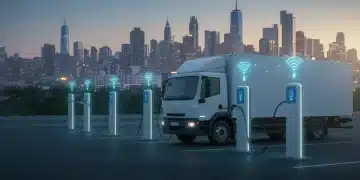
Fleet Electrification US: 20% Cost Reduction by 2026 Tech
Achieving a 20% cost reduction in US fleet electrification by 2026 is a tangible goal, driven by advanced technological integration and strategic operational shifts, promising significant financial and environmental benefits.

Smart Traffic Management: US Cities to Cut Congestion by 10% in 2026
By 2026, US cities aim to reduce traffic congestion by 10% through advanced smart traffic management systems, integrating AI, IoT, and real-time data analytics to optimize urban flow and enhance mobility.
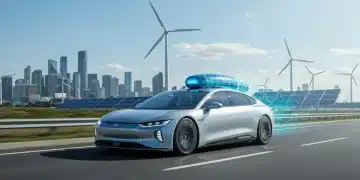
Hydrogen Fuel Cell Vehicles: US Market Readiness & 2026 Adoption
By 2026, hydrogen fuel cell vehicles in the US face critical infrastructure hurdles and cost barriers, yet significant governmental and private investments are poised to accelerate market readiness and adoption rates.

5G’s Impact on US Transportation: Enhancing Mobility by 2026
By 2026, 5G technology is poised to profoundly transform US transportation systems, enabling enhanced connectivity, real-time data exchange, and the widespread adoption of autonomous and intelligent mobility solutions nationwide.

Automotive Cybersecurity: Protecting US Vehicles in 2026
The landscape of automotive cybersecurity in the US is rapidly evolving, demanding robust protection strategies for vehicles against sophisticated emerging threats by 2026. This article delves into the critical challenges and innovative solutions ensuring secure transportation.

US Infrastructure: Reducing Emissions by 5% by 2026
US infrastructure projects are making significant strides in sustainable transportation, with ambitious goals to reduce emissions by 5% by 2026 through strategic investments in electric vehicles, public transit, and smart urban planning.

Transportation technology for smart highways: the future ahead
Transportation technology for smart highways is transforming travel efficiency. Explore innovations that enhance our road systems.

Smart City AI Traffic Management: 20% Congestion Reduction by 2025
Smart city solutions, specifically advanced AI-powered traffic management systems, are poised to significantly reduce urban congestion in US metropolitan areas by 20% by 2025, optimizing traffic flow and improving commuter experiences.
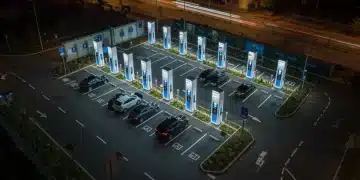
2025 Outlook: New Federal EV Charging Standards & US Infrastructure
The 2025 outlook reveals how new federal EV charging standards are poised to significantly impact US infrastructure development, projecting a 15% increase in charging capacity and fostering widespread electric vehicle adoption across the nation.

Transportation technology and AI integration: the future of travel
Transportation technology and AI integration are transforming the way we travel, enhancing efficiency and safety.