EV Charging Infrastructure: 95% Reliable Stations in the US
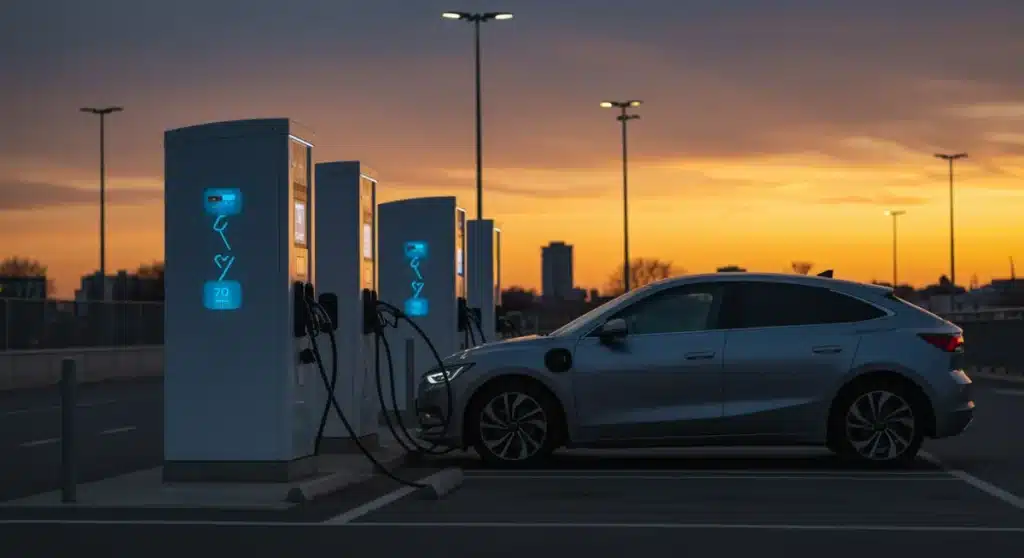
Securing 95% reliable electric vehicle charging across the US involves leveraging real-time data, understanding network variations, and employing strategic planning to mitigate infrastructure inconsistencies for optimal travel experiences.
As electric vehicles become an increasingly common sight on American roads, the discussion around charging infrastructure reliability has moved to the forefront. For EV owners, the ability to confidently find and use a charging station is paramount. This article delves into the intricacies of EV charging reliability across the US, offering expert tips and insider knowledge to help you locate and utilize stations that consistently deliver.
Understanding the EV Charging Landscape in the US
The United States boasts a rapidly expanding electric vehicle charging network, yet its reliability can vary significantly depending on location, network provider, and station type. This dynamic environment requires EV drivers to be informed and strategic in their charging approach to ensure a smooth journey.
Navigating this complex landscape means understanding the different levels of charging available and recognizing the strengths and weaknesses of various networks. From urban centers to rural highways, the accessibility and functionality of charging points fluctuate, making proactive planning essential for every EV owner.
Types of EV Charging Stations
Not all charging stations are created equal. Knowing the distinctions is crucial for planning your trips effectively and managing expectations regarding charging times.
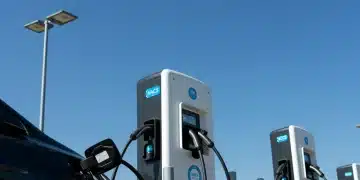
- Level 2 Chargers: These are the most common public chargers, found in workplaces, retail centers, and residential areas. They typically add about 25 miles of range per hour of charging, suitable for overnight or extended stops.
- DC Fast Chargers (DCFC): Offering rapid charging, DCFCs are vital for long-distance travel, capable of adding 100-200 miles of range in just 20-30 minutes. They are predominantly located along major highways and at dedicated charging hubs.
- Tesla Superchargers: Exclusively for Tesla vehicles (though some are opening to other EVs), these are known for their speed and widespread availability, often serving as a benchmark for reliability.
Understanding these different types helps you assess their suitability for your specific needs and travel plans. A Level 2 charger might be perfect for a leisurely stop, while a DCFC is indispensable for maintaining momentum on a road trip.
Leveraging Charging Apps and Real-Time Data for Reliability
In the quest for 95% reliable EV charging, modern technology is your most powerful ally. A plethora of mobile applications and online platforms exist, designed to provide real-time information on charging station availability and functionality.
These tools are indispensable for EV drivers, offering insights that go beyond mere location. They often include user reviews, photos, and critical operational statuses, helping you avoid the frustration of arriving at a non-functional charger.
Top Charging Apps and Features
Several applications stand out for their comprehensive databases and user-friendly interfaces. Familiarizing yourself with these can significantly improve your charging experience.
- PlugShare: Widely regarded as the go-to app, PlugShare offers an extensive map of charging stations, real-time availability, and a robust community feature where users report issues and offer tips. Its filter options allow you to search by charger type, network, and even specific amenities.
- ChargePoint: As one of the largest charging networks, ChargePoint’s app provides detailed information on its own stations, including availability and charging history. It also allows for seamless payment and management of charging sessions.
- Electrify America: Their app is crucial for accessing their growing network of DC Fast Chargers. It offers real-time status updates, pricing information, and the ability to start and stop charging sessions from your phone.
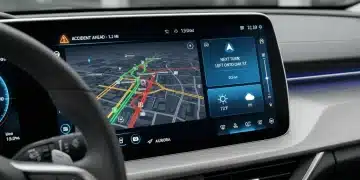
Beyond these, apps like A Better Routeplanner (ABRP) integrate charging stops into your travel itinerary, considering your EV model, battery state, and preferred charging networks. Utilizing a combination of these apps provides the most comprehensive picture of the charging landscape.
Insider Strategies for Identifying Reliable Stations
While apps provide a wealth of data, expert EV drivers develop a keen eye for subtle indicators of station reliability. This insider knowledge often comes from experience and observing patterns within the charging ecosystem.
One key strategy involves paying close attention to user comments and recent check-ins on platforms like PlugShare. A station with numerous recent, positive check-ins is generally a good sign, whereas a string of complaints about broken chargers or payment issues should raise a red flag.
Beyond the Green Light: What to Look For
The ‘available’ status on an app doesn’t always guarantee a seamless experience. There are other factors to consider when assessing a station’s true reliability.
- Network Reputation: Some charging networks consistently perform better than others. Researching and prioritizing networks known for their reliability (e.g., Tesla, Electrify America, EVgo) can save you considerable hassle.
- Frequency of Use: High-traffic stations, while sometimes busy, are often well-maintained because issues are reported and addressed quickly. Conversely, rarely used stations might have lingering, unreported problems.
- Location and Amenities: Stations located at reputable businesses (e.g., major grocery chains, established rest stops) tend to be better lit, more secure, and potentially better maintained than those in isolated areas.
Always have a backup plan. Identify at least two potential charging stops for critical legs of your journey. This redundancy is a simple yet effective way to mitigate the risk of encountering an unreliable charger.
Troubleshooting Common Charging Issues on the Go
Even with the best planning, encountering a problem at a charging station is an occasional reality for EV drivers. Knowing how to troubleshoot common issues can save you time and frustration, getting you back on the road quickly.
Many problems can be resolved with simple steps, such as restarting the charging session or trying a different connector if multiple are available. Understanding the basic diagnostics can empower you to handle minor glitches without needing to call support.
Quick Fixes for Charging Woes
Before panicking or moving on to the next station, try these common troubleshooting steps:
- Reboot the Charger: Look for a reset button on the charging unit, or simply unplug and re-plug your vehicle. Sometimes a quick reset can clear a minor software glitch.
- Try a Different Stall/Connector: If one charging cable or stall isn’t working, try another if available. Often, only one component of a multi-stall station might be faulty.
- Check Your Vehicle’s Port: Ensure your EV’s charging port is clean and free of debris. A poor connection can sometimes prevent charging from initiating.
- Contact Customer Support: Most charging networks have 24/7 customer support lines listed on the charger or in their app. They can often remotely diagnose and reset units.
Documenting the issue, including error codes and the station ID, will aid customer support in resolving the problem more efficiently. A proactive approach to troubleshooting can significantly reduce downtime during your travels.
The Future of EV Charging Reliability and Infrastructure Growth
The landscape of EV charging is continuously evolving, with significant investments being made to improve both the quantity and reliability of stations across the US. This ongoing development promises a more seamless and dependable charging experience for all electric vehicle owners.
Government initiatives, private sector investments, and technological advancements are converging to create a robust and resilient charging network. Understanding these trends helps prepare drivers for what’s next and reinforces confidence in the future of EV travel.
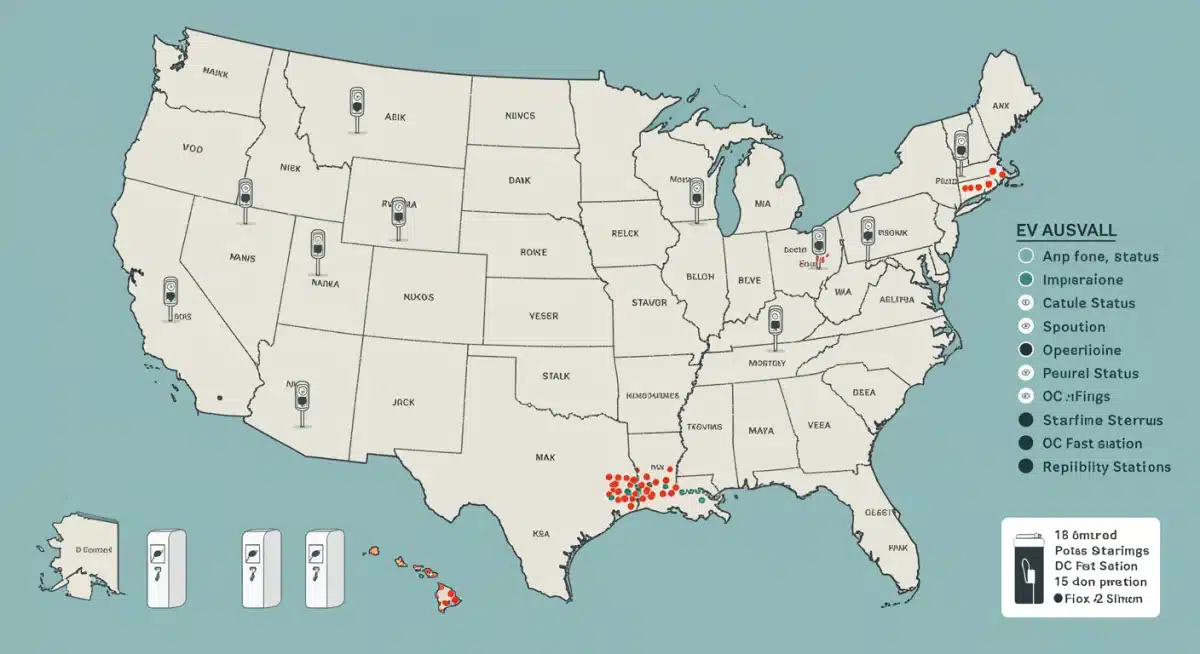

The focus is shifting from simply increasing the number of chargers to ensuring that these chargers are consistently operational and user-friendly. This includes implementing better maintenance protocols, standardizing payment systems, and improving software integration.
Key Developments Shaping Reliability
Several factors are contributing to the improved reliability of the charging infrastructure:
- Federal Funding: The Bipartisan Infrastructure Law allocates billions to build out a national EV charging network, with a strong emphasis on reliability standards and interoperability.
- Advanced Diagnostics: Charging station manufacturers are integrating more sophisticated diagnostic tools, allowing for remote monitoring and proactive maintenance, reducing downtime.
- Network Interoperability: Efforts to standardize charging protocols and payment systems are making it easier for drivers to use various networks without multiple accounts or apps, streamlining the user experience.
The trend is clear: a future where finding a reliable EV charger is as straightforward as finding a gas station today. These advancements will not only benefit current EV owners but also encourage wider adoption of electric vehicles.
Maximizing Your EV Charging Experience on Road Trips
Long-distance travel in an electric vehicle requires careful planning and a strategic approach to charging. Successfully navigating road trips hinges on anticipating your needs and utilizing available resources effectively to ensure a stress-free journey.
The key is to integrate charging stops seamlessly into your travel itinerary, viewing them not just as necessary pauses but as opportunities to explore new places or take well-deserved breaks. This mindset can transform potential charging anxiety into an enjoyable part of the adventure.
Road Trip Charging Best Practices
To ensure a smooth and reliable charging experience on your next EV road trip, consider these expert recommendations:
- Pre-plan Your Route: Use dedicated EV route planners that consider elevation changes, temperature, and charging station locations and types. ABRP is an excellent tool for this.
- Charge Before You Need To: Avoid running your battery too low. Aim to charge when your battery reaches around 20-30%, giving you a buffer in case a planned charger is occupied or out of service.
- Utilize Hotel Charging: Many hotels now offer Level 2 charging for guests. Booking accommodations with charging facilities can provide convenient overnight charging, ensuring you start each day with a full battery.
- Always Have Adapters: If your EV supports it, carry adapters for different charging standards (e.g., CCS to NACS, if applicable) to maximize your charging options.
By adopting these practices, EV drivers can significantly enhance their road trip experience, turning potential challenges into opportunities for efficient and enjoyable travel.
| Key Point | Brief Description |
|---|---|
| App Utilization | Use apps like PlugShare for real-time station status and user reviews to find operational chargers. |
| Network Selection | Prioritize networks with strong reliability records and good maintenance, such as Tesla or Electrify America. |
| Backup Planning | Always identify multiple charging options on your route to mitigate issues with a primary station. |
| On-site Troubleshooting | Familiarize yourself with basic fixes like restarting the charger or trying different connectors before seeking assistance. |
Frequently Asked Questions About EV Charging Reliability
Achieving 95% reliable EV charging means that nine out of ten times, a driver can successfully initiate and complete a charging session at their chosen station without encountering significant issues. This benchmark is crucial for building consumer confidence in electric vehicle adoption and long-distance travel, minimizing range anxiety and inconvenience for users across various charging networks.
Most major charging networks and third-party apps like PlugShare, ChargePoint, and Electrify America provide real-time updates on station availability and operational status. These apps leverage data directly from the charging units to inform drivers if a port is in use, available, or out of order. Always check these resources before heading to a station.
First, try basic troubleshooting: reboot your vehicle’s charging system, unplug and replug the connector, or try a different charging port if available. If issues persist, contact the charging network’s customer support through their app or the number displayed on the charger. They can often remotely diagnose and resolve problems, or guide you to the nearest working station.
No, reliability can vary significantly between networks due to differences in maintenance, technology, and customer support. Networks like Tesla Superchargers are often cited for high reliability, while others are actively improving. Researching user reviews and recent performance data for specific networks in your travel area can help you make informed decisions about where to charge.
You can significantly contribute by reporting issues promptly through charging apps or directly to network providers. Leaving detailed comments and photos on platforms like PlugShare helps other drivers avoid problematic stations and provides valuable feedback for network operators to address maintenance needs. Your active participation fosters a more reliable charging ecosystem for everyone.
Conclusion
Achieving a 95% reliable EV charging experience across the US is an attainable goal for electric vehicle owners, provided they equip themselves with the right knowledge and tools. By leveraging real-time data from charging apps, understanding the nuances of different charging networks, and employing smart planning strategies, drivers can confidently navigate the existing infrastructure. The continuous evolution of charging technology and significant investments in network expansion promise an even more seamless future for EV travel, making electric vehicles an increasingly practical and enjoyable mode of transportation for journeys both short and long.