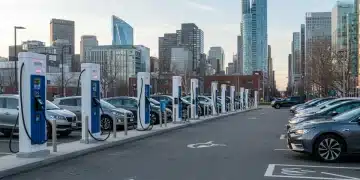
Level 3 DC Fast Chargers: 80% EV Charge in 20 Minutes
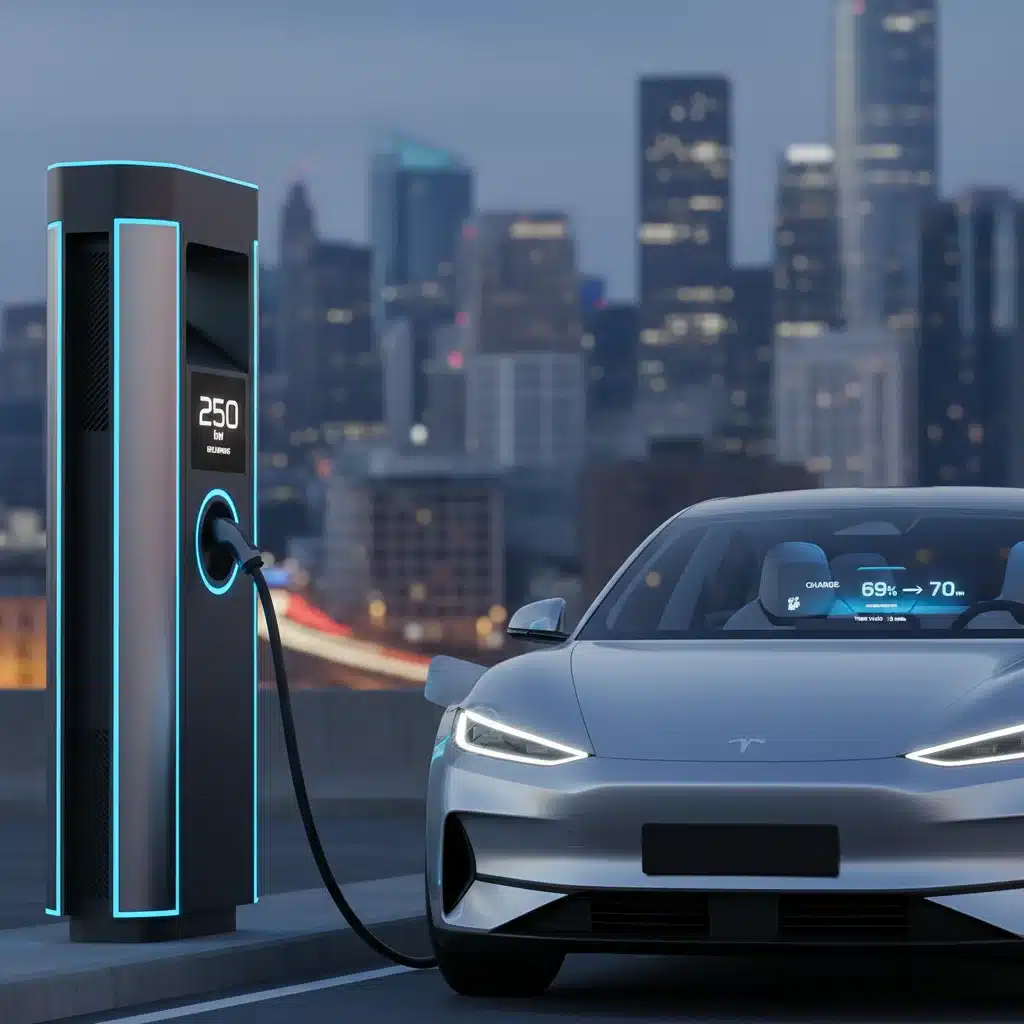
Level 3 DC Fast Chargers: Your EV’s 80% Charge in 20 Minutes
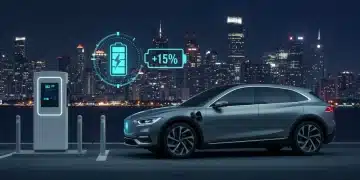
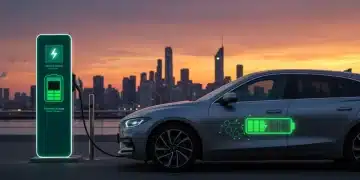
The electric vehicle (EV) revolution is accelerating, and with it, the demand for faster, more efficient charging solutions. Range anxiety, once a significant barrier to EV adoption, is rapidly becoming a relic of the past, thanks to advancements in battery technology and, more importantly, the proliferation of high-power charging infrastructure. Among these, Level 3 DC fast chargers stand out as the game-changers, promising to replenish your EV’s battery to 80% in as little as 20 minutes. This incredible speed is transforming the EV experience, making long-distance travel and quick top-ups during daily routines more convenient than ever before.
In this comprehensive guide, we will delve deep into the world of EV DC Fast Chargers, exploring the technologies that make them so powerful, comparing the leading brands and their offerings, and helping you understand which charger is best suited for your electric vehicle needs. We’ll examine the key features, power outputs, and compatibility standards that define the current landscape of DC fast charging, ensuring you’re well-informed about the rapid evolution of EV infrastructure.
Understanding Level 3 DC Fast Charging: The Science of Speed
Before we dive into specific chargers, it’s crucial to understand what Level 3 DC fast charging entails. Unlike Level 1 and Level 2 chargers, which use alternating current (AC) and require the EV’s onboard charger to convert it to direct current (DC), Level 3 chargers deliver DC power directly to the vehicle’s battery. This bypasses the onboard converter, allowing for significantly higher power transfer rates and, consequently, much faster charging times. The ‘fast’ in EV DC Fast Chargers isn’t just a marketing term; it’s a fundamental difference in how power is delivered.
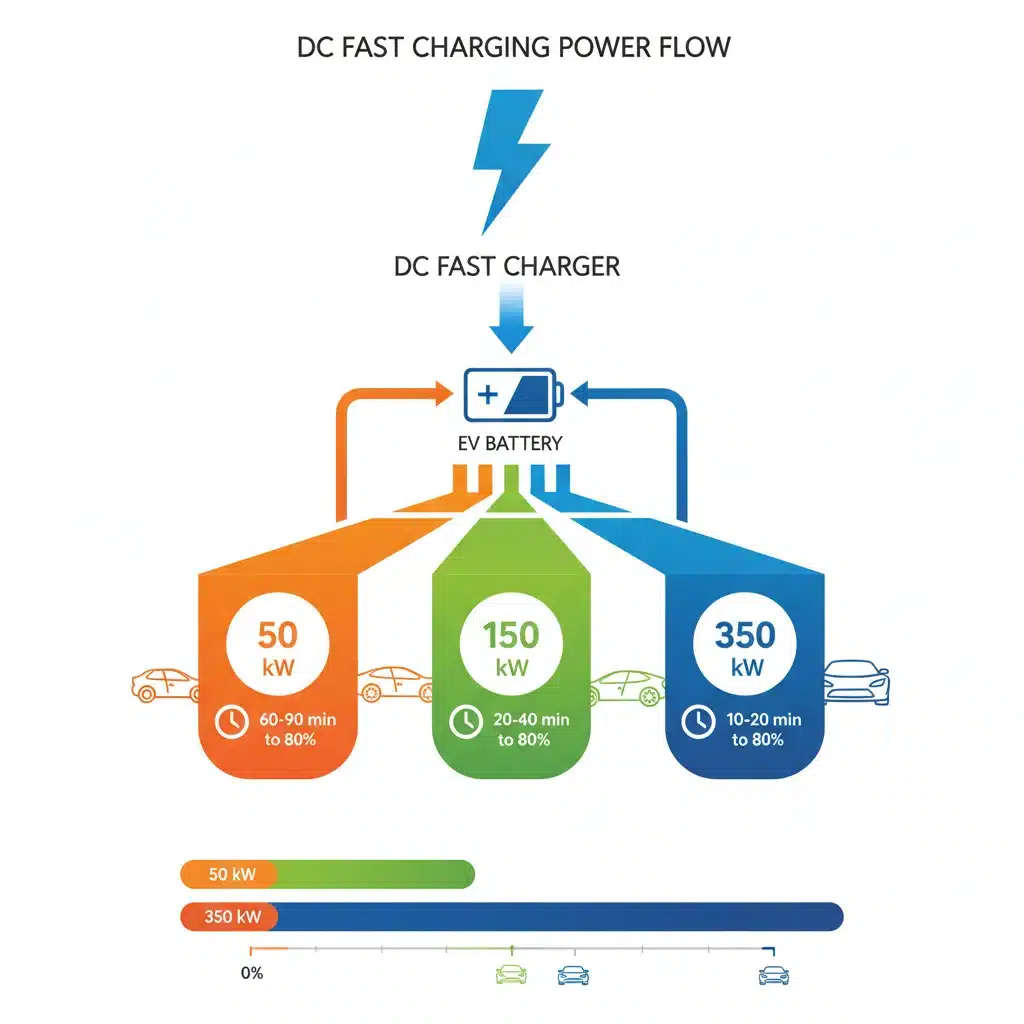
The power output of Level 3 chargers can vary widely, typically ranging from 50 kW to over 350 kW. The higher the kilowatt (kW) rating, the faster your EV will charge. Achieving an 80% charge in 20 minutes usually requires chargers with outputs of 150 kW or higher, depending on your EV’s battery capacity and its maximum charging rate. It’s important to remember that charging speed isn’t constant; it typically starts fast and then tapers off as the battery approaches full capacity to protect the battery and extend its lifespan. This is why the 80% mark is often cited, as the final 20% takes considerably longer.
Key Technologies Behind Rapid EV DC Fast Chargers
- High-Power Rectifiers: These convert the incoming AC power from the grid into high-voltage DC power suitable for direct battery charging.
- Advanced Cooling Systems: High power transfer generates significant heat. Sophisticated liquid cooling systems are essential for both the charging cables and the charger itself to prevent overheating and ensure safe operation.
- Communication Protocols: Chargers communicate with the EV’s Battery Management System (BMS) to optimize charging parameters, monitor battery health, and ensure safety. ISO 15118 is a key standard enabling smart charging features like Plug & Charge.
- Modular Design: Many modern EV DC Fast Chargers feature a modular design, allowing for easier upgrades and maintenance, as well as scalability to meet increasing power demands.
The Leading Contenders: Which EV DC Fast Chargers Deliver 80% in 20 Minutes?
Several manufacturers are at the forefront of developing and deploying high-speed DC fast chargers. While the specific charging time can vary based on the EV model, battery state of charge, and ambient temperature, these brands consistently offer chargers capable of delivering rapid top-ups. When evaluating EV DC Fast Chargers, consider their power output, connector types, network reliability, and additional features.
1. Electrify America (Volkswagen Group)
Electrify America has one of the most extensive networks of high-power DC fast chargers in the United States. Their stations primarily offer chargers with outputs of 150 kW and 350 kW. The 350 kW chargers, in particular, are designed to deliver an impressive 80% charge in approximately 15-20 minutes for vehicles capable of accepting such high power (e.g., Porsche Taycan, Hyundai Ioniq 5, Kia EV6). They primarily use the CCS (Combined Charging System) connector, which is standard for most non-Tesla EVs in North America and Europe, and also offer CHAdeMO for older Japanese EVs.
- Power Output: Up to 350 kW
- Connector Types: CCS, CHAdeMO
- Network Size: Widespread and continuously expanding
- Key Feature: Ultra-fast charging capabilities for cutting-edge EVs.
2. EVgo
EVgo boasts a large network of fast chargers, with a strong focus on urban areas. They offer a mix of 50 kW, 100 kW, 150 kW, and increasingly, 350 kW chargers. Their commitment to interoperability means they often provide both CCS and CHAdeMO connectors at their stations, making them accessible to a wide range of EVs. While their 50 kW chargers won’t hit the 20-minute mark, their higher-power units certainly do for compatible vehicles. EVgo is also known for its strong partnerships with various automakers.
- Power Output: Up to 350 kW
- Connector Types: CCS, CHAdeMO
- Network Size: Significant presence, especially in metropolitan areas.
- Key Feature: Broad compatibility and growing high-power infrastructure.
3. ChargePoint
ChargePoint is a global leader in EV charging, offering a comprehensive suite of charging solutions, including powerful DC fast chargers. Their Express Plus platform is designed for ultra-fast charging, supporting power outputs up to 400 kW. ChargePoint’s network is vast, encompassing both publicly accessible stations and privately managed fleets. While their focus is broad, their high-power stations are certainly competitive in delivering rapid charges to capable EVs.
- Power Output: Up to 400 kW (Express Plus)
- Connector Types: CCS, CHAdeMO (depending on station configuration)
- Network Size: One of the largest global networks.
- Key Feature: Scalable and flexible charging solutions for various needs.
4. Tesla Supercharger Network (V3 and V4)
While historically proprietary, Tesla’s Supercharger network is undeniably a benchmark for reliability and speed. With the introduction of V3 Superchargers (250 kW) and the newer V4 (up to 350 kW), Tesla vehicles can achieve an 80% charge in as little as 15-20 minutes, depending on the model and battery. Tesla has also begun opening its Supercharger network to non-Tesla EVs in several regions, typically requiring a CCS adapter. This move significantly expands the options for other EV owners seeking high-speed EV DC Fast Chargers.
- Power Output: Up to 350 kW (V4)
- Connector Types: NACS (proprietary), with CCS adapters for non-Tesla EVs in some regions.
- Network Size: Highly reliable and extensive globally.
- Key Feature: Seamless user experience and industry-leading reliability.
5. ABB E-mobility
As a major player in industrial technology, ABB is a significant supplier of charging hardware to various network operators. Their Terra High Power DC fast chargers are known for their robustness and high power output, capable of delivering up to 350 kW. You’ll find ABB hardware powering many of the fastest charging stations across different networks. Their focus is on providing reliable and powerful charging solutions for both public and fleet applications.
- Power Output: Up to 350 kW
- Connector Types: CCS, CHAdeMO (as hardware provider)
- Network Size: Hardware deployed across numerous networks globally.
- Key Feature: Robust and high-performance charging hardware.
6. Tritium
Tritium is another prominent manufacturer of advanced DC fast chargers, with their RTM and PKM series offering high power outputs. Their chargers are designed to be compact, efficient, and capable of delivering up to 350 kW. Tritium’s technology is deployed in various charging networks worldwide, contributing to the expansion of ultra-fast charging infrastructure. Their focus on modularity and liquid-cooled technology allows for consistent high-power delivery.
- Power Output: Up to 350 kW
- Connector Types: CCS, CHAdeMO (as hardware provider)
- Network Size: Hardware deployed globally.
- Key Feature: Compact design and advanced cooling for sustained high power.
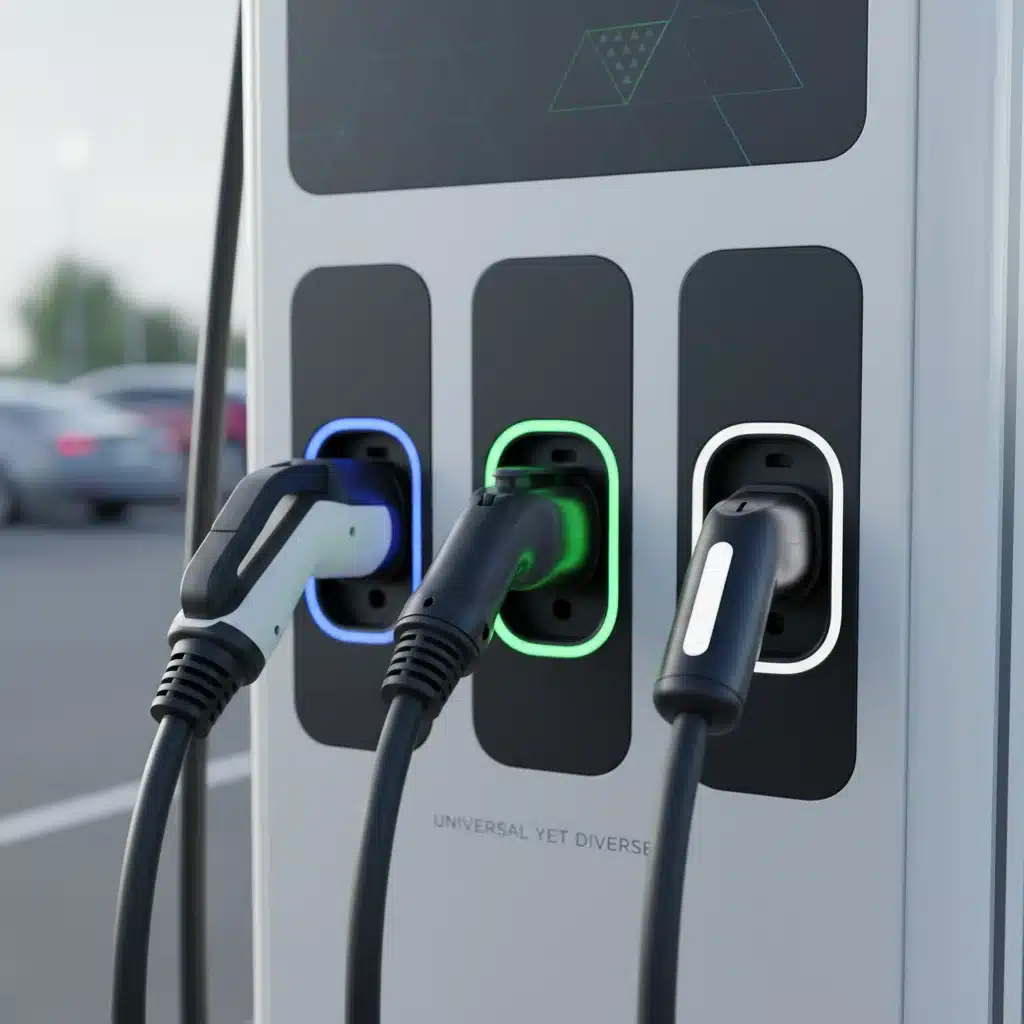
Connector Standards: Navigating the EV Charging Landscape
When considering EV DC Fast Chargers, understanding the different connector types is paramount. Your EV will have a specific port that dictates which chargers you can use. The main DC fast charging standards are:
- CCS (Combined Charging System): This is the dominant standard in North America and Europe for most non-Tesla EVs. It combines a Type 2 AC connector with two additional DC pins, allowing for both AC and DC charging through a single port. Most new EVs released by major manufacturers (BMW, Ford, GM, Hyundai, Kia, Mercedes-Benz, Volkswagen) utilize CCS.
- CHAdeMO: Predominantly found on older Japanese EVs, such as the Nissan Leaf and some Mitsubishi models. While still present, its adoption is declining in favor of CCS for new vehicles. Many fast chargers still offer a CHAdeMO cable to support these vehicles.
- NACS (North American Charging Standard) / Tesla Connector: Tesla’s proprietary connector, known for its compact design and seamless integration with the Supercharger network. As mentioned, Tesla is increasingly opening its network to other EVs, often requiring a CCS adapter for non-Tesla vehicles to connect to NACS posts. Some automakers are also adopting NACS directly.
- GB/T: The standard used in China, which has its own unique fast-charging connector. This is primarily relevant for EVs sold within the Chinese market.
Always check your vehicle’s charging port type to ensure compatibility with public charging stations. The trend is moving towards standardization, with CCS becoming the prevalent choice outside of Tesla’s network, and NACS gaining traction in North America.
Factors Influencing Your 20-Minute Charge Time
While many EV DC Fast Chargers advertise the ability to get you to 80% in 20 minutes, several variables can affect this actual time:
- Your EV’s Maximum Charging Rate: Your car can only charge as fast as its onboard battery management system (BMS) allows. If your EV has a maximum DC charging rate of 100 kW, it won’t charge faster even if plugged into a 350 kW charger.
- Battery State of Charge (SOC): Charging is fastest when the battery is nearly empty (e.g., 10-20% SOC) and significantly slows down as it approaches 80% to protect the battery.
- Battery Temperature: Both extremely cold and extremely hot battery temperatures can slow down charging. EVs often pre-condition their batteries for optimal charging if navigated to a fast charger.
- Ambient Temperature: Extreme weather conditions can impact the efficiency of the charging process and the performance of the charger itself.
- Charger Availability and Health: A shared charger might distribute power, or a charger in poor health might not deliver its advertised maximum output.
- Cable Length and Gauge: While less common for public chargers, excessively long or thin cables can lead to power loss.
Understanding these factors will help set realistic expectations for your charging sessions and help you plan your stops more effectively. The promise of an 80% charge in 20 minutes is contingent on ideal conditions and a compatible vehicle.
The Future of EV DC Fast Chargers: What’s Next?
The evolution of EV DC Fast Chargers is far from over. We can expect several exciting developments in the coming years:
- Higher Power Outputs: While 350 kW is currently at the high end, research and development are ongoing for even higher power chargers, potentially reaching 500 kW or more, further reducing charging times.
- Improved Battery Technology: Advances in battery chemistry and architecture will enable EVs to accept higher charging rates more consistently, across a broader range of state-of-charge.
- Grid Integration and Smart Charging: Future chargers will be even more integrated with the smart grid, allowing for vehicle-to-grid (V2G) capabilities and optimized charging schedules based on grid demand and renewable energy availability.
- Plug & Charge Simplicity: The ISO 15118 standard will become more widespread, enabling a seamless ‘Plug & Charge’ experience where your EV automatically communicates with the charger, authenticates, and initiates payment without the need for apps or RFID cards.
- Wireless Charging: While still in early stages for high-power applications, wireless DC charging could eventually offer unparalleled convenience, especially for autonomous vehicles or fleet operations.
- Battery Swapping: Though not a charging technology, battery swapping stations offer an alternative to fast charging for certain vehicle types, allowing for a full ‘recharge’ in minutes by simply exchanging a depleted battery for a full one. This technology is gaining traction in specific niches, particularly for commercial vehicles.
These innovations promise to make EV ownership even more convenient and efficient, further solidifying the position of electric vehicles as the future of transportation. The continuous push for faster charging times is a testament to the industry’s commitment to making EVs accessible and practical for everyone.
Choosing the Right EV DC Fast Charger for Your Needs
With so many options available, how do you choose the right EV DC Fast Chargers for your specific needs? Here are some considerations:
- Your Vehicle’s Compatibility: This is the most critical factor. What type of connector does your EV use (CCS, CHAdeMO, NACS)? What is its maximum DC charging rate? Knowing these details will narrow down your options significantly.
- Network Availability: The fastest charger is useless if it’s not where you need it. Consider which charging networks have the best coverage along your most frequent routes or in your local area. Apps like PlugShare are invaluable for finding available chargers and checking their status.
- Pricing Structure: Charging costs can vary significantly between networks and even at different times of day. Some charge per kWh, others per minute, or a combination. Look for subscription plans or membership discounts if you’re a frequent user.
- Reliability and Uptime: There’s nothing more frustrating than arriving at a fast charger only to find it out of order. Research networks known for their reliability and consistent uptime. User reviews on charging apps can provide valuable insights.
- Additional Amenities: Some charging stations offer amenities like restrooms, food services, or even Wi-Fi, which can enhance your charging experience, especially during longer stops.
By carefully evaluating these factors, you can make an informed decision that best suits your EV ownership journey, ensuring you can take full advantage of the rapid charging capabilities offered by modern EV DC Fast Chargers.
Conclusion: The Era of Ultra-Fast EV Charging is Here
The ability to achieve an 80% charge in 20 minutes with Level 3 DC fast chargers is a monumental leap forward for electric vehicles. It addresses one of the primary concerns of potential EV owners and significantly enhances the practicality and convenience of existing ones. As battery technology continues to improve and charging infrastructure expands, these ultra-fast charging times will become even more common and accessible.
The competition among manufacturers and network providers is driving innovation, leading to more powerful, reliable, and user-friendly EV DC Fast Chargers. Whether you drive a Tesla, a Hyundai, a Ford, or any other EV, the options for rapid charging are growing, making long-distance travel and spontaneous trips a breeze. The future of transportation is electric, and fast charging is making that future a reality, one rapid top-up at a time. Embrace the speed, embrace the convenience, and enjoy the journey with your electric vehicle, knowing that a quick charge is always within reach.