New EV Models 2026: Performance, Features & Future of Electric Vehicles
New EV Models 2026: A Comprehensive Analysis of Performance and Features
The automotive landscape is undergoing a monumental shift, propelled by the relentless march of electric vehicle (EV) technology. As we peer into the near future, the year 2026 promises to be a landmark for innovation, efficiency, and sustainability in the EV sector. Manufacturers are pushing boundaries, not just in range and charging speed, but also in integrating advanced features that redefine the driving experience. This comprehensive analysis delves into the most anticipated new EV models 2026, examining their projected performance capabilities, groundbreaking features, and what these developments mean for the broader automotive industry and consumers alike.
The transition to electric vehicles is no longer a niche movement; it’s a global imperative. Governments worldwide are setting ambitious targets for emission reductions, and consumers are increasingly aware of their environmental footprint. This confluence of factors has fueled unprecedented investment in EV research and development, leading to a rapid evolution of electric vehicle technology. The new EV models 2026 are expected to embody the culmination of these efforts, offering a blend of exhilarating performance, eco-conscious design, and unprecedented technological sophistication.
From luxury sedans that redefine comfort and autonomy to rugged SUVs capable of tackling any terrain, the diversity among the upcoming electric vehicle offerings is staggering. This article aims to provide a detailed overview, dissecting the key trends, technological breakthroughs, and specific models that are set to make waves in 2026. Whether you’re an early adopter, a curious observer, or someone contemplating their first EV purchase, understanding the landscape of new EV models 2026 is crucial for making informed decisions.
The Electrifying Evolution: Key Trends Shaping New EV Models 2026
The development of new EV models 2026 is being driven by several overarching trends that are fundamentally reshaping the automotive industry. These trends are not just about incremental improvements; they represent a paradigm shift in how vehicles are designed, manufactured, and experienced.
Battery Technology Breakthroughs
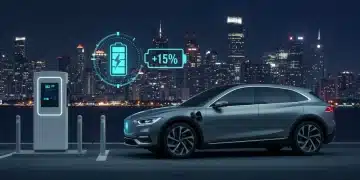
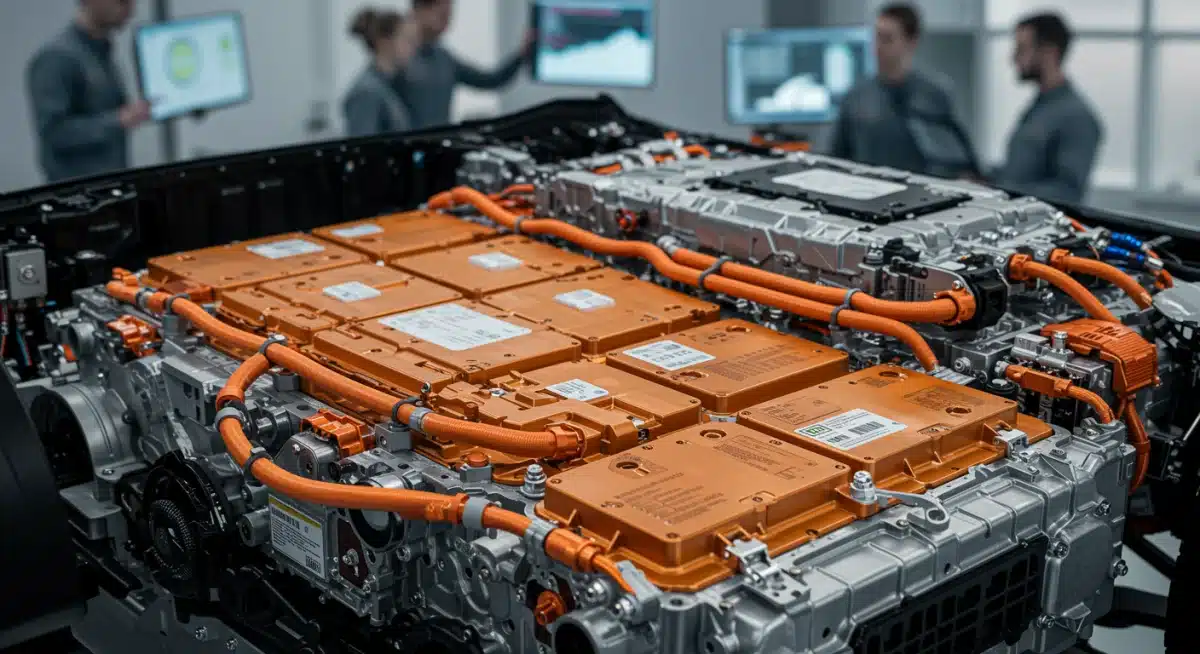
At the heart of every electric vehicle lies its battery, and significant advancements are anticipated by 2026. We are moving beyond the limitations of current lithium-ion technology, with solid-state batteries and other next-generation chemistries promising higher energy density, faster charging times, and greater longevity. These innovations will directly translate into longer ranges, allowing new EV models 2026 to travel further on a single charge and mitigate range anxiety, a significant concern for many potential EV buyers. Furthermore, improvements in battery management systems will enhance efficiency and extend battery life, making these vehicles even more sustainable and cost-effective over their lifespan.
Ultra-Fast Charging Infrastructure
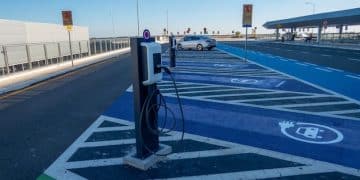
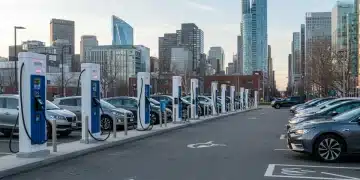
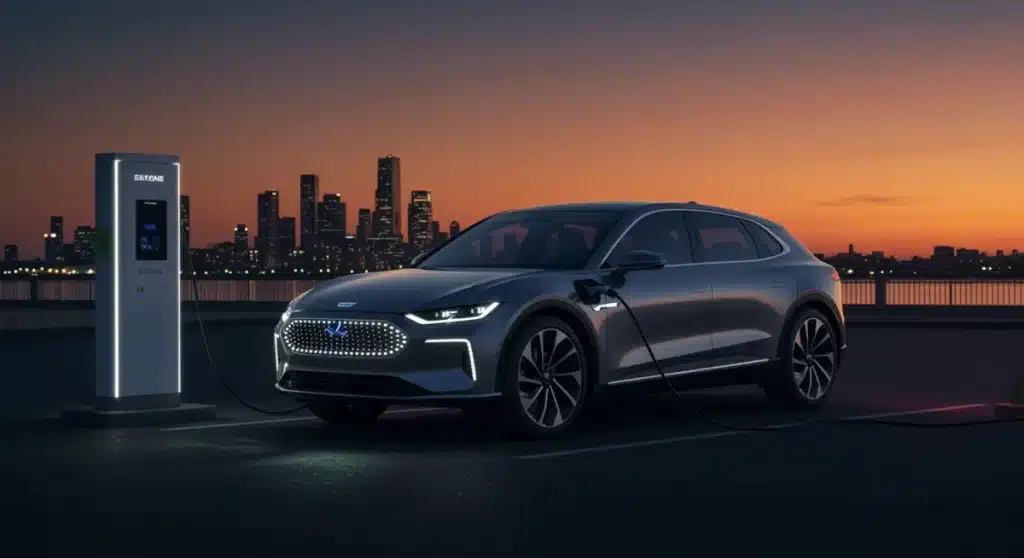
Complementing battery advancements is the expansion and improvement of charging infrastructure. By 2026, expect to see a more robust network of ultra-fast charging stations, capable of adding hundreds of miles of range in mere minutes. This will be crucial for the widespread adoption of new EV models 2026, making long-distance travel as convenient as it is with gasoline-powered cars. The standardization of charging protocols and the increasing power output of chargers will play a pivotal role in this evolution.
Advanced Driver-Assistance Systems (ADAS) and Autonomous Capabilities
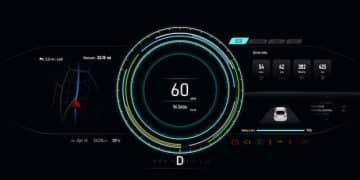
The integration of sophisticated ADAS features and increasingly autonomous driving capabilities will be a hallmark of new EV models 2026. From enhanced adaptive cruise control and lane-keeping assistance to more advanced Level 3 and even nascent Level 4 autonomous driving systems, these vehicles will offer unparalleled safety and convenience. The electric powertrain’s inherent ability for precise control and the constant flow of data from sensors make EVs ideal platforms for these cutting-edge technologies. These systems will not only reduce driver fatigue but also significantly improve road safety by minimizing human error.
Software-Defined Vehicles and Over-the-Air Updates
The concept of the software-defined vehicle will be fully realized in many new EV models 2026. This means that a significant portion of a vehicle’s functionality, from performance characteristics to infotainment features, can be updated and improved through over-the-air (OTA) software updates. This allows manufacturers to continuously enhance their vehicles post-purchase, offering new features, improving efficiency, and addressing potential issues without requiring a visit to the dealership. This paradigm shift transforms the car from a static product into an evolving, intelligent platform.
Sustainable Materials and Manufacturing
Beyond the powertrain, the sustainability ethos will extend to the materials used in the construction of new EV models 2026. Expect to see an increased use of recycled and sustainably sourced materials in interiors, exteriors, and even structural components. Manufacturers are also focusing on more environmentally friendly manufacturing processes, reducing their carbon footprint across the entire product lifecycle. This holistic approach to sustainability is becoming a key differentiator in the competitive EV market.
Anticipated New EV Models 2026: A Deep Dive into Performance and Features
While specific details for all new EV models 2026 are still emerging, we can anticipate several key players and nascent technologies that will define the market. Here’s a look at what to expect across various segments:
Luxury and Performance EVs: Redefining Automotive Excellence
The luxury segment is often the proving ground for new technologies, and 2026 will be no exception. High-end EV manufacturers are set to unveil vehicles that push the boundaries of performance, comfort, and technological integration. Expect to see:
- Hyper-Performance Sedans: Vehicles capable of 0-60 mph in under 2 seconds, with advanced torque vectoring systems and adaptive air suspensions that provide an unparalleled driving experience. These will boast ranges exceeding 400 miles, thanks to next-generation battery technology.
- Ultra-Luxury SUVs: Combining the spaciousness and versatility of an SUV with the silent, smooth power of an electric drivetrain. Features will include executive rear seating, augmented reality head-up displays, and advanced biometric security systems.
- Exotic Electric Sports Cars: Lightweight construction, extreme aerodynamics, and electric powertrains delivering instant torque will define these machines. Expect innovative battery cooling systems to sustain peak performance on the track, alongside ranges suitable for spirited road trips.
These models will likely feature advanced haptic feedback controls, AI-powered personal assistants that learn driver preferences, and seamless integration with smart home ecosystems, making the vehicle an extension of the owner’s digital life. The focus will be on creating an immersive and intuitive user experience that justifies their premium price tag.
Mainstream EVs: Accessibility Meets Innovation
The real impact of the transition to electric vehicles will be felt in the mainstream market, where affordability and practicality are paramount. The new EV models 2026 in this segment will aim to democratize EV technology, making it accessible to a wider audience without compromising on essential features or performance.
- Compact and Mid-Size Sedans: Offering ranges of 250-350 miles, these vehicles will focus on efficiency and urban maneuverability. Expect advanced safety features as standard, along with robust infotainment systems and over-the-air update capabilities that keep the car feeling fresh.
- Family-Friendly SUVs and Crossovers: These will be designed with practicality in mind, featuring ample cargo space, flexible seating configurations, and a suite of connectivity options for the entire family. Bidirectional charging (V2L/V2G) might become a common feature, allowing the vehicle to power homes or feed energy back to the grid.
- Electric Pick-up Trucks: Building on the success of early electric trucks, 2026 models will offer even greater towing capacity, longer ranges, and innovative features like integrated power outlets for tools and equipment, catering to both work and lifestyle needs.
The emphasis here will be on reducing charging times, improving public charging accessibility, and lowering the overall cost of ownership through efficient powertrains and reduced maintenance requirements. Manufacturers will also focus on intuitive user interfaces that make the transition from traditional gasoline vehicles as seamless as possible.
Specialty and Commercial EVs: Expanding the Electric Frontier
Beyond passenger cars, the new EV models 2026 landscape will also see significant growth in specialty and commercial applications, further accelerating the decarbonization of transportation.
- Electric Vans and Delivery Vehicles: Optimized for urban logistics, these EVs will offer extended range for daily routes, modular cargo spaces, and advanced telematics for fleet management. Fast charging will be crucial to minimize downtime.
- Electric Buses: Quieter, cleaner, and more efficient than their diesel counterparts, electric buses will become even more prevalent in public transportation systems. Expect improved battery technology for longer routes and better performance in varying climates.
- Autonomous Shuttles: Driverless electric shuttles will likely see increased deployment in controlled environments like campuses, airports, and designated urban zones, offering on-demand mobility solutions.
These specialized EVs are not just about electrification; they are about reimagining the entire operational workflow, leveraging data analytics and connectivity to optimize routes, reduce operational costs, and enhance overall efficiency. The integration of AI and machine learning will allow these vehicles to learn and adapt to their environments, further improving their performance over time.
Key Features to Expect in New EV Models 2026
Beyond the broad categories, several specific features are poised to become standard or highly sought-after in new EV models 2026:
Enhanced Connectivity and Infotainment
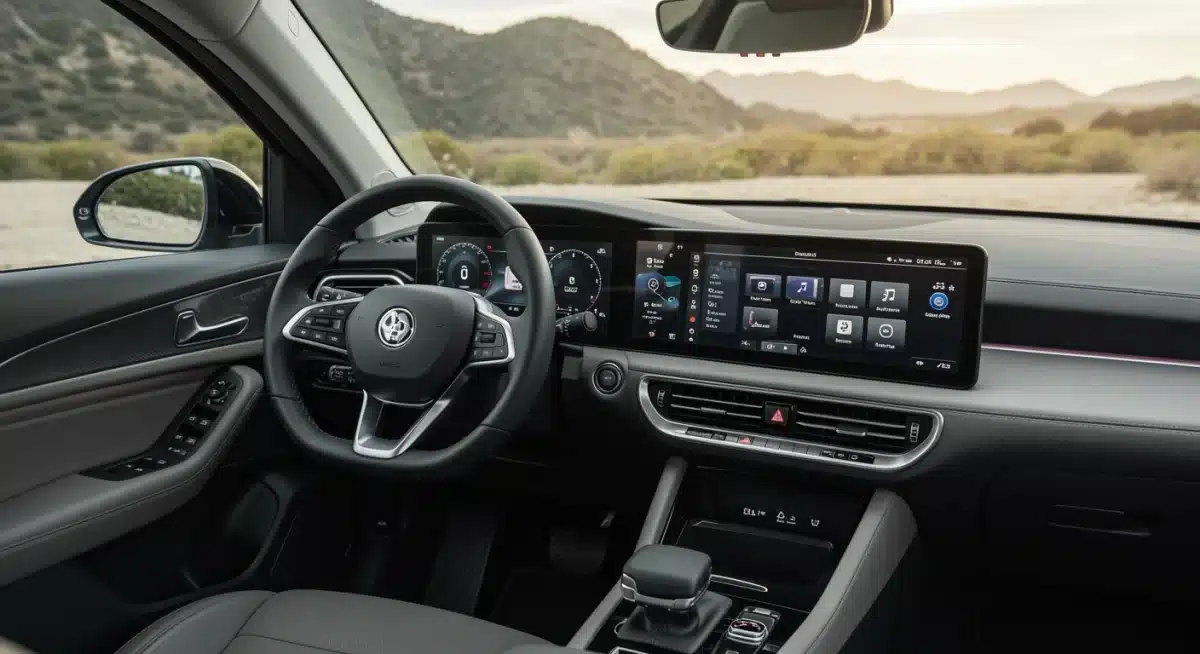
The car will truly become a connected hub. Expect seamless smartphone integration, advanced voice control systems, streaming services, and potentially even gaming capabilities directly within the vehicle’s infotainment system. 5G connectivity will enable faster downloads for OTA updates and smoother streaming experiences. The user interface will become more intuitive, customizable, and responsive, often spanning multiple high-resolution displays across the dashboard.
Bi-directional Charging (V2L, V2H, V2G)
The ability for EVs to not just consume but also supply electricity will become a game-changer. Vehicle-to-Load (V2L) will allow owners to power external devices, from camping equipment to power tools. Vehicle-to-Home (V2H) could enable an EV to power a house during an outage, while Vehicle-to-Grid (V2G) could allow owners to sell electricity back to the grid, transforming EVs into mobile energy storage units and potentially offsetting ownership costs. This feature alone significantly enhances the utility and value proposition of new EV models 2026.
Augmented Reality Head-Up Displays (AR-HUD)
Beyond traditional HUDs, AR-HUDs will project navigation arrows, safety warnings, and points of interest directly onto the road ahead, creating an immersive and intuitive driving experience. This technology enhances safety by keeping the driver’s eyes on the road while providing critical information in their field of vision. The integration of AR will make navigating complex urban environments or unfamiliar roads significantly easier and safer.
Advanced Thermal Management Systems
Crucial for both performance and battery longevity, next-generation thermal management systems will precisely regulate the temperature of the battery pack, motors, and cabin. This will improve charging speeds, extend range in extreme temperatures, and ensure consistent power delivery, regardless of driving conditions. These systems will be more efficient, drawing less power from the battery themselves, thus contributing to overall vehicle efficiency.
Interior Personalization and Wellness Features
Interiors of new EV models 2026 will be increasingly customizable, with dynamic ambient lighting, scent diffusers, and even integrated massage functions. Wellness features like air purification systems, noise-canceling technology, and intelligent climate control will create a sanctuary on wheels, tailored to individual preferences. The focus will be on creating a calm, comfortable, and productive environment for occupants, whether driving or being driven.
The Impact of New EV Models 2026 on the Automotive Industry and Consumers
The arrival of the new EV models 2026 will have far-reaching implications for various stakeholders:
For Manufacturers: The Race for Innovation
The intense competition will drive manufacturers to innovate at an unprecedented pace. This involves not just product development but also rethinking supply chains, manufacturing processes, and business models. Partnerships with technology companies and energy providers will become more common, blurring the lines between traditional automotive and tech industries. The ability to rapidly iterate and deploy software updates will become a core competency, akin to Silicon Valley tech giants.
For Consumers: More Choices, Better Value
Consumers will benefit from a wider array of choices, with EVs available across all price points and segments. Improved performance, longer ranges, and faster charging will alleviate many of the concerns associated with current-generation EVs. The total cost of ownership is expected to continue decreasing, making EVs a more financially attractive option for many. Furthermore, the enhanced safety and convenience features will contribute to a more enjoyable and stress-free driving experience. The ability to personalize and update vehicles over time will also add significant long-term value.
For Infrastructure: The Need for Expansion
The influx of new EV models 2026 will necessitate a significant expansion and modernization of charging infrastructure. This includes not only public fast chargers but also home charging solutions and workplace charging. Governments and private entities will need to collaborate to ensure that the charging network can keep pace with EV adoption, preventing bottlenecks and ensuring seamless travel.
For the Environment: A Greener Future
Ultimately, the widespread adoption of new EV models 2026 will contribute significantly to reducing greenhouse gas emissions and improving air quality, particularly in urban areas. As renewable energy sources become more prevalent in electricity grids, the environmental benefits of EVs will only grow, moving us closer to a truly sustainable transportation system. The focus on sustainable materials and manufacturing processes will further amplify these positive environmental impacts, creating a circular economy for automotive production.
Challenges and Opportunities for New EV Models 2026
While the outlook for new EV models 2026 is overwhelmingly positive, there are still challenges to address and opportunities to seize.
Raw Material Sourcing and Supply Chains
The increased demand for batteries will put pressure on the supply chains for critical raw materials like lithium, cobalt, and nickel. Sustainable and ethical sourcing of these materials, along with advancements in battery recycling technologies, will be crucial. Manufacturers are actively investing in these areas to secure future supplies and reduce their environmental footprint.
Grid Stability and Energy Management
A massive influx of EVs will require smart grid solutions to manage electricity demand and supply effectively. The bidirectional charging capabilities of new EV models 2026 could turn this challenge into an opportunity, allowing EVs to act as distributed energy storage, stabilizing the grid and integrating more renewable energy sources.
Consumer Education and Adaptation
Despite advancements, some consumers may still harbor misconceptions about EVs. Ongoing education about charging, range, maintenance, and the benefits of electric vehicles will be essential to accelerate adoption. Test drive programs, clear information about government incentives, and accessible charging infrastructure will play a vital role in overcoming initial hesitations.
Cybersecurity Risks
As vehicles become more connected and software-dependent, cybersecurity becomes an increasingly critical concern. Protecting vehicle systems from hacking and ensuring the privacy of user data will be paramount for manufacturers of new EV models 2026. Robust security protocols and continuous software updates will be necessary to mitigate these risks.
Conclusion: The Dawn of a New Era in Automotive
The new EV models 2026 represent more than just incremental improvements; they signify a profound transformation in personal mobility. With anticipated breakthroughs in battery technology, charging infrastructure, autonomous capabilities, and sustainable manufacturing, 2026 is poised to be a pivotal year for electric vehicles. Consumers can look forward to a diverse range of highly capable, technologically advanced, and environmentally friendly options that will redefine what it means to drive.
The journey towards a fully electric future is complex, filled with both exciting opportunities and formidable challenges. However, the momentum is undeniable. The innovations showcased in the new EV models 2026 will not only push the boundaries of automotive engineering but also contribute significantly to a cleaner, more sustainable planet. As we move closer to 2026, the anticipation for these groundbreaking vehicles will only continue to build, promising an exhilarating and transformative era for the automotive world.
Stay tuned for more updates and detailed reviews as these revolutionary new EV models 2026 begin to hit the market, shaping the future of transportation one electric mile at a time.