Flying Car Development 2026: Progress, Challenges & US Regulations
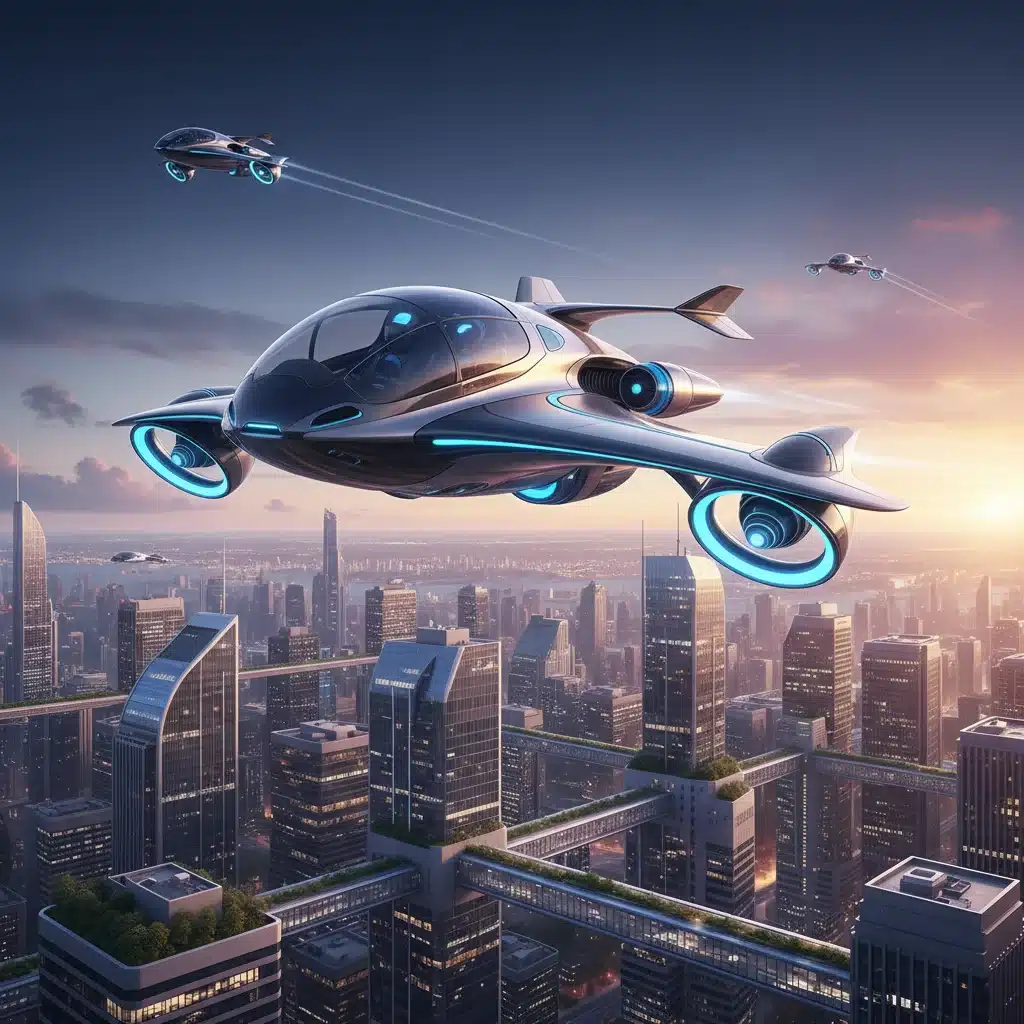
From Concept to Reality: Tracking the 2026 Progress of Flying Car Development and Regulatory Hurdles in the US
The dream of personal aerial vehicles, often dubbed ‘flying cars,’ has captivated humanity for generations. What was once the stuff of science fiction is rapidly approaching reality, with significant strides being made in flying car 2026 development. As we approach the middle of the decade, the landscape of urban air mobility (UAM) is transforming, promising a future where commuting above congested roads might no longer be a distant fantasy. This comprehensive article delves into the current state of flying car technology, the ambitious timelines set by innovators, and the critical regulatory hurdles that must be navigated, particularly within the United States.
The concept of a flying car encompasses a broad range of vehicles, from eVTOL (electric Vertical Take-Off and Landing) aircraft designed for short-haul urban trips to more conventional aircraft capable of road travel. The focus of much of the current development is on eVTOLs, which offer the promise of quieter, more efficient, and environmentally friendly air travel within metropolitan areas. Companies worldwide are pouring billions into research and development, aiming to be at the forefront of this nascent industry. The year flying car 2026 is not just a random date; it represents a significant milestone for many prototypes to move from testing phases to potential commercial deployment or at least advanced certification processes.
Understanding the progress requires looking at several key areas: technological advancements, investment trends, prototype testing, and, crucially, the regulatory environment. Each of these elements plays a pivotal role in shaping whether the vision of readily available flying cars will truly take flight by 2026 and beyond. The challenges are immense, ranging from battery technology and air traffic management to public acceptance and infrastructure development. Yet, the potential benefits—reduced congestion, faster travel times, and new economic opportunities—are powerful motivators for continued innovation and investment.
The Current State of Flying Car Development: A 2026 Snapshot
As we eye flying car 2026, the industry is buzzing with activity. Numerous companies, from established aerospace giants to agile startups, are making significant headway. These efforts are primarily concentrated on eVTOL aircraft, which are designed for short-to-medium range flights, offering a solution for urban and regional travel. The shift towards electric propulsion is a game-changer, promising reduced noise pollution and zero operational emissions, which are crucial for public acceptance in densely populated areas.
Key Technological Advancements Driving Progress
- Battery Technology: The heart of any eVTOL is its power source. Advances in lithium-ion and solid-state battery technology are increasing energy density and reducing charging times, making longer flights and quicker turnarounds more feasible. This is a crucial factor for the viability of flying car 2026 models.
- Electric Propulsion Systems: The development of highly efficient electric motors and propulsors, often distributed across the aircraft, allows for precise control, redundancy, and vertical take-off and landing capabilities. This design philosophy minimizes the need for traditional runways and enables operations from vertiports.
- Autonomous Flight Systems: While initial operations will likely involve pilots, the long-term vision for urban air mobility includes autonomous or highly automated flight. Sophisticated sensors, AI-driven navigation, and robust flight control systems are under intense development to ensure safety and efficiency.
- Lightweight Materials: The use of advanced composites and other lightweight materials is essential to maximize payload capacity and extend flight range, directly impacting the economic viability of these vehicles.
- Noise Reduction: A major concern for urban integration is noise. Engineers are employing innovative propeller designs and acoustic shielding to minimize noise footprints, a critical aspect for gaining community approval for flying car 2026 operations.
Several prototypes have already completed successful test flights, demonstrating the basic feasibility of eVTOL concepts. Companies like Joby Aviation, Archer Aviation, Lilium, and Volocopter are among the frontrunners, each with their unique designs and operational strategies. Some are focusing on air taxi services, while others envision cargo delivery or even personal ownership. The diversity of approaches highlights the innovative spirit defining this emerging sector.
Investment and Industry Growth
The financial backing for these ventures is substantial. Billions of dollars have been invested by venture capitalists, aerospace firms, and even automotive manufacturers, signaling strong confidence in the future of urban air mobility. Partnerships are also forming between eVTOL developers and ride-sharing companies, infrastructure providers, and even real estate developers, all aiming to create a comprehensive ecosystem for flying car 2026 and beyond. This collaborative environment is accelerating development and planning for future deployment.
The projected market size for UAM is enormous, with some estimates reaching hundreds of billions of dollars within the next two decades. This economic potential is a powerful incentive for governments and private entities alike to support the industry’s growth and address its challenges proactively. The rapid pace of innovation suggests that by 2026, we could see some of these technologies transitioning from test beds to initial operational trials in select urban environments.
Regulatory Hurdles in the US: Paving the Way for 2026 Operations
While technological advancements are crucial, the most significant determinant for the widespread adoption of flying cars, especially by flying car 2026, lies in navigating the complex regulatory landscape. In the United States, the Federal Aviation Administration (FAA) is the primary authority responsible for ensuring the safety and integration of new aircraft into the national airspace. The FAA faces the monumental task of creating an entirely new framework for urban air mobility, one that addresses novel propulsion systems, operational concepts, and the unique challenges of flying in densely populated areas.
Certification Challenges for eVTOL Aircraft
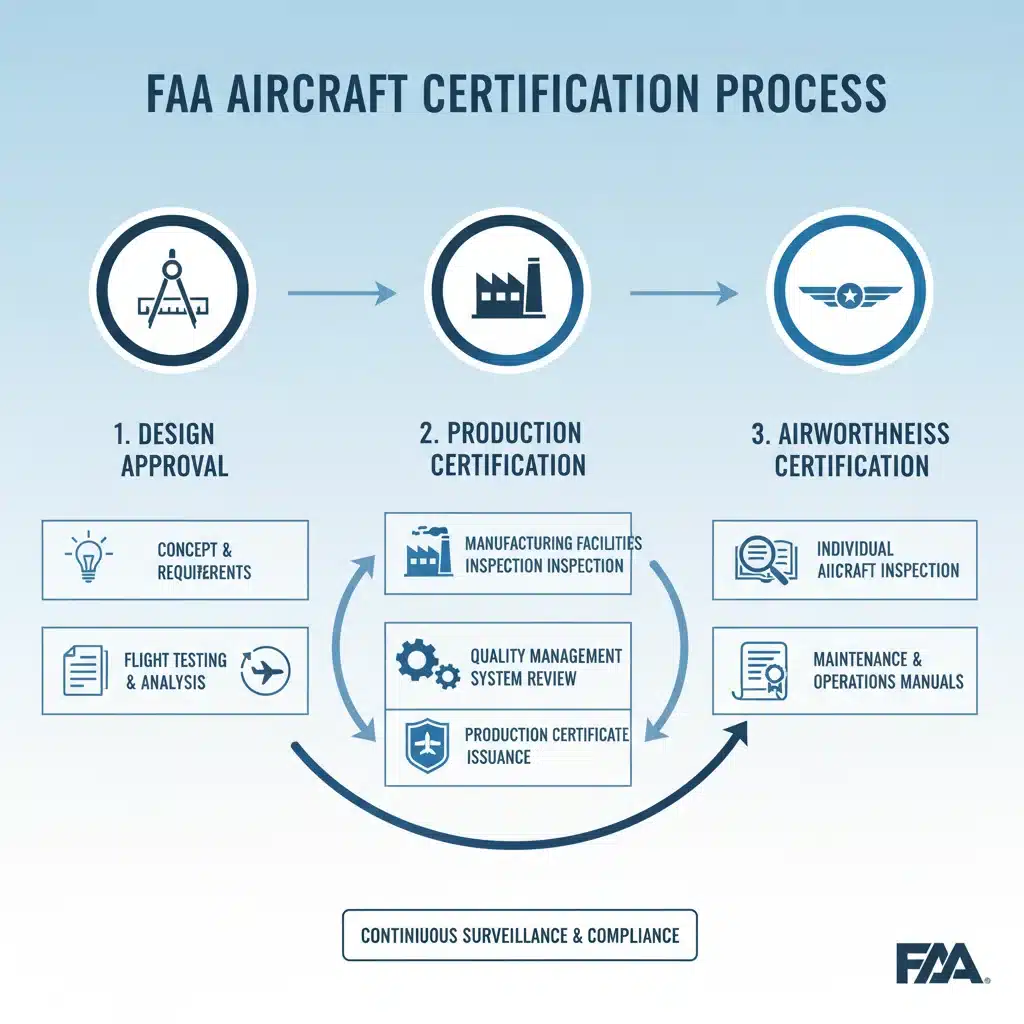
The certification process for traditional aircraft is rigorous and time-consuming. For eVTOLs, this process is even more complex due to their innovative designs and electric propulsion systems. The FAA is working on adapting existing regulations and developing new ones to accommodate these vehicles. Key areas of focus include:
- Aircraft Certification: Each eVTOL model must undergo a thorough certification process to prove its airworthiness, safety, and reliability. This involves extensive testing, documentation, and compliance with stringent design and manufacturing standards. Companies are aiming for a Type Certification by flying car 2026 or shortly thereafter.
- Operations Certification: Beyond the aircraft itself, the operators of these flying cars must also be certified. This includes pilot training, maintenance procedures, and operational protocols that ensure safe and efficient services.
- Air Traffic Management (ATM) Integration: Integrating thousands of new aerial vehicles into existing air traffic control systems is a colossal challenge. The FAA is developing new ATM concepts, often referred to as ‘UAM Traffic Management’ or ‘Vertiport Management Systems,’ to manage the increased traffic safely and efficiently.
- Noise and Environmental Standards: While electric, eVTOLs still generate noise. Establishing acceptable noise limits and environmental impact assessments are vital for community acceptance.
- Cybersecurity: With increasing reliance on digital systems and autonomous functions, cybersecurity for both the aircraft and ground infrastructure is a paramount concern.
The FAA’s approach involves a phased implementation, starting with cargo operations and then progressing to passenger services. This allows for a gradual integration and refinement of regulations as the technology matures. The agency is actively collaborating with industry stakeholders to ensure that the regulatory framework is robust, flexible, and conducive to innovation, aiming to have clear pathways in place well before flying car 2026 becomes a commercial reality.

Infrastructure Development: Vertiports and Charging Stations
The physical infrastructure required for flying cars is another significant regulatory and logistical hurdle. Vertiports, specialized landing and take-off facilities, need to be strategically located within urban areas, integrated with existing transportation networks, and equipped with charging infrastructure. Regulations regarding vertiport design, safety standards, and operational procedures are being developed by the FAA in conjunction with local authorities.
- Location and Permitting: Identifying suitable locations for vertiports in dense urban environments is challenging, requiring careful consideration of noise, safety, and community impact. Permitting processes will be complex and involve multiple layers of government.
- Charging Infrastructure: High-speed charging capabilities are essential for quick turnarounds. The development of robust, standardized charging infrastructure that can accommodate various eVTOL models is critical.
- Interoperability: Ensuring that different eVTOL models can use the same vertiport infrastructure and integrate seamlessly with air traffic management systems is vital for scalability.
Public acceptance is also intertwined with infrastructure. People need to feel safe and comfortable with these vehicles operating near their homes and workplaces. Effective public engagement and education campaigns will be essential to foster trust and address concerns about noise, privacy, and safety as flying car 2026 approaches.
Challenges and Opportunities for Flying Car 2026
The path to widespread flying car adoption by flying car 2026 is fraught with challenges, but also brimming with opportunities that could redefine urban living and transportation.
Overcoming the Hurdles
- Cost: Initially, flying car services will likely be premium offerings, comparable to private jet charters. Reducing manufacturing costs and operational expenses is crucial for making these services accessible to a broader population. This will be a gradual process extending beyond flying car 2026.
- Public Perception and Trust: Despite technological advancements, a significant portion of the public remains skeptical or apprehensive about flying cars. High-profile safety incidents, even minor ones, could severely set back the industry. Building public trust through rigorous safety standards and transparent communication is paramount.
- Weather Limitations: eVTOLs, like all aircraft, are susceptible to weather conditions. Developing robust systems that can operate safely in various weather scenarios, or clearly defining operational limits, will be necessary.
- Cybersecurity Threats: As highly networked and increasingly autonomous vehicles, flying cars present attractive targets for cyberattacks. Robust cybersecurity measures are essential to prevent hacking and ensure the integrity of flight operations.
- Energy Consumption: While electric, the energy demands of flying cars are substantial. Ensuring that the electricity grid can support widespread UAM operations, especially in peak hours, is an important consideration.
Seizing the Opportunities
- Reduced Congestion: The most immediate and tangible benefit of urban air mobility is the potential to alleviate ground traffic congestion, especially in mega-cities. This could significantly reduce commute times and improve overall urban efficiency.
- Economic Growth: The flying car industry is poised to create thousands of new jobs in manufacturing, operations, maintenance, and infrastructure development, stimulating economic growth.
- Emergency Services and Medical Transport: eVTOLs could revolutionize emergency response, allowing for rapid medical transport, disaster relief, and law enforcement operations, bypassing ground traffic.
- Regional Connectivity: Beyond urban centers, flying cars could enhance regional connectivity, linking smaller towns and communities that are currently underserved by traditional aviation or ground transport.
- Environmental Benefits: Compared to traditional helicopters or combustion-engine vehicles, electric flying cars offer a greener alternative, contributing to cleaner urban air and reduced carbon footprints.
The period leading up to and including flying car 2026 will be a critical phase for demonstrating the viability and safety of these vehicles. Successful pilot programs and initial commercial operations will be key to unlocking their full potential and addressing lingering skepticism.
The Road Ahead: Beyond Flying Car 2026
While flying car 2026 marks an important waypoint, it is by no means the destination. The full realization of urban air mobility will be a multi-decade journey. Beyond initial deployments, the industry will focus on scaling operations, reducing costs, and expanding the range of services offered.
Evolution of Air Traffic Management
As the number of flying cars increases, so too will the complexity of air traffic management. Future systems will likely integrate AI and machine learning to predict traffic patterns, optimize routes, and prevent conflicts autonomously. This will require continuous collaboration between the FAA, NASA, and private industry to develop and implement advanced ATM solutions.
Standardization and Interoperability
For a truly seamless UAM ecosystem, standardization across various aspects will be crucial. This includes common charging interfaces, standardized communication protocols, and interoperable vertiport designs. International cooperation will also be vital as flying car technology transcends national borders.
The Role of Public Policy and Urban Planning
Governments and urban planners will play an increasingly important role in shaping the future of urban air mobility. This involves not only regulatory oversight but also strategic planning for vertiport locations, integration with public transport, and addressing social equity concerns to ensure that the benefits of flying cars are accessible to all segments of society, not just the affluent.
Education and workforce development are also critical. Training a new generation of pilots, maintenance technicians, and air traffic controllers specialized in eVTOL operations will be essential to support the industry’s growth. Universities and vocational schools are already beginning to adapt their curricula to meet these future demands.
Environmental Sustainability
While eVTOLs are inherently more environmentally friendly than traditional aircraft, the industry must continuously strive for greater sustainability. This includes exploring renewable energy sources for charging, developing more efficient designs, and minimizing the environmental footprint of manufacturing processes. The goal is not just to reduce emissions, but to achieve a truly sustainable mode of urban transport.
The vision of a future where flying car 2026 is a common sight in our skies is a powerful one. It represents a confluence of human ingenuity, technological ambition, and a desire to overcome the limitations of traditional transportation. While the journey is challenging, the progress being made is undeniable, and the collaborative efforts of innovators, regulators, and communities are steadily bringing this futuristic dream closer to reality.
Conclusion: The Dawn of a New Era in Transportation
The year flying car 2026 stands as a pivotal moment in the evolution of personal air travel. We are witnessing an unprecedented convergence of technological breakthroughs, significant investment, and an earnest effort by regulatory bodies, particularly the FAA in the US, to establish a safe and efficient framework for urban air mobility. While formidable hurdles remain—from certification complexities and infrastructure development to ensuring public trust and affordability—the momentum behind this industry is undeniable.
The potential benefits of widespread flying car adoption are transformative. Imagine a world where daily commutes are measured in minutes rather than hours, where emergency services can reach critical situations with unparalleled speed, and where urban environments are less burdened by traffic and pollution. These are the promises that drive the innovators and policymakers working tirelessly to bring this vision to fruition.
As we move past flying car 2026 and deeper into the decade, expect to see initial commercial operations in select cities, further advancements in battery and autonomous flight technology, and a more refined regulatory landscape. The journey from concept to widespread reality is complex and iterative, but the foundational pieces are rapidly falling into place. The skies above our cities are on the cusp of a revolution, and the advent of the flying car is set to redefine our understanding of transportation, connectivity, and urban living for generations to come. The future of mobility is literally taking flight.