Urban Air Mobility US 2026: A Comprehensive Guide to Future Flight

Urban Air Mobility US 2026: Navigating the Dawn of Aerial Commuting
The concept of flying cars, once relegated to the realm of science fiction, is rapidly transforming into a tangible reality. As we approach 2026, the United States stands at the precipice of a transportation revolution driven by Urban Air Mobility US (UAM). This isn’t just about luxurious air taxis for the elite; it’s about fundamentally reshaping how we move within and between our cities, promising to alleviate traffic congestion, reduce commute times, and foster new economic opportunities. The journey to widespread UAM adoption is complex, involving cutting-edge technology, significant infrastructure development, a robust regulatory framework, and substantial public and private investment. This comprehensive guide delves into the multifaceted aspects of Urban Air Mobility in the US, offering a glimpse into what 2026 and beyond might hold for this transformative sector.
Understanding Urban Air Mobility (UAM): A New Paradigm
At its core, Urban Air Mobility refers to a safe and efficient air transportation system for passengers and cargo in urban and suburban areas. It primarily utilizes electric Vertical Takeoff and Landing (eVTOL) aircraft, which can lift off and land without a runway, making them ideal for operations within densely populated environments. Unlike traditional helicopters, eVTOLs are designed to be quieter, more energy-efficient, and ultimately more affordable and accessible for a broader range of applications. The vision for Urban Air Mobility US encompasses a variety of services, from air taxis and medical transport to cargo delivery and emergency response, all operating within a coordinated and intelligent airspace management system.
The promise of UAM is immense. Imagine reducing a two-hour car commute to a 15-minute flight, freeing up valuable time and reducing stress. Consider the environmental benefits of electric propulsion, contributing to cleaner air and reduced carbon emissions. Moreover, UAM has the potential to unlock new geographical areas, connecting previously underserved communities and fostering regional economic growth. However, realizing this vision requires overcoming significant hurdles, each presenting both challenges and opportunities for innovation and collaboration.
Technological Advancements Driving UAM in the US by 2026
The rapid evolution of several key technologies is making Urban Air Mobility US a reality. These advancements are not isolated but rather interconnected, forming a symbiotic ecosystem that supports the development and deployment of eVTOL aircraft and their operational infrastructure.
eVTOL Aircraft Design and Performance
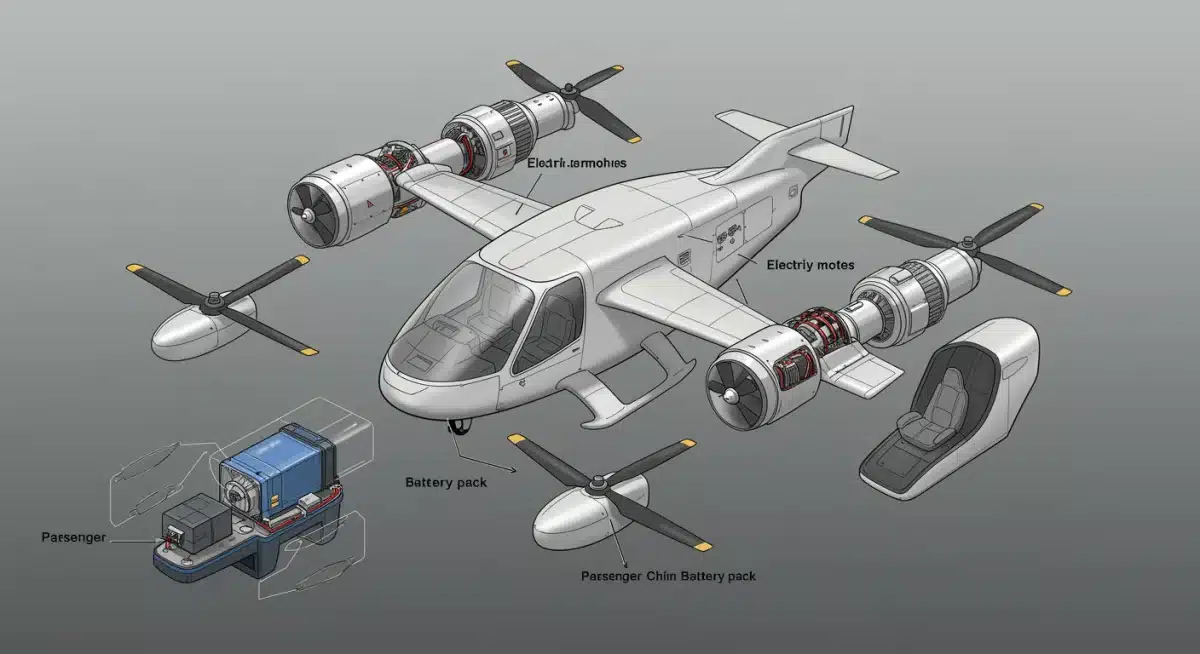
The heart of UAM lies in the eVTOL aircraft themselves. By 2026, we expect to see significant progress in their design, efficiency, and safety. Key technological drivers include:
- Electric Propulsion Systems: Advances in battery technology, electric motors, and power management systems are crucial. Lighter, more powerful batteries with increased energy density are extending flight ranges and payloads. Electric motors offer quieter operation and zero direct emissions, addressing key concerns for urban environments.
- Advanced Aerodynamics: Innovative aircraft configurations, often featuring multiple rotors and distributed propulsion, are being developed to optimize lift, control, and efficiency across different flight phases (vertical takeoff/landing and horizontal cruise).
- Lightweight Materials: The use of advanced composite materials (e.g., carbon fiber) is essential for reducing aircraft weight, which directly impacts energy consumption and payload capacity.
- Redundancy and Safety Systems: Given the criticality of passenger safety, eVTOLs incorporate multiple redundant systems for power, control, and navigation. This includes distributed propulsion where the failure of one motor does not lead to catastrophic failure, and sophisticated flight control software.
Automation and Artificial Intelligence (AI)
Automation will play a pivotal role in the safe and efficient operation of Urban Air Mobility US. While initial operations may involve human pilots, the long-term vision includes a high degree of autonomy. AI will be critical for:
- Flight Management: AI-powered systems will optimize flight paths, manage energy consumption, and adapt to changing weather conditions in real-time.
- Air Traffic Management (ATM): AI will enable highly automated and dynamic air traffic control systems specifically designed for the unique demands of UAM, ensuring safe separation and efficient flow of numerous aircraft in complex urban airspace.
- Sense-and-Avoid Technology: Advanced sensors (Lidar, radar, cameras) combined with AI will allow eVTOLs to detect and avoid obstacles, including other aircraft, buildings, and unexpected intrusions, enhancing safety significantly.
- Predictive Maintenance: AI algorithms can analyze flight data to predict potential component failures, allowing for proactive maintenance and minimizing downtime.
Communication and Navigation Systems
Reliable and secure communication and navigation are foundational for UAM. Future systems will leverage:
- 5G and Satellite Connectivity: High-bandwidth, low-latency communication networks will be essential for real-time data exchange between aircraft, ground control, and air traffic management systems.
- Advanced GPS and Inertial Navigation: Highly accurate navigation systems, often combining GPS with inertial measurement units (IMUs) and other sensors, will ensure precise positioning, especially in urban canyons where GPS signals can be weak.
- Cybersecurity: Robust cybersecurity measures are paramount to protect against potential malicious cyberattacks that could compromise the safety and integrity of the UAM system.
Infrastructure Development: Building the Skyways of Tomorrow
While the aircraft themselves are critical, the success of Urban Air Mobility US hinges equally on the development of robust ground and air infrastructure. This involves more than just launching pads; it’s about creating an integrated ecosystem.
Vertiports and Vertistops
These are the equivalent of airports for eVTOLs. Vertiports are larger facilities that can handle multiple aircraft, charging, maintenance, and passenger terminals, often located at key transportation hubs or city centers. Vertistops are smaller, more distributed landing sites, potentially on rooftops or at existing multimodal transportation nodes. Key considerations for vertiport development include:
- Location: Strategic placement near demand centers, public transport, and minimal noise impact on residential areas.
- Design: Efficient passenger flow, safety protocols, charging infrastructure, and weather protection.
- Connectivity: Seamless integration with existing ground transportation networks.
- Power Grid Integration: Vertiports will require significant electrical infrastructure for charging, necessitating upgrades to local power grids.
Airspace Management Systems
The current air traffic control system is designed for traditional aviation. Urban Air Mobility US will require a new, dynamic, and highly automated airspace management system (often referred to as UAM Traffic Management or UTM) that can safely manage a high density of eVTOLs operating at lower altitudes in complex urban environments. This system will need to:
- Deconflict Flights: Automatically plan and adjust flight paths to prevent collisions.
- Manage Weather: Provide real-time weather information and reroute aircraft as necessary.
- Integrate with Existing Airspace: Ensure safe coexistence with traditional aircraft, drones, and other airspace users.
- Dynamic Route Optimization: Adjust routes based on demand, weather, and other operational factors.
Digital Infrastructure
A sophisticated digital backbone will support all aspects of UAM, from booking and payment systems to real-time operational data sharing and cybersecurity. This includes secure data networks, cloud computing resources, and standardized communication protocols.
Regulatory Framework and Certification: Paving the Way for Safe Operations
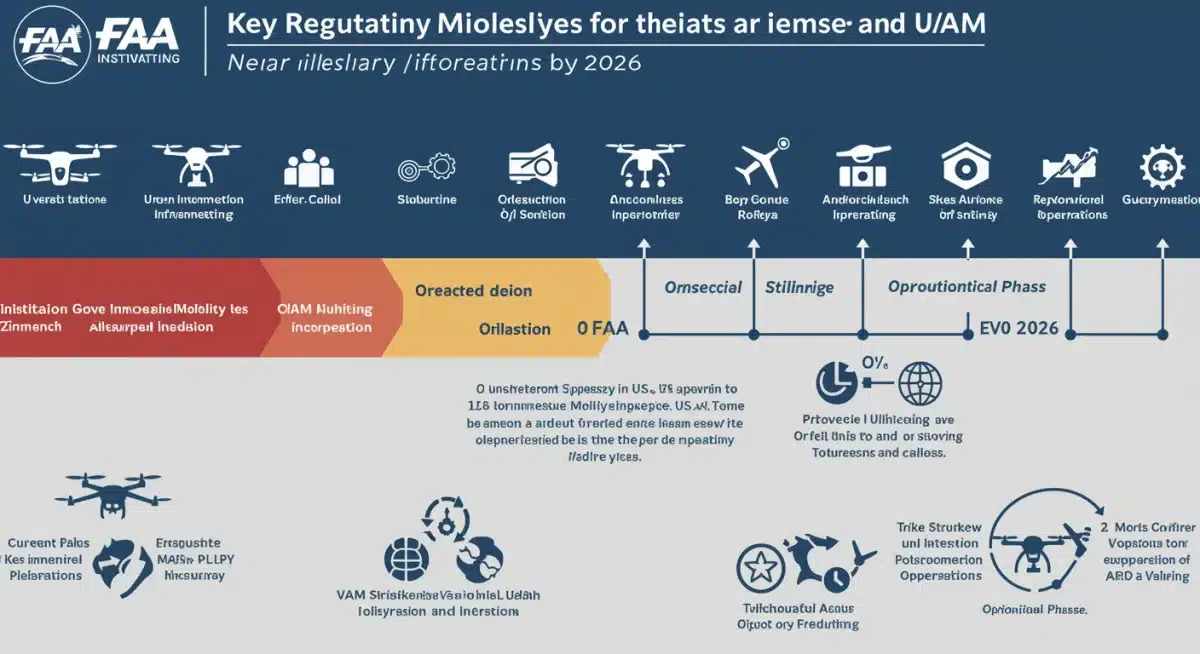
Perhaps the most critical aspect for the widespread adoption of Urban Air Mobility US by 2026 is the establishment of a clear, comprehensive, and adaptive regulatory framework. The Federal Aviation Administration (FAA) is the primary body responsible for ensuring aviation safety in the US, and they are actively engaged in developing the necessary rules and certification processes for eVTOL aircraft and UAM operations.
Aircraft Certification (Part 23 and SC-VTOL)
The FAA is leveraging existing aircraft certification processes, primarily Part 23 for normal category aircraft, but adapting it for the unique characteristics of eVTOLs. They have also introduced special conditions for eVTOL (SC-VTOL) to address novel technologies and operational concepts. By 2026, several eVTOL manufacturers are aiming for certification, which involves rigorous testing and validation of the aircraft’s design, performance, and safety systems.
Pilot Certification and Training
New pilot ratings and training programs will be necessary for eVTOL operators. These will likely build upon existing pilot licenses but include specific requirements for eVTOL flight characteristics, automation management, and urban airspace operations.
Operational Rules (Part 135 and Beyond)
The FAA is working on adapting Part 135 (on-demand charter operations) for UAM services. This will cover aspects such as maintenance, crew qualifications, operational control, and passenger safety. Developing rules for routine, high-volume UAM operations in urban environments is a significant undertaking, requiring careful consideration of noise, privacy, and public acceptance.
Airspace Integration and Management
As mentioned, harmonizing UAM operations with existing air traffic and developing a dedicated UAM Traffic Management system is a top priority. The FAA is collaborating with NASA and industry stakeholders to define the operational concepts and technological requirements for this new airspace paradigm.
Environmental Regulations
While eVTOLs offer environmental benefits through electric propulsion, regulators will also address noise pollution, energy consumption, and the lifecycle environmental impact of manufacturing, operating, and maintaining these aircraft. Public acceptance will heavily depend on addressing noise concerns effectively.
Economic Impact and Investment Opportunities
The emergence of Urban Air Mobility US presents a significant economic opportunity, attracting substantial investment and promising job creation across various sectors.
Market Size and Growth
Analysts predict a multi-billion-dollar market for UAM globally within the next decade, with the US being a leading player. This market will encompass not only aircraft manufacturing but also operations, infrastructure development, software, maintenance, and training.
Investment Trends
Venture capital and corporate investments in UAM companies have surged, with billions of dollars pouring into eVTOL startups and related technologies. Major aerospace firms, automotive giants, and technology companies are also actively investing or forming partnerships, recognizing the transformative potential of this sector.
Job Creation
The UAM industry is expected to create a wide array of new jobs, from aerospace engineers and software developers to eVTOL pilots, maintenance technicians, vertiport operators, and customer service personnel. This will require new educational programs and workforce training initiatives.
Impact on Related Industries
UAM will have ripple effects on various industries. Real estate developers will need to integrate vertiports into urban planning. Energy companies will face increased demand for charging infrastructure. Software and data analytics firms will find new opportunities in airspace management and operational optimization. Logistics and delivery services could be revolutionized by aerial cargo transport.
Challenges and Considerations for Urban Air Mobility US by 2026
Despite the immense potential, several significant challenges must be addressed for Urban Air Mobility US to truly take flight by 2026 and beyond.
Public Acceptance and Trust
One of the most critical hurdles is gaining public trust and acceptance. Concerns about safety, noise pollution, privacy, and equity need to be thoroughly addressed. Demonstrating the safety and reliability of eVTOLs through rigorous testing and transparent communication will be paramount. Managing noise levels, especially in residential areas, will require advanced acoustic design and careful flight path planning. Ensuring UAM services are accessible and affordable, rather than exclusively for the wealthy, will be crucial for broad societal benefit.
Noise Pollution
While eVTOLs are significantly quieter than helicopters, the cumulative noise from numerous aircraft operating in urban environments could still be an issue. Manufacturers are actively working on noise reduction technologies, and regulators will set strict noise limits. Strategic vertiport placement and optimized flight corridors will also help mitigate this challenge.
Energy Infrastructure and Charging
The widespread adoption of electric aircraft will place new demands on the electrical grid. Vertiports will require substantial power for rapid charging, and ensuring this infrastructure is robust, reliable, and sustainable will be a major undertaking. Integration with renewable energy sources will be key to maximizing environmental benefits.
Cybersecurity Threats
As a highly networked and automated system, UAM will be a potential target for cyberattacks. Protecting flight control systems, communication networks, and passenger data from malicious actors is an ongoing and evolving challenge that requires continuous investment in cybersecurity measures.
Integration into Existing Urban Planning
Incorporating vertiports and flight corridors into existing urban landscapes requires careful planning and collaboration between city planners, aviation authorities, and developers. This includes zoning regulations, land use policies, and ensuring minimal disruption to current urban life.
Insurance and Liability
New insurance models and liability frameworks will need to be developed to cover the unique risks associated with UAM operations, including aircraft failures, air traffic incidents, and ground-level impacts.
The Path Forward: Collaboration and Innovation
The realization of Urban Air Mobility US by 2026 is not solely in the hands of aircraft manufacturers or regulators. It requires unprecedented collaboration across various sectors:
- Government Agencies: The FAA, NASA, Department of Transportation (DOT), and local governments must work together to create a cohesive regulatory and operational environment.
- Industry Stakeholders: eVTOL manufacturers, infrastructure developers, software providers, and operators need to collaborate on standards, interoperability, and best practices.
- Academia and Research Institutions: Universities and research labs will continue to drive innovation in materials science, AI, aerodynamics, and human-machine interaction.
- Public Engagement: Open dialogue with communities will be essential to address concerns, build trust, and ensure UAM development aligns with societal needs and values.
Pilot programs and demonstrations are already underway in various US cities, providing valuable insights into operational challenges and public response. These early tests are crucial for refining technology, validating regulatory approaches, and building confidence in the safety and viability of UAM.
Conclusion: A Glimpse into the Future of Urban Air Mobility US
The year 2026 marks a pivotal moment for Urban Air Mobility US. While widespread, daily aerial commuting for the masses might still be a few years further out, we anticipate significant strides in aircraft certification, infrastructure planning, and regulatory clarity. Initial commercial operations, likely focusing on specific routes or niche services, could begin to emerge in select metropolitan areas. The foundation being laid now – through technological breakthroughs, strategic investments, and diligent regulatory development – is setting the stage for a transformative era in transportation.
The dream of seamless, efficient, and environmentally friendly air travel within our cities is closer than ever. As the US navigates the complexities and harnesses the potential of Urban Air Mobility, it is poised to lead the world in defining the future of urban transportation, making our cities more connected, sustainable, and vibrant. The journey ahead is challenging but undeniably exciting, promising a future where the sky is not just a limit but a new pathway for progress.