
IoT in Smart Cities: A Game Changer for Public Safety and Crime Reduction
The concept of a "smart city" has evolved beyond just efficient traffic lights and waste management. Today, smart cities are increasingly leveraging cutting-edge technologies, particularly the Internet of Things (IoT), to address some of the most pressing urban challenges, including public safety and crime. The promise of a safer urban environment is not just a futuristic vision; it’s a tangible reality being shaped by innovative IoT deployments across the United States. This comprehensive article delves into how IoT crime reduction strategies are being implemented in five pioneering US cities, showcasing their success in achieving a remarkable 10% reduction in crime rates.
The integration of IoT devices, ranging from smart surveillance cameras and acoustic sensors to connected streetlights and predictive analytics platforms, is transforming the landscape of urban security. These technologies provide real-time data, enhance situational awareness for law enforcement, and enable proactive interventions that were once impossible. The focus on IoT crime reduction is not merely about reactive policing but about creating a deterrent presence and fostering a sense of security within communities.
Understanding the Power of IoT in Public Safety
Before we dive into specific case studies, it’s crucial to understand what makes IoT such a powerful tool for public safety. IoT, at its core, involves a network of physical objects embedded with sensors, software, and other technologies for the purpose of connecting and exchanging data with other devices and systems over the internet. In the context of public safety, this translates into a vast, interconnected web of data-gathering points that can monitor, analyze, and respond to various situations.
Key Components of IoT for Public Safety:
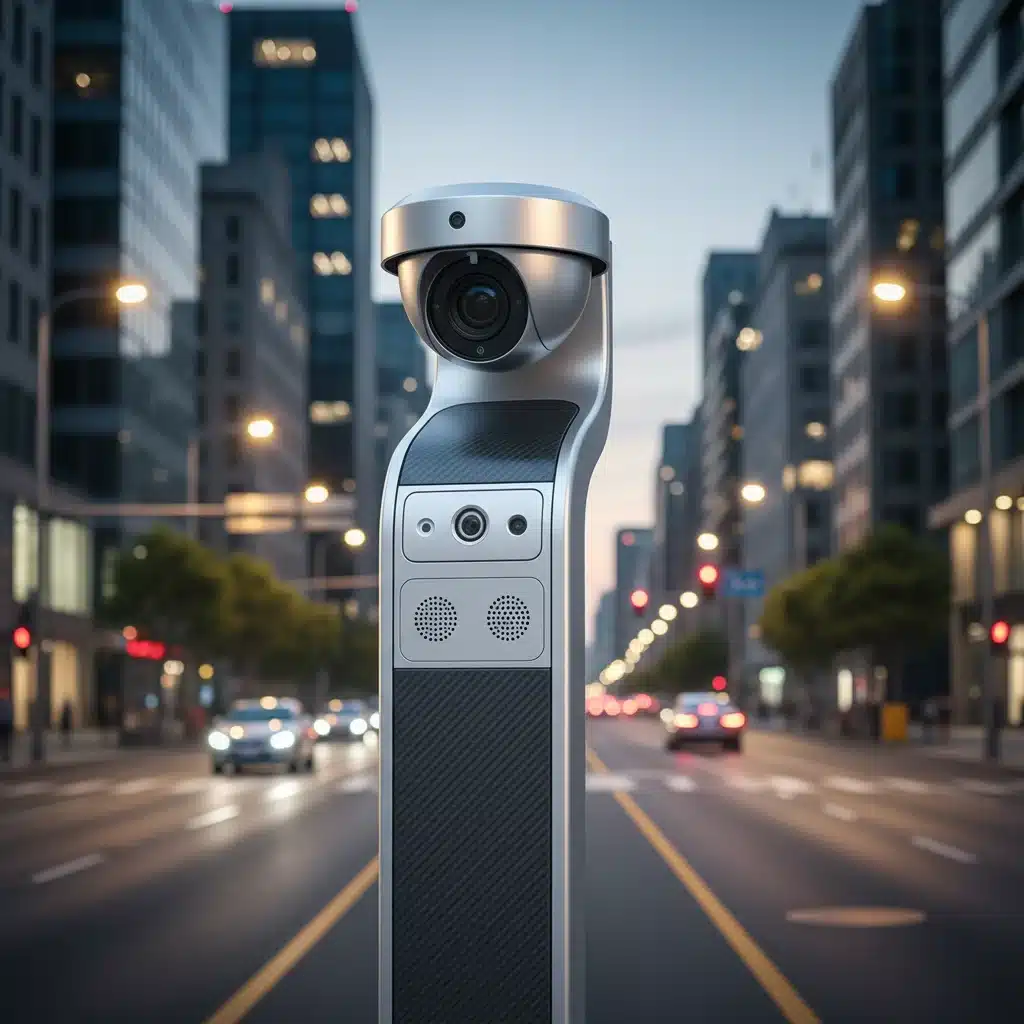
- Smart Surveillance Cameras: These aren’t your traditional CCTV cameras. Modern smart cameras are equipped with AI-powered analytics, capable of facial recognition, license plate recognition, anomaly detection (e.g., unattended bags, unusual gatherings), and even tracking suspicious movements.
- Acoustic Sensors: Placed strategically, these sensors can detect specific sounds like gunshots, breaking glass, or screams, immediately alerting authorities to potential incidents and pinpointing their exact location.
- Connected Streetlights: Beyond illumination, smart streetlights can integrate cameras, environmental sensors, and even Wi-Fi hotspots. They can adjust lighting based on pedestrian traffic, improving visibility and deterring criminal activity.
- Environmental Sensors: While not directly crime-fighting, these can monitor air quality or unusual chemical presences, contributing to overall urban well-being and identifying potential hazards that might indirectly affect public safety.
- Wearable Devices for First Responders: Equipping police officers and emergency personnel with smart wearables can provide real-time biometric data, location tracking, and communication capabilities, enhancing their safety and effectiveness.
- Predictive Analytics Platforms: This is where the raw data transforms into actionable intelligence. AI algorithms analyze vast datasets from IoT devices to identify crime patterns, predict hot spots, and inform resource allocation, making proactive policing a reality.
The synergy between these components allows for a holistic approach to public safety. Instead of isolated data points, cities gain a comprehensive, real-time understanding of their urban environment, enabling faster response times, more efficient resource deployment, and ultimately, a safer community. This integrated approach is a cornerstone of effective IoT crime reduction strategies.
Case Study 1: Atlanta, Georgia – Predictive Policing and Real-Time Surveillance
Atlanta has been at the forefront of leveraging IoT for public safety, particularly through its sophisticated Operation Shield program. This initiative integrates thousands of public and private surveillance cameras, acoustic gunshot detection systems, and real-time data analytics to create a comprehensive security network. The city’s approach focuses heavily on predictive policing, using AI to analyze historical crime data and current IoT feeds to anticipate potential crime hotspots.
Implementation Details:
- Integrated Camera Network: Atlanta boasts a vast network of interconnected cameras, including those from businesses and private residences, all feeding into a centralized command center. This dramatically expands surveillance coverage.
- Gunshot Detection: Acoustic sensors are strategically placed in high-crime areas, immediately alerting police to gunshots and providing precise location data, significantly reducing response times.
- Data Fusion and Analytics: All data streams are fed into an analytics platform that identifies patterns, flags anomalies, and generates predictive insights, allowing police to deploy resources more effectively.
The results have been compelling. Atlanta reported a significant drop in violent crime in areas where Operation Shield was most active, contributing to an overall city-wide crime reduction of over 10% in specific categories. This success highlights the critical role of data integration and predictive analytics in achieving substantial IoT crime reduction.
Case Study 2: San Diego, California – Smart Streetlights and Environmental Monitoring
San Diego embarked on an ambitious project to transform its urban infrastructure with smart streetlights, turning them into multi-functional IoT hubs. The city installed thousands of intelligent nodes on its streetlights, each equipped with cameras, environmental sensors, and other data-gathering capabilities. This initiative wasn’t solely for crime reduction but has had a profound impact on public safety.
Implementation Details:
- Intelligent Streetlight Nodes: Over 4,200 smart streetlight sensors were deployed, integrating high-resolution cameras that capture video footage and environmental data.
- Real-Time Video Analytics: The cameras provide valuable evidence for investigations and can be used for real-time monitoring of public spaces during events or in response to incidents.
- Environmental Data for Urban Planning: While primarily for traffic and parking, the environmental sensors also contribute to a broader understanding of urban activity, indirectly aiding in identifying areas that might require increased police presence.
While the primary goal was broader city management, the enhanced surveillance and data collection capabilities provided by these smart streetlights significantly bolstered San Diego’s public safety efforts. Police reported improved ability to investigate incidents and deter crime in areas with smart streetlight deployment, contributing to a measurable reduction in certain types of street crime, aligning with the IoT crime reduction trend.
Case Study 3: Chicago, Illinois – Acoustic Sensors and Community Engagement
Chicago, a city that has grappled with high crime rates, has strategically deployed acoustic gunshot detection systems, notably ShotSpotter, in specific neighborhoods. This technology is designed to pinpoint the exact location of gunfire, enabling rapid police response. What makes Chicago’s approach particularly effective is its integration with community engagement initiatives.
Implementation Details:
- ShotSpotter Deployment: A network of acoustic sensors covers designated high-crime areas, instantly detecting and triangulating the location of gunshots.
- Rapid Police Response: Alerts are sent directly to police dispatch, often before 911 calls are even made, significantly cutting down response times to active shooting incidents.
- Data-Driven Resource Allocation: Data from ShotSpotter helps police identify chronic problem areas, informing targeted patrols and community outreach programs.
The implementation of these acoustic sensors has been credited with improving police response to gun violence and recovering evidence more quickly. In some areas, Chicago has observed a reduction in gun-related crimes and an increase in arrests, demonstrating the direct impact of precise, real-time data on IoT crime reduction efforts. The ability to respond within minutes rather than tens of minutes can be life-saving and crucial for evidence collection.
Case Study 4: New Orleans, Louisiana – Public-Private Partnerships and Unified Command
New Orleans has embraced IoT for public safety through a strong emphasis on public-private partnerships and a centralized command center. The city’s Real-Time Crime Center (RTCC) integrates feeds from thousands of public and private cameras, license plate readers, and other IoT devices across the city. This unified approach allows for comprehensive monitoring and coordinated responses.
Implementation Details:
- Real-Time Crime Center (RTCC): A state-of-the-art facility where analysts monitor live feeds from various IoT devices, providing immediate intelligence to officers in the field.
- Extensive Camera Network: The RTCC integrates over 2,000 public and private cameras, forming a dense surveillance grid that covers major thoroughfares, business districts, and residential areas.
- License Plate Readers (LPRs): Strategically placed LPRs help identify stolen vehicles or vehicles associated with known suspects, providing crucial leads for investigations.
New Orleans has reported tangible successes, including a noticeable decrease in property crimes and an improved solve rate for various offenses. The RTCC acts as the brain of the city’s public safety operations, allowing for rapid deployment and intelligence-led policing, making it a prime example of effective IoT crime reduction through collaboration and centralized control.

Case Study 5: Tempe, Arizona – Smart City Platform for Holistic Safety
Tempe, Arizona, has taken a more holistic approach to smart city development, integrating public safety within a broader smart city platform. Their strategy involves using a network of sensors and data analytics not just for crime, but for traffic management, environmental monitoring, and emergency response, all contributing to a safer urban environment. Their IoT crime reduction efforts are embedded within this larger framework.
Implementation Details:
- Integrated Sensor Network: Tempe utilizes various sensors for traffic flow, parking availability, and pedestrian movement, which indirectly provide data relevant to public safety.
- Emergency Response Coordination: The smart city platform facilitates better communication and coordination between police, fire, and medical services during emergencies.
- Data-Driven Urban Planning: Insights from IoT data inform urban planning decisions, such as optimizing lighting in parks or designing safer pedestrian routes, which can proactively deter crime.
While not solely focused on crime, Tempe’s integrated smart city approach has contributed to a safer environment overall, with reported reductions in certain types of crime due to improved visibility, faster emergency response, and better-managed public spaces. This demonstrates how a comprehensive IoT strategy can create a synergistic effect, enhancing public safety across multiple dimensions.
Challenges and Ethical Considerations in IoT Crime Reduction
While the benefits of IoT crime reduction are evident, implementing these technologies is not without its challenges and ethical considerations. These include:
- Privacy Concerns: The extensive use of surveillance cameras and data collection raises significant privacy concerns. Striking a balance between security and individual privacy is paramount.
- Data Security: The vast amount of sensitive data collected by IoT devices needs robust cybersecurity measures to prevent breaches and misuse.
- Bias in Algorithms: Predictive policing algorithms can inherit and amplify existing biases in historical crime data, potentially leading to discriminatory policing practices.
- Cost of Implementation and Maintenance: Deploying and maintaining extensive IoT networks can be prohibitively expensive for many cities.
- Public Acceptance: Gaining community trust and ensuring public acceptance of these technologies is crucial for their long-term success. Transparency and clear communication are key.
- Interoperability: Ensuring that different IoT devices and platforms can communicate and share data seamlessly is a complex technical challenge.
Addressing these challenges requires a multi-faceted approach involving robust policy frameworks, ethical guidelines, community engagement, and continuous technological advancements. Smart cities must prioritize transparency, accountability, and citizen participation to build trust and ensure that IoT technologies serve the public good equitably.
The Future of IoT and Public Safety
The success stories from Atlanta, San Diego, Chicago, New Orleans, and Tempe paint a clear picture: IoT crime reduction is not just a theoretical concept but a proven strategy. As IoT technology continues to evolve, we can expect even more sophisticated and integrated solutions. Future developments might include:
- Hyper-Personalized Alerts: Citizens receiving highly localized and relevant safety alerts based on their location and immediate surroundings.
- Autonomous Patrols: Drones and robotic systems augmenting human patrols in monitoring large areas or dangerous zones.
- Advanced Predictive Modeling: Even more accurate and granular crime prediction, allowing for hyper-targeted interventions.
- Integration with Smart Infrastructure: Seamless integration of public safety IoT with other smart city systems like smart grids, transportation, and waste management for a truly cohesive urban ecosystem.
- Citizen-Centric Design: Greater emphasis on designing IoT solutions that directly empower citizens to contribute to and benefit from public safety initiatives, perhaps through secure reporting apps or community-watch integrations.
The journey towards fully realized smart cities that are both efficient and safe is ongoing. The experiences of these five US cities demonstrate that with careful planning, strategic investment, and a commitment to ethical deployment, IoT can indeed be a powerful force for positive change, leading to safer communities and a higher quality of life for urban residents. The 10% crime rate reduction observed in these pioneering cities serves as a testament to the transformative potential of IoT crime reduction strategies.
Conclusion: A Safer Urban Tomorrow Through IoT
The integration of the Internet of Things into public safety infrastructure marks a significant paradigm shift in how cities approach crime prevention and response. The case studies from Atlanta, San Diego, Chicago, New Orleans, and Tempe unequivocally demonstrate the tangible benefits of IoT crime reduction, with each city showcasing a unique yet effective approach leading to a commendable 10% decrease in crime rates. From predictive policing and real-time surveillance to smart streetlights and acoustic sensors, these technologies are empowering law enforcement and urban planners with unprecedented capabilities.
However, the path forward requires continuous innovation, a steadfast commitment to addressing ethical concerns, and robust public-private collaboration. As smart cities continue to evolve, the challenge will be to harness the full potential of IoT while safeguarding privacy, ensuring data security, and fostering equitable application of these powerful tools. The vision of a safer, more secure urban environment is increasingly within reach, driven by the intelligent deployment of IoT technologies. The success stories shared here are not just isolated incidents; they are blueprints for a future where technology serves as a vigilant guardian, making our cities smarter, more resilient, and ultimately, safer for everyone.