Smart Street Lighting: 30% Energy Savings by 2026 in US Cities

The Impact of Smart Street Lighting on Energy Savings: Achieving 30% Reductions Across US Cities by Mid-2026
In an era defined by rapid urbanization and an urgent need for sustainable practices, the concept of a ‘smart city’ has transitioned from futuristic vision to present-day reality. At the heart of this transformation lies the ubiquitous yet often overlooked street light. For decades, street lighting has been a significant consumer of urban energy, a constant drain on municipal budgets, and a contributor to carbon emissions. However, a technological revolution is underway, ushering in an era of smart street lighting that promises to redefine how our cities are illuminated.
The ambition is substantial: to achieve 30% energy reductions across US cities by mid-2026 through the widespread adoption of smart street lighting. This isn’t merely an incremental improvement; it’s a paradigm shift, leveraging advanced technologies to create more efficient, responsive, and sustainable urban environments. This article delves deep into the mechanics, benefits, challenges, and future outlook of this transformative technology, exploring how it’s poised to reshape our urban landscapes.
Understanding Smart Street Lighting: More Than Just LEDs
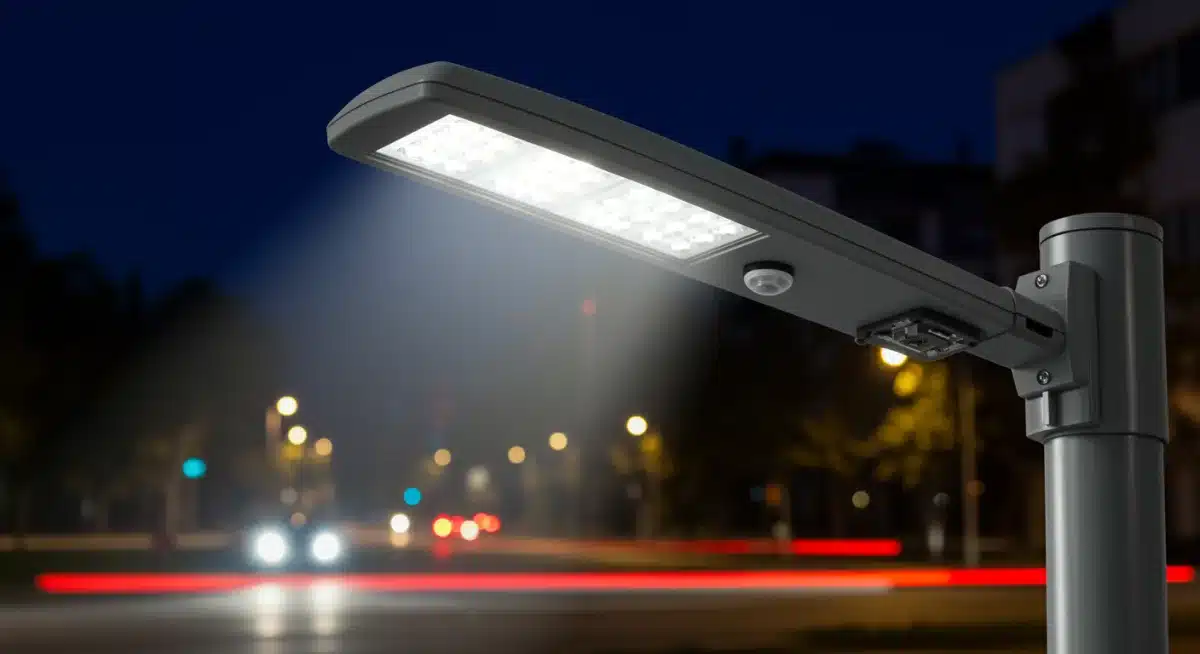
When we talk about smart street lighting, it’s crucial to understand that we’re referring to far more than just swapping out old high-pressure sodium (HPS) lamps for energy-efficient Light Emitting Diodes (LEDs). While LEDs are a fundamental component, the ‘smart’ aspect comes from the integration of advanced technologies that allow for dynamic control, monitoring, and data collection. These systems typically comprise several key elements:
- LED Luminaires: The foundation of energy efficiency. LEDs consume significantly less power than traditional bulbs, have a longer lifespan, and offer better light quality and directionality.
- Sensors: A diverse array of sensors is integrated into smart streetlights. These can include motion detectors to adjust brightness based on pedestrian or vehicular traffic, ambient light sensors to respond to natural light levels, temperature sensors, and even air quality sensors.
- Communication Networks: Smart streetlights are interconnected, often forming a mesh network using wireless technologies like Wi-Fi, cellular, LoRaWAN, or Zigbee. This network allows individual lights to communicate with each other and with a central management system.
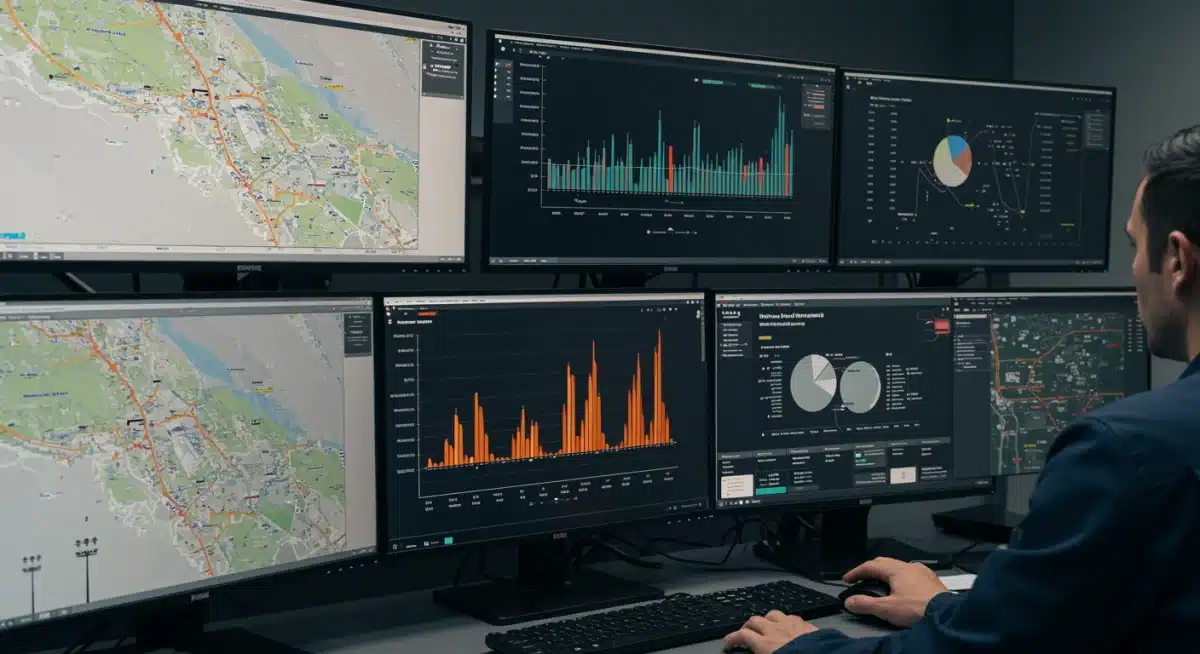
- Central Management System (CMS): This software platform is the brain of the operation. It allows city managers to remotely monitor, control, and schedule individual lights or groups of lights. The CMS collects data from sensors, analyzes performance, and can even flag maintenance issues.
- Data Analytics and AI: The vast amount of data collected by smart streetlights can be analyzed to identify patterns, optimize energy usage, predict maintenance needs, and inform urban planning decisions. Artificial intelligence algorithms can further enhance the system’s responsiveness and efficiency.
This integrated approach allows cities to move beyond static, all-or-nothing lighting schedules to a dynamic, demand-driven system. Imagine streetlights that brighten as a car approaches and dim once it passes, or lights that automatically adjust their intensity based on weather conditions or time of day. This is the promise of smart street lighting.
The Economic Imperative: Why 30% Energy Savings Matters
The target of 30% energy reduction by mid-2026 is not an arbitrary figure; it represents a significant economic and environmental milestone for US cities. Street lighting often accounts for 10-38% of a city’s total energy budget. Reducing this expenditure by nearly a third translates into substantial financial savings that can be reinvested into other critical urban services.
Direct Cost Savings
The most immediate and tangible benefit of smart street lighting is the reduction in electricity bills. LEDs inherently consume less energy, and when combined with intelligent controls, the savings multiply. For instance, dimming lights during off-peak hours or in areas with low traffic can lead to considerable energy conservation without compromising safety.
Reduced Maintenance Costs
Traditional streetlights require frequent maintenance, including bulb replacements and repairs, which incur significant labor and equipment costs. LEDs have a much longer lifespan (typically 50,000 to 100,000 hours, compared to 10,000-20,000 for HPS lamps). Furthermore, smart systems can monitor the health of individual luminaires, proactively identifying issues and allowing for scheduled, rather than reactive, maintenance. This predictive maintenance model can drastically cut operational expenses.
Environmental Benefits
Lower energy consumption directly translates to a reduced carbon footprint. By decreasing the demand for electricity generated from fossil fuels, cities contribute to cleaner air and mitigate the effects of climate change. This aligns with broader sustainability goals and enhances a city’s environmental stewardship.
Extended Asset Lifespan
The ability to dim lights and operate them only when necessary reduces wear and tear on the luminaires, further extending their operational life. This means less frequent replacement cycles, leading to additional long-term cost savings for municipalities.
Beyond Energy: The Multifaceted Benefits of Smart Street Lighting
While energy savings are a primary driver, the advantages of smart street lighting extend far beyond mere cost reduction. These systems are foundational components of broader smart city initiatives, offering a cascade of benefits that improve urban living.
Enhanced Public Safety and Security
Well-lit streets are safer streets. Smart lighting systems can dynamically adjust illumination levels in response to events or emergency situations. For example, if a crime is reported, lights in the vicinity can be instantly brightened to aid law enforcement and deter further activity. Some smart poles are even equipped with cameras and public address systems, further boosting security and emergency response capabilities.
Improved Traffic Management
Sensors integrated into smart streetlights can collect valuable data on traffic flow, congestion patterns, and parking availability. This information can be used to optimize traffic signal timing, guide drivers to available parking spaces, and even inform urban planning decisions to alleviate chronic traffic issues.
Better Urban Livability
The quality of light significantly impacts the urban experience. LEDs offer superior color rendering, making streets feel more inviting and allowing people to see their surroundings more clearly. The ability to control light intensity also helps reduce light pollution, benefiting stargazers and wildlife, while still providing adequate illumination where needed.
Foundation for Smart City Applications
Smart street lighting poles can serve as a robust infrastructure for hosting a variety of other smart city technologies. They can accommodate 5G small cells to improve wireless connectivity, provide public Wi-Fi hotspots, host environmental sensors to monitor air and noise pollution, and even serve as charging stations for electric vehicles. This makes them a versatile platform for future urban innovation.
Navigating the Challenges: The Road to Widespread Adoption
Despite the compelling benefits, the journey to achieving 30% energy reductions through smart street lighting is not without its hurdles. Cities face several challenges in the planning, implementation, and management of these sophisticated systems.
Initial Investment Costs
The upfront capital expenditure for converting traditional lighting infrastructure to smart LED systems can be substantial. This includes the cost of LED luminaires, sensors, communication hardware, and the central management software. Many municipalities operate on tight budgets, making it difficult to secure the necessary funding for such large-scale projects.
Technical Complexity and Integration
Implementing a smart lighting system requires expertise in networking, software integration, and data management. Cities often need to upgrade their IT infrastructure and train personnel to operate and maintain these complex systems. Integrating new smart lighting infrastructure with existing city systems (e.g., traffic management, emergency services) can also be a significant technical challenge.
Data Security and Privacy Concerns
Smart streetlights collect vast amounts of data, raising concerns about cybersecurity and the privacy of citizens. Protecting this data from breaches and ensuring its ethical use are paramount. Robust security protocols and clear data governance policies are essential.
Interoperability and Vendor Lock-in
The smart lighting market is evolving rapidly, with various vendors offering proprietary solutions. Ensuring interoperability between different systems and avoiding vendor lock-in is a critical consideration for cities. Open standards and flexible architectures are key to future-proofing investments.
Public Acceptance and Awareness
While the benefits are clear to experts, public awareness and acceptance are crucial for successful implementation. Concerns about light pollution, the aesthetics of new fixtures, or the perceived intrusiveness of data collection need to be addressed through transparent communication and community engagement.
Strategies for Success: Accelerating the 30% Reduction Goal
To overcome these challenges and achieve the ambitious 30% energy reduction target, cities are employing various strategies:
Public-Private Partnerships (PPPs)
PPPs are proving to be an effective model for financing and implementing smart lighting projects. Private companies can provide the upfront capital, technological expertise, and ongoing maintenance, often through energy performance contracts where savings are shared or used to repay the initial investment.
Phased Implementation
Instead of a complete overhaul, many cities are adopting a phased approach, starting with pilot projects in key areas or upgrading segments of their lighting infrastructure. This allows them to learn, refine processes, and demonstrate success before scaling up.
Leveraging Grants and Funding Programs
Federal and state governments, as well as non-profit organizations, offer grants and incentives for energy efficiency and smart city initiatives. Cities can actively seek out and apply for these funding opportunities to offset initial costs.
Standardization and Open Platforms
Advocating for and adopting open standards for smart lighting components and communication protocols can help ensure interoperability, reduce vendor lock-in, and foster innovation within the market.
Data-Driven Decision Making
Utilizing the data collected by smart lighting systems to continuously optimize performance and identify further opportunities for energy savings is crucial. Regular analysis of energy consumption patterns, maintenance records, and sensor data can lead to ongoing improvements.
Case Studies: Cities Leading the Way
Numerous US cities have already embarked on their smart street lighting journeys, demonstrating tangible results and providing valuable lessons for others. While the 30% reduction by 2026 is an aggregate goal, individual cities are making significant strides.
Los Angeles, California
One of the pioneers, Los Angeles, has installed over 200,000 smart LED streetlights. This initiative has resulted in substantial energy savings, reduced light pollution, and improved public safety. The city utilizes a central management system to control and monitor its vast network, showcasing the scalability of these solutions.
Kansas City, Missouri
Kansas City has integrated smart streetlights as part of a broader smart city corridor project. Beyond energy efficiency, their smart lights are equipped with sensors for traffic management, environmental monitoring, and even gunshot detection, transforming the poles into multi-functional urban assets.
Detroit, Michigan
Detroit undertook a massive overhaul of its street lighting system, replacing tens of thousands of old fixtures with LEDs. While not all were ‘smart’ in the most advanced sense initially, the project significantly cut energy consumption and improved safety in historically underserved neighborhoods, laying the groundwork for future smart upgrades.
These examples illustrate that while the specific implementations may vary, the core benefits of energy reduction, improved safety, and enhanced urban services are consistently realized through smart street lighting deployments.
The Future of Smart Street Lighting: Beyond 2026
The target of 30% energy reduction by mid-2026 is an ambitious yet achievable goal, setting the stage for even greater advancements in urban illumination and connectivity. Looking beyond this immediate objective, the future of smart street lighting is poised for exciting developments:
Enhanced Data Analytics and Predictive Maintenance
As AI and machine learning capabilities advance, smart lighting systems will become even more sophisticated in predicting failures, optimizing energy use based on complex urban patterns, and even adapting to individual user preferences (e.g., personalized lighting zones).
Integration with Autonomous Vehicles
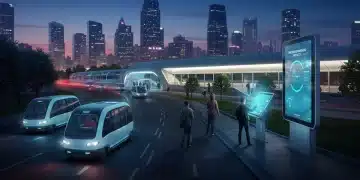
Smart streetlights could play a crucial role in supporting autonomous vehicle infrastructure. They can communicate with self-driving cars, providing real-time data on road conditions, traffic, and potential hazards, enhancing safety and efficiency.
Expanded Sensor Networks
The humble streetlight pole will continue to evolve into a multi-purpose urban data hub, hosting an even wider array of sensors for everything from hyper-local weather monitoring to seismic activity detection, providing unprecedented insights into urban dynamics.
Energy Harvesting and Microgrids
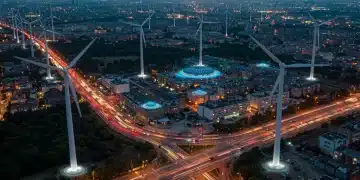
Future smart streetlights may incorporate renewable energy sources, such as small solar panels or wind turbines, to become partially or fully self-sufficient. They could also integrate into localized microgrids, providing resilience during power outages and contributing to overall grid stability.
Human-Centric Lighting
Advancements in lighting technology will enable more dynamic and responsive lighting that considers human well-being. This could include adjusting color temperature throughout the day to support circadian rhythms or providing adaptive lighting for different age groups and visual needs.
Conclusion: A Brighter, More Efficient Urban Future
The drive to achieve 30% energy reductions across US cities by mid-2026 through smart street lighting is a testament to the transformative power of technology in addressing pressing urban challenges. It represents a commitment to sustainability, economic prudence, and enhanced quality of life for residents.
While the path to widespread adoption involves navigating significant investment, technical, and social hurdles, the overwhelming benefits make it an endeavor worth pursuing. Smart street lighting is not just about saving energy; it’s about building smarter, safer, and more resilient cities for the future. As more municipalities embrace this technology, we can look forward to urban landscapes that are not only beautifully illuminated but also intelligently managed, sustainably powered, and better equipped to serve the needs of their communities.
The journey towards a fully connected, energy-efficient urban environment is ongoing, and smart street lighting stands as a beacon, guiding the way to a brighter, more sustainable future for cities across the United States and beyond.