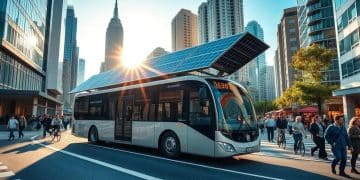
Renewable energy integration in public transport: a game changer
Renewable energy integration in public transport is transforming urban mobility, offering sustainability and efficiency. Discover how it works!

Subscription-based car ownership models that save you money
Subscription-based car ownership models offer flexibility and savings that change the way you drive.
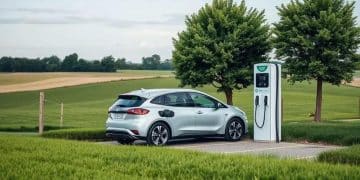
EV charging infrastructure expansion in rural areas
EV charging infrastructure expansion in rural areas is crucial for supporting electric vehicle adoption in underserved areas, enhancing accessibility.

Advancements in hyperloop transportation systems are changing travel
Advancements in hyperloop transportation systems promise fast and efficient travel. Discover revolutionary changes underway!

AI-driven traffic congestion management systems revolutionize cities
AI-driven traffic congestion management systems offer smarter ways to improve urban mobility and reduce delays. Discover how they work!

Rise of micro-mobility services in urban centers
The rise of micro-mobility services in urban centers offers convenient options for urban commuting. Discover its transformative impact today!
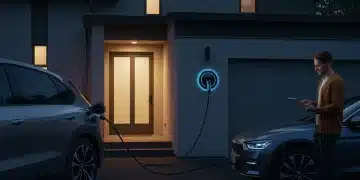
Prepare Your Home for EV Charger: 6-Step Guide 2026
Preparing your home for an EV charger in 2026 involves a structured approach, starting with electrical panel assessment and concluding with smart charger installation, ensuring a safe and efficient charging experience.
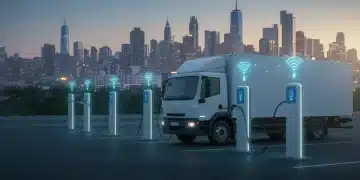
Fleet Electrification US: 20% Cost Reduction by 2026 Tech
Achieving a 20% cost reduction in US fleet electrification by 2026 is a tangible goal, driven by advanced technological integration and strategic operational shifts, promising significant financial and environmental benefits.
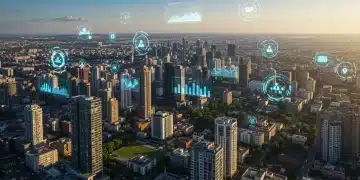
Data-Driven Urban Planning: Boosting City Services by 22%
Data-driven urban planning, leveraging predictive analytics, is projected to enhance city services by 22% in the coming year, optimizing resource allocation and improving overall urban efficiency for US cities.

US Smart Highways: 12% Traffic Flow Improvement by 2026
By 2026, connected infrastructure and smart highways in the US are projected to enhance traffic flow by 12%, leveraging advanced technologies for improved efficiency, safety, and reduced congestion.
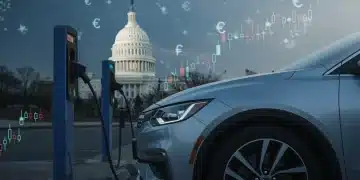
2026 Federal EV Tax Credits: Financial Impact & Updates
The 2026 federal tax credits for new electric vehicle purchases offer significant financial incentives for US consumers, influencing adoption rates and shaping the automotive market by reducing upfront costs.

Smart Traffic Management: US Cities to Cut Congestion by 10% in 2026
By 2026, US cities aim to reduce traffic congestion by 10% through advanced smart traffic management systems, integrating AI, IoT, and real-time data analytics to optimize urban flow and enhance mobility.