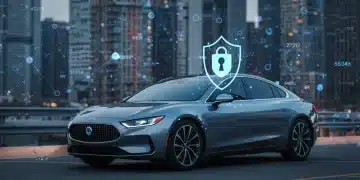
Automotive Cybersecurity: Protecting US Vehicles in 2026
The landscape of automotive cybersecurity in the US is rapidly evolving, demanding robust protection strategies for vehicles against sophisticated emerging threats by 2026. This article delves into the critical challenges and innovative solutions ensuring secure transportation.

Public-Private Partnerships: Accelerating Smart City Projects by 30%
Public-private partnerships (PPPs) are crucial for accelerating smart city development, with a strategic focus on boosting project implementation by 30% within the next three months, transforming urban landscapes through collaborative innovation.

US Infrastructure: Reducing Emissions by 5% by 2026
US infrastructure projects are making significant strides in sustainable transportation, with ambitious goals to reduce emissions by 5% by 2026 through strategic investments in electric vehicles, public transit, and smart urban planning.

Smart City Grids: 15% Energy Reduction in US Urban Centers by 2026
This article outlines how smart city grids can significantly reduce energy consumption in US urban centers by 15% by 2026, offering municipalities a practical guide to implementing these transformative solutions for a sustainable future.

Unlock Savings: Commuter Costs Down 10% with New Mobility in US
US commuters can achieve substantial transportation cost reductions, potentially exceeding 10%, by strategically adopting new mobility services like ride-sharing, micro-mobility, and public transit integration, offering significant financial relief.
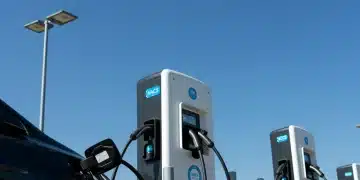
Federal EV Charging Standards: What US Drivers Need to Know
By January 2026, new federal EV charging standards will mandate NACS compatibility and specific uptime requirements for publicly funded chargers, significantly impacting US drivers and the national charging infrastructure.

Deploying 5G in US Smart Cities: 12-Month Plan for 2026
This article outlines a practical 12-month plan for deploying 5G infrastructure in U.S. smart cities by 2026, covering key phases, challenges, and solutions for successful implementation and urban innovation.

Autonomous Vehicle Integration: 2026 Challenges on US Highways
This expert analysis delves into the pivotal challenges facing autonomous vehicle integration on US highways by 2026. We examine regulatory complexities, the critical role of public trust, and essential infrastructure upgrades for a seamless transition to self-driving mobility.

2026 EV Battery Advancements: Range, Charging, and US Impact
Discover how three key 2026 EV battery advancements will redefine electric vehicle performance, offering significantly increased range and ultra-fast charging capabilities, profoundly impacting the US automotive landscape and accelerating EV adoption.

Hydrogen Fuel Cell Vehicles: Why 2026 Could Be the Breakthrough Year for U.S. Heavy-Duty Transport
The year 2026 is rapidly emerging as a critical inflection point for the widespread adoption of hydrogen fuel cell vehicles in U.S. heavy-duty transport. This article delves into the converging factors—technological maturity, escalating infrastructure, and supportive policies—that are setting the stage for a transformative shift towards sustainable logistics.

U.S. Cities Achieve 15% Energy Savings with Smart Grids by 2026
U.S. cities are on track to achieve remarkable energy savings through integrated smart grids. This guide explores the technologies, strategies, and benefits driving a projected 15% reduction in energy consumption by 2026, offering practical solutions for urban sustainability.

Smart City Mobility Solutions: Cutting US Commute Times by 15% by Q2 2026
This article delves into the transformative potential of smart city mobility solutions in reducing US commute times by 15% by Q2 2026. We analyze data-driven strategies, technological innovations, and policy frameworks critical for achieving this ambitious goal, enhancing urban living for millions.