Smart city solutions for digital connectivity
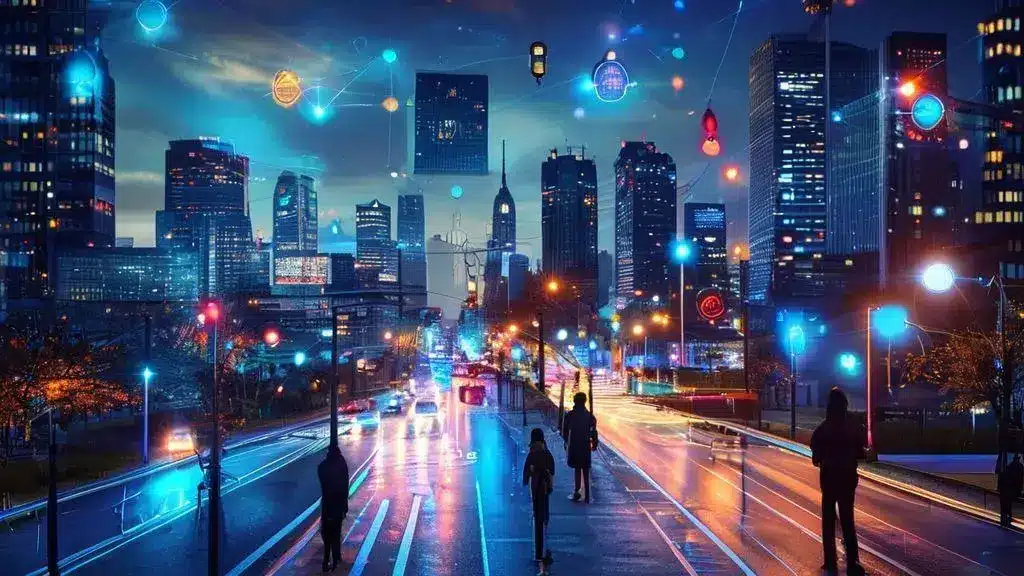
Smart city solutions for digital connectivity enhance urban living by integrating advanced technologies like 5G, IoT, and AI to improve communication, public services, and overall quality of life for residents.
Smart city solutions for digital connectivity are shaping how we interact within urban environments. Have you ever wondered how technology can streamline city living and improve our daily experiences? Let’s dive into this fascinating topic!
Understanding smart city solutions
Understanding smart city solutions is crucial in today’s fast-paced world. These solutions integrate technology and data to improve urban living. From traffic management to waste disposal, smart cities aim to enhance efficiency and sustainability.
Key Features of Smart City Solutions
Smart city solutions incorporate various technologies that connect different urban services. This connectivity improves the overall quality of life for residents. Here are some important features:
- IoT Devices: These devices collect data from various sources such as streets, vehicles, and energy systems.
- Data Analytics: Analyzing this data allows cities to make informed decisions and improve services.
- Real-time Monitoring: Systems can monitor traffic and public safety in real time, helping to respond quickly to issues.
- Citizen Engagement: Many solutions involve citizens through apps and platforms that allow feedback and suggestions.
In addition to these features, smart city solutions promote collaboration between government, businesses, and communities. By pooling resources and knowledge, cities can tackle complex problems more effectively.
Moreover, these solutions aren’t just about technology; they also address social aspects. For instance, improving public transportation can make cities more accessible for everyone. This inclusivity is a key element of effective smart city planning.
Benefits of Smart City Solutions
Implementing smart city solutions brings numerous benefits. First, they can reduce operational costs by optimizing resource use. Second, they enhance public services, making them more reliable and efficient.
These initiatives also encourage environmental sustainability. For example, smart waste management systems can reduce landfill use by optimizing collection routes. Thus, smart city solutions not only improve urban living but also support a greener future.
As we look towards the future, understanding smart city solutions will be essential for creating livable, efficient urban environments. They hold the potential to transform our cities into better places for all residents.
Benefits of digital connectivity in urban areas

The benefits of digital connectivity in urban areas are immense and varied. With increased access to information and services, cities can operate more efficiently and improve the lives of their residents. Connecting people, businesses, and services is essential in today’s digital age.
Improved Communication
Digital connectivity fosters better communication among citizens and government agencies. When residents can easily reach local officials, their concerns are addressed faster. Social media platforms and dedicated apps make it easier for citizens to voice their opinions and receive timely responses.
- Instant Updates: Residents get real-time alerts about emergencies, road closures, and public events.
- Community Engagement: Digital tools encourage public participation in decision-making processes.
- Feedback Channels: Easy access to feedback forms allows citizens to share their experiences and suggestions.
Urban areas with strong digital connectivity also experience economic growth. Businesses can reach a wider audience and provide better services. For instance, local shops can leverage e-commerce to attract customers from beyond their neighborhoods. In addition, job seekers can use online platforms to find employment opportunities that match their skills.
Enhanced Public Services
Digital connectivity enables cities to improve public services. With smart technologies, services like waste management and transportation become more efficient. For example, smart trash bins can signal when they need to be emptied, optimizing collections and saving costs.
Transportation systems also benefit significantly from digital advancements. Connected vehicles and real-time traffic management can reduce congestion, making commutes faster and safer. Moreover, public transit options become more accessible, ensuring everyone can get around easily.
With these advancements, urban life becomes increasingly streamlined. Residents can access services with just a few taps on their devices. Digital connectivity allows for quicker responses to needs, fostering a community-centric approach.
Ultimately, understanding the benefits of digital connectivity in urban areas is crucial as cities evolve. By prioritizing connectivity, urban areas can create thriving environments where individuals and businesses flourish.
Key technologies supporting smart cities
Understanding the key technologies supporting smart cities is essential for their development and success. These technologies work together to enhance urban life and make cities more efficient. Innovations such as the Internet of Things (IoT), big data, and artificial intelligence play major roles in this transformation.
Internet of Things (IoT)
The IoT is a network of interconnected devices that communicate with each other. In smart cities, IoT devices can monitor everything from traffic patterns to environmental conditions. This technology gives city planners valuable data to improve infrastructure and services.
- Smart Sensors: Collect information on air quality, noise levels, and energy consumption.
- Connected Vehicles: Enhance traffic flow and reduce accidents by communicating with traffic signals and each other.
- Smart Metering: Offers real-time data on water and energy use, helping to reduce waste.
With IoT, cities become more responsive to the needs of their residents. For example, smart streetlights that adjust brightness based on movement can save energy and increase safety.
Big Data and Analytics
Another important technology is big data. Cities generate vast amounts of data daily, and analyzing this information helps governments make informed decisions. By studying trends and patterns, cities can effectively allocate resources and improve services.
For instance, data analytics can optimize public transportation routes based on usage trends. This leads to shorter wait times and increased ridership. Additionally, city officials can use data to predict and manage emergencies, ensuring a quicker response during crises.
Integrating technology into urban planning creates smarter, more sustainable environments. These innovations help buildings, transportation systems, and public services interact seamlessly with each other, making life easier for citizens.
As we explore the key technologies supporting smart cities, it’s clear that continuous advancements in technology will shape the future of urban living. The collaboration of these technologies lays the groundwork for creating cities that are not only smarter but also more livable for everyone.
Future trends in smart city connectivity
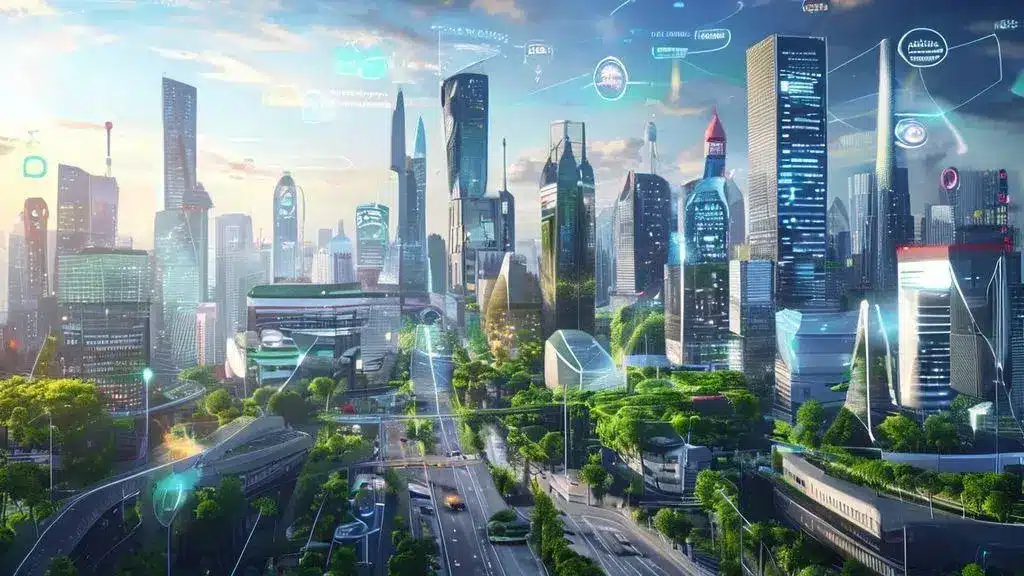
Exploring the future trends in smart city connectivity reveals exciting possibilities for urban living. As technology advances, cities will evolve to become even more interconnected and efficient.
5G Technology
One major development is the rollout of 5G technology. This next-generation wireless network promises faster speeds and lower latency. With 5G, smart devices can communicate more efficiently, resulting in improved services and better responsiveness. Imagine connected vehicles that can react almost instantly to traffic conditions, leading to safer commutes.
- Enhanced Connectivity: 5G will support a larger number of connected devices, facilitating the growth of smart city solutions.
- Improved Public Safety: Faster communication can enhance emergency response times and public safety services.
- Smart Infrastructure: Real-time monitoring of infrastructures, such as bridges and roads, can prevent failures and reduce maintenance costs.
Additionally, the integration of artificial intelligence (AI) will play a significant role in shaping the future of smart cities. AI can analyze data from various sources, predicting issues before they arise and suggesting optimal solutions. This capability will make operations smoother and more efficient.
Sustainability Innovations
Another key trend is the focus on sustainability. Cities will increasingly adopt green technologies, driven by a desire to combat climate change. Smart energy grids and renewable energy sources are essential to this transformation. Smart grids can manage electricity usage more effectively, reducing waste and lowering costs.
Furthermore, urban planners will emphasize green spaces and eco-friendly transportation options. Biking paths and electric vehicle charging stations will become common, promoting cleaner travel options.
As a result, these innovations will create healthier environments for city dwellers. By integrating nature into urban landscapes, cities can improve air quality and provide residents with space to relax and interact.
Viewing the future trends in smart city connectivity reveals a clear pathway toward smarter, more sustainable urban centers. As these trends take shape, our cities will adapt to meet the needs of their citizens, paving the way for enhanced quality of life.
In summary, smart city solutions are vital for creating efficient and sustainable urban environments. With advancements in connectivity and technology, cities will enhance communication, public services, and overall quality of life for residents. The integration of innovations, such as 5G, AI, and sustainable practices, will pave the way for a brighter, more connected future. By embracing these changes, communities can thrive, ensuring that all citizens enjoy the benefits of modern urban living.
FAQ – Frequently Asked Questions about Smart City Solutions
What are the main benefits of smart city solutions?
Smart city solutions enhance urban living by improving connectivity, public services, and overall quality of life for residents.
How does 5G technology impact smart cities?
5G technology enables faster and more reliable communication among devices, enhancing the efficiency of smart city services.
What role does AI play in smart cities?
AI analyzes data to make informed decisions, optimize services, and predict issues before they occur, making urban operations smoother.
Why is sustainability important in smart city planning?
Sustainability helps reduce environmental impact, promotes green technologies, and ensures healthier living spaces for future generations.