2026 EV Battery Advancements: Range, Charging, and US Impact
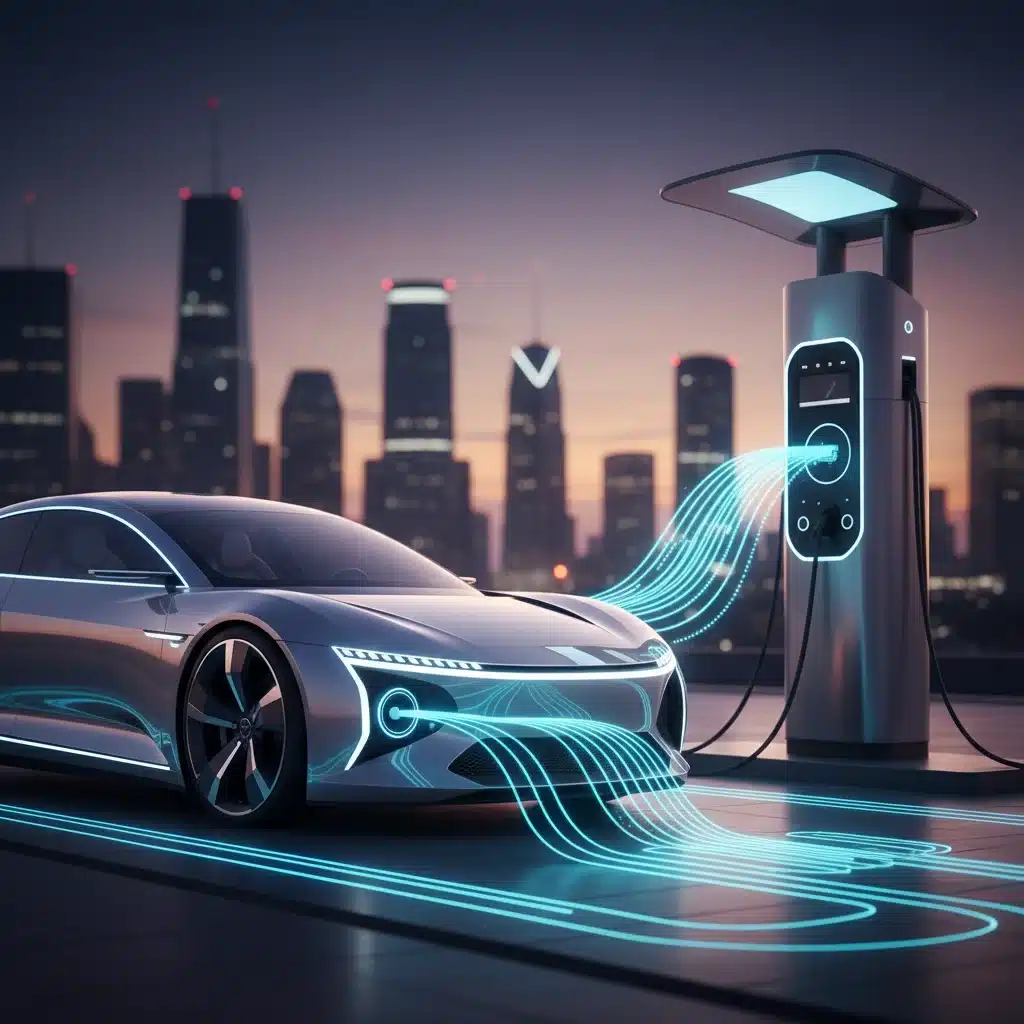
The electric vehicle (EV) revolution is accelerating at an unprecedented pace, and at its core lies the relentless innovation in battery technology. As we look towards 2026, the landscape of EV capabilities is poised for a dramatic transformation, primarily driven by groundbreaking 2026 EV Battery Advancements. For consumers in the US, these advancements promise to directly address the most significant barriers to EV adoption: range anxiety and charging times. This comprehensive article delves into three pivotal battery technologies that are set to redefine what’s possible for electric vehicles, offering deeper insights into their mechanisms, benefits, and the profound impact they will have on the American automotive market.
The journey of EV batteries has been one of continuous improvement, from early lead-acid and nickel-metal hydride cells to the ubiquitous lithium-ion batteries of today. While current lithium-ion technology has made EVs a viable option for millions, the demand for greater energy density, faster charging, improved safety, and lower costs continues to drive research and development. The year 2026 is shaping up to be a landmark year, with several promising technologies maturing from laboratory prototypes to commercial applications. These 2026 EV Battery Advancements are not just incremental improvements; they represent fundamental shifts that will make EVs more practical, affordable, and appealing to a broader audience across the United States.
Understanding these emerging technologies is crucial for anyone interested in the future of transportation, from potential EV buyers to industry stakeholders and policymakers. The implications extend beyond individual vehicles, affecting national energy infrastructure, environmental goals, and economic competitiveness. Our exploration will focus on Solid-State Batteries, Silicon Anodes, and Lithium-Sulfur Batteries, examining how each contributes uniquely to the overarching goal of a more efficient and sustainable EV ecosystem.
The Quest for Greater Range: A Core Driver of 2026 EV Battery Advancements
Range anxiety remains a primary concern for many prospective EV owners. The fear of running out of charge on long journeys or in areas with limited charging infrastructure can deter even the most environmentally conscious consumers. The 2026 EV Battery Advancements are directly tackling this issue by increasing the energy density of battery packs, meaning more power can be stored in the same or even smaller physical space. This translates directly into longer driving ranges on a single charge, making EVs more competitive with traditional gasoline-powered vehicles.
Current lithium-ion batteries, while effective, are approaching their theoretical limits in terms of energy density with conventional graphite anodes. To push past these boundaries, researchers are exploring new materials and architectures. The three technologies we will discuss offer different pathways to achieving significantly higher energy densities, each with its own set of advantages and challenges. The ability to travel 400, 500, or even 600 miles on a single charge would fundamentally change the perception and practicality of EVs for many American drivers, especially those in rural areas or those who frequently undertake long-distance travel.
Moreover, increased range doesn’t just benefit long trips. It also means less frequent charging for daily commutes, adding convenience and reducing the perceived hassle of EV ownership. This convenience factor is a powerful motivator for mass adoption. As the range extends, the need for an ultra-dense charging network diminishes slightly, making EVs a more viable option even in regions where charging infrastructure is still developing. These 2026 EV Battery Advancements are therefore critical in making EVs a truly universal solution for personal transportation.
Revolutionizing Charging Speeds: Time is Money (and Convenience)
Beyond range, the time it takes to recharge an EV is another significant factor influencing consumer choice. While overnight home charging is convenient for many, the ability to quickly top up on longer journeys is essential for parity with gasoline vehicles. Imagine pulling over for a 15-minute coffee break and adding hundreds of miles of range. This is the promise of the rapid charging capabilities enabled by 2026 EV Battery Advancements.
Current fast chargers can significantly reduce charging times, but they are still limited by the battery’s ability to accept high currents without degrading or overheating. The new battery technologies are being designed with faster ion transport and improved thermal management in mind, allowing for higher charging rates without compromising battery life or safety. This is a complex engineering challenge, as rapid charging can induce stress on battery components, leading to issues like lithium plating or dendrite formation.
The innovation isn’t just in the battery chemistry itself but also in the battery management systems (BMS) that intelligently control the charging process. Advanced BMS, coupled with the inherent properties of these next-generation batteries, will unlock ultra-fast charging, bringing EV refueling times closer to those of gasoline cars. This convergence of speed and convenience is a game-changer for the US EV market, making electric vehicles a more attractive and practical choice for a wider demographic.
Key Technology 1: Solid-State Batteries – The Holy Grail of 2026 EV Battery Advancements
What are Solid-State Batteries?
Solid-state batteries (SSBs) are arguably the most anticipated of the 2026 EV Battery Advancements. Unlike traditional lithium-ion batteries that use a liquid or gel electrolyte, SSBs employ a solid electrolyte. This fundamental change offers a multitude of advantages, addressing many of the limitations of current EV batteries.
The solid electrolyte can be made from various materials, including ceramics, polymers, or sulfides. This solid medium replaces the flammable liquid electrolyte, significantly enhancing safety by reducing the risk of fires or explosions. Furthermore, solid electrolytes often allow for the use of a lithium metal anode, which has a much higher theoretical energy density than the graphite anodes used in conventional lithium-ion batteries. This means more energy can be packed into a smaller, lighter battery pack.
Benefits for Range and Charging
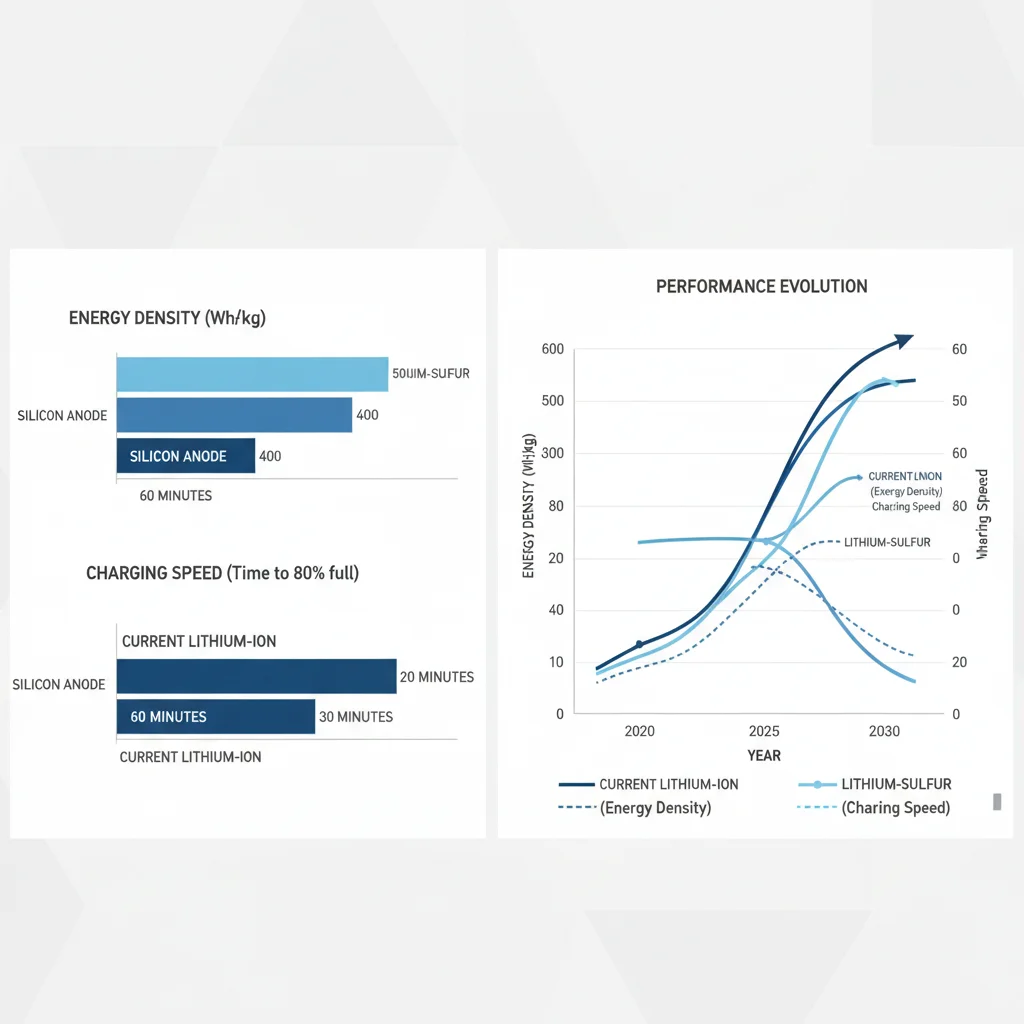
The primary benefit of SSBs for EV range is their superior energy density. Estimates suggest that SSBs could offer a 50% to 100% increase in energy density compared to current lithium-ion batteries. This translates directly into significantly longer driving ranges, potentially pushing EVs beyond 500 miles on a single charge, effectively eliminating range anxiety for most drivers. Imagine a cross-country trip in an EV with fewer, shorter charging stops – that’s the promise of SSBs.
In terms of charging, SSBs are expected to allow for much faster charging rates. The solid electrolyte can often withstand higher currents without degrading, and the absence of liquid components simplifies thermal management during rapid charging. Companies are targeting charging times of 10-15 minutes for an 80% charge, a speed that would truly rival gasoline refueling. This capability, enabled by 2026 EV Battery Advancements in solid-state technology, would be a monumental shift for the US EV charging experience.
Challenges and Commercialization Timeline
Despite their immense potential, solid-state batteries face significant manufacturing challenges. Producing these batteries at scale, with consistent quality and at a competitive cost, is a complex endeavor. Issues like maintaining good contact between the solid electrolyte and electrodes, managing volumetric changes during charging and discharging, and preventing dendrite formation (even with solid electrolytes, though less prone) are still being actively researched.
However, major automakers and battery manufacturers are investing heavily in SSB development. Toyota, QuantumScape, Solid Power, and others are making substantial progress. While mass production for all EV segments might be a few years beyond 2026, initial deployments in high-end or performance EVs are highly probable by then. These early commercializations will pave the way for wider adoption, making solid-state batteries a cornerstone of future 2026 EV Battery Advancements.

Key Technology 2: Silicon Anodes – Boosting Existing Lithium-Ion Performance
The Promise of Silicon
While solid-state batteries represent a radical departure, silicon anodes offer a more evolutionary, yet still revolutionary, path for 2026 EV Battery Advancements. Current lithium-ion batteries predominantly use graphite as the anode material. Silicon, however, has a significantly higher theoretical capacity to store lithium ions – almost ten times that of graphite. This means that by replacing or supplementing graphite with silicon, battery manufacturers can drastically increase the energy density of existing lithium-ion battery architectures without a complete overhaul of the production process.
The appeal of silicon lies in its abundance and its ability to absorb a large number of lithium ions, leading to higher energy density. This direct improvement in energy storage capacity translates directly into extended range for electric vehicles, making a 400-mile EV a more common sight on US roads.
Addressing the Swelling Problem
The main challenge with silicon anodes has historically been their tendency to expand and contract dramatically (up to 400%) during charging and discharging cycles. This volumetric change can lead to mechanical stress, cracking of the anode material, and premature battery degradation. Early silicon anode batteries suffered from poor cycle life, making them impractical for automotive applications.
However, significant breakthroughs have been made in recent years. Researchers have developed various strategies to mitigate this swelling, including using silicon nanoparticles, nanowires, porous silicon structures, and specialized binders. These innovations create space for the silicon to expand without causing structural damage, thereby improving cycle stability and extending battery life. These solutions are key to making silicon anodes a viable component of 2026 EV Battery Advancements.
Impact on EV Performance and Market
Silicon anode technology is expected to be one of the earlier widespread 2026 EV Battery Advancements to hit the market, as it can be integrated into existing lithium-ion battery manufacturing processes with fewer modifications than solid-state batteries. This means a faster path to commercialization and potentially lower costs initially.
Vehicles equipped with silicon-enhanced batteries will see a noticeable increase in range, potentially adding 15-30% more miles per charge compared to traditional graphite-anode batteries of the same size. This incremental but substantial improvement will make EVs more attractive to a broader segment of the US population, especially those who need a bit more range for their daily routines or occasional longer trips. Furthermore, silicon’s properties can also contribute to faster charging by improving the kinetics of lithium ion insertion, complementing the charging speed improvements seen in other areas.
Key Technology 3: Lithium-Sulfur Batteries – The Lightweight, High-Density Contender
Exploring Lithium-Sulfur Chemistry
Lithium-sulfur (Li-S) batteries represent another exciting frontier in 2026 EV Battery Advancements. This technology leverages sulfur as the cathode material, which is abundant, inexpensive, and environmentally friendly. More importantly, sulfur has a very high theoretical specific capacity, meaning it can store a vast amount of energy per unit of mass.
When combined with a lithium metal anode, Li-S batteries boast a theoretical energy density that is significantly higher than that of current lithium-ion batteries, and even potentially higher than some solid-state configurations. This makes them exceptionally attractive for applications where weight is a critical factor, such as electric aircraft, drones, and, of course, long-range electric vehicles.
Advantages in Energy Density and Cost
The primary advantage of Li-S batteries is their unparalleled gravimetric energy density. This means for a given weight, a Li-S battery can store more energy than almost any other chemistry. For EVs, this translates into lighter battery packs, which in turn leads to better vehicle efficiency, increased range, and potentially improved handling. A lighter vehicle requires less energy to move, creating a virtuous cycle of efficiency.
Furthermore, sulfur is a byproduct of the petroleum industry, making it readily available and significantly cheaper than the cobalt and nickel often used in traditional lithium-ion cathodes. This cost advantage could lead to more affordable EVs, broadening their appeal across the US market. The combination of high energy density and lower material costs positions Li-S as a compelling option among 2026 EV Battery Advancements.
Challenges and Future Outlook
Despite their theoretical promise, Li-S batteries face their own set of challenges. The main hurdle is the ‘polysulfide shuttle effect,’ where intermediate sulfur compounds dissolve into the electrolyte and migrate to the anode, leading to irreversible loss of active material and rapid capacity fade. Additionally, the lithium metal anode used in many Li-S designs is prone to dendrite formation, which can cause short circuits and safety concerns.
Researchers are making substantial progress in overcoming these issues through innovative electrolyte formulations, protective layers for the lithium anode, and advanced cathode architectures that trap polysulfides. Companies like Oxis Energy (though facing recent financial challenges) and Lyten are actively pursuing Li-S commercialization. While mass market adoption by 2026 might be ambitious, we could see early deployments in specialized vehicles or as part of hybrid battery systems. The potential for these 2026 EV Battery Advancements to deliver extremely lightweight, long-range EVs is too significant to ignore.
The Impact of 2026 EV Battery Advancements on the US Market
The forthcoming 2026 EV Battery Advancements are not merely technical improvements; they are catalysts for a profound transformation of the US automotive landscape. Their impact will be felt across multiple dimensions, from consumer adoption to infrastructure development and environmental policy.
Accelerated EV Adoption
The most direct impact will be a significant acceleration in EV adoption rates. By addressing range anxiety and charging times – the two most cited reasons for consumer hesitation – these new battery technologies will make EVs a more compelling and practical choice for millions of Americans. A 500-mile range EV that charges in 15 minutes will appeal to suburban commuters, long-haul travelers, and even those in more remote areas where charging infrastructure is less dense.
The increased energy density also means that smaller, more affordable EVs can offer respectable ranges, democratizing access to electric transportation. This will be crucial for reaching broader market segments beyond early adopters and luxury buyers. As battery costs continue to decline due to these innovations and economies of scale, the total cost of ownership for EVs will become even more attractive compared to gasoline cars.
Infrastructure Evolution
While extended range reduces the frequency of charging, ultra-fast charging capabilities will necessitate a robust and reliable high-power charging infrastructure. The US will need to continue investing heavily in Level 3 DC fast chargers capable of delivering the hundreds of kilowatts required by these next-generation batteries. This infrastructure development will need to keep pace with the deployment of vehicles featuring these 2026 EV Battery Advancements.
Furthermore, the grid itself will need to be prepared for increased demand and the ability to handle high-power charging events. Smart grid technologies, energy storage solutions at charging stations, and vehicle-to-grid (V2G) capabilities will become increasingly important to manage this transition smoothly.
Environmental and Economic Benefits
From an environmental perspective, widespread adoption of EVs powered by these advanced batteries will lead to a significant reduction in tailpipe emissions, improving air quality in urban centers and contributing to climate change mitigation goals. The shift away from fossil fuels also enhances energy independence for the US.
Economically, the development and manufacturing of these advanced batteries and EVs will create new jobs and foster innovation within the US. Companies that lead in these 2026 EV Battery Advancements will gain a competitive edge in the global automotive market, reinforcing the US’s position as a leader in technological innovation.
Beyond 2026: The Future of EV Batteries
While our focus has been on 2026 EV Battery Advancements, the pace of innovation will not slow down. Beyond solid-state, silicon anode, and lithium-sulfur batteries, research continues into other promising chemistries and architectures. Lithium-air batteries, fluoride-ion batteries, and various flow battery concepts are all being explored for their long-term potential.
The trend towards modular and easily recyclable battery packs will also gain momentum, improving the sustainability of the entire EV lifecycle. Advances in battery management systems (BMS) will continue to optimize performance, extend battery life, and enhance safety, regardless of the underlying chemistry.
Furthermore, the integration of artificial intelligence and machine learning into battery design and operation will enable even more sophisticated control and predictive maintenance, further enhancing the reliability and efficiency of EV power sources. The goal is not just to create better batteries but to create a holistic energy storage solution that is safe, efficient, sustainable, and seamlessly integrated into our lives.
Conclusion: A Bright Future for EVs in the US
The horizon for electric vehicles in the US is brighter than ever, thanks to the relentless pursuit of better battery technology. The 2026 EV Battery Advancements in solid-state, silicon anode, and lithium-sulfur chemistries are set to dismantle existing barriers to adoption, offering unprecedented range and charging speeds.
These innovations will not only make EVs more practical and appealing but will also drive fundamental shifts in our infrastructure, economy, and environmental footprint. As these technologies mature and become more widely available, we can anticipate a rapid transformation of personal transportation, making electric vehicles the default choice for a sustainable and efficient future. The journey towards a fully electric nation is well underway, and these battery breakthroughs are the powerful engines propelling us forward.