How New 2026 EV Powertrain Innovations Are Delivering 0-60 MPH in Under 3 Seconds for Mainstream Models.
The automotive landscape is undergoing a seismic shift, and at the heart of this transformation lies the relentless pursuit of performance in electric vehicles. For years, blistering acceleration was the exclusive domain of hypercars and high-end sports vehicles. However, with the advent of new 2026 EV powertrain innovations, we are witnessing a democratization of speed, where mainstream electric models are poised to shatter the 3-second barrier for 0-60 mph sprints. This isn’t just about bragging rights; it’s about a fundamental redefinition of what an everyday car can achieve, driven by a confluence of advancements in battery chemistry, motor design, power electronics, and integrated thermal management. The future of driving is here, and it’s electrifyingly fast.
The promise of electric vehicles has always been instant torque and smooth, quiet power delivery. Early EVs demonstrated impressive acceleration, but usually at a premium price point or with compromises in range and practicality. Fast forward to 2026, and the narrative has completely changed. Engineering breakthroughs are now enabling manufacturers to embed supercar-level performance into vehicles designed for the broader market. This article delves deep into the specific EV powertrain innovations that are making this possible, examining the technological pillars that support this unprecedented leap in performance.
From revolutionary battery architectures that can discharge immense power without overheating, to incredibly efficient and compact electric motors, every component of the electric powertrain is being reimagined. The integration of these elements, coupled with sophisticated software control, creates a symphony of power that translates directly into breathtaking acceleration. We’ll explore how these innovations are not only enhancing performance but also contributing to greater efficiency, reliability, and ultimately, making electric vehicles an even more compelling choice for consumers worldwide. Prepare to be amazed by the engineering prowess driving the next generation of electric mobility.
The Core of Speed: Advanced Battery Technology
At the very foundation of an EV’s performance lies its battery pack. Achieving 0-60 mph in under 3 seconds demands an immense and instantaneous surge of electrical energy. Traditional lithium-ion batteries, while effective, often face limitations in their power discharge rates and thermal management under such extreme loads. The 2026 EV powertrain innovations in battery technology are addressing these challenges head-on.
Solid-State Batteries and Beyond
One of the most anticipated breakthroughs is the continued development and eventual commercialization of solid-state batteries. While not yet universally adopted by 2026, significant progress in this area is influencing current battery designs. Solid-state batteries promise higher energy density, faster charging times, and crucially for performance, improved power delivery capabilities and enhanced thermal stability. Even without full solid-state adoption, current lithium-ion variants are seeing substantial improvements. New electrolyte formulations, advanced anode and cathode materials (such as silicon-anode technology), and improved cell designs are allowing for greater power output without compromising longevity or safety. These advancements mean that battery packs can deliver the intense bursts of current required for rapid acceleration more efficiently and consistently.
Thermal Management Systems: The Silent Enabler
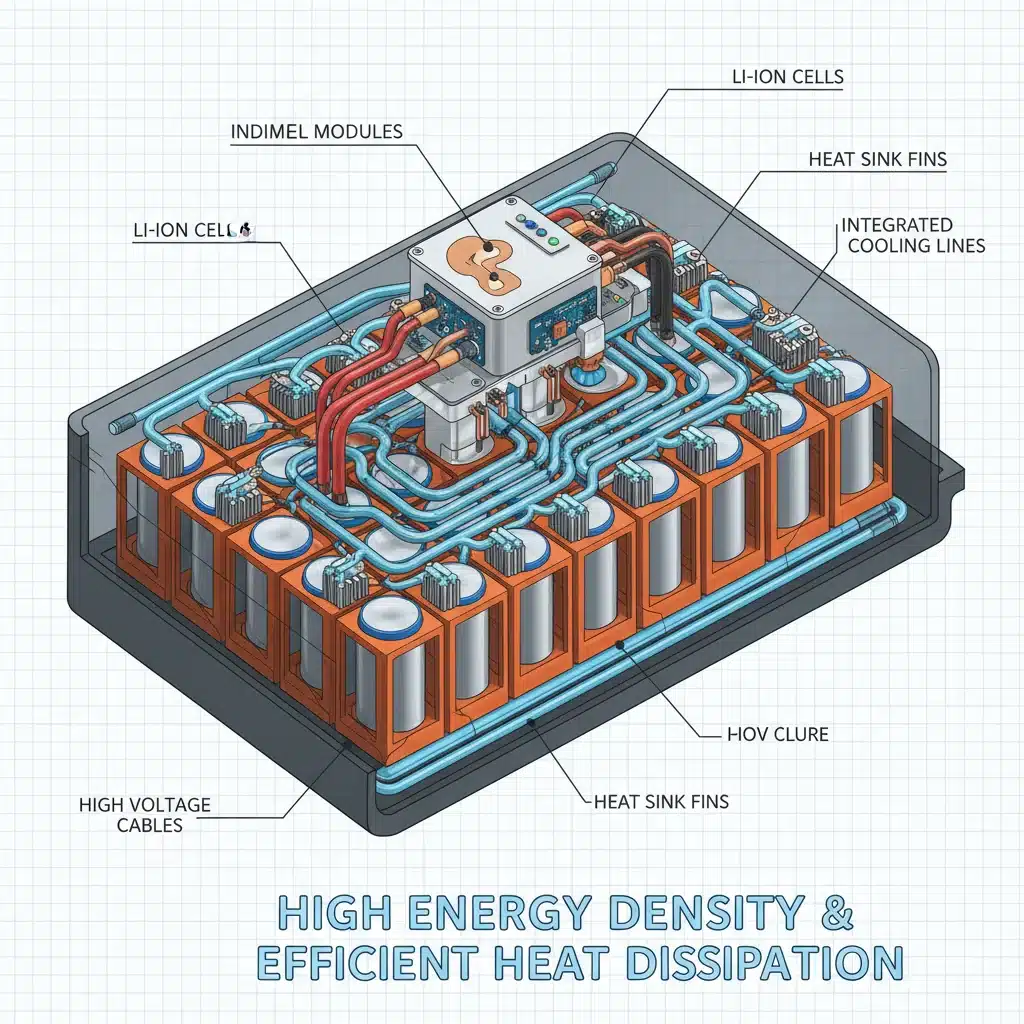
Delivering high power generates significant heat within the battery cells. Unmanaged heat can degrade battery life, reduce efficiency, and even pose safety risks. The EV powertrain innovations of 2026 include highly sophisticated thermal management systems. These systems go beyond simple liquid cooling; they often involve multi-zone cooling, direct refrigerant cooling, and even phase-change materials to precisely regulate the temperature of individual battery modules. By maintaining optimal operating temperatures, these systems ensure that the battery can consistently deliver maximum power output for repeated high-performance demands, such as multiple 0-60 mph runs, without experiencing performance degradation or thermal runaway issues. This intricate dance of cooling and heating is critical for unlocking the full potential of modern EV batteries.
Modular and Structural Battery Packs
Beyond the cells themselves, the architecture of the battery pack is evolving. Structural battery packs, where the battery becomes an integral part of the vehicle’s chassis, offer several advantages. They increase torsional rigidity, improve crash safety, and reduce overall vehicle weight by eliminating redundant structures. A lighter vehicle, of course, requires less energy to accelerate, directly contributing to faster 0-60 mph times. Furthermore, modular battery designs allow for greater flexibility in vehicle platforms and easier scalability, enabling manufacturers to optimize power delivery for specific vehicle segments, including those targeting sub-3 second acceleration.
Powering the Punch: Revolutionary Electric Motor Designs
While the battery provides the energy, it’s the electric motors that convert that energy into mechanical force. The 2026 EV powertrain innovations in motor technology are equally impressive, focusing on maximizing power density, efficiency, and torque delivery.
Axial Flux Motors and Enhanced Radial Flux Designs
For years, radial flux motors have been the standard. However, axial flux motors are gaining traction, especially in high-performance applications. Axial flux motors can offer higher power and torque density in a smaller, lighter package compared to their radial counterparts. This compact design allows for more flexible vehicle packaging and reduced unsprung mass, both beneficial for acceleration. Concurrently, traditional radial flux motors are also seeing significant advancements. New winding techniques, improved magnetic materials (including rare-earth-free alternatives), and advanced cooling strategies are pushing their performance boundaries, allowing them to deliver more power and torque more efficiently.
Multi-Motor Configurations and Torque Vectoring
To achieve truly mind-bending acceleration, many high-performance EVs are adopting multi-motor configurations. Having two, three, or even four electric motors allows for incredible power output and, more importantly, sophisticated torque vectoring. With independent control over each wheel’s power, the vehicle’s onboard computer can precisely distribute torque to maximize traction and optimize cornering performance. For a 0-60 mph sprint, this means virtually eliminating wheel spin and ensuring every ounce of power is translated into forward motion. The software algorithms controlling these multi-motor systems are becoming incredibly advanced, capable of making thousands of adjustments per second to maintain optimal grip and acceleration.
Integrated Drive Units (IDUs)
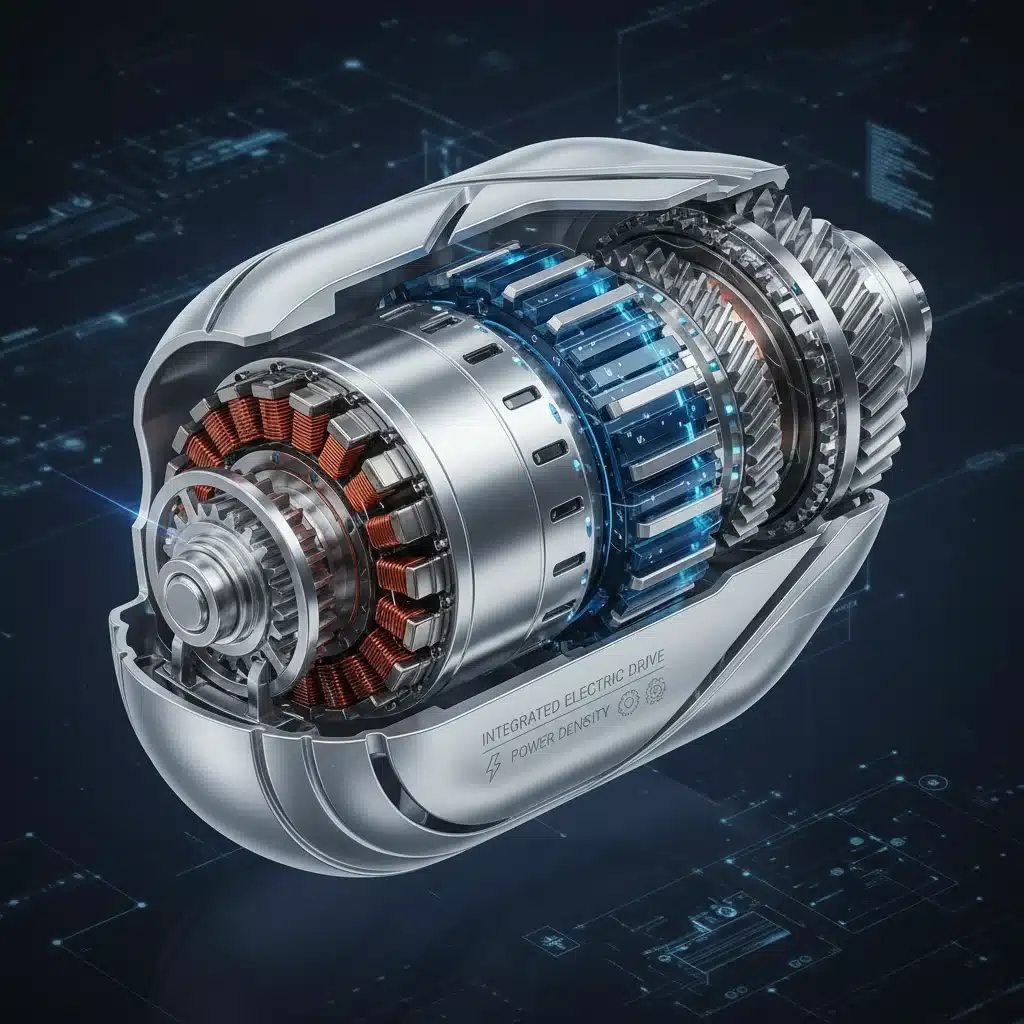
The trend towards integrated drive units (IDUs) is another key EV powertrain innovation. Instead of separate motor, inverter, and gearbox components, IDUs combine these into a single, compact, and often lighter package. This integration reduces complexity, minimizes energy losses between components, and simplifies manufacturing. For performance, a more compact and efficient drive unit means less weight, better packaging, and often, more direct power delivery to the wheels, all contributing to quicker acceleration times. These IDUs are often designed with advanced thermal management systems to handle the immense heat generated during high-power operation.
The Brains Behind the Brawn: Power Electronics and Software
Even with the most advanced batteries and motors, the system wouldn’t achieve its full potential without sophisticated power electronics and intelligent software. These are the unsung heroes of the 2026 EV powertrain innovations.
Silicon Carbide (SiC) Inverters
Inverters are crucial for converting the battery’s direct current (DC) into alternating current (AC) to power the electric motors, and for controlling the motor’s speed and torque. Silicon carbide (SiC) technology is rapidly replacing traditional silicon-based inverters. SiC semiconductors can operate at higher temperatures, switch much faster, and exhibit significantly lower power losses. This translates directly into greater efficiency, reduced heat generation, and the ability to handle higher power outputs from the battery to the motors. For 0-60 mph runs, SiC inverters ensure that power is delivered with minimal waste and maximum responsiveness, allowing the motors to react almost instantaneously to driver input.
Advanced Vehicle Control Units (VCUs) and Software Algorithms
The entire powertrain operates under the command of sophisticated vehicle control units (VCUs) and their accompanying software algorithms. These systems are responsible for orchestrating the power flow from the battery, through the inverters, and to the motors. For sub-3 second 0-60 mph acceleration, the software must precisely manage traction control, torque vectoring, thermal management, and power delivery in real-time. Millisecond adjustments are made to prevent wheel spin, optimize grip, and ensure the vehicle’s stability during extreme acceleration. Machine learning and AI are increasingly being integrated into these VCUs, allowing the vehicle to adapt its performance characteristics based on driving conditions, driver input, and even predictive analytics to optimize launch control and overall acceleration.
High-Voltage Architectures (800V and Beyond)
Many new high-performance EVs are adopting 800-volt (or even higher) electrical architectures, moving beyond the traditional 400-volt systems. This higher voltage allows for lower current draw for the same amount of power, which in turn reduces heat losses in the cables and components, enables faster charging, and allows for more compact and lighter wiring. For performance, an 800V system means the entire powertrain can handle and deliver power more efficiently and with less resistance, directly contributing to the ability to achieve those rapid acceleration times.
Beyond the Powertrain: Holistic Vehicle Optimization
While EV powertrain innovations are central to achieving sub-3 second 0-60 mph times, it’s important to remember that the entire vehicle plays a role. A holistic approach to engineering is crucial for translating raw power into usable speed.
Lightweighting and Aerodynamics
Every kilogram saved contributes to faster acceleration. Manufacturers are increasingly utilizing advanced lightweight materials such as carbon fiber, aluminum alloys, and high-strength steels in chassis construction and body panels. Beyond weight, aerodynamics play a critical role, especially as speeds increase. Active aerodynamic elements – such as adaptive spoilers, diffusers, and air ducts – are becoming more common, reducing drag at high speeds and increasing downforce for improved traction during launch and cornering. The synergy between a powerful powertrain and a lightweight, aerodynamically optimized body is what truly unlocks extreme performance.
Tire Technology
The connection between the vehicle and the road is paramount. Advanced tire compounds and designs are essential for handling the immense torque delivered by modern EV powertrains. Specialized performance tires designed for EVs feature unique tread patterns, stiffer sidewalls, and compounds optimized for grip under high acceleration and braking forces. Without tires capable of transferring power efficiently to the tarmac, even the most powerful EV powertrain would struggle to achieve its full potential.
Suspension and Chassis Tuning
To manage the forces generated during rapid acceleration and ensure stability, sophisticated suspension systems are critical. Adaptive air suspensions, magnetic ride control, and multi-link setups are tuned to minimize squat during launch, maintain optimal tire contact, and provide precise handling. The chassis itself is designed with extreme rigidity to handle the stresses of high performance, often incorporating structural elements that integrate with the battery pack to enhance overall stiffness and safety.
Impact on the Mainstream Market and Future Outlook
The ability of mainstream electric vehicles to achieve 0-60 mph in under 3 seconds represents more than just a technical achievement; it signifies a profound shift in consumer expectations and market dynamics. What was once a niche feature for exotic cars is now becoming an accessible benchmark for a broader range of EVs. This acceleration of performance is fueled by intense competition among automakers, continuous investment in R&D, and the inherent advantages of electric propulsion.
Democratization of Performance
For the average consumer, this means that the thrill of supercar-level acceleration is no longer out of reach. While not every mainstream EV will hit sub-3 second times, the trickle-down effect of these EV powertrain innovations will elevate the performance across the entire segment. Even entry-level and mid-range EVs will benefit from more responsive acceleration, better efficiency, and enhanced driving dynamics due to improved motor efficiency, battery management, and power electronics. This makes electric vehicles even more appealing to a wider audience, challenging the perception that EVs are merely utilitarian modes of transport.
Safety and Control
With great power comes great responsibility, and automakers are acutely aware of the need to manage this extreme performance safely. The same advanced software and control systems that enable rapid acceleration also provide enhanced stability control, advanced driver-assistance systems (ADAS), and robust braking capabilities. Features like advanced traction control, electronic stability programs, and regenerative braking are continually being refined to ensure that these lightning-fast EVs remain safe and controllable in all conditions.
Sustainability and Efficiency
Crucially, these performance gains are not coming at the expense of sustainability. Many of the 2026 EV powertrain innovations, such as SiC inverters and more efficient motor designs, also contribute to overall energy efficiency and extended range. As battery technology improves, the balance between power, range, and cost continues to optimize, making high-performance EVs more viable and environmentally friendly. The goal is not just speed, but sustainable speed.
Challenges and the Road Ahead
While the future looks incredibly bright for high-performance mainstream EVs, several challenges remain. The cost of advanced materials and complex engineering can still be a barrier to widespread adoption. Supply chain issues for critical components, particularly rare earth minerals for some motor designs and battery materials, also need continuous management. Furthermore, the development of robust and ubiquitous charging infrastructure capable of supporting the rapid charging demands of these advanced battery packs is essential.
However, the pace of innovation in the EV space is relentless. Research into new battery chemistries (e.g., sodium-ion, manganese-rich cathodes), even more efficient power electronics, and AI-driven predictive maintenance and performance optimization continues unabated. The synergy between hardware and software will only deepen, leading to even more astonishing capabilities in the years beyond 2026. We can anticipate even faster charging, longer ranges, and a continued blurring of the lines between traditional performance categories and everyday vehicles.
Conclusion: The Dawn of a New Automotive Era
The year 2026 marks a pivotal moment in automotive history, where new EV powertrain innovations are collectively pushing the boundaries of what is possible for mainstream vehicles. The technological convergence of advanced battery chemistry, revolutionary electric motor designs, cutting-edge power electronics, and intelligent software is delivering a driving experience that was once unimaginable outside of exotic sports cars. Sub-3 second 0-60 mph times are no longer a dream but a tangible reality for a growing number of electric models, signifying a new era of accessible, exhilarating, and sustainable performance.
This isn’t merely about raw speed; it’s about the complete package – efficiency, control, and environmental responsibility, all woven into a seamlessly integrated system. As these technologies mature and become even more cost-effective, the impact on the global automotive market will be profound. Consumers will increasingly expect not just efficiency and range, but also a thrilling driving experience from their electric vehicles. The journey towards a fully electrified future is accelerating, and with these incredible EV powertrain innovations, it’s going to be a very exciting ride indeed.