Future of Public Transit: Connected Vehicles by 2026
By 2026, connected vehicles are set to revolutionize US public transit, promising enhanced operational efficiency, improved safety, and a more seamless passenger experience through advanced data exchange and intelligent infrastructure integration.
Have you ever wondered what your daily commute might look like in just a few short years? The landscape of urban travel is on the cusp of a profound transformation, with The Future of Public Transit: How Connected Vehicles Are Transforming US Systems by 2026 rapidly becoming a tangible reality. This isn’t just about new buses or trains; it’s about an interconnected ecosystem designed to make public transportation smarter, safer, and remarkably more efficient for everyone.
The Dawn of Connected Public Transit in the US
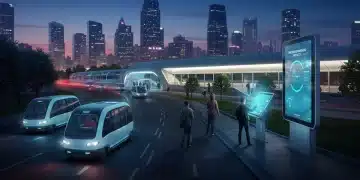
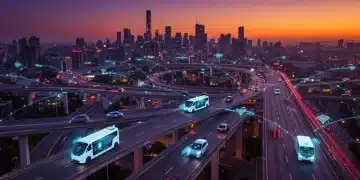
The concept of connected vehicles, often associated with autonomous cars, is now making significant inroads into public transit. By 2026, many US cities will witness a dramatic shift in how their public transportation networks operate, moving toward a highly integrated and intelligent system. This evolution promises to address long-standing challenges such as traffic congestion, scheduling inefficiencies, and passenger safety.
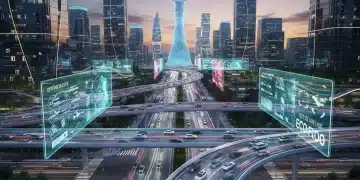
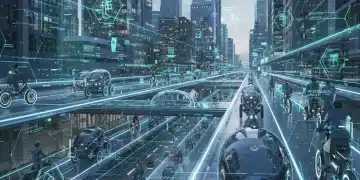
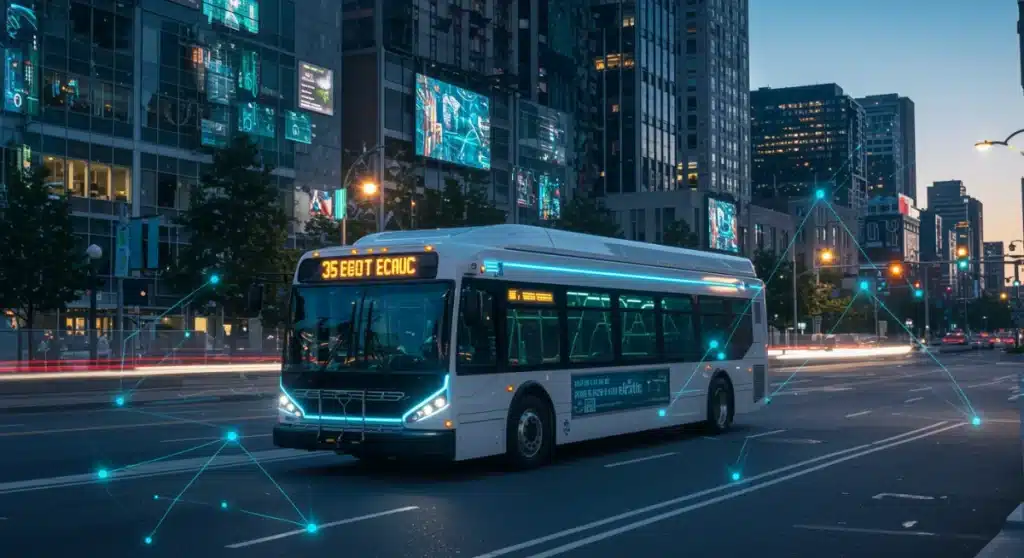
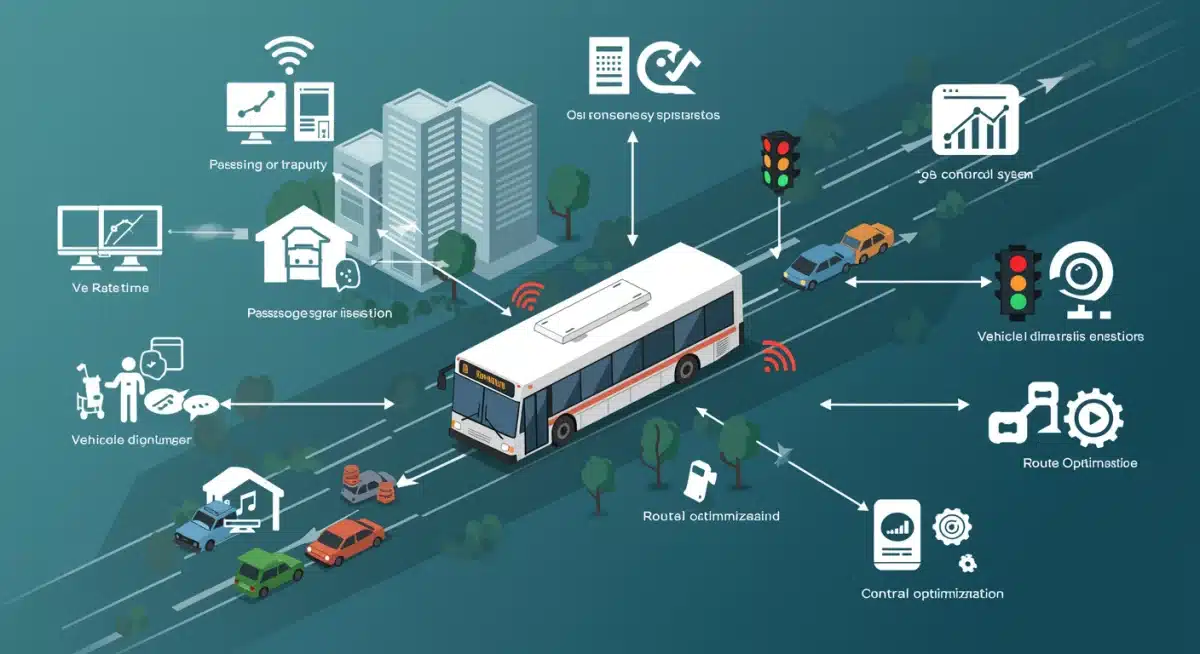
Connected public transit leverages advanced communication technologies, including 5G, V2X (Vehicle-to-Everything), and IoT (Internet of Things) sensors, to enable real-time data exchange between vehicles, infrastructure, and central management systems. This constant flow of information allows for dynamic adjustments and predictive capabilities that were previously unimaginable.
Core Technologies Driving Connectivity
Several foundational technologies underpin the connected transit revolution. These innovations are not working in isolation but rather as a cohesive unit to create a smarter network.
- 5G Networks: Providing the high bandwidth and low latency essential for real-time data transfer.
- V2X Communication: Allowing vehicles to communicate with each other (V2V), infrastructure (V2I), pedestrians (V2P), and the network (V2N).
- IoT Sensors: Embedded in vehicles and infrastructure to collect vast amounts of data on traffic, environmental conditions, and vehicle performance.
- Cloud Computing: Processing and analyzing the immense datasets generated by connected vehicles to derive actionable insights.
The integration of these technologies creates a robust framework for intelligent transportation, paving the way for more responsive and resilient public transit services. This interconnectedness is crucial for optimizing routes, managing traffic flow, and providing passengers with accurate, up-to-the-minute information.
The overall impact of these advancements is expected to be transformative, not only for the operational aspects of transit agencies but also for the daily lives of commuters. A more reliable and efficient public transit system can reduce reliance on private vehicles, leading to decreased emissions and improved urban air quality. Ultimately, the dawn of connected public transit signifies a major step towards sustainable and smart urban environments.
Enhancing Operational Efficiency and Reliability
One of the most immediate and significant benefits of connected vehicles in public transit is the substantial improvement in operational efficiency. Traditional transit systems often struggle with delays, schedule adherence, and inefficient resource allocation. Connected technologies offer solutions to these persistent issues, leading to a more streamlined and reliable service.
Through real-time data from connected buses and trains, transit agencies can monitor vehicle locations, speeds, and passenger loads with unprecedented accuracy. This allows for proactive adjustments to schedules and routes, minimizing disruptions and ensuring a smoother flow of service. For instance, if a bus encounters unexpected traffic, the system can automatically adjust subsequent vehicle timings or even suggest alternative routes.
Real-time Data and Predictive Maintenance
The continuous stream of data from connected vehicles also enables advanced predictive maintenance. Instead of relying on fixed maintenance schedules or reactive repairs after a breakdown, transit agencies can monitor the health of their fleet in real time.
- Engine Diagnostics: Sensors track engine performance, identifying potential issues before they escalate into major failures.
- Tire Pressure Monitoring: Real-time alerts for low tire pressure can prevent blowouts and improve fuel efficiency.
- Brake System Health: Monitoring brake wear allows for timely replacements, enhancing safety and reducing downtime.
- Battery Life Optimization: For electric fleets, connected systems optimize charging schedules and monitor battery degradation.
This shift from reactive to proactive maintenance significantly reduces vehicle downtime, extends the lifespan of transit assets, and lowers operational costs. Furthermore, it ensures that more vehicles are available for service, directly contributing to improved reliability for passengers.
The ability to optimize routes in real-time, considering traffic conditions, road closures, and even special events, means that transit vehicles can navigate urban environments more intelligently. This not only saves time but also reduces fuel consumption for conventional vehicles and optimizes battery usage for electric fleets. Ultimately, connected vehicles are empowering transit agencies to deliver a level of service that is both highly efficient and consistently reliable, reshaping the public’s perception of mass transit.
Boosting Passenger Safety and Security
Safety and security are paramount concerns for public transit users and operators alike. Connected vehicles introduce a suite of innovations designed to significantly enhance both aspects, creating a safer environment for everyone on board and around transit infrastructure. These advancements range from collision avoidance systems to improved surveillance and emergency response capabilities.
Vehicle-to-Vehicle (V2V) communication allows buses and trains to ‘talk’ to each other, warning drivers of potential hazards like sudden braking or lane changes ahead. Similarly, Vehicle-to-Infrastructure (V2I) communication provides real-time information about traffic signals, road conditions, and pedestrian crossings, enabling transit vehicles to anticipate and react to their surroundings more effectively.
Advanced Driver-Assistance Systems (ADAS)
Many connected transit vehicles are being equipped with advanced driver-assistance systems that go beyond traditional safety features. These systems leverage sensors, cameras, and AI to provide active safety interventions.
- Automatic Emergency Braking: Detects imminent collisions and applies brakes autonomously if the driver fails to react.
- Lane Keeping Assist: Helps prevent unintentional lane departures by providing steering assistance or warnings.
- Blind Spot Monitoring: Alerts drivers to vehicles or pedestrians in their blind spots, particularly critical for large transit vehicles.
- Pedestrian and Cyclist Detection: Utilizes sensors to identify vulnerable road users and alert drivers, reducing urban accidents.
Beyond collision prevention, connected systems also bolster security measures. Integrated surveillance cameras with AI-powered analytics can detect unusual activity or potential threats in real time, alerting authorities immediately. Furthermore, direct communication channels between vehicles and emergency services can significantly reduce response times in the event of an incident, whether it’s a medical emergency or a security breach.
The data collected from these systems can also be used for post-incident analysis, providing valuable insights to prevent future occurrences and improve overall safety protocols. By creating a more aware and responsive transit environment, connected vehicles are not just improving travel efficiency but are fundamentally making public transportation a safer choice for millions of Americans.
Seamless Passenger Experience and Information Access
Beyond operational improvements and safety enhancements, connected vehicles are poised to revolutionize the passenger experience in public transit. The availability of real-time information and personalized services will make commuting more predictable, comfortable, and less stressful for riders across the US.
Passengers will benefit from highly accurate, real-time updates on vehicle locations, estimated arrival times, and potential delays, accessible directly through mobile apps or digital displays at stops. This transparency empowers commuters to make informed decisions about their journeys, reducing wait times and improving overall satisfaction. No more guessing when the next bus will arrive; instead, precise, dynamic information will be readily available.
Personalized Services and Onboard Connectivity
The connected environment also opens doors for a range of personalized services and enhanced onboard experiences.
- Dynamic Route Planning: Apps can suggest optimal routes and transfers based on real-time traffic and service availability.
- Occupancy Information: Passengers can view real-time information on how crowded a specific bus or train is, allowing them to choose less crowded options.
- Seamless Ticketing: Integration with mobile payment systems and digital passes for a frictionless boarding process.
- Onboard Wi-Fi and Charging: Providing internet access and charging ports transforms commute time into productive or leisure time.
These features transform the commute from a mere necessity into a more integrated and enjoyable part of the day. The ability to stay connected, access entertainment, or even work while in transit adds significant value to public transportation, making it a more attractive option compared to driving. Moreover, the feedback mechanisms built into connected systems allow passengers to report issues or provide suggestions directly, fostering a sense of community and responsiveness from transit providers.
Ultimately, a seamless passenger experience driven by connected vehicle technology will not only attract new riders but also retain existing ones. By putting information and control directly into the hands of the commuter, public transit becomes a more user-centric service, adapting to individual needs and preferences in ways that were previously impossible. This focus on the passenger is a cornerstone of the future of public transit.
Challenges and the Road Ahead for Implementation
While the benefits of connected public transit are extensive, the path to widespread implementation is not without its challenges. Integrating complex technologies into existing, often aging, infrastructure requires significant investment, careful planning, and overcoming various technical and regulatory hurdles. The transition to a fully connected ecosystem is a multi-faceted endeavor that demands a coordinated effort from multiple stakeholders.
One of the primary challenges is the substantial upfront capital investment required for upgrading vehicles, installing V2I infrastructure, and developing sophisticated software platforms. Securing funding, particularly for smaller transit agencies, can be a major obstacle. Furthermore, ensuring interoperability between different systems and manufacturers is crucial to create a truly seamless and efficient network.
Overcoming Key Hurdles
Addressing these challenges involves strategic planning and collaborative solutions.
- Funding Mechanisms: Exploring federal grants, public-private partnerships, and innovative financing models to support infrastructure upgrades.
- Standardization: Developing common communication protocols and data formats to ensure seamless integration across different vehicle types and systems.
- Cybersecurity: Implementing robust cybersecurity measures to protect sensitive data and prevent unauthorized access to critical transit systems.
- Workforce Training: Investing in training programs for transit staff to manage and maintain the new connected vehicle technologies effectively.
- Public Acceptance: Educating the public about the benefits of connected transit and addressing concerns regarding data privacy and surveillance.
The regulatory landscape also needs to evolve to accommodate these new technologies. Policies related to data ownership, vehicle autonomy, and liability in connected environments will need to be established or updated. Without clear guidelines, widespread adoption could be slowed. Additionally, gaining public trust and ensuring data privacy will be critical for the successful deployment of connected transit systems.
Despite these hurdles, the momentum towards connected public transit is undeniable. Collaboration between government agencies, technology providers, and transit operators will be key to navigating these complexities and realizing the full potential of these transformative technologies. The road ahead requires a sustained commitment to innovation and problem-solving, but the long-term benefits for urban mobility are well worth the effort.
The Economic and Environmental Impact by 2026
The transformation of US public transit through connected vehicles by 2026 is projected to yield significant economic and environmental benefits. Beyond the immediate improvements in efficiency and safety, these advancements will contribute to broader societal goals, fostering sustainable urban development and economic growth. The ripple effects of a smarter transit system extend far beyond the daily commute.
Economically, increased efficiency in public transit can lead to reduced operational costs for agencies, allowing for reinvestment in services or stabilization of fares. Furthermore, a more reliable and expansive transit network can enhance economic productivity by improving access to employment centers and reducing commuter stress. Businesses can benefit from better access to a wider talent pool, and reduced traffic congestion can translate to savings in fuel and time for commercial logistics.
Sustainable Urban Development
Environmentally, the impact of connected public transit is particularly promising. By making public transportation more attractive and efficient, there is a greater likelihood of shifting commuters away from private vehicles, thereby reducing carbon emissions and improving air quality in urban areas.
- Reduced Congestion: Real-time traffic management and optimized routes lessen vehicle idling and stop-and-go traffic, decreasing emissions.
- Increased Ridership: A more appealing transit option encourages greater use, leading to fewer private cars on the road.
- Electric Vehicle Integration: Connected systems optimize the performance and charging of electric buses, maximizing their environmental benefits.
- Resource Optimization: Efficient operation of vehicles and infrastructure reduces overall energy consumption.
The data collected by connected vehicles can also be leveraged for urban planning, helping cities design more sustainable layouts and infrastructure. This includes optimizing the placement of transit hubs, developing pedestrian-friendly zones, and integrating green spaces. The long-term vision is to create cities that are not only more efficient but also more livable and environmentally responsible.
The economic benefits also include the creation of new jobs in technology development, infrastructure maintenance, and data analytics within the transportation sector. As the US moves towards a connected future, these systems will serve as a backbone for smart cities, enabling a host of other intelligent services that contribute to urban resilience and sustainability. The year 2026 marks a critical juncture in this evolution, setting the stage for a truly transformative era in public transit.
| Key Aspect | Brief Description |
|---|---|
| Operational Efficiency | Real-time data for route optimization, predictive maintenance, and improved schedule adherence. |
| Enhanced Safety | V2V/V2I communication and ADAS for collision avoidance and rapid emergency response. |
| Passenger Experience | Real-time information, personalized services, and onboard connectivity for commuters. |
| Economic & Environmental | Reduced costs, increased productivity, lower emissions, and support for sustainable urban growth. |
Frequently Asked Questions About Connected Public Transit
Connected vehicles in public transit are buses, trains, and other transport modes equipped with communication technologies (like 5G, V2X) that allow them to exchange data with each other, infrastructure, and central management systems in real-time. This enables intelligent operation and enhanced service delivery.
By 2026, your commute will be more predictable with real-time updates on arrivals and delays. You’ll experience fewer disruptions due to optimized routes and predictive maintenance, potentially enjoying onboard Wi-Fi and more comfortable travel conditions due to better passenger load management.
Yes, like any networked system, connected public transit faces cybersecurity risks. Transit agencies are implementing robust security protocols, encryption, and continuous monitoring to protect sensitive data and prevent unauthorized access, ensuring the integrity and safety of the systems.
Connected vehicles reduce environmental impact by optimizing routes, minimizing idling, and decreasing traffic congestion, which lowers fuel consumption and emissions. They also facilitate the efficient integration and management of electric transit fleets, further contributing to cleaner air and sustainable urban environments.
5G is crucial for connected public transit because it provides the high bandwidth and ultra-low latency necessary for real-time data exchange. This enables critical applications like V2X communication, instantaneous traffic management, and high-definition video surveillance, ensuring rapid and reliable operation of the entire system.
Conclusion
The journey towards The Future of Public Transit: How Connected Vehicles Are Transforming US Systems by 2026 is well underway, promising a fundamental shift in how urban populations move. This revolution, driven by advanced connectivity and intelligent systems, is not merely an upgrade but a complete reimagining of public transportation. From enhanced operational efficiency and boosted safety to a seamless passenger experience and profound environmental benefits, connected vehicles are laying the groundwork for smarter, more sustainable, and more equitable cities. While challenges remain, the collaborative efforts of technology innovators, government bodies, and transit agencies are steadily propelling the US towards a future where public transit is not just a necessity, but a preferred, highly intelligent, and integrated mode of urban mobility.