5G and Smart Cities: Public Service Transformation 2026
Leveraging 5G for Enhanced Smart City Connectivity: New Opportunities for Public Services Starting January 2026
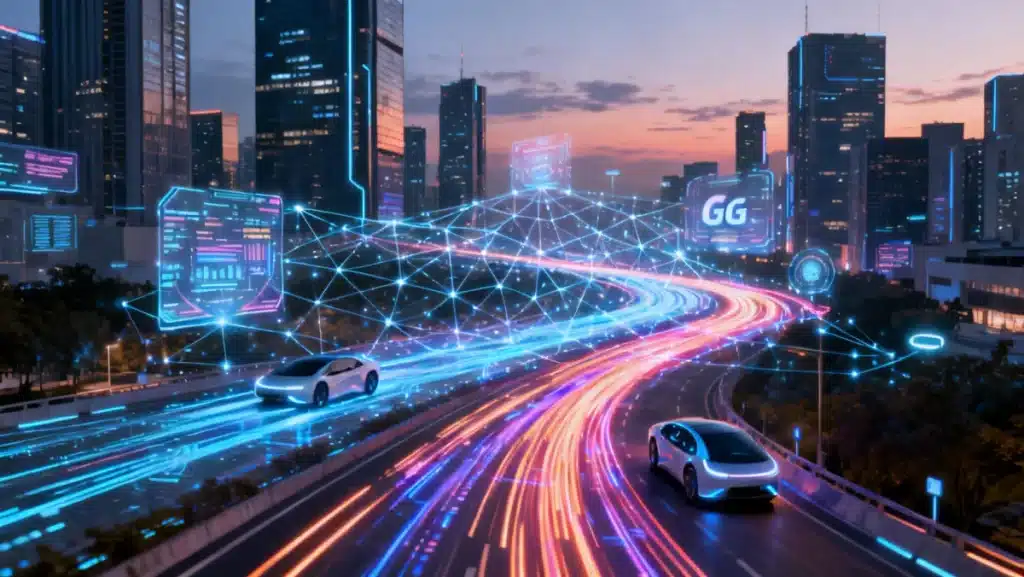
The dawn of a new era in urban development is upon us, marked by the transformative power of 5G technology. As we approach January 2026, the promise of enhanced connectivity is no longer a distant dream but a tangible reality, poised to redefine how our cities function and how public services are delivered. The integration of 5G into smart city initiatives represents a monumental leap forward, offering unprecedented speeds, ultra-low latency, and massive connectivity that will unlock a myriad of new opportunities for public service transformation. This article delves deep into the profound impact of 5G smart city public services, exploring the innovations, challenges, and the exciting future that awaits urban dwellers.
The Foundation of Transformation: What 5G Brings to Smart Cities
At its core, 5G is more than just a faster mobile network; it is a foundational technology that enables a paradigm shift in how we conceive and manage urban environments. Its key characteristics – enhanced mobile broadband (eMBB), ultra-reliable low-latency communications (URLLC), and massive machine-type communications (mMTC) – are perfectly suited to the demands of smart city infrastructure. These capabilities allow for the seamless integration of countless devices, real-time data processing, and instantaneous communication, all of which are critical for effective public service delivery.
Enhanced Mobile Broadband (eMBB) for Public Access and Data Flow
eMBB provides significantly higher bandwidth and speed compared to previous generations, enabling rapid data transfer and high-quality multimedia experiences. For public services, this means faster access to critical information for emergency responders, seamless streaming of surveillance footage for public safety, and ubiquitous, high-speed internet access for citizens in public spaces. Imagine public transportation equipped with reliable, high-speed Wi-Fi, or public libraries offering unparalleled digital resources, all powered by the robust backbone of 5G. This enhanced connectivity fosters greater digital inclusion and empowers citizens with better access to online government services and information.
Ultra-Reliable Low-Latency Communications (URLLC) for Critical Services
URLLC is perhaps the most revolutionary aspect of 5G for smart city public services. Its ability to deliver extremely low latency (down to 1 millisecond) and ultra-high reliability is crucial for mission-critical applications. This includes autonomous public transportation systems, remote healthcare services, and advanced traffic management. For instance, self-driving public transport relies on instantaneous communication between vehicles and infrastructure to ensure safety and efficiency. Similarly, remote surgery or real-time monitoring of patients in ambulances becomes feasible and reliable with URLLC, opening new avenues for healthcare accessibility and emergency response. The precision and responsiveness offered by URLLC are vital for applications where even a fraction of a second delay can have significant consequences.
Massive Machine-Type Communications (mMTC) for IoT Ecosystems
mMTC enables the connection of a vast number of devices simultaneously, making it ideal for the Internet of Things (IoT) ecosystems that underpin smart cities. From smart streetlights and waste bins to environmental sensors and utility meters, mMTC allows for the efficient collection and transmission of data from millions of devices. This massive influx of data provides city administrators with unprecedented insights into urban operations, enabling proactive management and optimized resource allocation. For example, smart waste management systems can signal when bins are full, leading to more efficient collection routes and reduced operational costs. Environmental sensors can monitor air and water quality in real-time, providing valuable data for public health initiatives. The sheer scale of connectivity offered by mMTC is fundamental to building truly intelligent and responsive urban environments, driving the evolution of 5G smart city public services.
Transforming Public Services: Key Areas of Impact
The integration of 5G capabilities across various public service sectors will lead to profound transformations. Let’s explore some of the key areas where 5G smart city public services are set to make a significant difference.
Public Safety and Emergency Response
5G will revolutionize public safety by providing emergency services with unparalleled real-time data and communication capabilities. First responders will have access to high-definition video feeds from drones and body cameras, enabling better situational awareness during emergencies. Real-time analytics powered by AI can process this data to identify threats, predict crowd movements, and optimize response strategies. For instance, in a large-scale event, 5G-enabled surveillance can identify suspicious activities or potential hazards instantly, allowing for immediate intervention. Furthermore, URLLC ensures reliable communication channels for police, fire, and medical teams, even in congested areas or during critical incidents, enhancing coordination and effectiveness.
Smart Transportation and Mobility
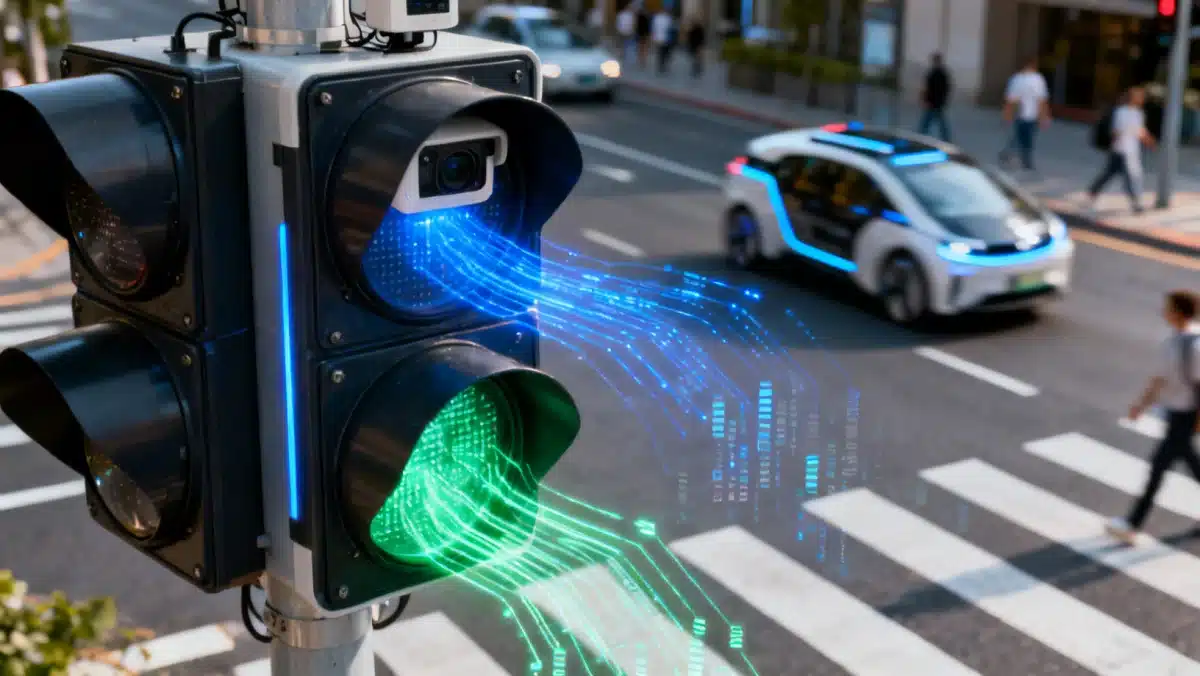
The future of urban mobility is intrinsically linked with 5G. Autonomous vehicles, smart traffic management systems, and intelligent public transport networks will all benefit immensely. 5G’s low latency is critical for Vehicle-to-Everything (V2X) communication, allowing vehicles to communicate with each other, traffic lights, and road infrastructure. This real-time information exchange can significantly reduce traffic congestion, prevent accidents, and optimize travel times. Public transit will become more efficient with real-time tracking, predictive maintenance for buses and trains, and personalized routing information for commuters. Smart parking solutions, guided by 5G-enabled sensors, will direct drivers to available spots, reducing cruising time and emissions. The holistic integration of these systems will lead to smoother, safer, and more sustainable urban transportation, a cornerstone of effective 5G smart city public services.
Environmental Monitoring and Sustainability
Addressing climate change and promoting urban sustainability are critical challenges for cities worldwide. 5G plays a pivotal role in enabling comprehensive environmental monitoring and management. Networks of 5G-connected sensors can continuously collect data on air quality, water levels, noise pollution, and energy consumption. This data, when analyzed with AI, provides actionable insights for city planners to implement targeted interventions. For example, smart irrigation systems can optimize water usage in public parks based on real-time weather data, while smart grid technologies can balance energy demand and supply more efficiently. This focus on data-driven environmental management helps cities achieve their sustainability goals and improve the quality of life for residents, leveraging 5G smart city public services for a greener future.
Healthcare and Social Services
5G will significantly enhance the delivery of healthcare and social services, particularly in areas of remote care and emergency medical response. Telemedicine, already gaining traction, will become even more robust with 5G’s high bandwidth and low latency, allowing for high-quality video consultations and remote diagnostics. Wearable health devices, connected via 5G, can continuously monitor vital signs and alert medical professionals in case of abnormalities, facilitating proactive care for the elderly and chronically ill. In emergencies, ambulances can transmit real-time patient data and high-resolution imaging to hospitals while en route, preparing medical teams for arrival and potentially saving lives. Furthermore, social services can utilize 5G to connect vulnerable populations with resources, offer virtual support groups, and streamline administrative processes, making public services more accessible and responsive.
Smart Utilities and Infrastructure Management
The backbone of any city is its utilities and infrastructure. 5G enables the creation of truly smart utility networks for electricity, water, and gas. Smart meters, connected via mMTC, can provide real-time consumption data, allowing for dynamic pricing and more efficient resource allocation. Early detection of leaks in water pipes or faults in electricity grids becomes possible through 5G-enabled sensors, reducing waste and preventing major outages. Predictive maintenance, powered by AI analyzing sensor data, can identify potential infrastructure failures before they occur, leading to more reliable and cost-effective management of public assets. This proactive approach to infrastructure management is a key benefit of 5G smart city public services.
Challenges and Considerations for Implementation by January 2026
While the opportunities presented by 5G for smart city public services are immense, their successful implementation by January 2026 comes with a set of challenges that need to be carefully addressed.
Infrastructure Deployment and Investment
Building a pervasive 5G network across an entire city requires substantial investment in new infrastructure, including small cells, fiber optic backbones, and edge computing facilities. This is a complex and costly undertaking that demands collaboration between government bodies, telecommunication providers, and private enterprises. Overcoming regulatory hurdles and securing funding will be critical to achieving widespread 5G coverage and ensuring that all areas of the city can benefit from enhanced public services. The scale of this deployment is significant, necessitating strategic planning and phased implementation.
Data Security and Privacy Concerns
The proliferation of 5G-connected devices and the massive amounts of data they generate raise significant concerns about data security and individual privacy. Protecting sensitive citizen data from cyber threats and ensuring compliance with stringent data protection regulations (like GDPR) will be paramount. Robust cybersecurity frameworks, encryption protocols, and transparent data governance policies must be established and continuously updated. Building public trust in how their data is collected, stored, and used is essential for the acceptance and success of 5G smart city public services.
Interoperability and Standardization
Smart cities often involve a diverse ecosystem of technologies, vendors, and platforms. Ensuring seamless interoperability between different 5G-enabled devices, applications, and public service systems is a major challenge. The lack of universal standards can lead to fragmented solutions and hinder the overall efficiency of the smart city. Collaborative efforts to establish open standards and protocols are crucial to foster a cohesive and integrated urban environment. This includes standardizing data formats, communication interfaces, and security measures to ensure that various components of the smart city can communicate effectively.
Digital Divide and Equity
As cities embrace 5G technology, there is a risk of exacerbating the digital divide if access is not equitable across all segments of the population. Ensuring that all citizens, regardless of their socioeconomic status or geographic location within the city, have access to 5G-enabled public services is vital. This requires proactive policies to bridge the gap, such as providing affordable access, digital literacy programs, and strategically deploying infrastructure in underserved areas. A truly smart city is an inclusive city, where the benefits of advanced technology are accessible to everyone, ensuring that 5G smart city public services uplift all residents.
Workforce Development and Training
The successful deployment and management of 5G smart city public services require a skilled workforce. City administrations and public service providers need to invest in training programs to equip their employees with the necessary technical expertise to operate and maintain these advanced systems. This includes knowledge in areas such as network management, data analytics, cybersecurity, and IoT device management. Without a competent workforce, the full potential of 5G cannot be realized, highlighting the importance of human capital development in this technological transition.
The Road Ahead: January 2026 and Beyond
As we look towards January 2026, the trajectory for 5G smart city public services is clear: one of rapid innovation and profound transformation. Early adopter cities are already demonstrating the immense potential, and as the technology matures and becomes more widespread, its impact will only deepen. The coming years will see an acceleration in the deployment of 5G infrastructure, leading to a richer ecosystem of smart applications and services.
The Role of Artificial Intelligence and Edge Computing
The power of 5G is amplified when combined with other emerging technologies, particularly Artificial Intelligence (AI) and Edge Computing. AI will be crucial for processing the vast amounts of data generated by 5G networks, extracting meaningful insights, and enabling predictive capabilities for public services. Edge computing, which brings computation and data storage closer to the source of data, will further reduce latency and enhance the responsiveness of critical applications. This synergy will create truly intelligent public services that can anticipate needs, optimize operations, and deliver highly personalized experiences for citizens. For example, AI-powered predictive maintenance for public infrastructure, running on edge devices, can prevent failures before they occur, ensuring uninterrupted service delivery.
Citizen Engagement and Co-creation
The success of 5G smart city public services will also depend heavily on citizen engagement and co-creation. Cities must involve their residents in the design and deployment of new services, ensuring that these innovations meet actual needs and improve daily life. Public feedback loops, pilot programs, and transparent communication will be essential to building trust and fostering a sense of ownership among citizens. By actively involving the community, cities can ensure that technology serves the people, rather than the other way around, leading to more relevant and adopted public services.
Economic Development and Job Creation
The transition to 5G-enabled smart cities will also spur significant economic development and job creation. The deployment of new infrastructure, the development of innovative applications, and the need for specialized skills will create new industries and employment opportunities. Cities that embrace 5G early will likely attract technology companies, researchers, and skilled professionals, leading to a vibrant innovation ecosystem. This economic uplift further reinforces the long-term benefits of investing in advanced connectivity for public services.
Conclusion: A Smarter, More Connected Future
The journey towards a future powered by 5G smart city public services is well underway, with January 2026 serving as a significant milestone. The convergence of high-speed connectivity, low latency, and massive device support offered by 5G is set to transform every facet of urban living, from public safety and transportation to environmental sustainability and healthcare. While challenges related to infrastructure, security, and equity remain, the proactive efforts of governments, industries, and communities can overcome these hurdles.
The vision of a truly intelligent, responsive, and citizen-centric city is within reach. By strategically leveraging 5G technology, cities can create more efficient, sustainable, and inclusive environments for all. The opportunities are boundless, promising a future where public services are not just delivered but are seamlessly integrated into the fabric of daily life, enhancing the well-being and prosperity of urban populations. The era of the 5G smart city public services is here, and its impact will resonate for generations to come.