2026 EV Battery Breakthroughs: 15% Faster Charging for US Drivers
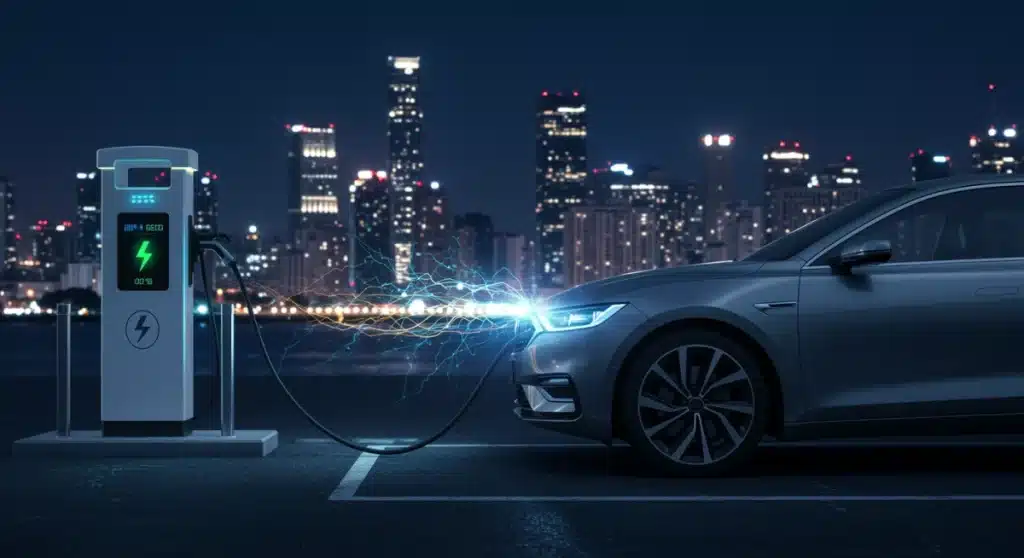
The electric vehicle (EV) revolution is accelerating at an unprecedented pace, and at the heart of this transformation are the relentless advancements in battery technology. For US drivers, the prospect of owning an EV has always been tantalizing, offering environmental benefits, reduced running costs, and a quieter, smoother driving experience. However, lingering concerns about charging times and range anxiety have historically been significant hurdles. Enter the anticipated 2026 EV battery breakthroughs, poised to deliver a game-changing 15% faster charging capability that could redefine the entire EV landscape.
This isn’t just about incremental improvements; it’s about a paradigm shift that promises to make EV ownership more convenient, accessible, and ultimately, more appealing to a broader audience. As we look towards 2026, the innovations emerging from research labs and manufacturing facilities worldwide are set to tackle some of the most persistent challenges, making the dream of an electric future a tangible reality for millions of Americans.
The Current State of EV Batteries: A Foundation for Innovation
Before diving into the exciting future, it’s essential to understand where we stand today. Modern EV batteries, predominantly lithium-ion, have already made significant strides in energy density, longevity, and safety. A typical EV can now achieve ranges of 250-300 miles on a single charge, and public fast chargers can replenish a substantial portion of the battery in 30-60 minutes. While impressive, these figures still present a mental barrier for many, especially when compared to the five-minute refuel of a gasoline car.
Current lithium-ion batteries rely on liquid electrolytes, which, while effective, have certain limitations regarding charging speed and thermal management. Pushing too much current through them too quickly can lead to overheating, degradation, and in extreme cases, safety concerns. This fundamental constraint has driven researchers to explore novel chemistries and architectural designs to overcome these inherent challenges. Understanding these limitations is key to appreciating the significance of the upcoming EV battery breakthroughs.
Challenges Driving Battery Research: Beyond Range Anxiety
- Charging Speed: The most prominent concern. Drivers want to spend less time waiting.
- Energy Density: While improving, higher energy density means lighter batteries and longer ranges.
- Cost: Reducing battery manufacturing costs is crucial for making EVs more affordable.
- Longevity and Degradation: Batteries should last the lifetime of the vehicle without significant capacity loss.
- Safety: Preventing thermal runaway and ensuring robust performance under various conditions.
- Supply Chain and Sustainability: Ethical sourcing of materials and recycling solutions are growing concerns.
These challenges collectively form the impetus behind the intensive research and development efforts worldwide. The 2026 EV battery breakthroughs are not just about a single innovation but a culmination of solutions addressing these multifaceted issues.
Unpacking the 15% Faster Charging Breakthroughs: What’s Under the Hood?
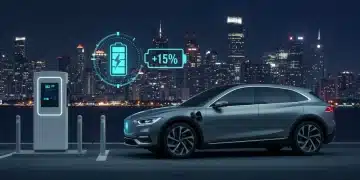
A 15% improvement in charging speed might sound modest on paper, but in the real world, it translates to significant time savings and enhanced convenience. Imagine reducing a 30-minute charge to 25.5 minutes, or a 45-minute charge to under 39 minutes. These gains, compounded across millions of EV owners, have a profound impact on user experience and infrastructure utilization. This faster charging is being achieved through several concurrent advancements, rather than a singular discovery.
Solid-State Batteries: The Holy Grail of EV Power
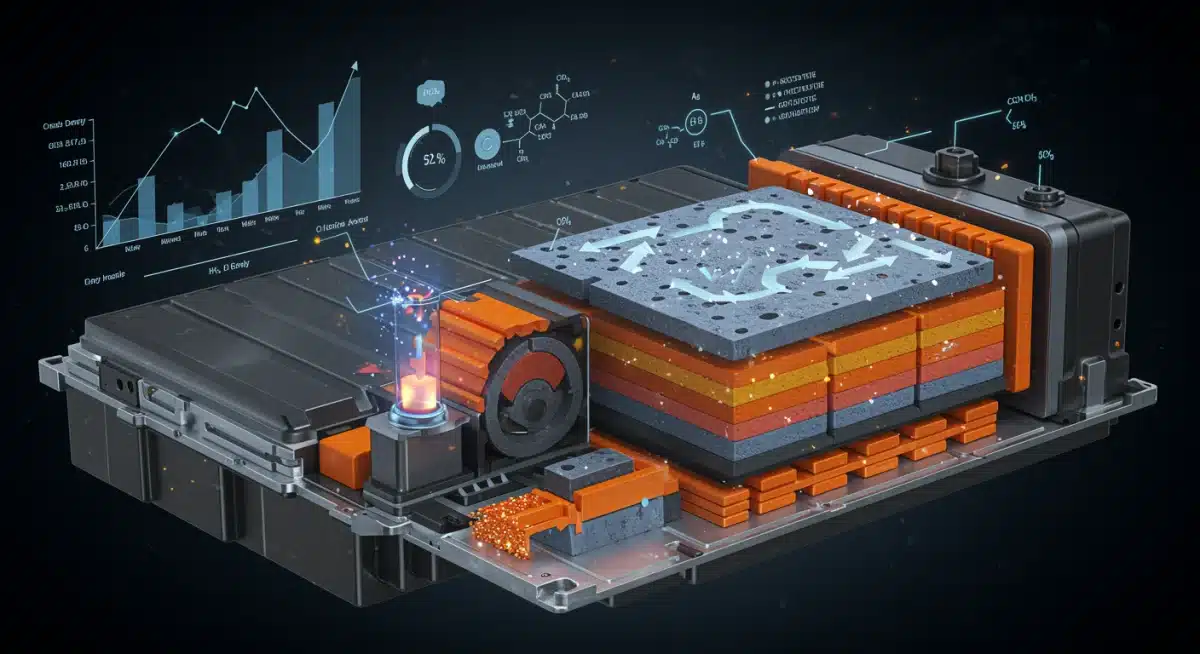
One of the most talked-about advancements contributing to EV battery breakthroughs is solid-state battery technology. Unlike traditional lithium-ion batteries that use a liquid electrolyte, solid-state batteries replace this with a solid material. This change offers several advantages:
- Faster Charging: Solid electrolytes can allow for ion movement at much higher rates without the risk of dendrite formation (which can cause short circuits in liquid electrolytes) or significant heat generation. This translates directly to faster charging times.
- Higher Energy Density: Solid-state batteries can pack more energy into a smaller, lighter package, leading to longer ranges or lighter vehicles.
- Improved Safety: Eliminating flammable liquid electrolytes drastically reduces the risk of thermal runaway and fires.
- Longer Lifespan: Reduced degradation mechanisms can lead to a longer overall battery life.
While still facing manufacturing hurdles for mass production, significant progress has been made, and by 2026, we expect to see solid-state technology begin to trickle into higher-end EVs, showcasing its potential for widespread adoption. This is one of the most anticipated 2026 EV battery breakthroughs.
Advanced Anode and Cathode Materials
Beyond solid-state, ongoing research into new anode and cathode materials is also crucial. Silicon anodes, for instance, have a much higher theoretical capacity than traditional graphite anodes, allowing for more energy storage. However, silicon expands and contracts significantly during charging and discharging, which can lead to material degradation. Researchers are developing silicon composite materials and nanostructures that can withstand these stresses, paving the way for higher energy density and faster charging.
Similarly, advancements in cathode materials, such as nickel-rich chemistries and cobalt-free alternatives, are improving energy density, stability, and reducing reliance on ethically problematic materials. These material science innovations are fundamental to achieving the 2026 EV battery breakthroughs.
Enhanced Battery Management Systems (BMS)
Even with better chemistry, an intelligent Battery Management System (BMS) is essential. Modern BMS are becoming incredibly sophisticated, using AI and machine learning to precisely monitor and control every aspect of the battery’s operation. For faster charging, an advanced BMS can:
- Optimize Charging Profiles: Dynamically adjust charging current and voltage based on temperature, state of charge, and cell health to maximize speed without compromising battery life.
- Improve Thermal Management: More effectively cool or heat battery packs to maintain optimal operating temperatures during rapid charging, preventing degradation.
- Predictive Maintenance: Analyze battery data to foresee potential issues and extend battery longevity.
The synergy between hardware advancements (new chemistries) and software intelligence (BMS) is critical for realizing the full potential of these EV battery breakthroughs.
New Charging Architectures and Infrastructure
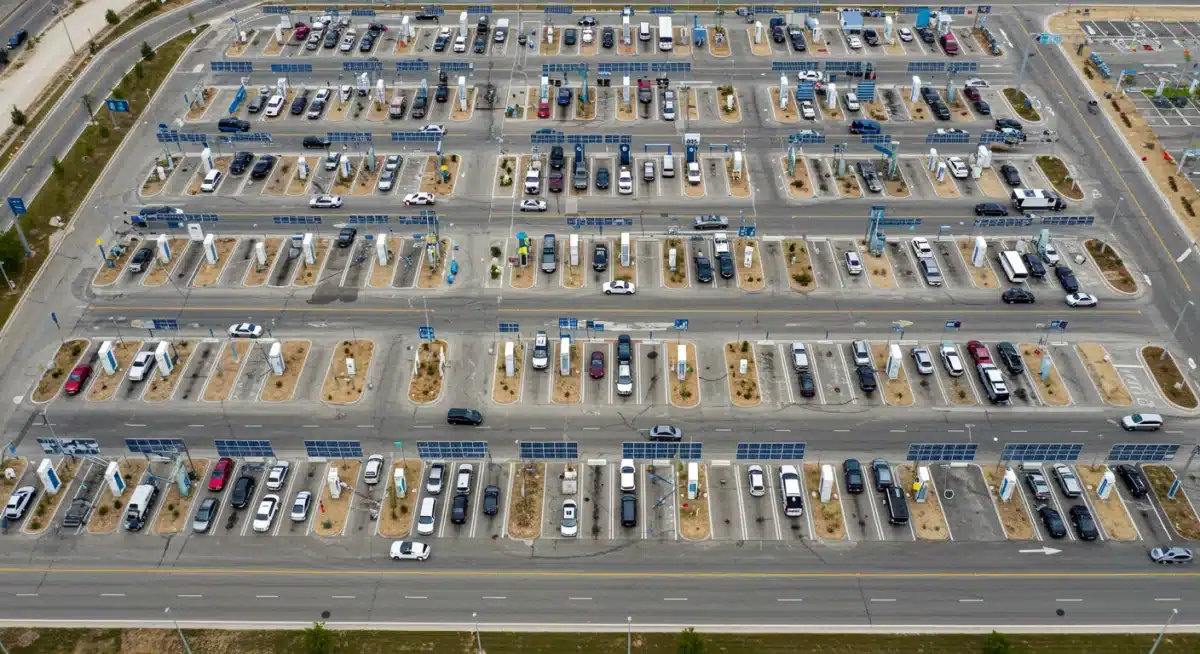
While the focus is on the battery itself, the charging infrastructure also plays a vital role. The 15% faster charging capability will be fully realized with the continued rollout of higher-power DC fast chargers (e.g., 350 kW and beyond). These chargers, combined with vehicles designed to accept such high power, form a complete ecosystem for rapid replenishment. Innovations in charging station design, grid integration, and smart charging networks will ensure that the infrastructure can keep pace with these battery advancements.
The Impact on US Drivers: A New Era of EV Convenience
For US drivers, these 2026 EV battery breakthroughs translate into several tangible benefits that address long-standing concerns and supercharge the appeal of electric vehicles.
Reduced Range Anxiety
Faster charging means that even if a driver experiences unexpected range depletion, a quick stop at a compatible fast charger can provide enough juice to reach their destination or the next charging point with minimal delay. This significantly alleviates the psychological burden of range anxiety, making long-distance travel in an EV more practical and less stressful.
More Efficient Road Trips
Imagine stopping for a coffee or a quick meal, and by the time you’re done, your EV has gained a substantial amount of charge. A 15% reduction in charging time per stop on a long road trip can add up, making the overall journey quicker and more enjoyable. This aligns EV charging stops more closely with typical human comfort breaks, making the transition from gasoline vehicles smoother.
Increased Daily Convenience
For urban and suburban drivers, faster charging means less time tethered to a charger, whether at home (if using Level 2) or at public stations. A quick top-up during a grocery run or while at work becomes even more effective, integrating seamlessly into daily routines. The EV battery breakthroughs directly enhance the daily utility of electric vehicles.
Wider EV Adoption
Ultimately, these improvements will accelerate EV adoption across the United States. As charging becomes faster and more convenient, one of the primary barriers to entry for many consumers will diminish. This will encourage more hesitant buyers to make the switch, contributing to cleaner air, reduced carbon emissions, and greater energy independence.
The market for electric vehicles is expanding rapidly, but the pace of this expansion is heavily influenced by the practicalities of ownership. Faster charging is a cornerstone of this practicality, making EVs a more viable and attractive option for a wider demographic. The 2026 EV battery breakthroughs are not just technological marvels; they are catalysts for market growth.
Beyond Speed: Other Crucial EV Battery Advancements by 2026
While faster charging is a significant highlight, the 2026 EV battery breakthroughs encompass a broader spectrum of improvements that will collectively enhance the EV experience.
Improved Battery Longevity and Durability
New battery chemistries and advanced thermal management systems are designed to extend the useful life of EV batteries. This means vehicles will retain a higher percentage of their original capacity for longer, reducing concerns about battery replacement costs and ensuring strong resale values. Manufacturers are increasingly offering longer warranties on battery packs, reflecting this increased confidence.
Enhanced Safety Features
Safety remains paramount. Alongside solid-state technology, other innovations are being developed to further mitigate risks. These include more robust cell packaging, advanced fire suppression systems, and even self-healing battery components that can isolate damaged cells to prevent propagation. The goal is to make EV batteries not only more efficient but also inherently safer under all operating conditions.
Greater Sustainability and Ethical Sourcing
The environmental impact of battery production, particularly the mining of raw materials like cobalt and lithium, is a growing concern. By 2026, we anticipate significant strides in:
- Cobalt-Free Chemistries: Reducing or eliminating the need for cobalt, often associated with ethical mining issues.
- Improved Recycling Processes: More efficient and cost-effective methods for recycling spent EV batteries, recovering valuable materials for new batteries.
- Local Sourcing: Efforts to establish more localized supply chains for battery materials and manufacturing, reducing transportation emissions and geopolitical risks.
These sustainability efforts will ensure that the environmental benefits of EVs extend beyond just tailpipe emissions, encompassing the entire lifecycle of the vehicle. The EV battery breakthroughs are not just about performance, but also about responsible innovation.
Cost Reduction
As manufacturing processes mature and economies of scale take effect, the cost of EV batteries continues to fall. This trend is expected to continue, making EVs more affordable and competitive with internal combustion engine vehicles. Lower battery costs directly translate to lower vehicle prices, making EVs accessible to a wider market segment. This cost reduction is a silent, yet powerful, component of the 2026 EV battery breakthroughs.
The Role of Infrastructure in Maximizing Breakthroughs
Even with the most advanced batteries, a robust and accessible charging infrastructure is critical. The 15% faster charging capability necessitates chargers that can deliver the power required to achieve these speeds. This means continued investment in:
- High-Power DC Fast Chargers: More 350 kW+ chargers at key locations, particularly along major highways and urban hubs.
- Grid Modernization: Upgrading electrical grids to handle increased demand from EV charging without strain.
- Smart Charging Networks: Systems that can balance demand, utilize renewable energy sources, and optimize charging times for grid stability and cost efficiency.
- Universal Charging Standards: While progress has been made with the North American Charging Standard (NACS), continued harmonization will reduce consumer confusion and improve accessibility.
The synergy between battery technology and charging infrastructure must be strong for US drivers to fully capitalize on the 2026 EV battery breakthroughs. Policy support, private investment, and technological innovation in both areas are interdependent.
Looking Ahead: What Lies Beyond 2026 for EV Batteries?
The pace of innovation in battery technology is relentless. While 2026 promises significant advancements, the horizon beyond holds even more exciting possibilities:
- Lithium-Sulfur Batteries: Offering even higher energy densities than solid-state, though still in early research phases.
- Sodium-Ion Batteries: A potential alternative to lithium, offering lower cost and greater material availability, particularly for less demanding applications.
- Wireless Charging: While already existing for some devices, scaling up efficient and high-power wireless charging for EVs could revolutionize convenience.
- Battery Swapping: An alternative to charging, where depleted batteries are quickly exchanged for fully charged ones, though this presents significant standardization and logistical challenges.
These future technologies underscore that the EV battery breakthroughs we see in 2026 are just stepping stones on a longer, more transformative journey toward a fully electric transportation ecosystem.
Conclusion: The Dawn of a More Convenient Electric Future
The anticipation surrounding the 2026 EV battery breakthroughs, particularly the promise of 15% faster charging, marks a pivotal moment for electric vehicles in the United States. These advancements are not merely technical feats; they are foundational changes that will directly impact the daily lives of US drivers, making EV ownership more practical, less stressful, and ultimately, more desirable.
By addressing core concerns like charging time and range anxiety, coupled with improvements in safety, longevity, and sustainability, the next few years are set to solidify the EV’s position as the dominant form of personal transportation. The collaboration between scientists, engineers, manufacturers, and policymakers will be crucial in realizing the full potential of these innovations, ensuring that the benefits are accessible to all. The future of driving is electric, and thanks to these rapid advancements, it’s about to get a whole lot faster and more convenient.