AI in US Traffic Management: Predictive Analytics for Urban Flow by 2026
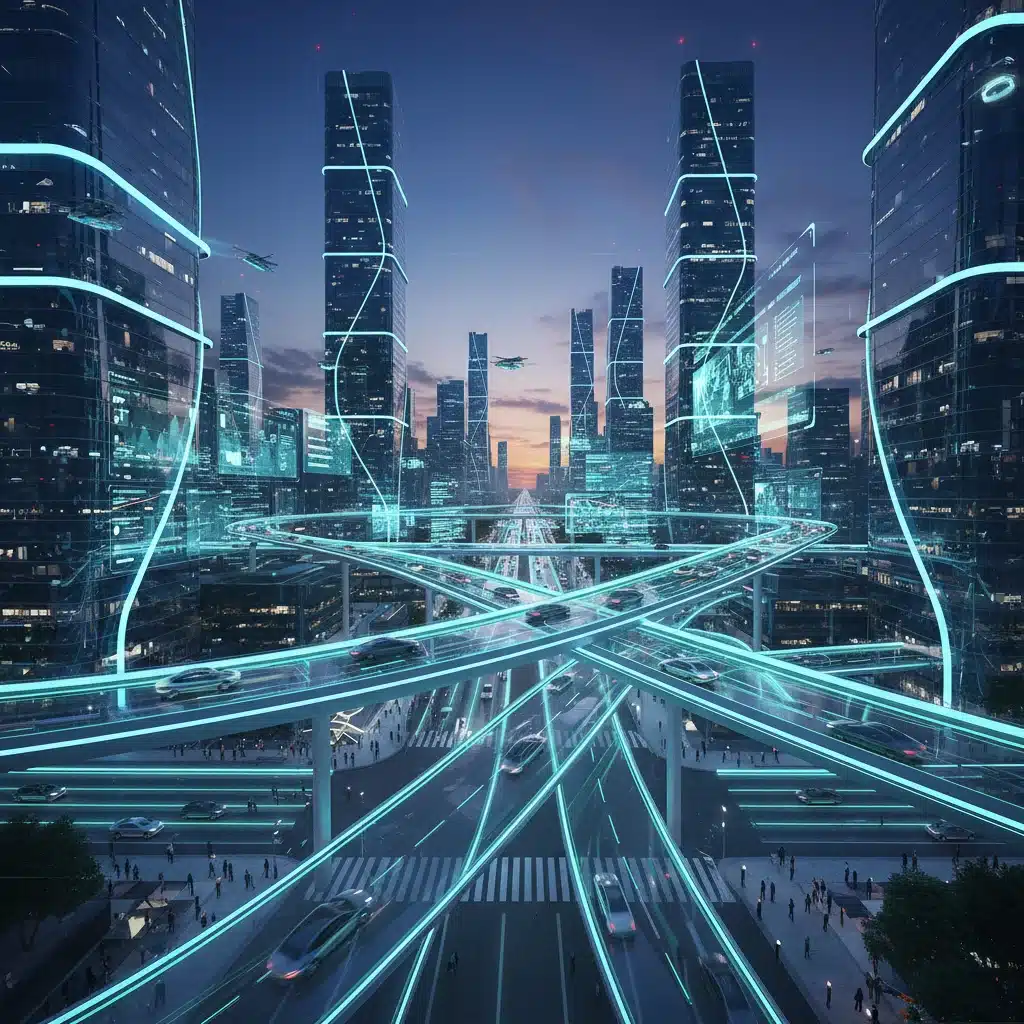
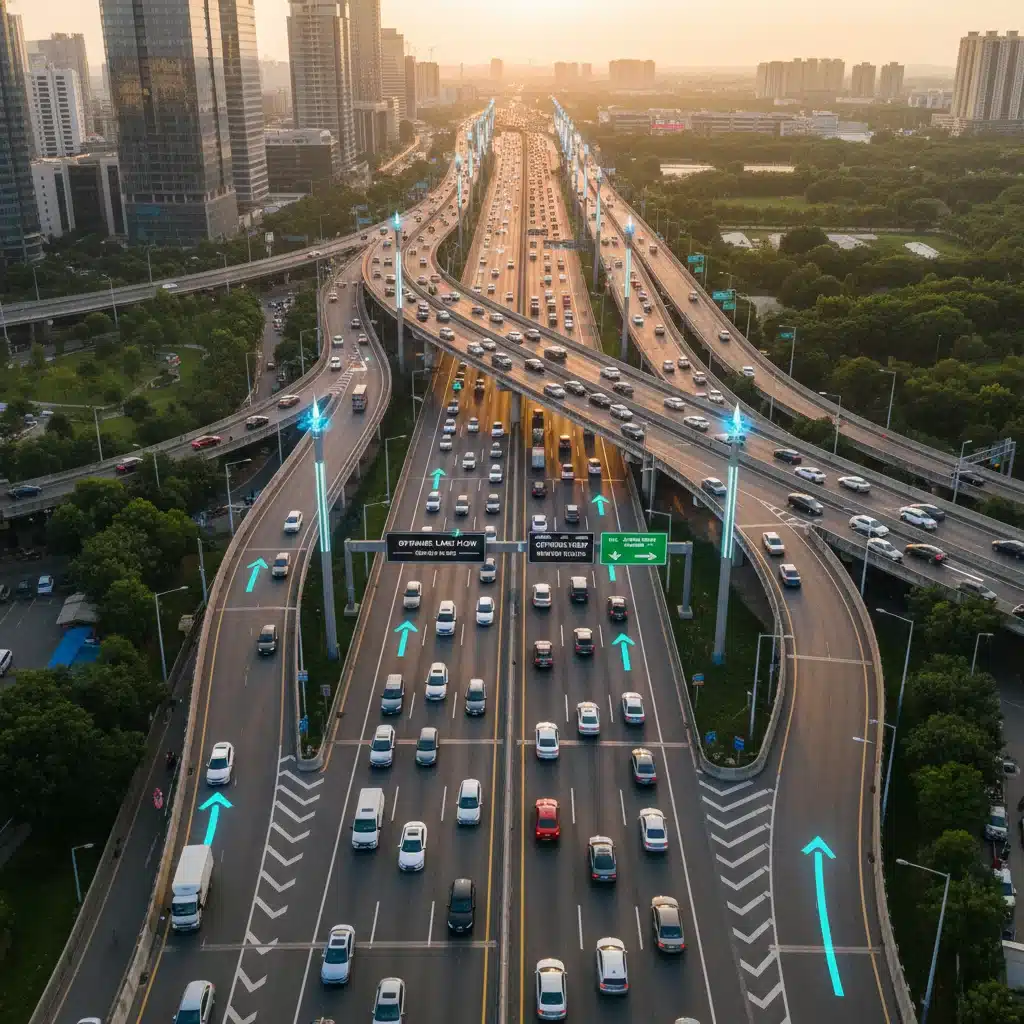
The relentless march of urbanization brings with it a complex web of challenges, not least among them the ever-present specter of traffic congestion. For decades, city planners and transportation authorities have grappled with the monumental task of keeping urban arteries flowing smoothly. Traditional methods, often reactive and based on historical data or fixed timing schemes, are increasingly proving inadequate in the face of burgeoning populations, ride-sharing services, and the sheer unpredictability of daily commutes. However, a new era is dawning, one where artificial intelligence (AI) is not just a buzzword but a transformative force. The role of AI traffic management is rapidly expanding, promising to revolutionize how US cities handle their intricate transportation networks. By 2026, predictive analytics, powered by advanced AI algorithms, is set to become the cornerstone of urban traffic optimization, making commutes smoother, safer, and more sustainable.
The vision of a smart city, where infrastructure communicates and adapts in real-time, is rapidly becoming a reality, and traffic management stands at the forefront of this revolution. AI’s ability to process vast datasets, identify complex patterns, and make informed decisions at lightning speed offers an unprecedented opportunity to move beyond static solutions. This article delves deep into the mechanisms, benefits, challenges, and future outlook of AI-driven traffic management in the United States, exploring how cities are gearing up to implement these groundbreaking technologies to optimize urban flow by 2026.
The Genesis of Smart Traffic: Why AI is Indispensable
For too long, traffic management has been a game of catch-up. Traffic lights operate on predetermined cycles, often oblivious to real-time events like accidents, sudden influxes of vehicles from a sporting event, or even adverse weather conditions. This leads to bottlenecks, increased travel times, higher fuel consumption, and elevated pollution levels. The limitations of traditional systems are stark:
- Lack of Adaptability: Fixed timing plans cannot respond to dynamic changes in traffic volume or unexpected incidents.
- Inefficient Resource Allocation: Emergency services often get caught in traffic, delaying critical response times.
- Environmental Impact: Idling cars contribute significantly to greenhouse gas emissions and air pollution.
- Economic Drain: Congestion costs billions annually in lost productivity and wasted fuel.
- Safety Concerns: Frustrated drivers are more prone to aggressive driving, increasing accident risks.
Enter AI. The core strength of AI traffic management lies in its capacity for real-time data analysis and prediction. AI systems can ingest data from a myriad of sources – road sensors, traffic cameras, GPS data from vehicles, weather forecasts, public transport schedules, and even social media feeds. This deluge of information, far too complex for human operators to process efficiently, becomes the fuel for AI algorithms. Machine learning models, a subset of AI, are trained on this data to recognize patterns, predict future traffic conditions, and recommend optimal strategies for signal timing, lane management, and route guidance.
The transition to AI-powered systems is not merely an upgrade; it’s a paradigm shift. It moves traffic management from a reactive, historical-data-driven approach to a proactive, predictive, and adaptive one. This fundamental change is what makes AI an indispensable tool for modern urban environments striving for efficiency and sustainability.
Predictive Analytics: The Brains Behind AI Traffic Management
At the heart of advanced AI traffic management systems is predictive analytics. This technology uses statistical algorithms and machine learning techniques to identify the likelihood of future outcomes based on historical and real-time data. In the context of traffic, this means forecasting congestion before it happens, predicting the impact of an accident, or anticipating traffic surges during peak hours or special events.
How Predictive Analytics Works:
- Data Collection: Sensors embedded in roads (inductive loops, radar, lidar), CCTV cameras with AI vision, connected vehicles (V2X communication), mobile phone location data, and even weather stations feed continuous streams of information into a central system.
- Data Processing and Integration: Raw data is cleaned, structured, and integrated. AI algorithms can fuse disparate data types to create a comprehensive picture of the traffic landscape.
- Pattern Recognition: Machine learning models analyze historical and real-time data to identify recurring patterns – daily commute trends, weekend traffic variations, impact of holidays, etc.
- Forecasting: Based on learned patterns and current conditions, predictive models forecast traffic volumes, speeds, and congestion levels for specific road segments and intersections minutes, hours, or even days in advance.
- Optimization and Recommendation: Once a prediction is made, AI algorithms can then calculate optimal responses. This might involve adjusting traffic signal timings, suggesting alternative routes to drivers, dynamically changing speed limits, or deploying emergency services more efficiently.
- Adaptive Learning: The system continuously learns from new data and the outcomes of its interventions, refining its predictive capabilities and optimization strategies over time. This continuous feedback loop is crucial for the system’s ongoing improvement and effectiveness.
By leveraging predictive analytics, cities can move from merely responding to traffic problems to actively preventing them. This proactive stance is key to unlocking significant improvements in urban mobility and quality of life.
US Cities Leading the Charge: Case Studies and Pilot Programs
Across the United States, various cities are already embracing or piloting advanced AI traffic management solutions, showcasing the tangible benefits of these technologies. The goal for many is to have robust, city-wide systems operational by 2026.
Los Angeles, California: The Gold Standard for Adaptive Control
LA’s well-known Adaptive Traffic Control System (ATCS) is often cited as one of the most sophisticated in the world. While not purely AI-driven in its earliest iterations, it has been progressively integrating AI and machine learning components. The system uses thousands of sensors and cameras to monitor traffic flow at over 4,500 intersections. AI algorithms are now being deployed to analyze this massive dataset, predict congestion, and dynamically adjust signal timings in real-time across vast areas of the city. This has led to significant reductions in travel times and idling.
Pittsburgh, Pennsylvania: SURTRAC’s Success Story
Developed by Carnegie Mellon University, the ‘Scalable Urban Traffic Control’ (SURTRAC) system is a prime example of localized AI at work. SURTRAC uses AI to optimize signal timings at individual intersections based on real-time traffic demand, rather than a centralized, city-wide approach. Each intersection acts as an intelligent agent, making decisions to minimize vehicle wait times. Pilot programs in Pittsburgh have demonstrated impressive results, including a 25% reduction in travel time and a 40% reduction in idling. This localized intelligence is a powerful component of future AI traffic management strategies.
Atlanta, Georgia: Embracing Predictive Modeling
Atlanta, a city notorious for its traffic, is investing heavily in predictive analytics. By integrating data from various sources, including Waze and other navigation apps, the city aims to use AI to forecast congestion hotspots and proactively reroute traffic or adjust signal timings. Their vision includes a centralized command center where AI-powered dashboards provide real-time insights and recommendations to human operators, enhancing their decision-making capabilities.

Columbus, Ohio: Smart Columbus Initiative
As a winner of the US Department of Transportation’s Smart City Challenge, Columbus has been at the forefront of integrating smart technologies, including advanced AI traffic management. Their initiatives include deploying connected vehicle technology (V2I – Vehicle-to-Infrastructure and V2V – Vehicle-to-Vehicle communication) which feeds real-time data to AI systems. This enables predictive collision warnings, optimized freight movement, and adaptive signal control, all contributing to a safer and more efficient transportation network.
Key Technologies Driving AI Traffic Management by 2026
The advancements in AI traffic management are not solely due to sophisticated algorithms. They are intrinsically linked to the evolution of several underlying technologies that provide the necessary data and infrastructure:
- IoT Sensors and Edge Computing: A vast network of interconnected sensors (cameras, radar, lidar, acoustic sensors) deployed across urban landscapes collects granular traffic data. Edge computing allows for immediate processing of this data at the source, reducing latency and enabling quicker response times for critical traffic adjustments.
- 5G Connectivity: The rollout of 5G networks is critical. Its high bandwidth and low latency enable rapid data transfer between sensors, vehicles, and central AI systems, facilitating real-time decision-making and communication for connected and autonomous vehicles.
- Computer Vision: AI-powered cameras utilize computer vision to detect and classify vehicles, pedestrians, cyclists, and even identify traffic violations or unusual events (like an accident or stalled vehicle) with high accuracy. This data feeds into predictive models.
- Connected and Autonomous Vehicles (CAVs): While fully autonomous vehicles are still evolving, connected vehicles (V2X) are already contributing significantly. They can communicate their speed, location, and intentions to the infrastructure and other vehicles, providing a rich, real-time dataset for AI systems to optimize flow and prevent collisions.
- Digital Twins: Some cities are developing ‘digital twins’ – virtual replicas of their physical infrastructure. These digital twins can simulate traffic scenarios, test AI algorithms in a risk-free environment, and predict the impact of various interventions before they are implemented in the real world.
- Cloud Computing and Big Data Analytics: The immense volume of data generated by traffic systems requires robust cloud infrastructure for storage, processing, and analysis. Big data analytics tools, powered by AI, extract meaningful insights from this data.
The synergy of these technologies creates a powerful ecosystem for intelligent traffic management, paving the way for truly adaptive and responsive urban mobility by 2026.
Benefits of Advanced AI Traffic Management
The implementation of sophisticated AI traffic management systems promises a multitude of benefits for urban populations and economies:
- Reduced Congestion and Travel Times: This is the most immediate and tangible benefit. By optimizing signal timings and route guidance, AI can significantly cut down on time spent in traffic.
- Enhanced Safety: Predictive analytics can anticipate hazardous conditions, warn drivers of potential collisions, and prioritize emergency vehicle routes, leading to fewer accidents and faster response times.
- Lower Emissions and Fuel Consumption: Smoother traffic flow means less idling and stop-and-go driving, directly translating to reduced fuel consumption and a significant decrease in carbon emissions and air pollutants.
- Improved Public Transport Efficiency: AI can prioritize buses and trams at intersections, making public transit a more attractive and reliable option, further reducing private vehicle usage.
- Better Urban Planning: The rich data collected by AI systems provides invaluable insights for urban planners, helping them make more informed decisions about infrastructure development, road design, and public transport expansion.
- Economic Growth: Reduced congestion means goods and services can move more efficiently, boosting local economies and productivity.
- Stress Reduction: For daily commuters, a less stressful and more predictable journey can significantly improve quality of life.
These benefits collectively contribute to the vision of more livable, sustainable, and economically vibrant cities.
Challenges and Considerations for Widespread Adoption by 2026
Despite the immense potential, the path to widespread AI traffic management adoption by 2026 is not without its hurdles. Cities must address several key challenges:
- Data Privacy and Security: Collecting vast amounts of data, including location data from vehicles and facial recognition from cameras, raises significant privacy concerns. Robust security measures and clear ethical guidelines are essential to protect citizen data from misuse or cyberattacks.
- Cost of Implementation: The initial investment in sensors, cameras, 5G infrastructure, AI software, and skilled personnel can be substantial. Securing funding and demonstrating a clear return on investment are crucial for city councils.
- Interoperability and Standardization: Different cities may adopt varying technologies and platforms. Ensuring these systems can communicate and integrate with each other, and with national transportation networks, requires standardization efforts.
- Public Acceptance and Trust: Some residents may be wary of AI monitoring their movements or making critical decisions about traffic flow. Public education and transparent communication about the benefits and safeguards are vital to build trust.
- Talent Gap: Operating and maintaining these sophisticated AI systems requires a highly skilled workforce, including data scientists, AI engineers, and cybersecurity experts. Cities need to invest in training and recruitment.
- Regulatory Frameworks: Existing traffic laws and regulations may not be equipped to handle dynamic, AI-driven interventions. New legal frameworks might be needed to support these technologies.
- System Reliability and Resilience: AI systems must be robust and reliable. What happens if a system fails? Redundancy and fail-safe mechanisms are critical to prevent widespread disruption.
- Equity and Access: Ensuring that the benefits of smart traffic systems are distributed equitably across all neighborhoods, and that certain communities are not disadvantaged, is an important consideration.
Addressing these challenges proactively will be crucial for the successful and ethical deployment of AI traffic management solutions across US cities by 2026.
The Future Outlook: Beyond 2026
Looking beyond 2026, the evolution of AI traffic management promises even more transformative changes:
- Fully Autonomous Traffic Systems: As autonomous vehicles become more prevalent, AI systems will manage entire fleets, coordinating their movements seamlessly to eliminate congestion almost entirely. Vehicles will communicate directly with each other and with the infrastructure, creating a highly efficient network.
- Hyper-Personalized Mobility: AI will offer personalized route suggestions based on individual preferences, real-time conditions, and even personal schedules, integrating various modes of transport (car, public transit, ride-share, micro-mobility).
- Integrated Urban Mobility Platforms: Traffic management will become part of a larger, integrated urban mobility platform that includes smart parking, dynamic pricing for road usage, and on-demand public transport services, all optimized by AI.
- Predictive Maintenance for Infrastructure: AI will not only manage traffic but also monitor the health of roads, bridges, and other infrastructure, predicting maintenance needs before failures occur, further preventing disruptions.
- Enhanced Environmental Monitoring: AI-powered sensors can also monitor air quality and noise levels in real-time, allowing traffic management systems to adjust flow to mitigate environmental impacts in sensitive areas.
The vision is not just about moving cars faster, but about creating holistic urban ecosystems where mobility is fluid, safe, sustainable, and contributes positively to the quality of life for all residents. The foundational work being laid by 2026 in AI traffic management will be the springboard for these even more ambitious future developments.
Conclusion: Paving the Way for Smarter Cities
The advent of artificial intelligence marks a pivotal moment in the history of urban planning and transportation. The integration of AI traffic management, driven by powerful predictive analytics, is set to fundamentally reshape how US cities operate their roads and public spaces. By 2026, we anticipate a significant acceleration in the deployment of these smart systems, leading to tangible improvements in congestion, safety, and environmental sustainability.
While challenges remain in terms of funding, privacy, and public acceptance, the overwhelming benefits of AI in creating more efficient and livable cities are pushing forward this technological revolution. The proactive, adaptive, and intelligent nature of AI allows cities to move beyond reactive problem-solving to anticipatory optimization, creating a future where urban mobility is no longer a source of frustration but a seamless and integrated experience. The journey towards truly smart cities is well underway, with AI leading the charge in paving the way for a more intelligent and sustainable urban future.