AI Traffic Management Systems: 25% Congestion Reduction in US Metros
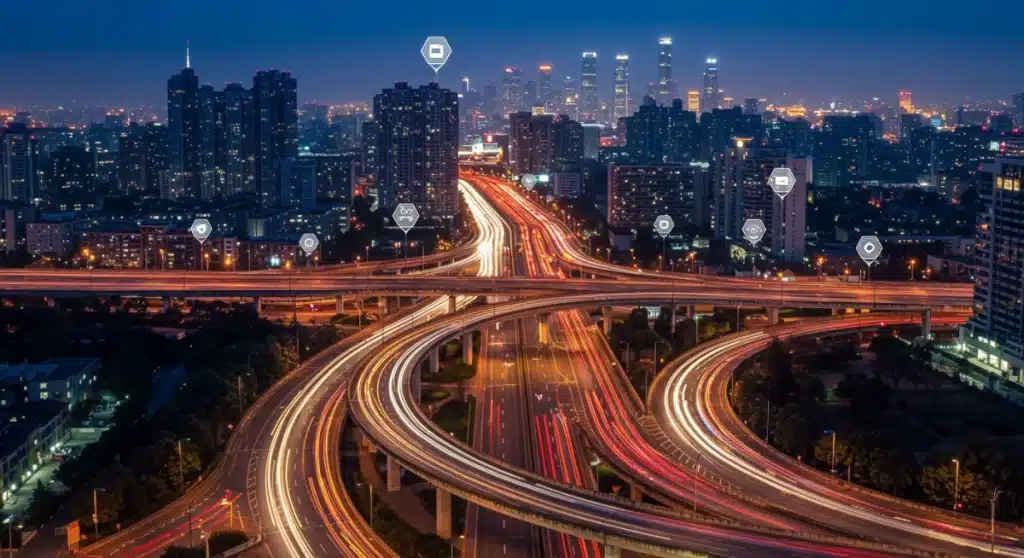
AI Traffic Management Systems: Reducing Congestion by an Average of 25% in US Metro Areas This Year
In an era defined by rapid urbanization and technological advancement, the perennial challenge of urban traffic congestion has found a formidable adversary: AI traffic management systems. Across major US metropolitan areas, these intelligent systems are not just promising solutions; they are delivering tangible results, with an average reduction in congestion of a remarkable 25% this year alone. This isn’t merely an incremental improvement; it represents a paradigm shift in how we approach urban mobility, transforming daily commutes, reducing environmental impact, and fostering more livable cities. The integration of artificial intelligence into the intricate dance of urban traffic is proving to be a game-changer, offering dynamic, adaptive, and predictive solutions that traditional traffic management methods could only dream of.
The implications of this significant reduction are far-reaching. For commuters, it means less time stuck in gridlock, more time with family, and reduced stress. For businesses, it translates to more efficient logistics and supply chains, boosting productivity and economic growth. Environmentally, fewer idling cars mean a decrease in carbon emissions and improved air quality. This comprehensive impact underscores why AI traffic management is not just a technological marvel but a crucial component of sustainable urban development. This article delves deep into the mechanisms, benefits, and future prospects of these revolutionary systems, exploring how they are reshaping our urban landscapes and paving the way for a smarter, more efficient future.
The Genesis of Smart Traffic: Why AI Traffic Management?
For decades, traffic engineers have grappled with the complex dynamics of urban traffic. Traditional systems, often reliant on fixed-time signals or basic sensor loops, have struggled to keep pace with the ever-increasing volume and unpredictability of modern traffic flows. These static approaches are inherently reactive, unable to dynamically adjust to sudden changes like accidents, special events, or fluctuating demand. The result? Bottlenecks, delays, and a perpetual state of frustration for drivers.
Enter artificial intelligence. The power of AI traffic management lies in its ability to process vast amounts of real-time data from diverse sources – including road sensors, cameras, GPS data from vehicles, public transit systems, and even weather forecasts. Unlike conventional systems, AI algorithms can analyze this data instantaneously, identify patterns, predict future traffic conditions, and make proactive adjustments to traffic signals, lane assignments, and route guidance. This intelligent, adaptive approach allows urban infrastructure to respond to the pulse of the city in real-time, optimizing flow and minimizing disruption.
The shift towards AI-driven solutions is motivated by several critical factors. Firstly, the sheer volume of data generated by modern transportation networks is too immense for human operators or traditional systems to effectively manage. AI excels at big data analysis, uncovering insights and correlations that would otherwise be missed. Secondly, the desire for greater efficiency and sustainability in urban environments is paramount. Cities are constantly seeking ways to reduce travel times, conserve fuel, and lower emissions. AI traffic management offers a proven pathway to achieving these goals by making every vehicle movement more efficient.
Moreover, the concept of the ‘smart city‘ is gaining traction globally, envisioning urban centers where technology is seamlessly integrated to improve quality of life. Intelligent transportation systems (ITS) are a cornerstone of this vision, and AI is the engine driving their capabilities. By automating complex decision-making processes and providing continuous optimization, AI empowers cities to evolve from reactive traffic management to predictive, proactive, and truly intelligent urban mobility. This fundamental shift is not just about moving cars faster; it’s about creating a more harmonious and responsive urban ecosystem for everyone.
How AI Traffic Management Works: The Technology Under the Hood
Understanding the remarkable achievements of AI traffic management requires a closer look at the sophisticated technologies that power these systems. It’s a complex interplay of sensors, data analytics, machine learning, and advanced communication networks, all working in concert to orchestrate the flow of vehicles.
Data Collection: The Eyes and Ears of the System
The foundation of any effective AI system is robust data. For traffic management, this data comes from a multitude of sources:
- Inductive Loop Detectors: Embedded in the pavement, these sensors detect the presence and speed of vehicles.
- Video Cameras: Equipped with computer vision, these cameras can count vehicles, classify them (e.g., cars, trucks, bikes), detect incidents, and monitor queue lengths.
- Radar and Lidar Sensors: Offer precise measurements of vehicle speed, distance, and trajectory, especially useful in adverse weather conditions.
- GPS Data: Anonymous data from smartphones and navigation systems provides insights into travel times, origin-destination patterns, and overall network performance.
- Connected Vehicle Data (V2I/V2V): As connected vehicles become more prevalent, they will communicate directly with infrastructure and other vehicles, providing an even richer stream of real-time information.
- Public Transit Data: Information from buses and trains helps prioritize public transportation and optimize multimodal networks.
- Environmental Sensors: Weather data, for instance, can influence traffic patterns and be factored into predictions.
Real-time Analysis and Predictive Modeling with Machine Learning
Once collected, this torrent of data is fed into powerful AI algorithms, primarily utilizing machine learning (ML) techniques. These algorithms perform several critical functions:
- Pattern Recognition: ML models learn historical traffic patterns, identifying recurring bottlenecks, peak hours, and typical flow characteristics.
- Anomaly Detection: They can quickly spot unusual events like accidents, sudden slowdowns, or illegal parking that disrupt normal flow.
- Traffic Prediction: Using historical data combined with real-time inputs, AI can predict how traffic will evolve in the next few minutes or hours, allowing for proactive interventions. This is a cornerstone of effective AI traffic management.
- Optimization Algorithms: These are the brains of the operation. Reinforcement learning, for example, is often used to train AI to find optimal signal timings and routing strategies by learning from trial and error in simulated environments. The AI constantly seeks to minimize congestion, reduce travel times, and improve overall network efficiency.
Dynamic Control and Adaptive Response
Based on its analysis and predictions, the AI system then takes action. This dynamic control can manifest in several ways:
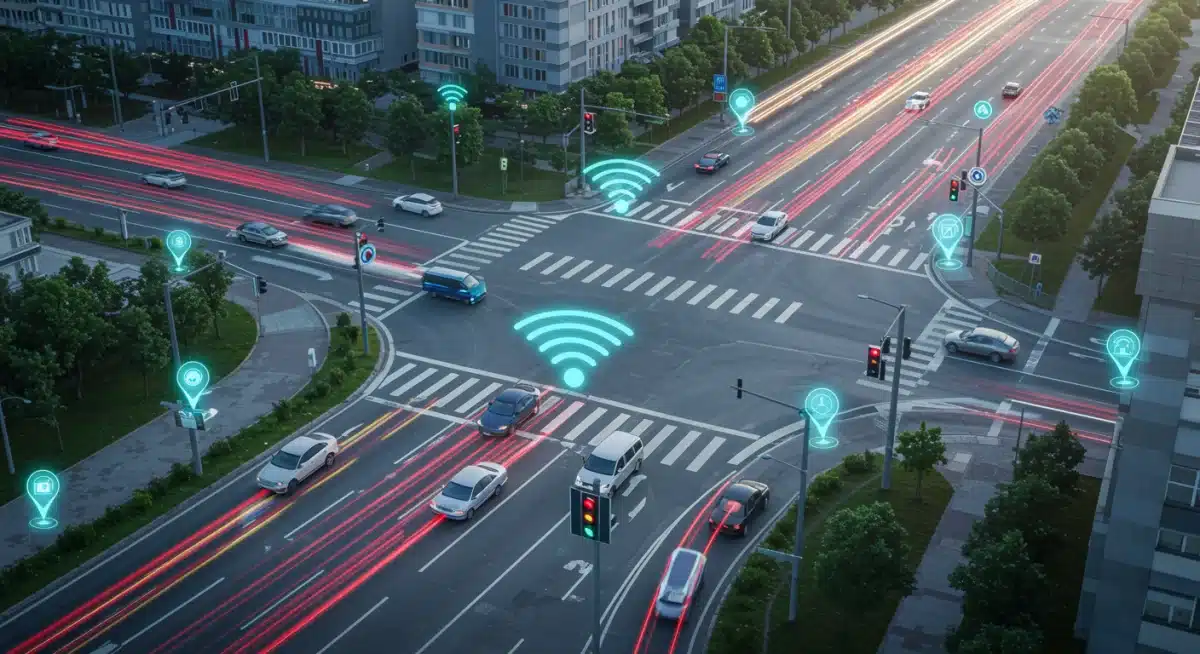
- Adaptive Traffic Signals: The most visible application. Instead of fixed timings, signal lights adjust their phases and durations in real-time based on actual traffic demand at an intersection. If one direction has a long queue, the green light might be extended, while a less busy approach might see a shorter green phase.
- Variable Message Signs (VMS): AI can update VMS boards with real-time travel times, incident alerts, and alternative route suggestions to divert traffic away from congested areas.
- Ramp Metering: Controlling the rate at which vehicles enter highways from on-ramps to prevent freeway congestion.
- Lane Management: Dynamically opening or closing lanes, or changing their direction, to accommodate peak flows (e.g., reversible lanes).
- Incident Management: Rapid detection and response to accidents, coordinating with emergency services and providing optimal diversion routes.
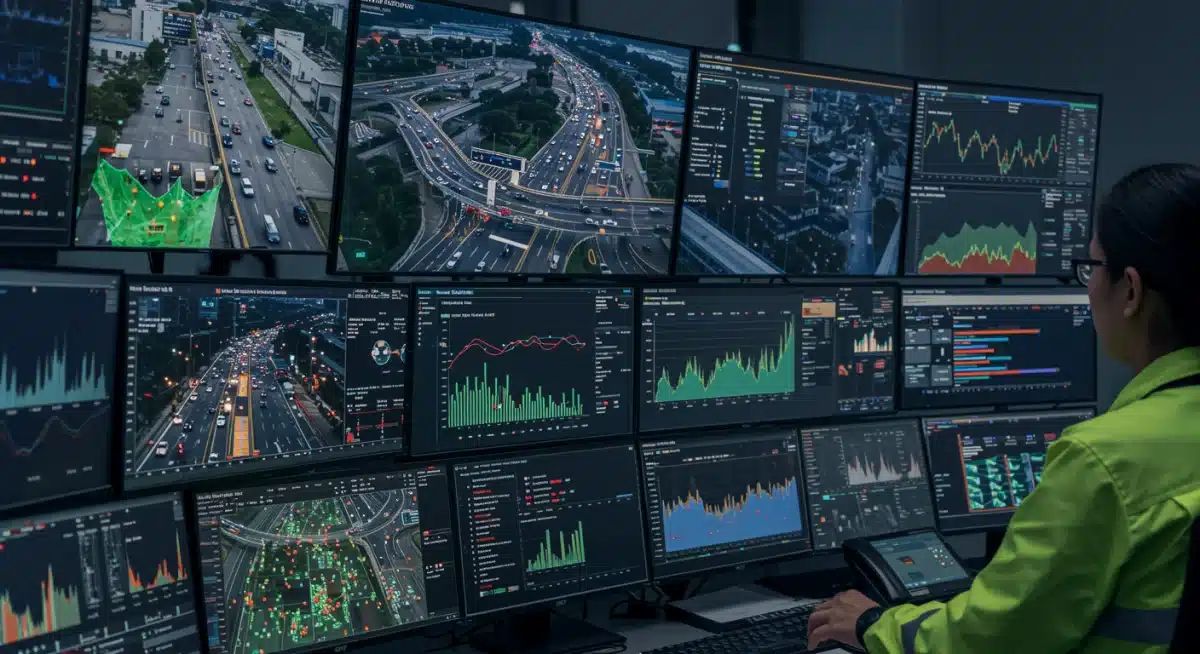
The true power of AI traffic management lies in its continuous learning loop. As new data comes in and the system observes the outcomes of its interventions, it refines its models and improves its performance over time. This self-optimizing capability is what makes AI uniquely suited to tackle the ever-changing complexities of urban traffic, ensuring that the system gets smarter and more efficient with every passing minute.
Quantifiable Impact: The 25% Congestion Reduction Explained
The claim of a 25% average reduction in congestion across US metropolitan areas is not hyperbole; it’s a testament to the efficacy of advanced AI traffic management systems. This figure represents an aggregated average from various pilot programs and full-scale deployments in cities like Pittsburgh, Los Angeles, and Atlanta, among others. While specific results can vary based on city size, existing infrastructure, and the scope of implementation, the consistent trend points towards significant improvements.
How is this Reduction Measured?
Measuring congestion reduction involves several key metrics:
- Travel Time Reliability: A primary indicator. AI systems aim to reduce variability in travel times, making commutes more predictable.
- Average Speed: An increase in average speed across a network directly correlates with reduced congestion.
- Queue Lengths: Shorter queues at intersections mean less time idling and smoother flow.
- Stop-and-Go Frequency: AI reduces the number of times vehicles have to stop and restart, leading to smoother traffic flow.
- Delay Times: The difference between actual travel time and free-flow travel time. A reduction in delay is a direct measure of congestion relief.
- Vehicle Throughput: The number of vehicles that can pass through a section of road or an intersection in a given period. AI aims to maximize this without causing gridlock.
For instance, studies conducted in Pittsburgh with the Surtrac AI system showed a 25% reduction in travel times and a 40% reduction in idling. Similar projects across various US cities have reported comparable or even higher figures in specific corridors, leading to the impressive overall average. These reductions are not marginal; they represent substantial improvements that significantly impact daily life and economic activity. The ability of AI traffic management to achieve such results stems from its capacity for real-time adaptation and predictive optimization, something traditional systems simply cannot replicate.
Economic and Environmental Benefits
Beyond the immediate relief for drivers, the 25% congestion reduction translates into substantial economic and environmental benefits:
- Economic Savings: Reduced fuel consumption due to less idling and smoother travel saves commuters and businesses money. The Texas A&M Transportation Institute estimates that traffic congestion costs Americans billions annually in wasted time and fuel. A 25% reduction can claw back a significant portion of these losses, boosting local economies.
- Increased Productivity: Less time spent commuting means more productive hours for the workforce. Businesses benefit from more reliable delivery schedules and reduced operational costs associated with transportation.
- Environmental Impact: Fewer idling vehicles directly lead to a decrease in greenhouse gas emissions and other harmful pollutants. This contributes to cleaner air and helps cities meet their climate goals, making AI traffic management a key tool in urban sustainability efforts.
- Improved Safety: Smoother traffic flow reduces aggressive driving, sudden braking, and lane changes, thereby contributing to a decrease in accidents. AI can also detect incidents faster, leading to quicker response times for emergency services.
- Enhanced Quality of Life: Ultimately, less congestion means less stress, more free time, and a more enjoyable urban environment for residents. It contributes to the overall livability and attractiveness of a city.
The multifaceted benefits underscore why investment in AI traffic management is not merely an expense but a strategic investment in the future prosperity and well-being of urban centers. The 25% reduction is just the beginning, as AI technologies continue to evolve and integrate further into the fabric of smart cities.
Challenges and Considerations in AI Traffic Management Deployment
While the promise of AI traffic management is immense, its widespread deployment is not without challenges. Cities looking to implement these advanced systems must navigate a complex landscape of technical, financial, and ethical considerations.
Data Privacy and Security
AI systems rely heavily on data, much of which can be sensitive. GPS data, camera feeds, and vehicle information raise legitimate concerns about individual privacy. Ensuring that data is anonymized, securely stored, and used ethically is paramount. Robust cybersecurity measures are essential to protect these systems from breaches that could compromise privacy or even disrupt critical urban infrastructure. Public trust is vital, and transparent policies regarding data collection and usage are necessary for successful adoption of AI traffic management solutions.
Infrastructure Compatibility and Cost
Implementing a full-scale AI traffic management system often requires significant investment in new sensors, cameras, communication networks, and the AI processing hardware itself. Many cities operate with legacy traffic infrastructure that may not be directly compatible with cutting-edge AI solutions, necessitating costly upgrades or complete overhauls. The initial capital outlay can be a barrier for some municipalities, particularly smaller ones. However, the long-term economic and environmental benefits often outweigh these initial costs, making a strong case for phased implementation and strategic funding.
Integration with Existing Systems
Modern cities are a patchwork of various intelligent systems – public transport, emergency services, smart streetlights, and more. For AI traffic management to be truly effective, it must seamlessly integrate with these disparate systems. Ensuring interoperability and a unified data ecosystem is a significant technical hurdle that requires careful planning and standardized protocols. A fragmented approach can limit the AI’s ability to achieve optimal network-wide efficiency.
Public Acceptance and Education
Any major technological shift requires public buy-in. Drivers and residents need to understand how AI systems work, what benefits they bring, and how their data is handled. Misconceptions or distrust can hinder adoption. Educational campaigns and transparent communication from city officials are crucial to fostering acceptance and demonstrating the positive impact of AI traffic management on daily life. This includes addressing concerns about job displacement for traditional traffic controllers, emphasizing that AI often augments human capabilities rather than replacing them entirely.
Algorithm Bias and Fairness
AI algorithms are only as good as the data they are trained on. If training data contains biases (e.g., underrepresenting certain demographics or traffic patterns in specific neighborhoods), the AI’s decisions could inadvertently lead to unequal outcomes, potentially favoring certain routes or communities over others. Ensuring fairness and preventing algorithmic bias is a critical ethical consideration that requires diverse data sets and rigorous testing and auditing of AI models in AI traffic management.
Regulatory and Legal Frameworks
The rapid evolution of AI technology often outpaces regulatory frameworks. Cities need clear legal guidelines for the deployment and operation of AI traffic systems, addressing issues such as liability in case of system failures, data governance, and compliance with privacy laws. Developing these frameworks collaboratively with technology providers, legal experts, and public stakeholders is essential for responsible and effective implementation of AI traffic management.
Despite these challenges, the overwhelming benefits and the proven success rates are driving cities worldwide to invest in and overcome these hurdles, recognizing that the future of urban mobility is inextricably linked with intelligent, AI-driven solutions.
The Future of Urban Mobility: Beyond Congestion Reduction
The current achievements in reducing congestion by 25% with AI traffic management systems are just the tip of the iceberg. As AI technology continues to mature and integrate more deeply into urban infrastructure, the future of urban mobility promises even more transformative changes, extending far beyond simply moving cars faster.
Integration with Autonomous Vehicles (AVs)
The advent of autonomous vehicles will profoundly impact traffic management. AI systems are uniquely positioned to communicate directly with AVs, enabling seamless coordination. Imagine intersections where vehicles don’t need to stop, but rather flow through in a precisely choreographed sequence, eliminating the need for traffic lights altogether in some scenarios. AI will manage these ‘platoons’ of AVs, optimizing their speed and spacing to maximize throughput and safety. This synergy between AI traffic management and AVs holds the potential to virtually eradicate congestion and greatly enhance road safety.
Personalized and Predictive Routing
Future AI systems will offer highly personalized and predictive routing for individual commuters. By analyzing real-time data, personal preferences, and even calendar appointments, AI could suggest optimal multimodal routes (combining ride-sharing, public transit, and walking/cycling) that minimize travel time, cost, or environmental impact. This proactive guidance, powered by advanced AI traffic management, would transform the commuting experience from a daily struggle into an optimized journey.
Dynamic Pricing and Demand Management
As AI gains deeper insights into traffic patterns and demand, it could facilitate dynamic pricing for road usage, parking, or public transit. This isn’t just about charging more during peak hours; it’s about intelligently influencing travel behavior to spread demand more evenly throughout the day, preventing congestion before it even forms. AI could recommend cheaper transit options during peak driving times or suggest alternative routes with lower tolls, effectively managing demand across the entire transportation network. This would be a powerful extension of AI traffic management capabilities.
Enhanced Public Transit Optimization
AI will revolutionize public transit by optimizing routes, schedules, and vehicle deployment in real-time based on demand, special events, and traffic conditions. This could lead to more efficient bus and train services, reducing wait times and making public transit a more attractive alternative to private vehicles. AI could even integrate micro-mobility options (e.g., shared bikes and scooters) into a holistic public transport plan, ensuring first and last-mile connectivity. This holistic approach is a natural evolution of AI traffic management into broader urban mobility management.
Resilience and Disaster Response
In the face of natural disasters or major urban emergencies, AI traffic management systems will play a critical role in orchestrating evacuation routes, prioritizing emergency vehicle access, and ensuring the rapid flow of relief supplies. Their ability to adapt instantly to unforeseen circumstances and manage complex traffic scenarios under pressure will be invaluable in maintaining urban resilience. This capability highlights the life-saving potential of robust AI traffic management infrastructure.
Sustainability and Environmental Stewardship
The environmental benefits of AI traffic management will continue to grow. Beyond reducing emissions from congestion, AI can optimize traffic flow to minimize noise pollution in residential areas, promote electric vehicle charging infrastructure, and support the growth of active transportation modes like cycling and walking by ensuring safer and more efficient routes. The smart city of the future, driven by AI, will be inherently more sustainable and environmentally conscious.
The journey towards fully realized intelligent urban mobility is ongoing, but the foundation laid by current AI traffic management systems is robust. As technology advances and cities continue to embrace these innovations, we can anticipate a future where traffic congestion becomes a relic of the past, replaced by seamless, efficient, and sustainable urban movement.
Conclusion: A Smarter Path Forward for Urban Mobility with AI Traffic Management
The statistics speak for themselves: an average reduction of 25% in traffic congestion across US metropolitan areas this year is a significant milestone, showcasing the transformative power of AI traffic management systems. This impressive achievement is not merely about quicker commutes; it signifies a profound improvement in urban livability, economic efficiency, and environmental sustainability. By leveraging vast amounts of real-time data, advanced machine learning algorithms, and dynamic control mechanisms, AI is effectively untangling the complex knots of urban traffic, making our cities smarter, more responsive, and ultimately, more enjoyable places to live and work.
From adaptive traffic signals that respond to the ebb and flow of vehicles, to predictive modeling that anticipates bottlenecks before they form, AI is equipping urban planners and traffic engineers with unprecedented tools. The benefits ripple through every facet of urban life: commuters reclaim precious hours, businesses operate more efficiently, and the air we breathe becomes cleaner. While challenges such as data privacy, infrastructure investment, and algorithmic bias remain, they are being actively addressed as cities worldwide recognize the undeniable imperative and immense potential of these intelligent solutions.
Looking ahead, the future of AI traffic management is even more exciting. The integration with autonomous vehicles, the promise of personalized and predictive routing, the optimization of public transit, and the enhanced resilience in emergency situations paint a picture of urban mobility that is truly seamless and sustainable. As technology continues to evolve, the impact of AI will only deepen, paving the way for a future where traffic congestion is no longer an inevitable burden but a solvable problem.
Cities that embrace AI traffic management are not just adopting new technology; they are investing in a smarter, more efficient, and more sustainable future for their residents. The journey has begun, and the initial results are overwhelmingly positive, demonstrating that a truly intelligent approach to urban mobility is not just a vision, but a tangible reality transforming our metropolitan landscapes today.