EV Battery Thermal Management: 2026 Innovations for Extended Life
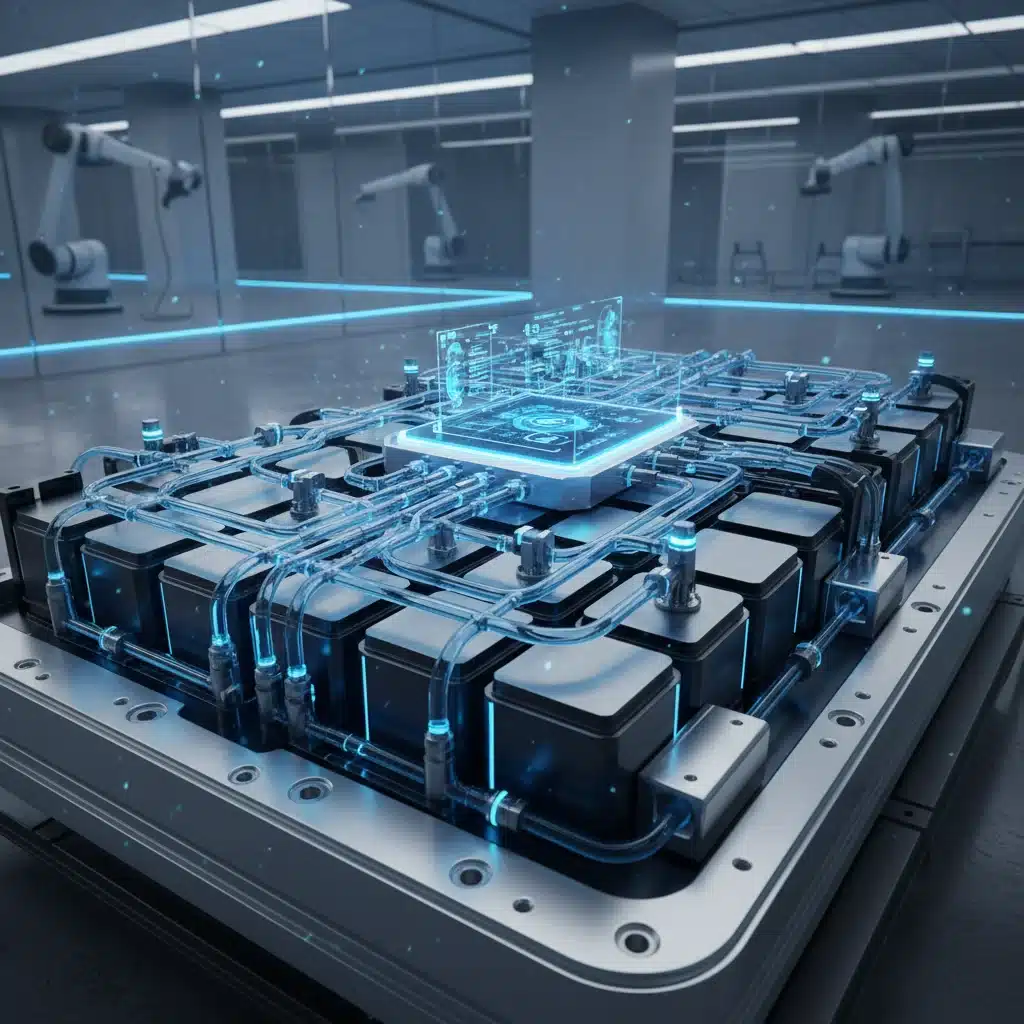
The electric vehicle (EV) revolution is accelerating at an unprecedented pace, driven by a global push towards sustainable transportation and a desire for cleaner air. At the heart of every EV lies its battery pack, a complex and powerful energy storage unit that dictates range, performance, and ultimately, the vehicle’s lifespan. However, the optimal functioning and longevity of these sophisticated battery packs are intrinsically linked to one critical, often overlooked, component: the thermal management system. As we look towards 2026 and beyond, advancements in EV thermal management are not just incremental improvements but fundamental shifts that promise to unlock the full potential of electric mobility.
Understanding the intricate relationship between temperature and battery performance is paramount. Extreme temperatures, whether too hot or too cold, can severely degrade battery health, reduce charging efficiency, and diminish overall vehicle performance. The challenge for engineers and researchers is to create systems that can maintain an ideal operating temperature range for the battery under diverse conditions, from scorching desert heat to freezing Arctic winters, and during demanding activities like fast charging or high-speed driving. The innovations emerging for 2026 are set to address these challenges with greater precision, efficiency, and intelligence than ever before.
This comprehensive exploration will delve into the cutting-edge advancements in EV thermal management systems anticipated by 2026. We will examine the evolution of these systems, the key technologies driving their improvement, and the profound impact these innovations will have on battery life, performance, and the broader EV ecosystem. From advanced cooling fluids to smart predictive algorithms, the future of EV thermal management is poised to redefine what’s possible for electric vehicles.
The Pivotal Role of EV Thermal Management
Before diving into future advancements, it’s crucial to grasp why EV thermal management is so critical. An EV battery, typically a lithium-ion pack, operates most efficiently within a narrow temperature window, usually between 20°C and 40°C. Deviations from this optimal range can lead to several detrimental effects:
- Degradation of Battery Life: Prolonged exposure to high temperatures accelerates chemical reactions within the battery cells, leading to irreversible capacity loss and a shortened lifespan. Conversely, very low temperatures can cause lithium plating during charging, also damaging the battery.
- Reduced Performance: Cold batteries exhibit higher internal resistance, resulting in decreased power output and reduced acceleration. Hot batteries can experience thermal runaway, a dangerous condition where uncontrolled heat generation leads to fire or explosion.
- Impaired Charging Efficiency: Fast charging generates significant heat. Without effective cooling, the battery management system (BMS) will limit charging speed to protect the battery, extending charging times. In cold weather, charging can be painfully slow or even impossible without pre-conditioning.
- Safety Concerns: Thermal runaway is a major safety hazard. Robust thermal management systems are essential to prevent such catastrophic failures.
- Range Anxiety: Inefficient thermal management can lead to inconsistent range, especially in varying climates, contributing to driver anxiety.
Given these critical factors, the continuous innovation in EV thermal management is not merely an option but an absolute necessity for the widespread adoption and long-term success of electric vehicles. The advancements projected for 2026 are designed to tackle these challenges head-on, delivering more reliable, safer, and higher-performing EVs.
Evolution of EV Thermal Management Systems
Early EV thermal management systems were relatively simple, often relying on passive air cooling. However, as battery capacities grew and performance demands increased, more sophisticated active systems became necessary. Today’s EVs typically employ liquid cooling systems, utilizing a coolant circulating through channels within or around the battery pack. These systems often integrate with the vehicle’s HVAC system, allowing for both heating and cooling of the battery.
The journey from rudimentary air cooling to complex liquid systems highlights a continuous quest for greater control and efficiency. The next wave of innovation, leading up to 2026, focuses on integrating multiple technologies, enhancing intelligence, and pushing the boundaries of material science to achieve unprecedented levels of thermal stability.
Key Advancements Anticipated by 2026 in EV Thermal Management
The landscape of EV thermal management is rapidly evolving, with several key areas seeing significant breakthroughs. By 2026, we can expect to see these technologies become more prevalent and refined:
1. Advanced Cooling Fluids and Refrigerants
While traditional water-glycol mixtures are common, research is ongoing into more efficient dielectric fluids and refrigerants. Dielectric fluids, which do not conduct electricity, can be in direct contact with battery cells, offering superior heat transfer capabilities. This direct contact cooling (or immersion cooling) promises more uniform temperature distribution and faster heat dissipation, particularly crucial during rapid charging and high-power discharge cycles. New, environmentally friendly refrigerants with lower global warming potential (GWP) are also being developed to replace current HFC-based options, aligning with sustainability goals.
2. Phase Change Materials (PCMs)
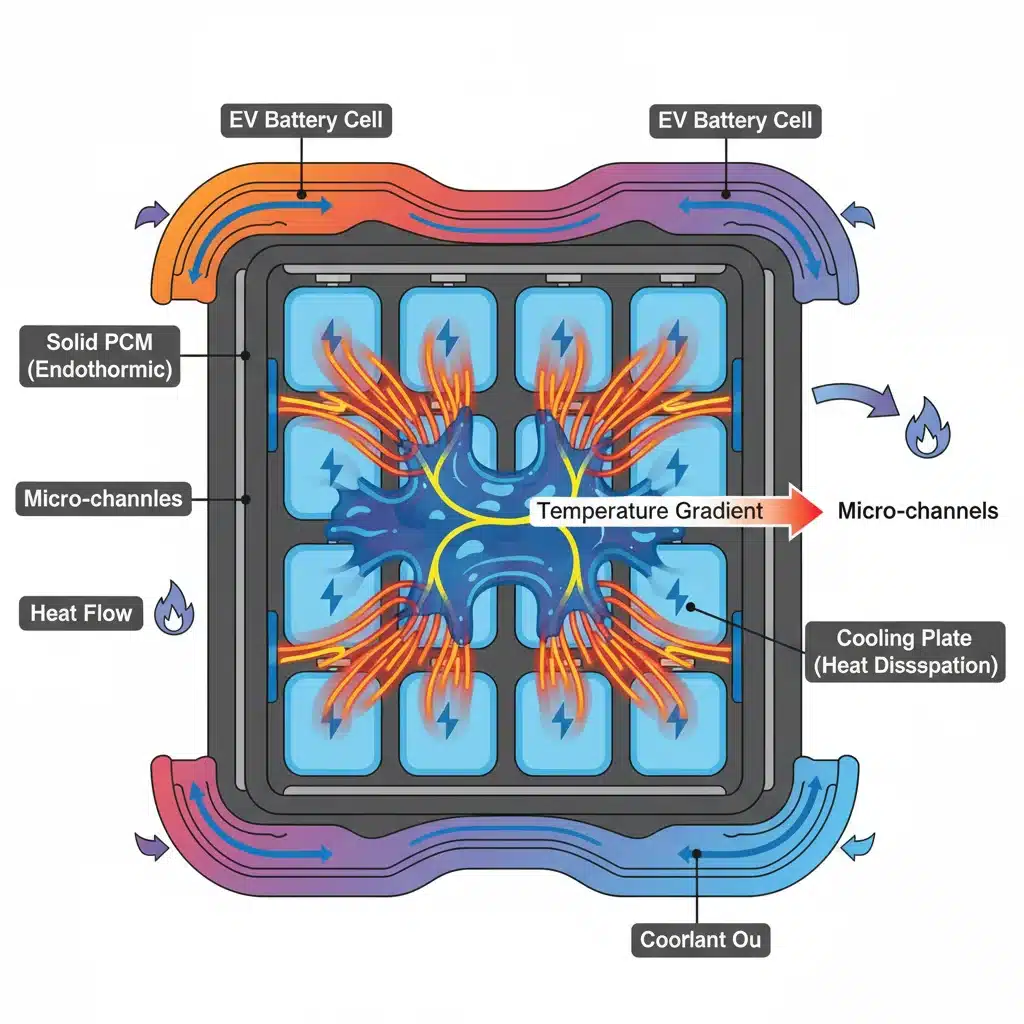
Phase Change Materials (PCMs) are gaining significant traction in EV thermal management. These materials absorb and release large amounts of latent heat when they undergo a phase transition (e.g., from solid to liquid) at a specific temperature. By strategically integrating PCMs around battery cells, they can act as a thermal buffer, absorbing excess heat during peak operations and releasing it when the battery cools. This helps to stabilize battery temperature, preventing hotspots and promoting more uniform temperatures across the pack. By 2026, advanced PCMs with tailored melting points and improved thermal conductivity are expected to be more widely adopted, offering a passive yet highly effective layer of thermal regulation.
3. Integrated and Multi-Zone Thermal Systems
Current EVs often have separate thermal loops for the battery, motor, and cabin. Future systems are moving towards a highly integrated approach, where heat generated by one component (e.g., the motor during regeneration) can be harvested and used to warm another (e.g., the battery in cold weather). This energy recuperation not only improves overall efficiency but also reduces the energy demand on the battery for thermal management. Multi-zone thermal systems will also allow for more precise temperature control within different sections of the battery pack, addressing thermal gradients that can arise due to varying cell conditions or external factors.
4. Artificial Intelligence (AI) and Machine Learning (ML) for Predictive Thermal Management
The advent of AI and ML is set to revolutionize EV thermal management. Instead of reactive cooling, future systems will be predictive. AI algorithms will analyze vast amounts of data, including driving patterns, ambient temperature, charging habits, and even weather forecasts, to anticipate thermal needs. This allows the system to proactively pre-condition the battery to an optimal temperature before a fast-charge session or a demanding drive, maximizing efficiency and minimizing stress on the battery. ML models can also identify potential thermal anomalies or early signs of degradation, enabling preventative maintenance and enhancing safety.
5. Advanced Materials and Manufacturing Techniques
The materials used in heat exchangers, cold plates, and battery casings are continually being optimized. Lightweight, high thermal conductivity materials like advanced composites and aluminum alloys are crucial for improving efficiency and reducing vehicle weight. Additive manufacturing (3D printing) is also playing a role, enabling the creation of highly complex and optimized cooling channels that would be impossible with traditional manufacturing methods. These intricate designs can maximize surface area for heat transfer, leading to more compact and efficient thermal systems.
6. Wireless Battery Management Systems (BMS) with Enhanced Thermal Sensing
Traditional BMS rely on wired connections, which can add complexity and weight. Wireless BMS (wBMS) are emerging, offering simpler assembly, reduced weight, and improved scalability. Crucially, wBMS can integrate a higher density of temperature sensors at the cell level, providing more granular and accurate thermal data. This detailed information allows the thermal management system to pinpoint hot spots and apply localized cooling strategies with greater precision, further extending battery life and enhancing safety.
Impact on Battery Life and Performance
The cumulative effect of these advancements in EV thermal management will be profound, directly addressing some of the most pressing concerns for EV owners and manufacturers:
Extended Battery Lifespan
By maintaining the battery within its optimal temperature window more consistently and precisely, the rate of chemical degradation will be significantly slowed. This means EV batteries will retain a higher percentage of their original capacity for longer, translating into more years of reliable service and a reduction in the need for costly battery replacements. This is a critical factor for total cost of ownership and the sustainability of EVs.
Enhanced Driving Performance and Range Consistency
Optimal battery temperatures ensure that the battery can always deliver its maximum power output when needed, leading to better acceleration and overall driving dynamics. Moreover, consistent thermal conditions across various climates will lead to more predictable range figures, alleviating range anxiety and making EVs a more viable option for a wider range of users.
Faster and Safer Charging
One of the biggest hurdles for widespread EV adoption is charging time. Advanced thermal management, particularly with direct contact cooling and predictive pre-conditioning, will enable significantly faster charging rates without compromising battery health. The ability to quickly dissipate the heat generated during rapid charging means less throttling of charging speeds, getting drivers back on the road sooner. Furthermore, improved thermal control inherently enhances safety by reducing the risk of thermal runaway during charging or discharge.
Improved Energy Efficiency
Integrated thermal systems that recycle waste heat and AI-driven predictive control will minimize the energy consumed by the thermal management system itself. This means more of the battery’s stored energy can be used for propulsion, directly translating into increased driving range and overall vehicle efficiency. Reducing parasitic losses from cooling and heating systems is a key area of focus for efficiency gains.
Challenges and Future Outlook
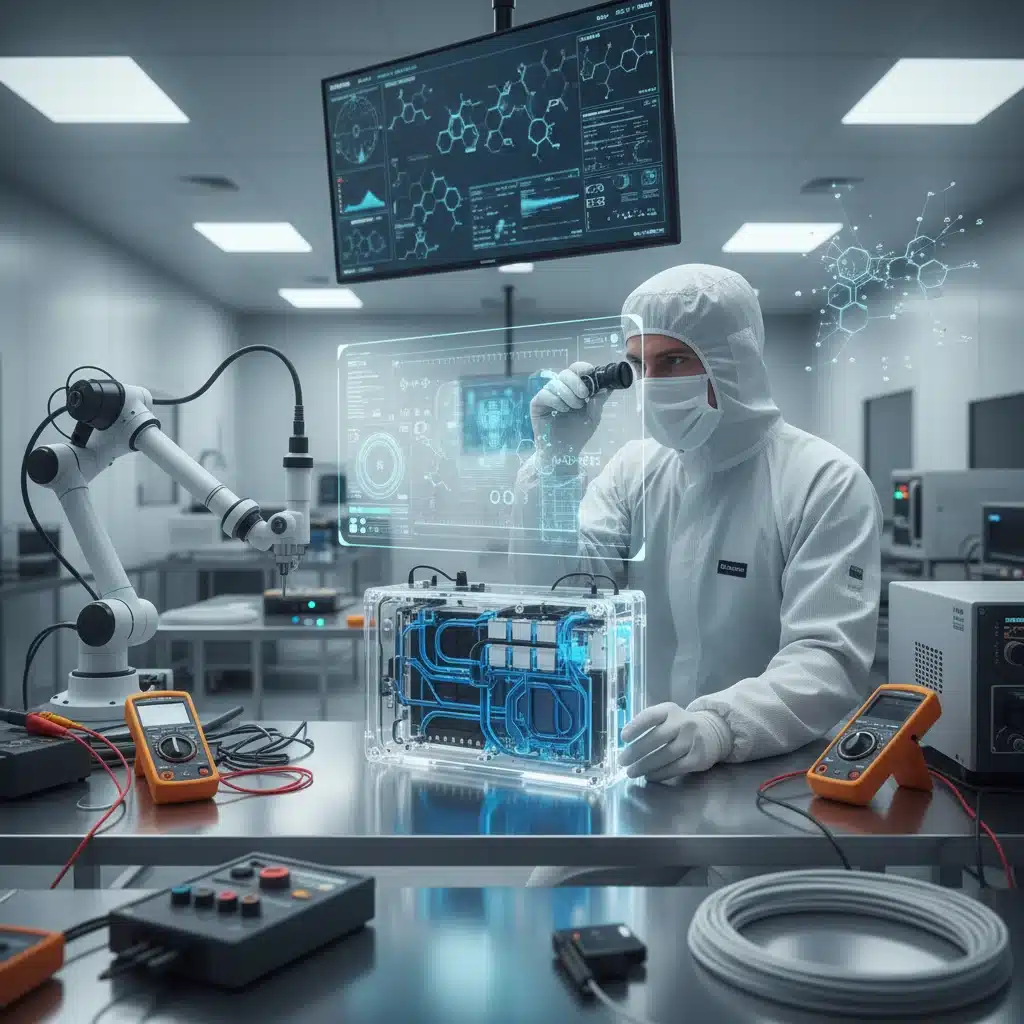
Despite the exciting advancements, challenges remain. The complexity of integrating multiple thermal loops, sensors, and AI algorithms can increase manufacturing costs and system weight. Miniaturization, cost reduction, and further integration will be ongoing areas of research and development. The reliability of these complex systems over the vehicle’s lifespan also needs robust validation.
Looking beyond 2026, we can anticipate even more sophisticated solutions. Future developments might include solid-state batteries, which inherently have different thermal characteristics, potentially simplifying thermal management. Self-healing materials that can repair minor thermal-induced damage could also emerge. The integration of vehicle-to-grid (V2G) capabilities will also add another layer of complexity, requiring thermal systems to manage bidirectional energy flow efficiently.
The continuous drive for higher energy density in batteries will also intensify the need for even more potent and precise thermal management solutions. As battery technology evolves, so too must the systems designed to protect and optimize it. The synergy between battery chemistry, cell design, and thermal management is becoming increasingly critical. Researchers are exploring novel cell designs that inherently facilitate better heat dissipation, such as those with integrated micro-cooling channels or advanced electrode materials with higher thermal conductivity.
Another area of focus is the development of next-generation heat pumps, which are significantly more efficient than traditional resistive heaters for warming batteries in cold climates. These advanced heat pumps can extract heat from the ambient air, even at low temperatures, or from other vehicle components, providing energy-efficient pre-conditioning without significantly impacting range.
Furthermore, the concept of "digital twins" for EV batteries is gaining traction. This involves creating a virtual replica of the physical battery pack, continuously updated with real-time data from the vehicle. This digital twin can then be used to simulate various scenarios, predict thermal behavior, and optimize thermal management strategies in a highly dynamic and adaptive manner. This level of predictive analytics, powered by robust AI, will allow for unprecedented control over battery health and performance.
The regulatory landscape also plays a role. As safety standards for EVs become more stringent globally, especially regarding thermal runaway propagation, the demands on thermal management systems will only increase. Manufacturers are under pressure to design systems that not only prevent thermal events but also contain them effectively if they do occur, providing occupants with sufficient time to evacuate. This pushes innovation towards more resilient and fail-safe designs.
Conclusion
The advancements in EV thermal management systems by 2026 represent a crucial leap forward in the evolution of electric vehicles. These innovations are not merely about keeping batteries cool or warm; they are about fundamentally enhancing the safety, longevity, performance, and charging convenience of EVs. By embracing advanced cooling fluids, phase change materials, integrated intelligent systems, and AI-driven predictive capabilities, the electric vehicle industry is paving the way for a future where range anxiety is minimized, charging is faster, and batteries last longer than ever before.
As these sophisticated EV thermal management technologies mature and become more widespread, they will undoubtedly play a pivotal role in accelerating the global transition to electric mobility. The continued focus on optimizing battery operating conditions underscores the industry’s commitment to delivering not just environmentally friendly transportation but also vehicles that are increasingly reliable, efficient, and enjoyable to own. The future of EV is bright, and its thermal heart is beating stronger than ever.