The Rise of eVTOLs in U.S. Urban Air Mobility: What to Expect in the Next 3 Years for Regional Commutes
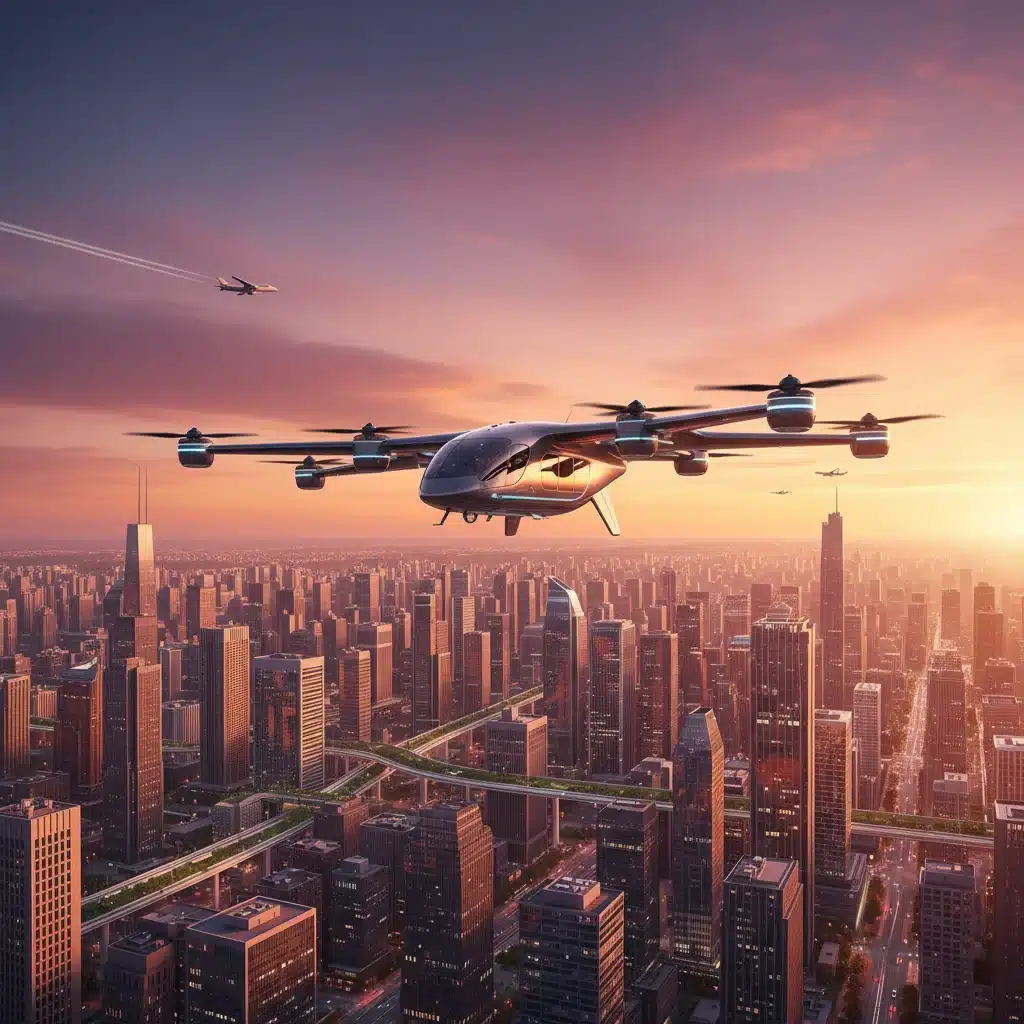
The concept of flying cars, once relegated to the realm of science fiction, is rapidly approaching reality with the advent of electric Vertical Take-Off and Landing (eVTOL) aircraft. These innovative vehicles are poised to revolutionize Urban Air Mobility (UAM) in the United States, offering a compelling solution to traffic congestion and enhancing regional connectivity. As we stand on the cusp of this aerial revolution, many are asking: what can we truly expect from eVTOL Urban Air Mobility in the next three years, particularly concerning regional commutes? This comprehensive article will delve into the projected timelines, regulatory landscapes, infrastructure requirements, economic impacts, and environmental considerations that will shape the emergence of eVTOLs in the U.S. sky.
The Promise of eVTOL Urban Air Mobility
eVTOL Urban Air Mobility represents a paradigm shift in transportation. Unlike traditional aircraft, eVTOLs are designed for short-to-medium-range flights, operating silently and with zero operational emissions, making them ideal for urban and regional travel. The promise is clear: significantly reduced travel times, alleviation of ground-based traffic, and a more sustainable mode of transport. Imagine a future where a 100-mile commute that currently takes two hours by car could be completed in less than 30 minutes by air. This isn’t just a dream; it’s a rapidly approaching reality.
The U.S. has always been at the forefront of aviation innovation, and the development of eVTOL technology is no exception. Major aerospace companies, automotive giants, and innovative startups are investing billions into research, development, and certification. The next three years will be critical in translating these investments into tangible operational services. We are not just talking about prototypes anymore; we are talking about certified aircraft, operational vertiports, and the establishment of new air traffic management systems specifically designed for low-altitude urban flight.
The appeal of eVTOL Urban Air Mobility extends beyond mere convenience. It addresses pressing societal issues such as urban sprawl, infrastructure strain, and the imperative to reduce carbon emissions. By offering an alternative to ground transportation for regional commutes, eVTOLs can unlock economic opportunities in underserved areas, connect business hubs more efficiently, and improve the quality of life for millions. However, realizing this vision requires overcoming significant hurdles, which we will explore in detail.
Operational Timelines: When Will eVTOLs Take Flight for Regional Commutes?
Forecasting the exact operational timeline for widespread eVTOL Urban Air Mobility services is complex, involving technological readiness, regulatory approvals, and infrastructure development. However, within the next three years, we can anticipate significant milestones that will pave the way for initial commercial operations for regional commutes.
Certification and Testing
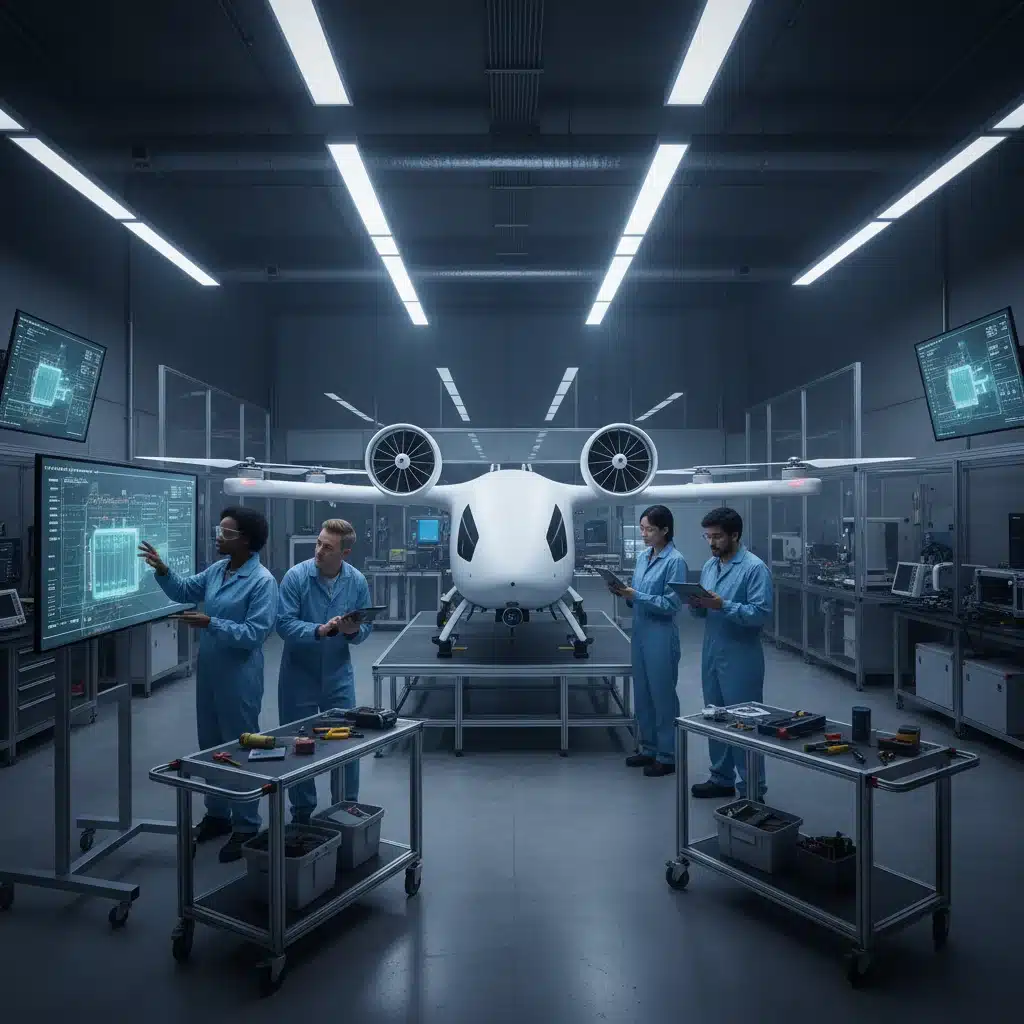
The primary hurdle for any new aircraft is certification from the Federal Aviation Administration (FAA). Several leading eVTOL companies, such as Joby Aviation, Archer Aviation, and Lilium, are well into their certification processes. These processes are rigorous, involving extensive testing of aircraft performance, safety systems, and manufacturing quality. While full Type Certification for a wide range of models may extend beyond the three-year mark, we expect to see initial certifications for specific models within this timeframe.
For example, Joby Aviation, a key player in the U.S. market, has stated its aim for commercial operations as early as 2025. Archer Aviation is also targeting a similar timeline, with significant progress in flight testing and FAA engagement. These initial certifications will likely focus on piloted operations for regional routes, gradually expanding to autonomous capabilities as technology matures and regulatory frameworks evolve.
Pilot Programs and Early Routes
Once certified, the initial phase will involve pilot programs and the establishment of early commercial routes. These will likely connect major metropolitan areas with nearby regional centers or airports, focusing on high-demand corridors where the time-saving benefits are most pronounced. Think of routes like downtown Los Angeles to Orange County, or New York City to nearby suburban hubs. These early routes will serve as crucial proving grounds, allowing operators to refine their services, assess passenger demand, and gather valuable operational data.
Partnerships with existing airlines and ride-sharing companies are also emerging, indicating a strategic approach to integrating eVTOLs into the broader transportation ecosystem. Delta Air Lines, for instance, has partnered with Joby Aviation, signaling a clear intent to incorporate eVTOL services into their premium offerings for last-mile and regional connections. These collaborations are vital for building consumer trust and establishing a robust operational network for eVTOL Urban Air Mobility.
Limited Commercial Operations
While widespread adoption will take longer, it is highly probable that we will witness limited commercial operations for regional commutes within the next three years. These operations will likely be in select urban areas, focusing on premium services with higher price points initially. As production scales and technology advances, costs are expected to decrease, making eVTOL travel more accessible to a broader demographic. The initial focus will be on proving the safety, reliability, and economic viability of these services.
Navigating the Regulatory Landscape for eVTOL Urban Air Mobility
The regulatory environment is arguably one of the most critical factors influencing the speed at which eVTOL Urban Air Mobility can scale. The FAA is actively working on developing new regulations and adapting existing ones to accommodate this novel form of air travel.
Aircraft Certification (Part 23/21)
As mentioned, aircraft certification is paramount. The FAA is primarily using a modified Part 23 certification process for many eVTOLs, which is typically for small aircraft. However, the unique characteristics of eVTOLs, such as their propulsion systems and flight profiles, require specific interpretations and new performance standards. This process is iterative and involves close collaboration between manufacturers and the FAA to ensure the highest safety standards are met.
Air Traffic Management (ATM) and Vertiport Operations
Integrating a large number of eVTOLs into existing airspace, especially at lower altitudes, requires sophisticated Air Traffic Management systems. The FAA is developing concepts for UAM-specific ATM, including automated systems for route planning, deconfliction, and emergency procedures. These systems will be crucial for ensuring safe and efficient operations, particularly as the volume of air traffic increases.
Furthermore, regulations for vertiport design, construction, and operation are being developed. Vertiports are the specialized take-off and landing sites for eVTOLs. These facilities need to meet stringent safety, environmental, and accessibility standards. The next three years will see the finalization of many of these regulatory guidelines, providing clarity for infrastructure developers and operators. Establishing standardized protocols for vertiport operations, including charging, maintenance, and passenger handling, is essential for seamless service delivery.

Pilot and Operator Licensing
New pilot training and licensing requirements are also being established. While initial operations will likely involve commercially licensed pilots, the unique flight characteristics of eVTOLs may necessitate specialized training modules. The FAA is working with industry stakeholders to define these requirements, ensuring that pilots are adequately prepared for the complexities of operating these advanced aircraft in urban environments. This includes training on new flight control systems, electric propulsion management, and potentially autonomous system oversight.
The regulatory framework for eVTOL Urban Air Mobility is a dynamic and evolving landscape. The next three years will be marked by intense collaboration between government agencies, industry leaders, and research institutions to create a robust and adaptable regulatory system that prioritizes safety while fostering innovation. Without a clear and comprehensive regulatory path, the widespread adoption of eVTOLs will remain aspirational.
Infrastructure Development: Building the Skyways of Tomorrow
The successful deployment of eVTOL Urban Air Mobility hinges on the development of appropriate infrastructure. This goes beyond just the aircraft themselves; it involves a network of vertiports, charging stations, and integrated air traffic management systems.
Vertiports: The Hubs of Urban Air Mobility
Vertiports are the equivalent of airports for eVTOLs, but designed for urban integration. They can be purpose-built facilities, or repurposed rooftops of existing buildings, or even integrated into existing transportation hubs like train stations and bus terminals. The next three years will see significant investment and development in vertiport infrastructure across key U.S. cities.
Companies like Skyports and Volocopter are actively developing vertiport designs and operational concepts. These facilities will not only provide take-off and landing pads but also offer charging infrastructure, passenger lounges, security checkpoints, and maintenance facilities. The design of these vertiports will need to consider noise abatement, environmental impact, and seamless integration with ground transportation networks. The strategic placement of vertiports is crucial for maximizing the efficiency and accessibility of eVTOL Urban Air Mobility services for regional commutes.
Charging Infrastructure
Given that eVTOLs are electric, robust and rapid charging infrastructure is essential. This requires high-power charging solutions that can quickly replenish batteries between flights to minimize turnaround times. The development of standardized charging protocols and interoperable charging stations will be critical for a scalable network. Partnerships with energy companies and smart grid developers will be instrumental in ensuring a reliable and sustainable power supply for vertiports.
Digital Infrastructure and Air Traffic Management
Beyond physical infrastructure, a sophisticated digital infrastructure is required. This includes advanced communication systems, real-time weather monitoring, and a highly automated air traffic management system. These systems will manage flight paths, prevent collisions, and ensure efficient flow of air traffic in complex urban environments. The integration of artificial intelligence and machine learning will play a significant role in optimizing these systems, enabling dynamic route adjustments and predictive maintenance for eVTOL Urban Air Mobility operations.
The pace of infrastructure development will directly influence the pace of eVTOL adoption. The next three years will be a period of intense planning, pilot projects, and initial construction, setting the foundation for a more expansive network in the subsequent years.
Economic and Environmental Impacts of eVTOL Urban Air Mobility
The introduction of eVTOL Urban Air Mobility is expected to have profound economic and environmental impacts, particularly for regional commutes.
Economic Opportunities
The eVTOL industry is projected to create thousands of jobs across various sectors, including manufacturing, engineering, operations, maintenance, and infrastructure development. This new industry will stimulate economic growth, attract investment, and foster innovation. Regional economies, often bypassed by traditional air travel due to airport limitations, could see a significant boost through increased connectivity and accessibility. Businesses may find it easier to operate across wider geographical areas, leading to increased productivity and competitiveness.
Furthermore, the reduction in travel time for regional commutes can lead to increased productivity for individuals and businesses. The ability to quickly and efficiently move between cities can unlock new business opportunities and improve work-life balance for commuters. The early stages may cater to premium markets, but as the technology matures and costs decrease, the economic benefits will trickle down to a broader segment of the population, making eVTOL Urban Air Mobility a more democratic mode of transport.
Environmental Benefits
One of the most compelling aspects of eVTOLs is their potential to significantly reduce carbon emissions. As electric aircraft, they produce zero operational emissions, contributing to cleaner air in urban areas. This aligns with global efforts to combat climate change and transition to more sustainable transportation systems. While the electricity used to charge eVTOLs must come from clean sources to realize the full environmental benefit, the shift away from fossil-fuel-dependent vehicles is a crucial step.
Additionally, eVTOLs are designed to be significantly quieter than conventional helicopters, addressing a major concern for urban residents. This reduction in noise pollution will improve the quality of life in areas where vertiports are located. The long-term environmental benefits of widespread eVTOL Urban Air Mobility could be transformative, helping cities achieve their sustainability goals and creating healthier urban environments.
Challenges and Considerations for Widespread Adoption
While the future of eVTOL Urban Air Mobility is bright, several challenges and considerations must be addressed for widespread adoption beyond the initial three-year horizon.
Public Acceptance and Trust
Gaining public acceptance and trust is paramount. Concerns about safety, noise, and privacy will need to be proactively addressed through transparent communication, rigorous safety demonstrations, and community engagement. Public education campaigns will be essential to inform citizens about the benefits and safety protocols of eVTOL operations. The initial operational phases will be critical in building this trust.
Cost and Accessibility
Initially, eVTOL services will likely be a premium offering, limiting accessibility. For widespread adoption, the cost of travel needs to become competitive with existing ground transportation options, especially for regional commutes. Advancements in battery technology, economies of scale in manufacturing, and efficient operational models will be key to driving down costs over time. The goal is to make eVTOL Urban Air Mobility an accessible option for a broad segment of the population, not just a luxury for the elite.
Scalability and Integration
Scaling operations from a few routes to a comprehensive network will require significant coordination and investment. Integrating eVTOLs into existing transportation networks, both ground and air, will be complex. This includes seamless transfers between eVTOLs and other modes of transport, as well as harmonizing air traffic management with conventional aviation. The ability to scale efficiently and integrate smoothly will determine the long-term success of eVTOL Urban Air Mobility.
Cybersecurity
As highly sophisticated, digitally connected aircraft, eVTOLs will be vulnerable to cyber threats. Robust cybersecurity measures will be essential to protect aircraft systems, air traffic management, and passenger data from malicious attacks. This is an ongoing challenge that will require continuous innovation and vigilance from the industry and regulatory bodies.
Key Players and Their Progress in the U.S. Market
The U.S. market is a hotbed of innovation for eVTOL Urban Air Mobility, with several companies leading the charge. Understanding their progress provides insight into what to expect in the near future.
- Joby Aviation: A frontrunner in the U.S., Joby has achieved significant milestones, including extensive flight testing and receiving its Part 135 air carrier certification from the FAA, a crucial step towards commercial operations. Their partnership with Delta Air Lines further solidifies their position for early market entry. They aim to launch commercial passenger service as early as 2025.
- Archer Aviation: Another prominent player, Archer is also making rapid progress in flight testing and certification. They have secured significant orders from United Airlines, indicating strong airline interest in integrating eVTOLs into their networks. Archer is focused on connecting major airports with urban centers for regional commutes.
- Lilium: While based in Europe, Lilium has a strong presence and ambitions in the U.S. market, particularly with their unique ducted fan design. They are also pursuing FAA certification and aim to offer regional air mobility services, connecting cities over longer distances than some competitors.
- Wisk Aero: Backed by Boeing, Wisk is focused on developing autonomous eVTOLs. While fully autonomous operations are further out on the timeline, their research and development are crucial for the long-term vision of scalable and efficient eVTOL Urban Air Mobility.
- Beta Technologies: Known for their cargo eVTOLs and partnerships with UPS and the U.S. Air Force, Beta Technologies is also developing passenger variants. Their focus on practical applications and robust testing is contributing significantly to the overall advancement of the industry.
These companies, along with many others, are collectively pushing the boundaries of what’s possible, driving the innovation and investment needed to bring eVTOL Urban Air Mobility to fruition within the next three years for regional commutes.
The Next Three Years: A Clearer Horizon for eVTOL Urban Air Mobility
In conclusion, the next three years will be a pivotal period for eVTOL Urban Air Mobility in the U.S. for regional commutes. While widespread, daily, affordable air taxi services for everyone might still be a bit further down the road, we can confidently expect to see:
- Initial FAA Certifications: Several leading eVTOL aircraft are likely to receive initial Type Certificates, paving the way for commercial operations.
- Pilot Commercial Programs: Limited commercial services will commence in select urban corridors, offering premium regional commute options.
- Vertiport Development: The groundbreaking and construction of initial vertiport infrastructure will accelerate, particularly in early adopter cities.
- Refined Regulatory Frameworks: The FAA will continue to refine and establish comprehensive regulations for eVTOL operations, air traffic management, and pilot licensing.
- Increased Public Awareness and Engagement: As these developments unfold, public awareness and understanding of eVTOL technology will grow, leading to more informed discussions about its future.
The dream of flying cars is transforming into the reality of eVTOLs, and the journey towards a truly integrated eVTOL Urban Air Mobility system for regional commutes is well underway. The innovation, investment, and regulatory progress we anticipate in the next 36 months will lay a solid foundation for a transformative era in how we travel, connect, and live. The skies above U.S. cities are about to get a lot more interesting.