U.S. EV Charging Infrastructure: Fleet Management’s Next 18 Months
The transition to electric vehicles (EVs) is no longer a distant dream but a rapidly accelerating reality, especially within the commercial sector. For fleet managers across the United States, understanding the evolving landscape of EV charging infrastructure is paramount. The next 18 months promise significant advancements and challenges, shaping how fleets operate, optimize costs, and meet sustainability goals. This comprehensive guide delves into the insider knowledge regarding U.S. EV infrastructure upgrades, offering a strategic roadmap for fleet managers navigating this electrifying future.
The Urgency of EV Infrastructure Fleet Development
The imperative to electrify fleets stems from a confluence of factors: escalating fuel costs, tightening emissions regulations, corporate sustainability mandates, and the increasing availability of diverse EV models. However, the backbone of successful fleet electrification is robust and reliable EV charging infrastructure. Without adequate charging solutions, the operational efficiency and economic benefits of electric fleets remain elusive. The U.S. government, alongside private sector innovators, is pouring substantial resources into expanding and modernizing this infrastructure, creating a dynamic environment that fleet managers must proactively understand.
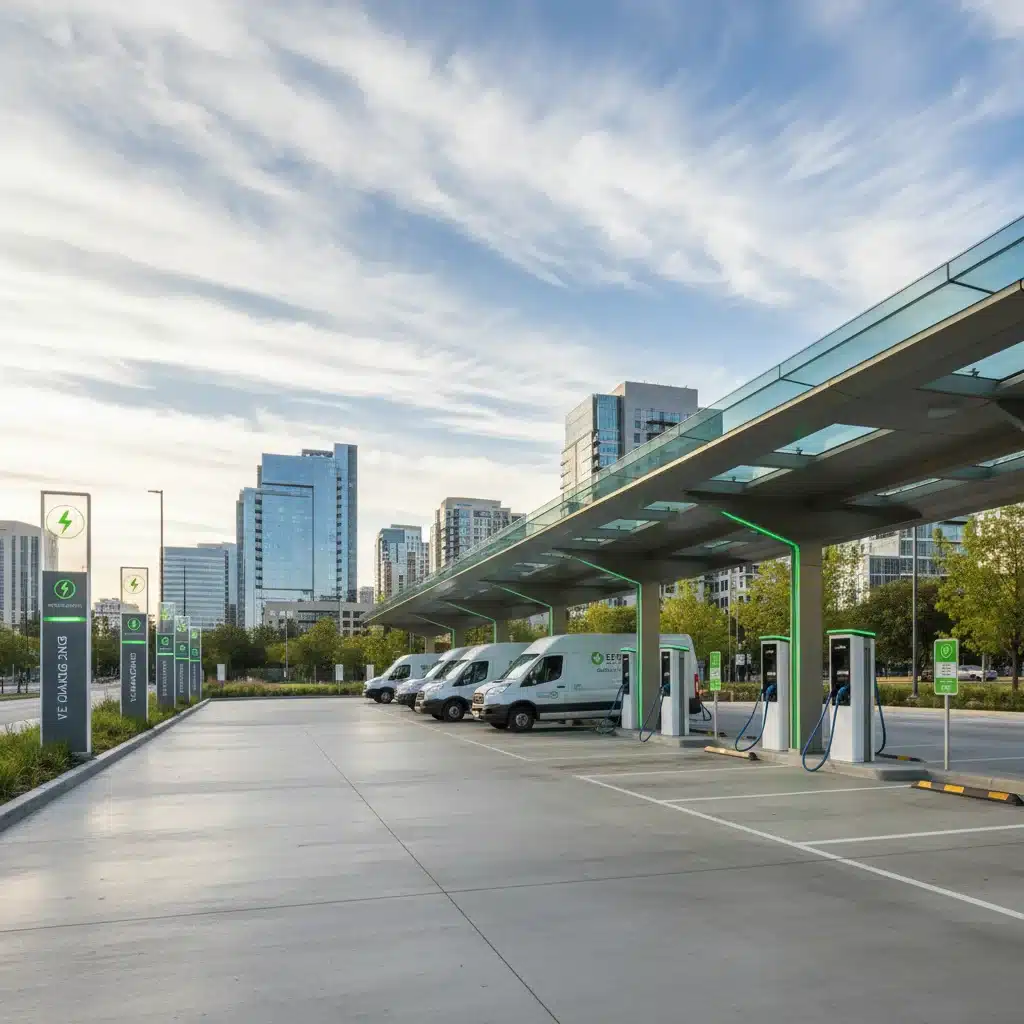
The current state of EV charging infrastructure, while growing, still presents hurdles for large-scale fleet adoption. Public charging networks vary in density and reliability, and the development of dedicated fleet charging depots requires significant planning and investment. Over the next 18 months, several key initiatives and technological advancements are set to address these challenges head-on, providing both opportunities and new considerations for fleet operators.
Federal Initiatives Driving EV Infrastructure Fleet Expansion
The U.S. federal government has made EV infrastructure a cornerstone of its climate and economic agenda. The Bipartisan Infrastructure Law (BIL), enacted in 2021, allocates billions of dollars towards building a national network of 500,000 EV chargers. A significant portion of this funding is channeled through programs like the National Electric Vehicle Infrastructure (NEVI) Formula Program, which provides states with funds to strategically deploy EV charging stations along designated alternative fuel corridors.
For fleet managers, understanding NEVI’s rollout is crucial. While NEVI primarily targets public charging along highways, its broader impact will free up existing public chargers in urban areas, making them more accessible for fleet use. Furthermore, the development of these national corridors implicitly supports long-haul electric fleet operations, reducing range anxiety and enhancing logistical planning. States are currently in various stages of implementing their NEVI plans, and fleet managers should monitor their respective state’s progress to identify potential charging opportunities and infrastructure gaps.
Key Federal Programs and Their Impact on EV Infrastructure Fleet:
- NEVI Formula Program: Focuses on high-power DC fast chargers (DCFC) every 50 miles along major highways. While not directly for private fleet depots, it enhances the overall charging ecosystem.
- Grant Programs: Various Department of Energy (DOE) and Department of Transportation (DOT) grants are available for community charging initiatives, including those that can support fleet charging in specific regions or for specific use cases (e.g., transit buses, school buses).
- Tax Credits and Incentives: The Inflation Reduction Act (IRA) offers substantial tax credits for new and used EVs, as well as for commercial clean vehicles and charging infrastructure installation. Fleet managers should consult with tax professionals to leverage these incentives, which can significantly offset the upfront costs of electrification.
The next 18 months will see a ramp-up in these federal programs, with more chargers coming online and clearer guidelines emerging for grant applications. Proactive engagement with state energy offices and utility providers will be essential for fleets looking to capitalize on these federal tailwinds.
Technological Advancements Shaping EV Infrastructure Fleet Solutions
Beyond funding, technological innovation is rapidly transforming the EV charging landscape. Fleet managers need to be aware of these advancements to make informed decisions about their charging infrastructure investments.
Faster Charging Speeds:
The demand for quicker turnaround times for commercial vehicles is driving the development of ultra-fast charging solutions. DCFC technology continues to evolve, with power outputs exceeding 350 kW becoming more common. This means shorter charging times, allowing fleets to maximize vehicle uptime and maintain tight schedules. For heavy-duty trucks and high-utilization light-duty fleets, this is a game-changer.
Smart Charging and Grid Integration:
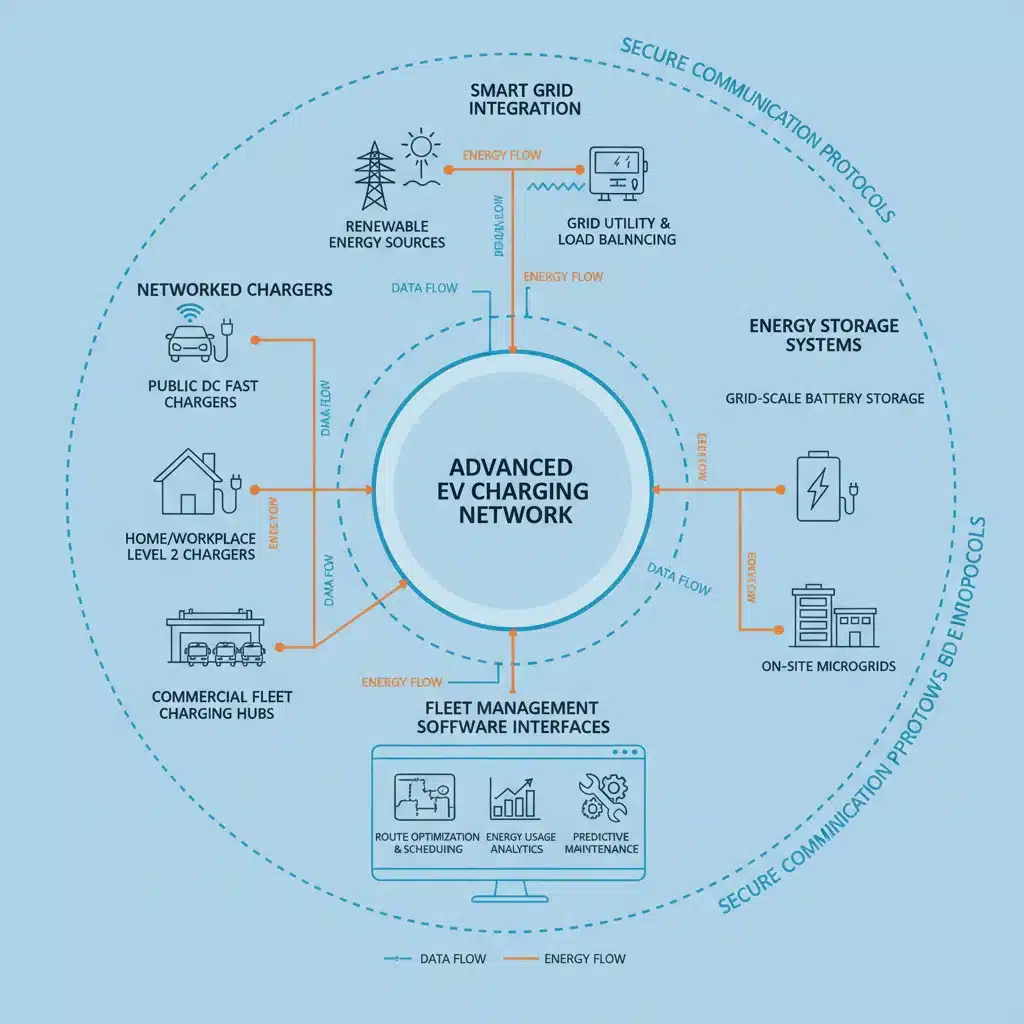
Smart charging, or managed charging, is becoming indispensable for fleet operations. This technology allows fleet managers to control when and how quickly vehicles charge, optimizing energy consumption, reducing peak demand charges, and integrating with renewable energy sources. Over the next 18 months, expect more sophisticated smart charging platforms that offer:
- Load Management: Dynamically distributing power among multiple vehicles to avoid overloading the grid connection and incurring high demand charges.
- Vehicle-to-Grid (V2G) and Vehicle-to-Building (V2B): While still nascent, V2G and V2B technologies, which allow EVs to feed power back into the grid or a building, are gaining traction. For fleets, this could open new revenue streams or provide backup power, offering significant economic and resilience benefits. Pilot programs will likely expand significantly in the coming months.
- Integration with Telematics: Seamless integration of charging data with existing fleet telematics systems will provide a holistic view of vehicle health, energy consumption, and operational efficiency.
Wireless Charging:
While not yet mainstream for heavy-duty applications, wireless charging is emerging as a convenient option for certain light-duty fleet applications, particularly in depot settings or for autonomous vehicles. The next 18 months might see more pilot projects and standardization efforts in this area, potentially simplifying charging logistics for specific fleet types.
The Role of Utilities and Microgrids in EV Infrastructure Fleet Deployment
Utility companies are pivotal players in the EV infrastructure rollout. They are responsible for upgrading grid capacity to support increased electricity demand from EVs and often offer incentives and programs to encourage EV adoption and charging station deployment. Fleet managers should establish strong relationships with their local utility providers early in the electrification planning process.
Utility Programs and Support:
- Make-Ready Programs: Many utilities offer ‘make-ready’ programs that cover a significant portion of the costs associated with upgrading electrical infrastructure from the grid to the charging station. This can drastically reduce the upfront capital expenditure for fleet depots.
- Time-of-Use (TOU) Rates: Utilities are increasingly implementing TOU rates, which charge different prices for electricity based on the time of day. Smart charging solutions can leverage these rates to charge vehicles during off-peak hours when electricity is cheaper, leading to substantial cost savings.
- Demand Charge Management: Demand charges, based on the highest power draw during a billing cycle, can be a major cost for fleets. Utilities are exploring different rate structures and offering programs to help manage these charges, often in conjunction with smart charging and energy storage solutions.
Microgrids and Energy Storage:
For large fleets with significant energy demands, traditional grid connections might not suffice, or demand charges could become prohibitive. This is where microgrids and energy storage solutions come into play. Over the next 18 months, expect to see more fleets exploring:
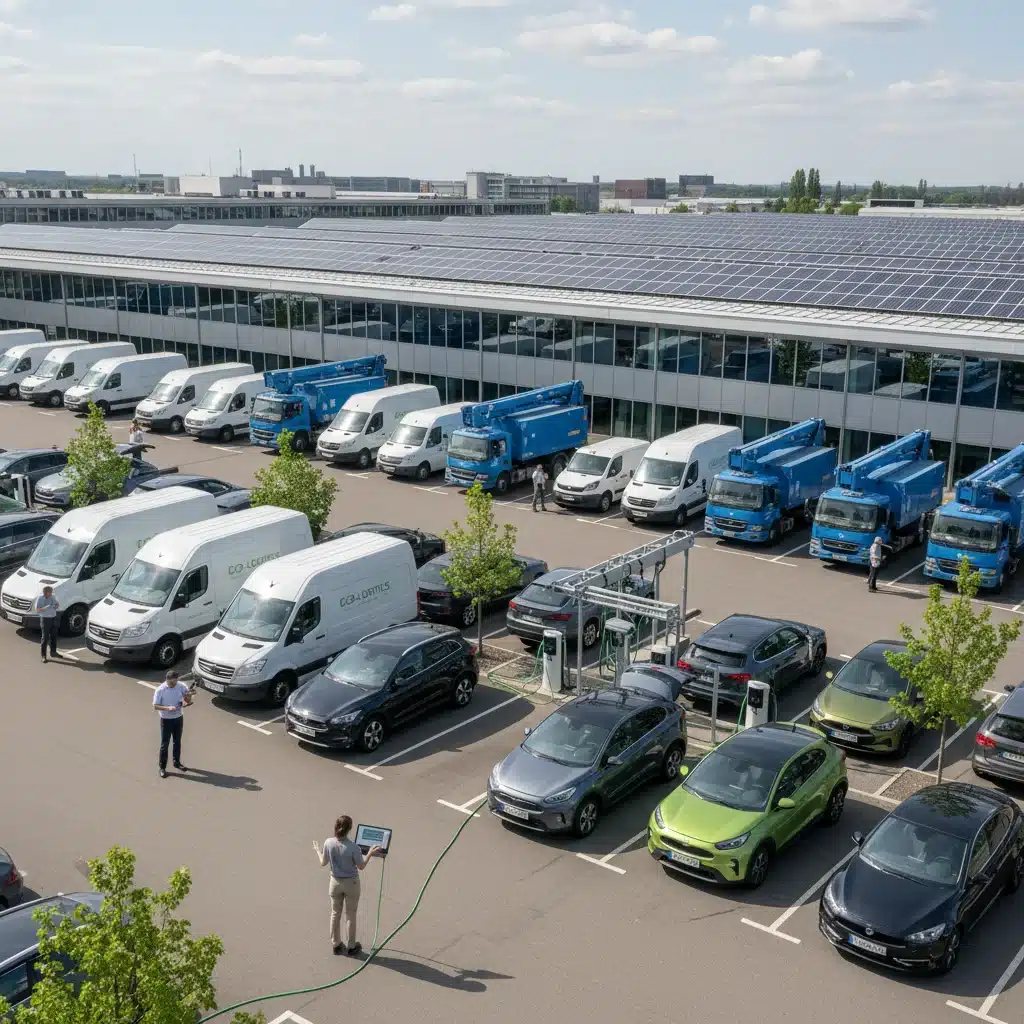
- On-site Solar Generation: Integrating solar panels with battery storage can provide a sustainable and cost-effective power source for fleet depots, reducing reliance on the grid and hedging against rising electricity prices.
- Battery Energy Storage Systems (BESS): BESS can store excess renewable energy or grid electricity purchased during off-peak hours and discharge it during peak times, effectively shaving peak demand and reducing demand charges. They also offer resilience in case of grid outages.
These advanced energy solutions, while requiring higher initial investment, offer long-term operational savings, increased energy independence, and enhanced sustainability credentials for fleets.
Challenges and Solutions for EV Infrastructure Fleet Management
Despite the rapid advancements, fleet managers will continue to face challenges in deploying and managing EV charging infrastructure. Proactive planning and strategic partnerships are key to overcoming these hurdles.
Grid Capacity and Upgrades:
One of the most significant challenges is ensuring sufficient grid capacity to support large-scale fleet charging. Upgrading transformers, feeders, and other electrical infrastructure can be time-consuming and costly. Early engagement with utilities is crucial to assess capacity, understand upgrade timelines, and explore potential cost-sharing programs.
Permitting and Regulations:
Navigating the complex landscape of local, state, and federal permitting and regulations for installing charging infrastructure can be daunting. Engaging with experienced consultants and charging solution providers who understand these processes can streamline deployment.
Interoperability and Standardization:
The EV charging ecosystem currently features various connector types (CCS, NACS, CHAdeMO) and communication protocols. While standardization efforts are underway (e.g., the growing adoption of NACS), fleets need flexible charging solutions that can accommodate different vehicle models. Investing in chargers that support multiple standards or can be easily upgraded is a wise strategy.
Data Management and Cybersecurity:
As charging infrastructure becomes more networked and intelligent, managing data and ensuring cybersecurity become critical. Fleet managers need robust platforms to monitor charging sessions, track energy consumption, and protect against cyber threats. Selecting charging solution providers with strong data security protocols is essential.
Strategic Planning for Fleet Managers in the Next 18 Months
For fleet managers, the next 18 months represent a critical window for strategic planning and execution in EV infrastructure. Here’s how to prepare:
1. Conduct a Thorough Fleet Assessment:
Evaluate your current fleet’s operational needs, route profiles, daily mileage, and dwell times. This data will inform the type, number, and placement of chargers required. Identify which vehicles are prime candidates for electrification based on their duty cycles.
2. Engage with Stakeholders Early:
Initiate conversations with your local utility provider, state energy offices, and EV charging solution vendors. Understand available incentives, grid upgrade timelines, and technology options. Building these relationships early can significantly de-risk your electrification journey.
3. Develop a Phased Electrification Plan:
Don’t attempt to electrify your entire fleet overnight. Start with a pilot program or a subset of vehicles. Learn from the initial deployment, refine your charging strategy, and scale up incrementally. This phased approach allows for flexibility and adaptation as technology and infrastructure evolve.
4. Prioritize Smart Charging and Energy Management:
Invest in smart charging solutions that offer load management, demand charge reduction, and integration with your fleet management systems. Explore the feasibility of renewable energy integration (solar) and battery storage to enhance resilience and reduce operational costs.
5. Budget for Infrastructure, Not Just Vehicles:
Recognize that charging infrastructure is a significant component of the total cost of ownership for electric fleets. Allocate sufficient budget for site assessments, electrical upgrades, charger procurement, installation, and ongoing maintenance. Leverage available incentives to offset these costs.
6. Stay Informed and Adaptable:
The EV landscape is dynamic. Continuously monitor policy changes, technological advancements, and new market offerings. Be prepared to adapt your strategies as new opportunities and challenges emerge. Subscribe to industry newsletters, attend webinars, and participate in relevant conferences.
Looking Beyond the 18 Months: Long-Term Vision for EV Infrastructure Fleet
While the next 18 months are crucial, fleet managers must also maintain a long-term vision. The trajectory of EV adoption suggests that electrification will become the norm, not the exception. Future considerations include:
- Autonomous EV Fleets: The convergence of EVs and autonomous driving will necessitate even more sophisticated charging solutions, potentially involving robotic charging or dynamic wireless charging on the go.
- Hydrogen Fuel Cell Electric Vehicles (FCEVs): For certain heavy-duty applications, FCEVs may offer advantages, requiring a different set of fueling infrastructure. Monitoring hydrogen infrastructure development will be important for relevant fleets.
- Circular Economy for Batteries: As EV battery technology matures, the focus will shift to second-life applications and recycling, impacting the overall sustainability footprint of electric fleets.
The proactive steps taken in the next year and a half will lay the groundwork for decades of sustainable, efficient, and cost-effective fleet operations.
Conclusion
The U.S. EV charging infrastructure is on the cusp of a transformative period, with significant upgrades and expansions planned over the next 18 months. For fleet managers, this presents an unparalleled opportunity to accelerate their electrification journeys, reduce operational costs, and enhance their sustainability profiles. By understanding the federal initiatives, embracing technological advancements, collaborating with utility providers, and strategically planning their infrastructure deployments, fleet managers can confidently navigate the complexities of EV adoption. The future of fleet management is electric, and the time to prepare is now.