2026 Guide to Integrating 5G into Smart City Solutions: Connectivity & Public Safety

The 2026 Guide to Integrating 5G into Smart City Solutions for Enhanced Connectivity and Public Safety
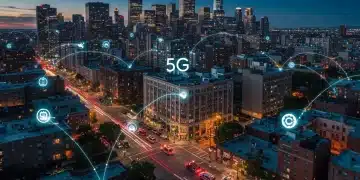
The dawn of 2026 marks a pivotal moment in urban development, as the promise of 5G technology transitions from ambitious vision to tangible reality within our cities. The concept of a ‘smart city’ is no longer a distant dream but an evolving landscape where technology and infrastructure converge to create more efficient, sustainable, and safer urban environments. At the heart of this transformation lies 5G Smart City Integration, a critical component poised to redefine how we live, work, and interact within our metropolitan areas. This comprehensive guide delves into the multifaceted aspects of integrating 5G into smart city solutions, exploring its profound impact on connectivity, public safety, and the overall quality of urban life.
As urban populations continue to swell, cities face unprecedented challenges ranging from traffic congestion and environmental degradation to crime rates and resource management. Traditional infrastructure, often built for a bygone era, struggles to keep pace with these modern demands. Enter 5G, the fifth generation of cellular technology, offering not just faster speeds but also ultra-low latency, massive connectivity, and enhanced reliability. These characteristics are not merely incremental improvements; they are foundational shifts that unlock a new paradigm for smart city applications. The ability of 5G to handle an explosion of connected devices – from smart sensors and cameras to autonomous vehicles and drones – with unwavering performance is what makes it indispensable for the smart cities of tomorrow.
The integration of 5G is not a simple plug-and-play operation; it requires strategic planning, significant investment, and collaboration across various stakeholders, including government bodies, telecommunication providers, technology companies, and urban planners. This guide aims to provide a clear roadmap for understanding the complexities and opportunities presented by 5G Smart City Integration, offering insights into best practices, potential challenges, and the transformative benefits that await.
Understanding the Core Pillars of 5G for Smart Cities
To fully grasp the potential of 5G Smart City Integration, it’s essential to understand the fundamental attributes of 5G that make it so revolutionary for urban environments:
- Enhanced Mobile Broadband (eMBB): This refers to the significantly higher speeds and larger bandwidth offered by 5G, enabling rapid data transfer for bandwidth-intensive applications like high-definition video streaming from surveillance cameras, real-time data analytics, and augmented/virtual reality (AR/VR) applications for urban planning or tourism. Imagine a public safety officer streaming live 4K video from a drone during an emergency, providing unprecedented situational awareness.
- Ultra-Reliable Low-Latency Communications (URLLC): This is perhaps the most critical aspect for applications demanding instant response times and unwavering reliability. URLLC ensures that data packets are delivered with minimal delay and extremely high success rates. This is vital for autonomous vehicles, remote-controlled robotics, critical infrastructure monitoring, and emergency services where milliseconds can make a difference between safety and disaster. Think of traffic lights communicating instantly with connected cars to prevent collisions, or surgeons performing remote operations with tactile feedback.
- Massive Machine-Type Communications (mMTC): With the proliferation of IoT devices, cities are becoming saturated with sensors collecting vast amounts of data – from air quality monitors and smart waste bins to utility meters and structural integrity sensors. mMTC allows 5G networks to connect millions of low-power, low-cost devices per square kilometer efficiently. This capability is essential for scaling smart city initiatives without overwhelming the network, enabling comprehensive data collection for predictive analytics and proactive urban management.
These three pillars, when combined, create a robust and versatile network foundation capable of supporting the diverse and demanding requirements of a truly smart city. Without the synergistic capabilities of 5G, many of the advanced smart city applications we envision would simply not be feasible or scalable.
The Transformative Impact on Public Safety
One of the most profound impacts of 5G Smart City Integration is its potential to revolutionize public safety. The enhanced connectivity and low latency of 5G can empower emergency services with unprecedented tools and capabilities, leading to faster response times, better resource allocation, and improved situational awareness.
Real-time Surveillance and Predictive Policing
5G enables the deployment of high-resolution surveillance cameras across a city, transmitting live 4K or even 8K video feeds to central command centers with virtually no lag. This allows for real-time monitoring of public spaces, rapid identification of suspicious activities, and immediate response. Furthermore, AI-powered video analytics, coupled with the massive data processing capabilities of 5G, can help identify patterns and predict potential crime hotspots, enabling proactive policing strategies. This isn’t about surveillance for its own sake, but about leveraging data to prevent incidents and protect citizens more effectively.
Enhanced Emergency Response
During emergencies, every second counts. 5G’s URLLC capabilities mean that first responders can rely on ultra-fast and reliable communication channels. This includes:
- Connected Ambulances: Transmitting real-time patient data, vital signs, and even live video consultations with hospital specialists while en route, preparing medical teams for arrival.
- Smart Traffic Management: Dynamic traffic light control and intelligent routing systems can clear paths for emergency vehicles, drastically reducing response times.
- Drone-Assisted Operations: Drones equipped with high-resolution cameras, thermal imaging, and even chemical sensors can provide aerial views of disaster zones, locate missing persons, or assess structural damage, all streaming data live over 5G to incident commanders.
IoT Sensors for Early Warning Systems
The mMTC aspect of 5G facilitates a dense network of IoT sensors throughout the city. These sensors can monitor for a wide range of public safety threats:
- Environmental Sensors: Detecting hazardous gases, air quality issues, or even early signs of wildfires.
- Structural Health Monitoring: Sensors on bridges, buildings, and other critical infrastructure can detect stress, cracks, or other anomalies, providing early warnings of potential collapses.
- Flood Detection: Water level sensors in flood-prone areas can trigger alerts and activate preventative measures.
The aggregation and analysis of data from these diverse sensors, powered by 5G, create a comprehensive early warning system that can mitigate risks before they escalate.

Improving Urban Connectivity and Efficiency
Beyond public safety, 5G Smart City Integration fundamentally transforms urban connectivity and operational efficiency, leading to more livable and sustainable cities.
Intelligent Transportation Systems (ITS)
5G is the backbone of advanced ITS, enabling:
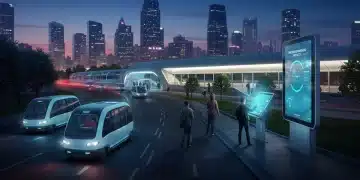
- Autonomous Vehicles (AVs): The low latency and high bandwidth of 5G are crucial for AVs to communicate with each other (V2V), with infrastructure (V2I), and with pedestrians (V2P), ensuring safe navigation and efficient traffic flow.
- Smart Traffic Management: Real-time traffic monitoring, adaptive traffic signals, and intelligent parking systems reduce congestion, optimize travel times, and minimize emissions.
- Public Transportation Optimization: Connected buses and trains can provide real-time location data, adjust schedules based on demand, and offer enhanced passenger experiences with seamless Wi-Fi connectivity.
Smart Utilities and Resource Management
The mMTC capability of 5G allows for the widespread deployment of smart meters and sensors for utilities, leading to:
- Smart Grids: Real-time monitoring of electricity consumption and distribution, enabling dynamic load balancing, faster outage detection, and integration of renewable energy sources.
- Smart Water Management: Sensors detect leaks in water pipes, monitor water quality, and optimize irrigation systems in parks and public spaces, conserving precious resources.
- Smart Waste Management: Sensors in waste bins notify collection services when full, optimizing collection routes and reducing fuel consumption and emissions.
Enhanced Public Services and Citizen Engagement
5G connectivity can significantly improve the delivery of public services and foster greater citizen engagement:
- Digital Kiosks and Wayfinding: Interactive kiosks powered by 5G can provide tourists and residents with real-time information, navigation, and access to city services.
- Public Wi-Fi: Ubiquitous, high-speed 5G-backed public Wi-Fi can bridge the digital divide and ensure everyone has access to essential online resources.
- Augmented Reality for Urban Planning: City planners can use AR applications, powered by 5G, to visualize proposed developments in real-time within the urban landscape, facilitating better decision-making and public consultation.
Key Challenges and Considerations for 5G Smart City Integration
While the benefits of 5G Smart City Integration are immense, the path to a fully connected smart city is not without its hurdles. Addressing these challenges proactively is crucial for successful implementation.
Infrastructure Deployment and Cost
Deploying a dense 5G network requires a significant investment in new infrastructure, including small cells, fiber optic backhaul, and edge computing facilities. Unlike previous generations, 5G relies on a higher density of smaller base stations, often integrated into street furniture or existing buildings. This necessitates:
- Site Acquisition: Identifying and securing suitable locations for thousands of small cells can be complex, involving negotiations with property owners and adherence to local regulations.
- Fiber Backhaul: Each small cell needs high-capacity fiber optic connections to the core network, requiring extensive trenching and installation.
- Funding Models: Cities need innovative funding models, potentially involving public-private partnerships, to finance the substantial upfront costs.
Cybersecurity and Data Privacy
A hyper-connected smart city generates and transmits vast amounts of sensitive data, making cybersecurity and data privacy paramount concerns. The sheer number of connected devices creates a larger attack surface for malicious actors. Key considerations include:
- Data Encryption: Implementing robust encryption protocols for all data in transit and at rest.
- Network Security: Employing advanced intrusion detection systems, firewalls, and regular security audits to protect the 5G network infrastructure.
- Privacy by Design: Integrating privacy considerations into the design of smart city applications from the outset, ensuring compliance with regulations like GDPR and CCPA.
- Ethical AI Use: Establishing clear guidelines and oversight for the use of AI in surveillance and predictive analytics to prevent bias and protect civil liberties.
Interoperability and Standardization
Smart cities often involve a patchwork of technologies and platforms from various vendors. Ensuring that these disparate systems can communicate and integrate seamlessly is a significant challenge. Lack of interoperability can lead to data silos, inefficient operations, and vendor lock-in. Adopting open standards and APIs is crucial for creating a truly integrated smart city ecosystem.
Regulatory and Policy Frameworks
Existing regulations and policies may not be equipped to handle the complexities introduced by 5G and smart city technologies. Governments need to adapt and create new frameworks covering spectrum allocation, data governance, privacy, autonomous vehicle operations, and the ethical use of AI. Collaboration between local, regional, and national authorities is essential to create a consistent and supportive regulatory environment.
Digital Divide and Inclusivity
While 5G promises ubiquitous connectivity, there’s a risk of exacerbating the digital divide if certain communities or demographics are left behind. Smart city initiatives must be designed with inclusivity in mind, ensuring that all citizens have access to the benefits of these technologies, regardless of their socioeconomic status or location within the city.

The Roadmap to 2026 and Beyond: Best Practices for Integration
For cities looking to successfully implement 5G Smart City Integration by 2026 and beyond, a strategic and phased approach is vital. Here are some best practices:
1. Develop a Comprehensive Smart City Master Plan
Before deploying any technology, cities must articulate a clear vision and strategy. This master plan should:
- Define Goals: What specific problems is the city trying to solve (e.g., reduce traffic, improve public safety, enhance sustainability)?
- Identify Stakeholders: Engage all relevant departments, citizens, businesses, and technology providers from the outset.
- Phased Implementation: Start with pilot projects in specific areas or for particular applications to test feasibility and gather lessons learned before scaling up.
2. Foster Public-Private Partnerships (PPPs)
The scale and complexity of 5G infrastructure deployment often exceed the capabilities of a single entity. PPPs can leverage the strengths of both sectors:
- Shared Investment: Private companies can provide capital and expertise, while public entities offer access to infrastructure and regulatory support.
- Risk Sharing: Distributing risks across partners can make large-scale projects more viable.
- Innovation: Collaboration can foster innovative solutions and accelerate deployment.
3. Prioritize Data Governance and Security
Establish robust data governance frameworks from day one. This includes:
- Clear Policies: Define how data will be collected, stored, used, and shared.
- Consent Mechanisms: Implement transparent mechanisms for obtaining citizen consent where personal data is involved.
- Continuous Security Monitoring: Invest in advanced cybersecurity tools and skilled personnel to continuously monitor and protect the network and data.
4. Embrace Open Standards and Interoperability
To avoid vendor lock-in and ensure long-term flexibility, cities should advocate for and adopt open standards for their smart city platforms and devices. This allows for easier integration of new technologies and promotes a competitive market among solution providers.
5. Invest in Digital Literacy and Workforce Development
For smart cities to truly thrive, citizens and the workforce need to be equipped with the necessary digital skills. This includes:
- Public Education: Programs to educate citizens about the benefits and safe use of smart city technologies.
- Workforce Training: Training programs to develop a skilled workforce capable of deploying, maintaining, and innovating within the 5G smart city ecosystem.
6. Focus on Sustainability and Resilience
Smart city initiatives, powered by 5G, should contribute to the city’s sustainability goals. This means:
- Energy Efficiency: Designing 5G networks and smart city applications to be energy-efficient.
- Climate Resilience: Using smart infrastructure to monitor and mitigate the impacts of climate change, such as extreme weather events.
- Circular Economy Principles: Integrating waste reduction and resource optimization into smart city planning.
The Future is Now: A Glimpse Beyond 2026
As 5G Smart City Integration becomes more widespread by 2026, the foundation will be laid for even more advanced urban innovations. We can expect to see:
- Hyper-Personalized Urban Experiences: AI-powered services that adapt to individual citizen needs and preferences, from transportation routes to localized information.
- Digital Twins of Cities: Comprehensive virtual models of cities, updated in real-time by 5G-connected sensors, allowing for predictive modeling, scenario planning, and enhanced urban management.
- Advanced Robotics and Automation: Increased deployment of robots for tasks like infrastructure inspection, public space cleaning, and last-mile delivery, all orchestrated by 5G.
- Immersive AR/VR Applications: Beyond entertainment, AR/VR will be used for interactive tourism, remote education, and highly realistic urban planning simulations.
These future developments underscore the long-term strategic importance of effective 5G Smart City Integration today. The decisions made in the coming years will shape the trajectory of urban evolution for decades to come.
Conclusion: Building Smarter, Safer, and More Connected Cities
The journey towards fully realized smart cities, powered by 5G, is an exciting and complex undertaking. By 2026, the impact of 5G Smart City Integration will be undeniable, transforming everything from how we commute and consume resources to how our communities are kept safe. The unparalleled capabilities of 5G – its speed, low latency, and massive connectivity – are the catalysts for this urban revolution. While challenges related to infrastructure, cybersecurity, and policy remain, a proactive and collaborative approach can overcome these hurdles.
Cities that embrace 5G not just as a technological upgrade, but as a strategic imperative for sustainable and inclusive growth, will be the ones that thrive in the coming decades. By carefully planning, fostering partnerships, prioritizing security, and focusing on citizen well-being, urban centers can harness the full potential of 5G to create smarter, safer, and more connected environments for everyone. The future of urban living is intelligent, interconnected, and inherently 5G-powered, promising a quality of life never before imagined.