Autonomous Delivery Robots: U.S. City Implementations & Last-Mile Optimization
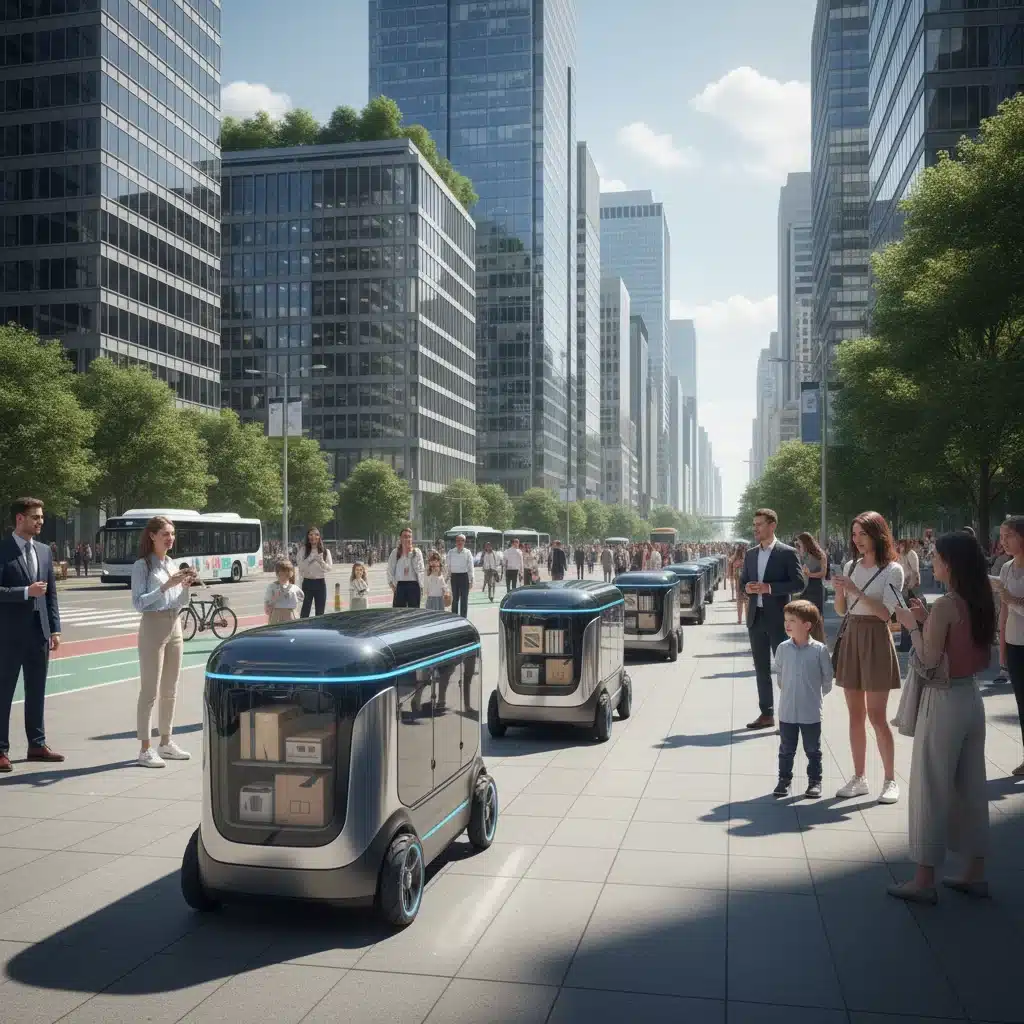
In the dynamic landscape of modern logistics, the concept of last-mile delivery has become a critical bottleneck and a significant area for innovation. As consumer expectations for speed and convenience continue to escalate, businesses are constantly seeking novel solutions to optimize this final, often most expensive, leg of the supply chain. Enter autonomous delivery robots – a groundbreaking technology promising to revolutionize how goods reach our doorsteps. Over the past six months, their presence in U.S. cities has not only grown but also matured, moving from experimental pilot programs to more widespread, albeit still nascent, operational deployments.
This comprehensive article delves into the recent updates on autonomous delivery robots implementations across various U.S. cities. We will explore the technological advancements driving their capabilities, the economic and environmental benefits they offer, the regulatory hurdles they face, and the evolving public perception surrounding their integration into urban environments. Understanding these facets is crucial for anyone interested in the future of logistics, smart city development, and the burgeoning field of robotics.
The promise of autonomous delivery robots extends beyond mere efficiency; they represent a paradigm shift in how urban spaces are utilized for commercial activities, how labor is allocated, and how environmental footprints are managed. From university campuses to bustling downtown districts, these compact, often whimsical-looking machines are quietly reshaping our expectations of convenience and accessibility. Let’s embark on an in-depth exploration of this exciting frontier.
The Rise of Autonomous Delivery Robots in Urban Ecosystems
The journey of autonomous delivery robots from science fiction to urban reality has been swift and remarkable. Initially confined to controlled environments like university campuses, these robots are now venturing into the complex and unpredictable terrain of city streets. The primary driver behind this accelerated adoption is the relentless pressure to optimize last-mile delivery – a segment that can account for up to 53% of total shipping costs. Traditional delivery methods, reliant on human drivers and fossil-fuel-powered vehicles, are increasingly challenged by traffic congestion, parking difficulties, labor shortages, and environmental concerns.
Autonomous delivery robots offer a compelling alternative. They are typically electric, reducing carbon emissions and noise pollution. Their smaller footprint allows them to navigate sidewalks and pedestrian zones, potentially bypassing road traffic. Furthermore, their operation can be significantly more cost-effective in the long run, as they reduce labor costs and can operate around the clock. This combination of efficiency, sustainability, and cost-effectiveness makes them an attractive solution for a wide array of businesses, from food delivery services to retail giants.
Several companies have emerged as leaders in this space, developing sophisticated robots equipped with advanced sensors, AI-powered navigation, and secure compartments for goods. These companies are not just building robots; they are building an entire ecosystem that integrates with existing logistical frameworks and addresses the multifaceted challenges of urban delivery. The rapid pace of technological development, coupled with increasing investment, indicates a future where these robots play an increasingly significant role in our daily lives.
Key Implementations and Pilot Programs Across U.S. Cities
Over the past six months, several U.S. cities have seen a noticeable surge in the deployment and testing of autonomous delivery robots. These implementations range from small-scale pilot programs to more established services, each providing valuable insights into the practicalities and challenges of integrating these robots into urban infrastructure.
Los Angeles, California: Expanding Horizons
Los Angeles, a sprawling metropolis known for its traffic, has become a hotbed for autonomous delivery innovation. Companies like Serve Robotics, a spin-off from Postmates, have significantly expanded their operations in various neighborhoods. Their robots, designed for sidewalk delivery, have completed thousands of deliveries, primarily for food and groceries. The city’s diverse urban landscape offers an ideal testing ground for navigating different pedestrian traffic levels and infrastructure types. The success here highlights the potential for robots to alleviate some of the pressures on traditional delivery services in heavily congested areas.
Houston, Texas: University Campus Success and Beyond
While university campuses have long been a proving ground for autonomous delivery robots, Houston has seen these robots begin to transition to broader urban settings. Starship Technologies, a pioneer in the field, has a strong presence on several university campuses in Texas, including the University of Houston. The controlled environment of a campus allows for fine-tuning navigation and safety protocols. Building on this success, Houston is exploring avenues for these robots to serve residential and commercial areas adjacent to campuses, demonstrating a scalable model for expansion.
Pittsburgh, Pennsylvania: Robotics Hub Innovation
As a recognized hub for robotics research and development, Pittsburgh is naturally at the forefront of autonomous delivery. Companies like Cartken have been testing and deploying their robots in the city, focusing on last-mile solutions for local businesses. The city’s unique topography and weather patterns present specific challenges that push the boundaries of robot autonomy and durability. Pittsburgh’s supportive regulatory environment for robotics also plays a crucial role in fostering these innovations, making it a key city to watch for future developments in autonomous delivery robots.
Miami, Florida: Embracing the Future of Convenience
Miami has also joined the ranks of cities embracing autonomous delivery, particularly in its more pedestrian-friendly and tourist-heavy districts. The demand for quick, convenient food and retail delivery aligns perfectly with the capabilities of these robots. The city’s focus on smart city initiatives further supports the integration of such technologies, viewing them as a way to enhance urban living and reduce vehicular traffic in popular areas. Pilot programs here are focusing on high-density residential buildings and commercial zones, showcasing the versatility of these robots in different urban contexts.
Other Notable Engagements
Beyond these major cities, smaller-scale deployments and ongoing discussions are taking place in numerous other locations, including parts of Arizona, California (beyond LA), and the East Coast. These initiatives often involve partnerships between technology companies, local governments, and businesses, all working towards understanding the optimal conditions for widespread adoption of autonomous delivery robots.
Technological Advancements Driving Robot Capabilities
The impressive growth in the deployment of autonomous delivery robots is underpinned by significant advancements in several key technological areas. These innovations make the robots safer, more efficient, and more capable of navigating complex urban environments.
Advanced Sensor Fusion and Perception
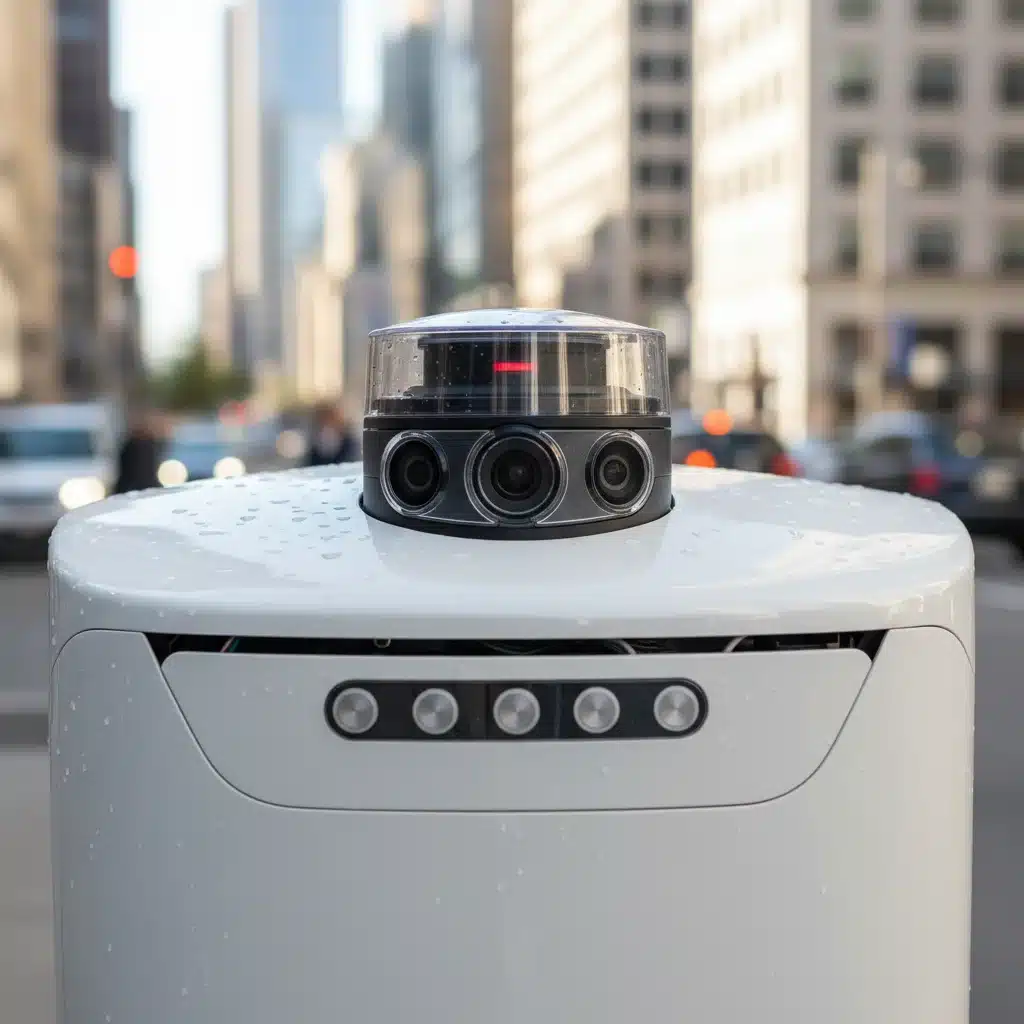
Modern delivery robots are equipped with a sophisticated array of sensors, including LiDAR, radar, cameras, and ultrasonic sensors. The magic happens through sensor fusion, where data from all these sources is combined and processed in real-time to create a comprehensive and accurate understanding of the robot’s surroundings. This allows robots to detect obstacles, pedestrians, vehicles, and traffic signals with remarkable precision, even in varying weather conditions and lighting.
Artificial Intelligence and Machine Learning for Navigation
At the heart of autonomous navigation is advanced AI and machine learning algorithms. These algorithms enable robots to learn from their experiences, predict pedestrian and vehicle behavior, and make intelligent decisions to ensure safe and efficient routes. Machine learning models are constantly being trained on vast datasets of urban environments, allowing robots to adapt to unforeseen circumstances and navigate unexpected challenges, such as construction zones or temporary street closures. The ability of these autonomous delivery robots to self-correct and learn on the fly is crucial for their scalability.
Enhanced Battery Technology and Efficiency
For robots to be truly autonomous, they need reliable power sources. Recent breakthroughs in battery technology, particularly in lithium-ion and solid-state batteries, have significantly increased the range and operational duration of these robots. Furthermore, energy management systems have become more sophisticated, optimizing power consumption and allowing robots to return to charging stations autonomously, minimizing downtime and maximizing delivery capacity. This efficiency is paramount for the economic viability of operating fleets of autonomous delivery robots.
Improved Communication and Connectivity
Seamless communication is vital for the safe and efficient operation of autonomous delivery robots. They often rely on a combination of cellular (5G), Wi-Fi, and GPS technologies to stay connected to central command centers, receive real-time updates, and report their status. This connectivity allows for remote monitoring, intervention if necessary, and dynamic routing adjustments based on traffic, weather, or delivery priority. The integration with smart city infrastructure and V2X (Vehicle-to-Everything) communication protocols is also a developing area that promises to further enhance their capabilities and safety.
Security and Tamper-Proof Designs
A critical aspect of public acceptance and commercial success is the security of the goods being delivered. Modern autonomous delivery robots feature secure, lockable compartments that can only be opened by the intended recipient via a mobile app or code. Furthermore, they are equipped with anti-theft measures, including GPS tracking, alarms, and sometimes even remote surveillance capabilities, ensuring the integrity of the delivery process.
Benefits of Autonomous Delivery Robots for Last-Mile Logistics
The implementation of autonomous delivery robots brings a multitude of benefits, not just for businesses but also for urban environments and consumers.
Increased Efficiency and Speed
Robots can operate continuously, often 24/7, without requiring breaks, shifts, or facing issues like traffic jams in the same way human drivers do. This allows for faster delivery times, especially during off-peak hours, and significantly increases the overall delivery capacity of a logistics network. For businesses, this translates to higher customer satisfaction and the ability to meet growing demand for instant gratification.
Reduced Operational Costs
While the initial investment in autonomous delivery robots can be substantial, the long-term operational costs are often lower than traditional methods. Robots don’t require salaries, benefits, or extensive training. They consume electricity, which is generally cheaper than gasoline, and require less maintenance compared to full-sized delivery vehicles. This cost reduction can be passed on to consumers or contribute to improved profit margins for businesses.
Enhanced Safety and Reliability
Equipped with advanced sensors and AI, robots are designed to adhere strictly to traffic laws and safety protocols. They are programmed to avoid collisions with pedestrians and other obstacles, often reacting faster and more consistently than human drivers. The predictable nature of robot operations also contributes to higher reliability, reducing errors and missed deliveries.
Environmental Sustainability
Most autonomous delivery robots are electric-powered, producing zero direct emissions. This makes them a greener alternative to gasoline-powered delivery vans, contributing to cleaner air quality in urban areas and helping cities meet their climate goals. Their smaller size also reduces traffic congestion and the need for large parking spaces in crowded urban environments.
Accessibility and Service Expansion
Autonomous delivery robots can extend delivery services to areas that might be less economically viable for human delivery drivers, such as sparsely populated neighborhoods or during off-hours. They also offer a valuable solution for individuals with mobility challenges, bringing essential goods directly to their doorstep without requiring them to leave their homes.
Challenges and Regulatory Landscape for Autonomous Delivery Robots
Despite their numerous advantages, the widespread adoption of autonomous delivery robots is not without its challenges. Both technological and regulatory hurdles must be addressed for these robots to reach their full potential.
Regulatory Frameworks and Public Acceptance
One of the most significant challenges is the lack of a uniform and comprehensive regulatory framework. Rules governing sidewalk use, speed limits, and operational zones for robots vary significantly from city to city and state to state. This patchwork of regulations creates complexity for companies looking to scale their operations. Furthermore, public perception and acceptance are crucial. Concerns about pedestrian safety, sidewalk congestion, and job displacement need to be addressed through transparent communication and robust safety measures.
Infrastructure Compatibility
While robots are designed to navigate sidewalks, not all urban infrastructure is robot-friendly. Uneven pavements, lack of curb cuts, construction sites, and dense pedestrian traffic can pose significant challenges. Cities need to consider how to adapt their infrastructure to accommodate these new modes of delivery, potentially through smart city planning and investment in accessible pathways.
Security and Vandalism Risks
Although equipped with security features, autonomous delivery robots are not entirely immune to vandalism or tampering. Ensuring the physical security of the robots and the contents they carry is an ongoing challenge that requires robust design, constant monitoring, and swift response mechanisms. Public education on the benefits and operation of these robots can also help deter malicious acts.
Weather and Environmental Limitations
While advancements have been made, extreme weather conditions like heavy snow, torrential rain, or strong winds can still impede robot operation. Sensors can be obscured, and traction can be lost. Companies are investing in all-weather capabilities, but there are inherent limits to how much a small ground robot can withstand compared to a human-driven vehicle.
The Future Outlook: Scaling and Integration
The trajectory for autonomous delivery robots in U.S. cities appears to be one of continued growth and increasing integration. The next few years are likely to see several key trends emerge:
Standardization of Regulations
As more cities embrace autonomous delivery, there will be increasing pressure for federal and state governments to establish more standardized regulatory frameworks. This will provide clarity for operators and accelerate the scaling of services across different jurisdictions. Such standardization will be critical for achieving economies of scale and widespread adoption.
Expanded Service Offerings
Beyond food and groceries, autonomous delivery robots are expected to expand into delivering a wider range of goods, including pharmaceuticals, small retail items, and even mail. The versatility of these robots makes them suitable for various last-mile logistics needs, opening up new market opportunities for businesses.
Advanced Human-Robot Interaction
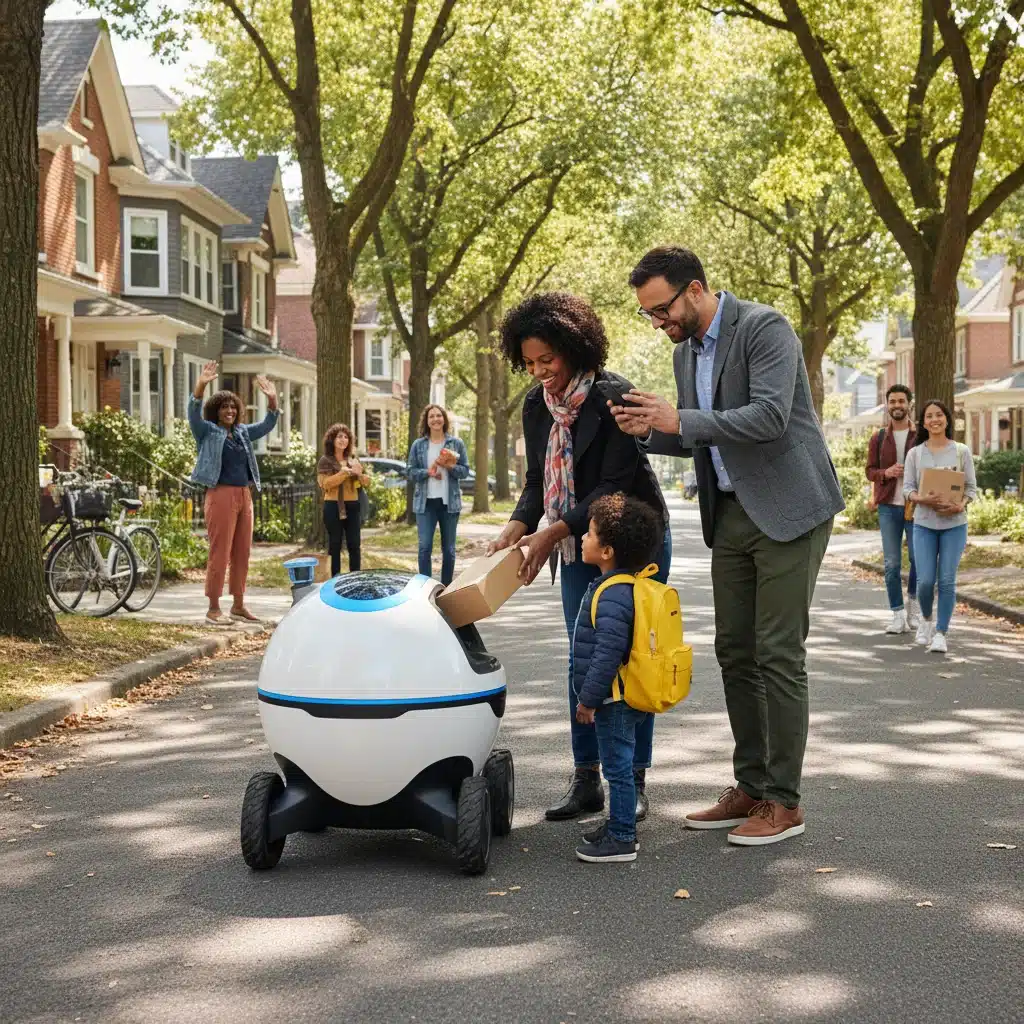
Future iterations of these robots will likely feature more sophisticated human-robot interaction capabilities, including improved voice interfaces, clearer visual cues, and enhanced social navigation. This will help address public acceptance concerns and make interactions with these robots more intuitive and comfortable for pedestrians.
Integration with Smart City Infrastructure
The long-term vision involves seamless integration of autonomous delivery robots with broader smart city infrastructure. This could include real-time traffic data sharing, dynamic routing based on urban events, and coordinated operations with other autonomous vehicles, creating a highly efficient and interconnected urban logistics network.
Hybrid Delivery Models
It’s unlikely that robots will entirely replace human delivery personnel in the near future. Instead, a hybrid model is more probable, where robots handle shorter, simpler routes and last-mile segments, while human drivers focus on longer hauls and more complex deliveries. This collaborative approach leverages the strengths of both human and robotic capabilities.
Conclusion: A New Era for Urban Logistics
The rapid advancements and increasing implementations of autonomous delivery robots in U.S. cities over the past six months signal a pivotal moment in the evolution of last-mile delivery. These compact, intelligent machines are not just a technological marvel; they represent a practical, sustainable, and economically viable solution to many of the challenges plaguing urban logistics today. From reducing traffic congestion and carbon emissions to lowering operational costs and enhancing delivery speed, their benefits are manifold.
While challenges remain, particularly in the areas of regulation, public acceptance, and infrastructure compatibility, the industry is demonstrating a clear commitment to addressing these issues. As technology continues to mature and regulatory frameworks become more refined, we can anticipate a future where autonomous delivery robots are a common and indispensable part of our urban fabric, quietly and efficiently bringing convenience directly to our doorsteps. The journey to fully autonomous urban logistics is well underway, and the recent progress underscores a promising and transformative future.