EV Telematics Systems 2026: Top 3 Comparison
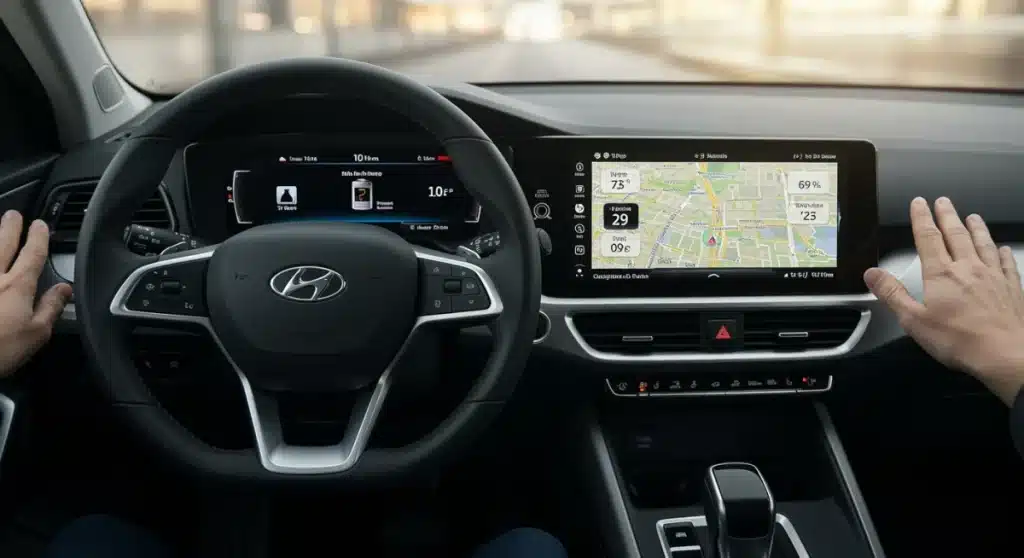
The top 3 EV telematics systems 2026, namely Tesla Fleet, Geotab for EVs, and Verizon Connect Reveal for Electric, are poised to redefine electric vehicle management with advanced data analytics, enhanced operational efficiency, and comprehensive sustainability features for both commercial fleets and individual users.
As the electric vehicle revolution accelerates, the importance of sophisticated management tools becomes paramount. For fleet managers and discerning EV owners alike, understanding the critical data that drives efficiency, safety, and sustainability is no longer a luxury but a necessity. This article delves into a comprehensive comparison of the top 3 EV telematics systems available in 2026, offering insights into how these cutting-edge solutions are shaping the future of electric mobility.
The evolving landscape of EV telematics in 2026
The year 2026 marks a significant milestone in electric vehicle technology, especially concerning telematics systems. These advanced platforms are no longer just about tracking vehicle location; they encompass a holistic approach to managing EV fleets and optimizing individual vehicle performance. From predictive maintenance to intelligent charging solutions, the capabilities have expanded dramatically, offering unprecedented levels of control and insight.
Telematics systems for EVs are crucial for bridging the gap between vehicle hardware and operational intelligence. They gather vast amounts of data, including battery state of charge, energy consumption, driving patterns, and charging infrastructure availability. This data is then processed to provide actionable insights, enabling users to make informed decisions that improve efficiency, reduce costs, and enhance the overall EV experience.
Key trends shaping EV telematics
- AI and Machine Learning Integration: Advanced algorithms are now standard, predicting battery degradation, optimizing charging schedules, and identifying potential maintenance issues before they become critical.
- Enhanced Connectivity: Real-time data transmission via 5G and satellite ensures constant communication, even in remote areas, crucial for critical operations and emergency services.
- Sustainability Reporting: Detailed carbon footprint tracking and energy consumption analysis help organizations meet their environmental goals and comply with increasingly stringent regulations.
The evolution of EV telematics is driven by the growing complexity of electric powertrains and the increasing demand for sustainable and efficient transportation solutions. These systems are not just tools; they are integral components of the EV ecosystem, facilitating smarter decisions and fostering a more sustainable future for mobility.
Tesla Fleet: pioneering integrated EV intelligence
Tesla, a name synonymous with electric vehicles, has naturally extended its innovation into the telematics space with Tesla Fleet. By 2026, Tesla Fleet has matured into a formidable system, offering unparalleled integration with its own vehicles. This native ecosystem provides a seamless experience, leveraging the deep data insights only a manufacturer can access directly from the vehicle’s core systems.
Tesla Fleet’s strength lies in its holistic approach. It’s not merely an add-on; it’s an intrinsic part of the Tesla vehicle architecture, allowing for precise monitoring and management. For businesses operating Tesla-exclusive fleets, this translates into optimized performance, reduced downtime, and a superior understanding of each vehicle’s operational status.
Core features and advantages
- Deep Vehicle Integration: Direct access to battery management systems, powertrain diagnostics, and software updates, enabling highly accurate real-time data and predictive analytics.
- Supercharger Network Optimization: Intelligent routing to available Superchargers, dynamic pricing information, and pre-conditioning of batteries for faster charging.
- Over-the-Air (OTA) Updates: Seamless software updates that enhance features, improve performance, and address potential issues without needing a service visit.
The system excels in providing detailed energy consumption reports, driver behavior analysis with safety scoring, and remote diagnostics. This level of integration allows for proactive maintenance, significantly reducing operational costs and extending vehicle lifespan. Tesla Fleet’s focus on user experience and ecosystem synergy makes it a compelling choice for those committed to the Tesla platform.
Geotab for EVs: comprehensive fleet management for diverse models
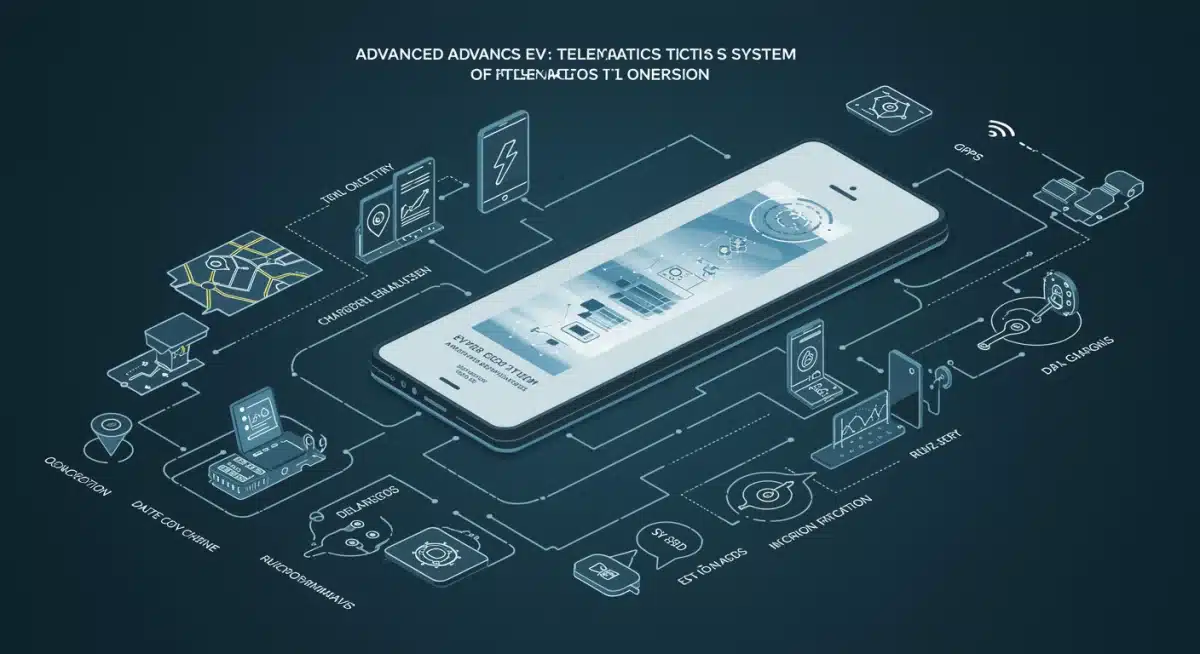
Geotab has long been a leader in general telematics, and its dedicated solution for electric vehicles, Geotab for EVs, has become a powerhouse by 2026. What sets Geotab apart is its vendor-agnostic approach, making it an ideal choice for fleets with a diverse range of EV models. This flexibility is critical for organizations transitioning to electric or managing mixed fleets, as it avoids vendor lock-in and provides a unified platform for all vehicles.
Geotab for EVs offers robust data collection and analysis, focusing on key metrics relevant to electric powertrains. Its open platform allows for extensive customization and integration with other business systems, providing a truly tailored telematics experience. This adaptability ensures that fleets, regardless of their composition, can leverage advanced insights to optimize their EV operations.
Key functionalities and benefits
- Universal Compatibility: Supports a wide array of EV manufacturers and models, providing a centralized management solution for mixed fleets.
- Advanced Battery Health Monitoring: Detailed analytics on battery degradation, state of health, and projected lifespan, crucial for strategic asset management.
- Charging Infrastructure Management: Tools to locate, schedule, and optimize charging sessions, integrate with charging providers, and monitor energy consumption.
The platform provides comprehensive reporting on energy efficiency, range predictions based on real-world driving conditions, and driver coaching modules specifically designed for EV driving behaviors. Its predictive analytics help identify potential issues with charging infrastructure or vehicle components, allowing for proactive intervention. Geotab’s commitment to an open ecosystem and deep data analysis makes it a strong contender for any organization looking for a versatile and powerful EV telematics solution.
Verizon Connect Reveal for Electric: robust data and operational efficiency
Verizon Connect, a well-established name in fleet management, has significantly bolstered its EV capabilities with Verizon Connect Reveal for Electric by 2026. This system leverages Verizon’s extensive network infrastructure and telematics expertise to deliver a robust solution focused on operational efficiency and reliable connectivity. It’s particularly appealing to larger enterprises and those already integrated into the Verizon ecosystem, offering a seamless transition to EV management.
Reveal for Electric is designed to provide granular data insights into EV performance, driver behavior, and charging patterns. Its strength lies in its ability to integrate these insights into broader operational strategies, helping businesses maximize their EV investments and reduce total cost of ownership. The platform emphasizes ease of use, providing intuitive dashboards and customizable reports that cater to various stakeholder needs.
Highlights of Reveal for Electric
- Reliable Connectivity: Utilizes Verizon’s robust cellular network for consistent and real-time data transmission, critical for mission-critical operations.
- Comprehensive Reporting: Offers detailed reports on energy usage, charging costs, carbon emissions savings, and driver efficiency, aiding in strategic decision-making.
- Integration with Existing Systems: Designed to integrate smoothly with existing fleet management software, payroll systems, and maintenance platforms, streamlining workflows.
The system also features advanced mapping capabilities with EV-specific points of interest, such as charging stations, and provides tools for route optimization that consider battery range and charging stops. Driver safety features, including alerts for aggressive driving and harsh braking, are also tailored for EV characteristics. Verizon Connect Reveal for Electric positions itself as a dependable and scalable solution for businesses seeking to optimize their electric fleet operations with a focus on data-driven efficiency.
Comparative analysis: unique strengths and ideal use cases
When comparing these three leading EV telematics systems in 2026, it becomes clear that each possesses distinct strengths catering to different needs. Understanding these nuances is key to selecting the most appropriate system for your specific requirements, whether you manage a large commercial fleet or a smaller, specialized operation.
Tesla Fleet stands out for its deep integration and proprietary ecosystem. It is the undisputed leader for businesses exclusively operating Tesla vehicles, offering unparalleled data accuracy and system synergy. The immediate access to vehicle diagnostics and OTA updates translates into maximum uptime and optimized performance, making it ideal for high-performance or luxury EV fleets.
Geotab vs. Verizon Connect: flexibility and reach
Geotab for EVs shines in its universal compatibility. For fleets with a diverse mix of EV brands, Geotab provides a unified, flexible platform that avoids vendor lock-in. Its open API and extensive marketplace allow for significant customization and integration with third-party solutions, making it perfect for organizations that need a highly adaptable system. This flexibility is crucial for businesses with evolving fleet compositions or specific niche requirements.
Verizon Connect Reveal for Electric, on the other hand, leverages its strong network infrastructure and established fleet management expertise. It’s a powerful solution for large enterprises and those already familiar with Verizon’s offerings, providing reliable connectivity and robust reporting. Its focus on operational efficiency and seamless integration with existing business systems makes it a strong choice for organizations prioritizing scalability and a comprehensive, enterprise-level solution.
Ultimately, the choice depends on your fleet’s composition, existing infrastructure, and specific operational priorities. Each system offers a unique blend of features designed to maximize the benefits of electric vehicle adoption.
Future outlook: innovations shaping EV telematics beyond 2026
The evolution of EV telematics won’t stop in 2026; the industry is continuously innovating, driven by advancements in artificial intelligence, battery technology, and connectivity. Looking ahead, we can anticipate even more sophisticated features that will further enhance the efficiency, safety, and sustainability of electric vehicles. The trend towards predictive and prescriptive analytics will intensify, moving beyond simply reporting data to actively recommending actions.
One major area of innovation is the integration of vehicle-to-grid (V2G) and vehicle-to-everything (V2X) technologies. Telematics systems will play a pivotal role in managing these bidirectional energy flows, optimizing when and how EVs charge and discharge energy back into the grid or to other devices. This will transform EVs from mere transportation assets into active participants in smart energy ecosystems.
Emerging technologies and their impact
- Enhanced Cybersecurity: As telematics systems become more integrated and handle sensitive data, advanced cybersecurity protocols will be paramount to protect against vulnerabilities.
- Seamless Autonomous Vehicle Integration: Telematics will be crucial for monitoring and managing autonomous EV fleets, providing real-time data on performance, safety, and route adherence.
- Personalized Driver Experience: More sophisticated systems will offer highly personalized insights and recommendations for individual drivers, optimizing their energy consumption and driving habits.
The future of EV telematics is intertwined with the broader smart city and smart mobility initiatives. These systems will not only manage individual vehicles or fleets but will also contribute to the overall efficiency and sustainability of urban transportation networks, enabling dynamic traffic management, optimized public charging, and reduced congestion. The continuous innovation in this field promises a future where electric mobility is not only efficient but also seamlessly integrated into our daily lives.
Choosing the right EV telematics system for your needs
Selecting the optimal EV telematics system requires a careful evaluation of your specific operational context, fleet size, vehicle composition, and long-term objectives. While the top three systems—Tesla Fleet, Geotab for EVs, and Verizon Connect Reveal for Electric—each offer compelling advantages, the ‘best’ system is ultimately the one that aligns most closely with your strategic goals.
Consider the primary challenges you aim to address. Are you focused on maximizing the efficiency of a uniform Tesla fleet? Then Tesla Fleet’s deep integration might be your ideal solution. Do you manage a mixed fleet of various EV manufacturers and need a flexible, adaptable platform? Geotab for EVs would likely be a more suitable choice. Or perhaps you require a robust, enterprise-grade solution with extensive reporting and reliable connectivity for a large-scale operation? Verizon Connect Reveal for Electric could be the perfect fit.
Key considerations for selection
- Fleet Composition: Assess whether your fleet is uniform (e.g., all Teslas) or diverse (multiple EV brands).
- Integration Needs: Evaluate how well the telematics system integrates with your existing business software, maintenance schedules, and charging infrastructure.
- Scalability: Consider your future growth plans and whether the system can scale effectively with an expanding EV fleet.
- Budget and ROI: Analyze the initial investment, subscription costs, and the potential return on investment through fuel savings, reduced maintenance, and improved efficiency.
Engaging with solution providers for demonstrations and pilot programs can provide invaluable real-world insights. Don’t underestimate the importance of user experience and the quality of customer support. A well-chosen EV telematics system is not just a tool; it’s a strategic asset that can significantly enhance your operational efficiency, reduce costs, and contribute to your sustainability goals in the rapidly evolving landscape of electric mobility.
| Key System | Primary Benefit |
|---|---|
| Tesla Fleet | Unparalleled deep integration with Tesla vehicles for optimized performance. |
| Geotab for EVs | Vendor-agnostic compatibility for diverse EV fleets and extensive customization. |
| Verizon Connect Reveal for Electric | Robust data, reliable connectivity, and operational efficiency for large enterprises. |
| General Trend | AI, machine learning, and enhanced connectivity are driving future innovations. |
Frequently asked questions about EV telematics in 2026
EV telematics refers to systems that monitor electric vehicle data in real-time, including battery health, energy consumption, and location. In 2026, it’s crucial for optimizing fleet operations, improving driver safety, and enhancing sustainability by providing actionable insights for efficient EV management.
EV telematics systems offer intelligent charging solutions by identifying available charging stations, optimizing charging schedules based on energy costs, and pre-conditioning batteries for faster charging. They also monitor charging infrastructure health and report on energy usage and costs effectively.
Absolutely. These systems provide detailed carbon footprint tracking, energy consumption analysis, and reports on emissions reductions. By optimizing routes and driving behaviors, they directly contribute to lower energy usage and help organizations meet their environmental goals and regulatory compliance.
Compatibility varies. Tesla Fleet is primarily for Tesla vehicles. Geotab for EVs is known for its wide, vendor-agnostic compatibility with many EV models. Verizon Connect Reveal for Electric supports a broad range of EVs but may focus more on larger enterprise fleets. Always check specific model compatibility.
Beyond 2026, expect deeper integration with AI for predictive maintenance, advanced V2G/V2X capabilities, enhanced cybersecurity, and seamless management of autonomous EV fleets. Telematics will further personalize driver experiences and integrate with smart city infrastructure for overall urban efficiency.
Conclusion
The landscape of EV telematics in 2026 is dynamic and highly sophisticated, with solutions like Tesla Fleet, Geotab for EVs, and Verizon Connect Reveal for Electric leading the charge. Each system offers a distinct set of features and benefits, tailored to different operational needs, from integrated manufacturer-specific solutions to highly adaptable vendor-agnostic platforms. The choice of the right telematics system is a strategic decision that can significantly impact the efficiency, cost-effectiveness, and environmental footprint of electric vehicle operations. As technology continues to advance, these systems will remain at the forefront of electric mobility, driving innovation and shaping a more sustainable and connected future for transportation.