Fleet Electrification US: 20% Cost Reduction by 2026 Tech
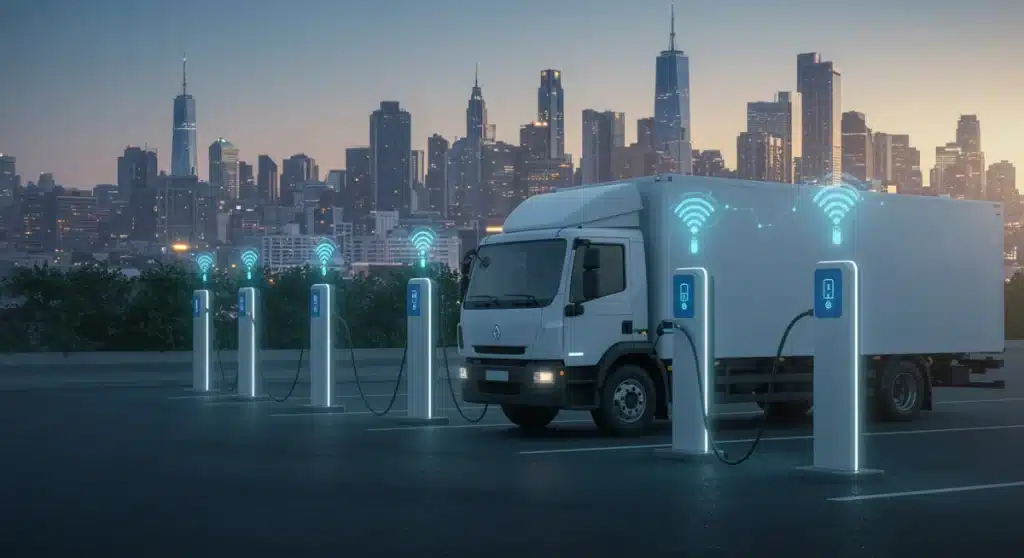
Achieving a 20% cost reduction in US fleet electrification by 2026 is a tangible goal, driven by advanced technological integration and strategic operational shifts, promising significant financial and environmental benefits.
The landscape of commercial transportation is undergoing a profound transformation, with electric vehicles (EVs) at its forefront. For businesses operating fleets across the United States, the concept of
fleet electrification cost reduction is no longer a distant aspiration but an imminent reality. By strategically implementing technologies anticipated by 2026, companies are poised to achieve a substantial 20% cut in operational expenses.
The Economic Imperative of Fleet Electrification
Fleet electrification is rapidly moving from an environmental initiative to an economic necessity for businesses in the US. The escalating costs of fuel, coupled with increasing regulatory pressures and a growing corporate commitment to sustainability, are pushing fleet operators to re-evaluate their operational models. The promise of a 20% cost reduction by 2026, driven by technological advancements, offers a compelling financial incentive that is hard to ignore.
This transition involves more than just swapping out gasoline-powered vehicles for electric ones; it requires a comprehensive strategic overhaul. Companies must consider not only the upfront capital expenditure but also the long-term operational savings that electrification brings. These savings encompass a wide array of factors, from reduced fuel expenses to lower maintenance requirements and significant tax incentives.
Fuel Cost Savings: A Primary Driver
- Volatile Fossil Fuel Prices: Electric fleets insulate businesses from the unpredictable fluctuations of gasoline and diesel prices.
- Lower Electricity Costs: In many regions, the cost of electricity per mile is significantly lower than that of traditional fuels.
- Off-Peak Charging Benefits: Smart charging solutions allow fleets to charge during off-peak hours, further reducing energy expenses.
The economic benefits extend beyond direct fuel savings. The predictability of electricity costs allows for more accurate budgeting and financial planning, providing a stable foundation for fleet operations. As battery technology improves and charging infrastructure becomes more widespread, these fuel cost advantages will only become more pronounced, making the case for electrification stronger.
Ultimately, the economic imperative for fleet electrification is rooted in a clear return on investment. Businesses that embrace this transition early are likely to gain a competitive edge, not only through cost savings but also through improved public perception and compliance with future environmental standards. The 20% cost reduction target by 2026 is a powerful motivator for this shift.
Leveraging 2026 Technologies for Enhanced Efficiency
The projected 20% cost reduction in US fleet electrification by 2026 is heavily reliant on the integration of cutting-edge technologies. These advancements are not limited to vehicle performance but extend to charging infrastructure, energy management, and data analytics. Understanding and adopting these innovations will be crucial for fleets aiming to maximize their operational efficiency and financial gains.
By 2026, we anticipate significant leaps in battery technology, offering longer ranges and faster charging times, thereby reducing range anxiety and improving operational flexibility. Furthermore, sophisticated software solutions will play a pivotal role in optimizing routes, managing charging schedules, and predicting maintenance needs, all contributing to substantial cost savings.
Advanced Battery and Charging Solutions
- Next-Generation Batteries: Improved energy density and faster charging capabilities will reduce downtime and extend vehicle utility.
- Smart Charging Networks: AI-driven systems will optimize charging times based on electricity prices and grid demand, minimizing costs.
- Vehicle-to-Grid (V2G) Technology: Fleets can generate revenue by selling excess stored energy back to the grid during peak demand.
Beyond batteries and charging, telematics and data analytics will transform how fleets operate. Real-time data on vehicle performance, driver behavior, and energy consumption will enable proactive management and continuous optimization. This data-driven approach will identify inefficiencies and opportunities for further cost reductions, ensuring that fleets operate at peak performance.
The synergy between these technological advancements creates a powerful ecosystem that supports the economic viability of electric fleets. From hardware innovations to intelligent software, the tools available by 2026 will empower fleet managers to achieve unprecedented levels of efficiency and cost control, making the 20% reduction target a realistic and achievable goal.
Infrastructure Development: The Backbone of Electrified Fleets
A significant portion of achieving the 20% cost reduction in US fleet electrification hinges on robust and intelligently designed charging infrastructure. Without adequate and accessible charging solutions, the benefits of electric vehicles cannot be fully realized. By 2026, we expect to see a substantial expansion and technological upgrade of charging networks, both public and private.
This development includes not only the physical installation of charging stations but also the integration of smart grid technologies and renewable energy sources. Planning for infrastructure needs well in advance is critical for any fleet considering the transition to electric, as it directly impacts operational costs and efficiency.
Key Infrastructure Considerations
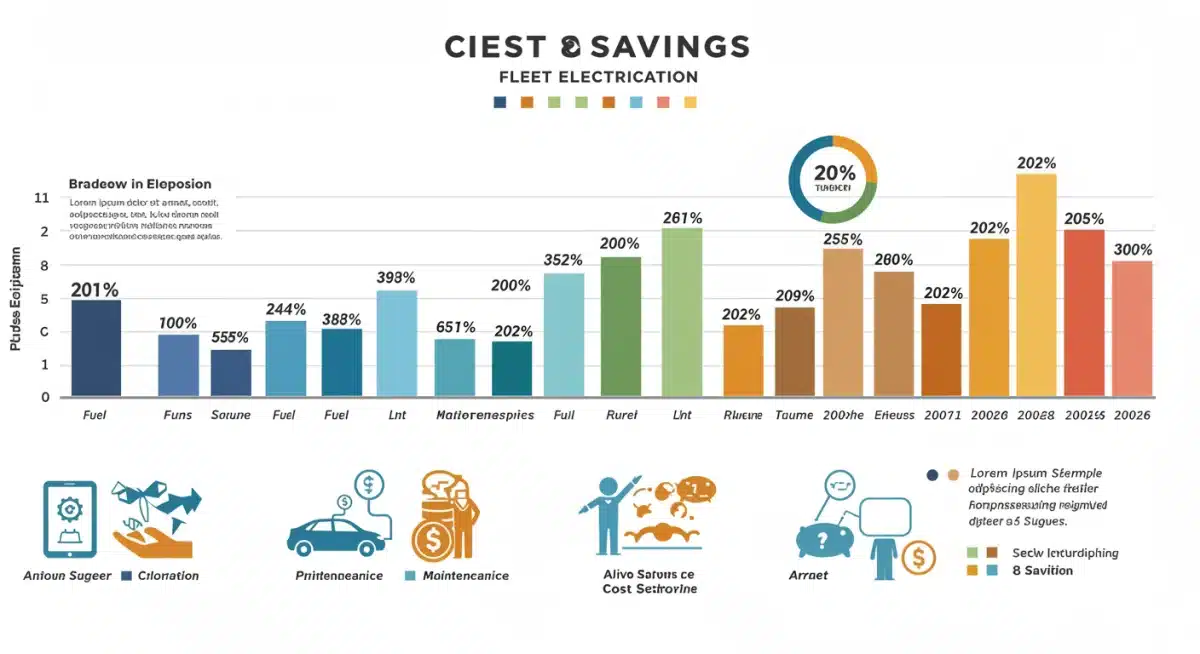
- Depot Charging: Establishing efficient charging facilities at central depots for overnight charging.
- On-Route Charging: Developing strategic partnerships or utilizing public networks for charging during longer routes.
- Grid Integration: Smart management of charging demand to avoid peak utility rates and strain on the local grid.
Furthermore, the evolution of charging technology itself, such as ultra-fast chargers and wireless charging solutions, will play a role. These innovations will reduce charging times, allowing for quicker turnarounds and increased vehicle utilization. The ability to charge vehicles rapidly and efficiently directly translates into greater operational uptime and, consequently, lower per-mile costs.
Investing in scalable and future-proof infrastructure is a strategic move that will unlock significant long-term savings. Government incentives and private sector partnerships are expected to accelerate this development, making it easier for fleets to build out the necessary infrastructure to support their electric operations by 2026 and beyond.
Maintenance and Operational Cost Reductions
Beyond fuel savings, one of the most compelling arguments for fleet electrification cost reduction lies in the significantly lower maintenance requirements of electric vehicles. Electric powertrains have fewer moving parts compared to internal combustion engines, leading to fewer breakdowns and reduced routine servicing needs. This translates directly into substantial operational cost savings for fleet operators.
By 2026, with further advancements in EV components and diagnostic tools, these maintenance benefits are expected to become even more pronounced. Predictive maintenance algorithms, powered by AI, will allow fleets to anticipate and address potential issues before they become costly problems, further optimizing uptime and reducing repair expenses.
Reduced Maintenance Benefits
- Fewer Moving Parts: Electric motors are simpler, eliminating the need for oil changes, spark plug replacements, and complex transmission servicing.
- Regenerative Braking: This technology reduces wear and tear on brake pads, extending their lifespan significantly.
- Lower Labor Costs: Simpler systems often require less specialized labor for routine checks and repairs.
The operational savings extend to other areas as well. For instance, electric vehicles often have a longer lifespan than their fossil-fueled counterparts, deferring the need for fleet replacement. Additionally, many electric vehicles qualify for specialized insurance rates, reflecting their lower risk profile in certain operational contexts. These accumulated savings contribute significantly to the overall 20% cost reduction target.
Training for technicians will evolve to focus on electric powertrain diagnostics and high-voltage safety, ensuring that fleets can maintain their vehicles efficiently. As the technology matures, the ecosystem of support, including parts availability and specialized service centers, will also grow, further cementing the cost advantages of an electrified fleet.
Government Incentives and Policy Support
The drive towards a 20% cost reduction in US fleet electrification by 2026 is not solely market-driven; it is also significantly supported by a robust framework of government incentives and favorable policies. Both federal and state governments are actively promoting the adoption of electric vehicles through various programs, recognizing their environmental and economic benefits. These policies provide crucial financial relief and regulatory certainty for businesses making the transition.
By 2026, we anticipate an even broader array of incentives, including expanded tax credits for EV purchases and charging infrastructure, grants for fleet modernization, and favorable utility rates for commercial charging. Staying informed about these evolving policies is essential for maximizing cost savings and accelerating the electrification process.
Key Policy and Incentive Categories
- Federal Tax Credits: Significant credits for purchasing new electric vehicles and installing charging equipment.
- State and Local Grants: Programs offering direct financial assistance for fleet electrification projects.
- Emissions Regulations: Stricter emissions standards incentivize the adoption of zero-emission vehicles, avoiding potential penalties.
- Clean Transportation Funds: Dedicated funds supporting infrastructure development and vehicle deployment.
Beyond direct financial incentives, policy support also comes in the form of regulatory frameworks that streamline the permitting process for charging stations and encourage utility companies to invest in grid upgrades. These supportive environments reduce the administrative burden and accelerate the deployment of necessary infrastructure, which is a critical component of achieving cost efficiencies.
Furthermore, public-private partnerships are emerging as a powerful mechanism to pool resources and expertise, accelerating the deployment of large-scale charging solutions. By actively engaging with these programs and understanding the policy landscape, fleet operators can significantly offset initial investment costs and enhance their journey towards a 20% cost reduction by 2026.
Strategic Planning and Implementation for 2026 Targets
Achieving a 20% cost reduction in US fleet electrification by 2026 demands meticulous strategic planning and a phased implementation approach. It’s not enough to simply purchase electric vehicles; businesses must integrate them seamlessly into existing operations, optimize their use, and continuously monitor performance against established goals. A well-thought-out strategy addresses all facets of the transition, from vehicle acquisition to driver training and energy management.
By 2026, successful fleets will be those that have adopted a holistic view of electrification, considering how each component interacts to deliver maximum efficiency and cost savings. This involves a commitment to continuous improvement and adaptability as technologies and market conditions evolve.
Phased Implementation Strategy
- Pilot Programs: Start with a small fleet of EVs on specific routes to gather data and refine operational strategies.
- Route Optimization: Analyze existing routes to identify those best suited for EVs, considering range, charging availability, and payload.
- Driver Training: Educate drivers on EV-specific driving techniques to maximize range and efficiency.
- Data-Driven Decisions: Utilize telematics and energy management systems to track performance and inform future investments.
Effective strategic planning also involves collaborating with energy providers and technology partners to ensure that the charging infrastructure is reliable, scalable, and cost-effective. Understanding electricity tariffs, demand charges, and potential for renewable energy integration is crucial for long-term financial viability. The initial investment in planning tools and expert consultation can yield significant returns in the form of optimized operations and reduced expenditures.
Finally, successful implementation requires a clear communication strategy within the organization, ensuring that all stakeholders understand the benefits and challenges of electrification. This fosters a supportive environment for change and helps overcome resistance, paving the way for a smooth transition and the realization of the 20% cost reduction goal by 2026.
| Key Point | Brief Description |
|---|---|
| 20% Cost Reduction Target | US fleets aim for a substantial 20% operational cost reduction by 2026 through electrification. |
| 2026 Technology Integration | Advanced batteries, smart charging, and AI-driven telematics are key enablers. |
| Infrastructure Development | Robust charging networks and grid integration are crucial for efficient operations. |
| Government & Policy Support | Incentives and regulations play a vital role in accelerating adoption and reducing upfront costs. |
Frequently Asked Questions About Fleet Electrification Costs
The primary drivers include lower fuel costs due to cheaper electricity, reduced maintenance needs from simpler EV powertrains, and significant government incentives. Advanced battery and charging technologies also contribute by improving efficiency and operational uptime, directly impacting the overall total cost of ownership.
By 2026, technologies like higher-density batteries, AI-driven smart charging, and advanced telematics for route optimization and predictive maintenance will be more prevalent. These innovations enhance vehicle range, minimize charging times, and reduce unscheduled downtime, all of which are critical for achieving substantial operational savings and reaching the 20% reduction goal.
Cost-effective fleet electrification requires robust depot charging infrastructure, strategic on-route charging solutions, and smart grid integration. Investing in scalable, future-proof charging systems that can manage electricity demand and potentially integrate with renewable energy sources is crucial. Policy support and partnerships will also help develop this backbone.
Yes, government incentives, including federal tax credits for EV purchases and charging infrastructure, state grants, and favorable emissions regulations, are vital. These policies significantly offset initial capital expenditures, making the transition more financially attractive and directly contributing to the overall cost reduction targets for fleets across the US by 2026.
Strategic planning is paramount. It involves phased implementation with pilot programs, meticulous route optimization, comprehensive driver training, and data-driven decision-making. A holistic strategy ensures seamless integration of EVs into existing operations, maximizes efficiency, and continuously monitors performance, which is essential for realizing the ambitious 20% cost reduction by 2026.
Conclusion
The journey towards achieving a 20% cost reduction in US fleet electrification by 2026 is a complex yet highly attainable endeavor. It represents a confluence of technological innovation, strategic operational shifts, and supportive government policies. Businesses that proactively embrace this transition by investing in advanced EV technologies, developing robust charging infrastructure, and leveraging available incentives are poised to reap significant financial benefits.
The move to electric fleets is no longer solely about environmental stewardship; it has become a powerful economic strategy. The predictable fuel costs, reduced maintenance, and enhanced operational efficiencies offered by electric vehicles, augmented by the advancements anticipated in the coming years, paint a clear picture of a more sustainable and cost-effective future for transportation in the United States. The 2026 target is not merely an aspiration but a well-charted course towards a smarter, greener, and more profitable fleet operation.